
 Náhled
 Sdílet
 Sdílet
 Podrobnosti o díle

 Stáhnout
 Podobné položky
 Rentgenové snímky
 Slideshow
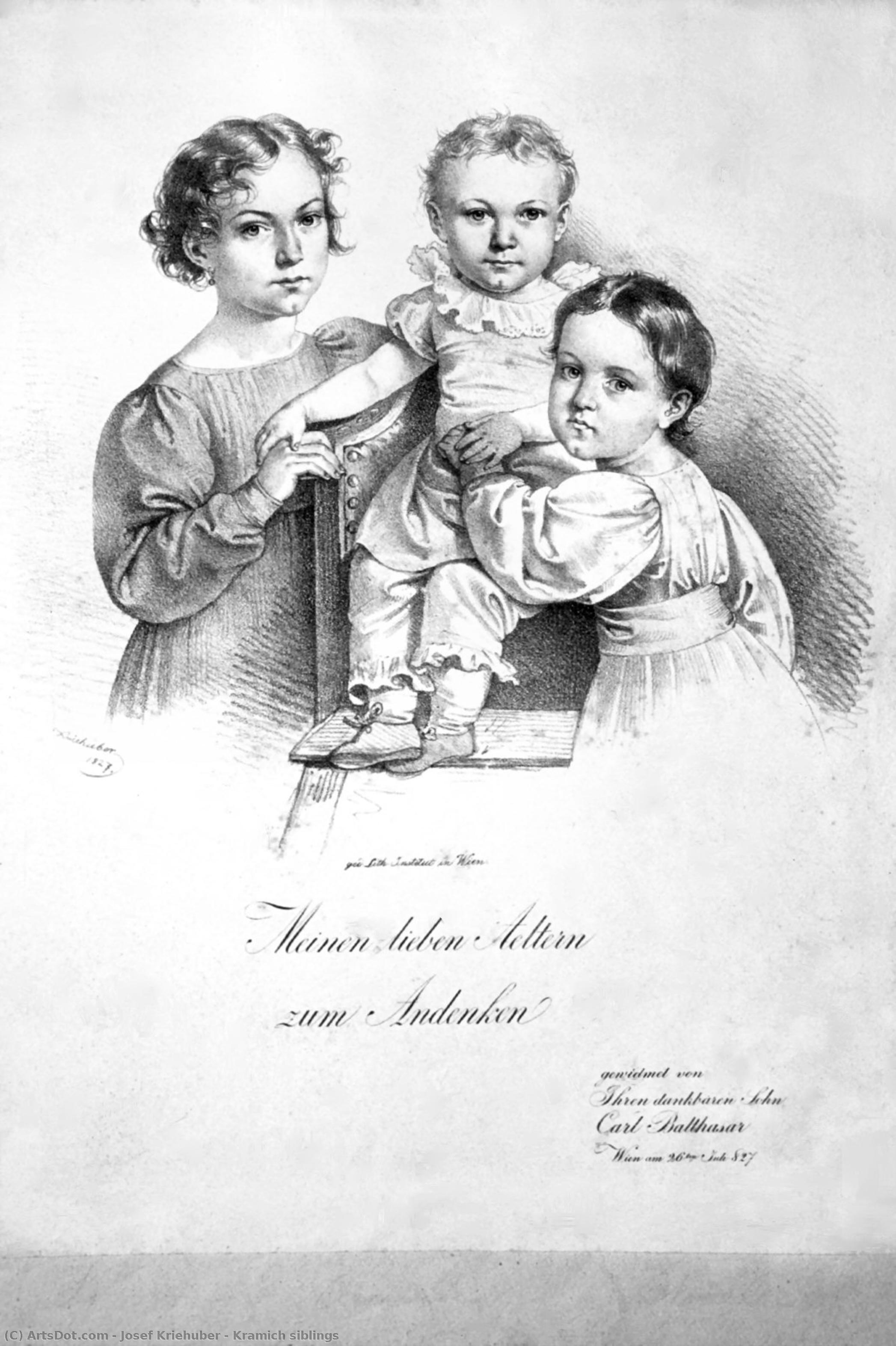
Kramich siblings


 Zobrazit více
Ručně malovaná olejová reprodukce
Ručně malovaná olejná barva na plátně ve vašem zvoleném rozměru i s rámem, vyrobená našimi umělci na zakázku. ( Koupit tisk Koupit obrázek)




P118B $10

P118H $10

P118W $10

P438Z $10

P508JH $12

P508YH $12

P805H $10

P805Z $10

P919BZ $10

P919G $10

P919XJ $10

P959ZH $10

P968JZ $12

W106C $8

W218G $10

W218JH $8

W218Y $10

W307PJ $10

W316G $10

W316PJ $8

W316Y $10

W398PJ $8

W4111J $10

W500HY $15

W500JH $15

W692G $12

W849H $8

W940BG $15

W953PJ $8




Vyberte si z našich přednastavených velikostí, které odpovídají původním proporcím díla.

Můžete zadat vlastní rozměry pro konkrétní rám nebo prostor. Pokud se vámi vybraná velikost neshoduje s proporcemi původního obrazu, dílo buď ořízneme, nebo jej doplníme ručně malovanými prvky. Před zahájením výroby vám bude zaslán digitální náhled ke schválení.
Upozorňujeme, že náhled na obrazovce neodpovídá skutečnému ořezu ani rozšíření. Pouze digitální náhled přesně zobrazí finální kompozici.
Ačkoliv je možné zvolit vlastní velikost, pro zachování původních proporcí doporučujeme vybrat rozměr z předdefinovaného seznamu.
Po přijetí objednávky vám tým OriginalUniqueArt.com zašle e-mail s pokyny a poskytne náhledovou verzi.
Celosvětová doprava () za 3–4 týdny namísto standardních 5 týdnů. (20 srpen). Bez kompromisů v kvalitě.

Zdarma celosvětová expresní doprava

Vysoce kvalitní lněné plátno

Kompletní přepravní pojištění

Záruka vrácení celního poplatku

Záruka přesného barevného shodu

60denní lhůta pro vrácení zboží (pouze při vadách výroby)

100% garance vrácení peněz

Sleva při hromadné objednávce
 Skleněná varianta je dostupná pouze u rozměrů menších než 110 cm

Kramich siblings
Technika reprodukce
Rozměry reprodukce
-


Celková cena za výběr
$ 350
Popis díla
The Intimate Chronicle of Viennese Society: Josef Kriehuber’s “Kramich Siblings”
Josef Kriehuber's "Kramich Siblings," created in 1827, isn't merely a portrait; it’s a meticulously rendered window into the heart of early 19th-century Vienna. This monochrome lithograph captures a tender moment between three young children – siblings, likely from a prominent family – offering a rare glimpse into the domestic life and social fabric of a burgeoning urban society. Kriehuber, a pivotal figure in the development of Viennese art, eschewed grand historical narratives or mythological themes, instead dedicating his considerable talent to documenting the everyday realities of his time. His work stands as an unparalleled chronicle of the Biedermeier era, characterized by its emphasis on realism, quiet dignity, and a profound appreciation for the nuances of human connection.
The image itself is dominated by a triangular composition, drawing the eye towards the central focus: a baby nestled securely in the arms of an older boy. The girl, positioned slightly to the left, gazes directly at the viewer with a subtle melancholy—a poignant expression that hints at both innocence and awareness. A small boot rests prominently before them, a detail that anchors the scene in reality and speaks volumes about childhood and family life. Kriehuber’s masterful use of hatching and cross-hatching creates an astonishingly detailed surface texture; one can almost feel the softness of the fabric, the warmth of the children's skin, and the solidity of the boot. The technique lends a remarkable sense of depth and volume to what could have easily been a flat, static image.
The Art of Lithography: A Revolution in Portraiture
Kriehuber’s choice of lithography as his primary medium was revolutionary for its time. Unlike the laborious process of engraving, which required painstakingly etching intricate lines into metal plates, lithography allowed for a significantly faster and more affordable reproduction of images. This democratization of portraiture made it accessible to a wider audience than ever before—a crucial factor in Kriehuber’s prolific career. The technique also demanded a unique artistic sensibility from the artist; he needed to translate his vision onto stone with remarkable precision, carefully controlling the distribution of ink to create tonal variations and subtle gradations of light and shadow.
The choice of monochrome is particularly significant. It strips away any potential distractions, focusing entirely on the emotional impact of the scene. The absence of color forces the viewer to engage with the subjects’ expressions, their gestures, and the overall atmosphere of intimacy. This restraint amplifies the sense of quiet dignity and sentimental value that permeates the image—a hallmark of Biedermeier portraiture.
Symbolism and Social Context
Beyond its immediate visual appeal, “Kramich Siblings” offers a rich tapestry of symbolic meaning rooted in the social context of 19th-century Vienna. The family depicted likely belonged to the upper echelons of Viennese society—a fact subtly conveyed through their clothing and demeanor. The scene itself speaks to the importance of lineage, familial bonds, and the transmission of values from one generation to the next. The baby, cradled in the arms of his older brother, represents the future, while the girl’s melancholic gaze suggests a contemplation of her own place within this family narrative.
Furthermore, Kriehuber's work reflects the broader cultural trends of the Biedermeier period—a time of relative peace and prosperity in Austria following the Napoleonic Wars. The emphasis on domesticity, familial affection, and quiet contemplation mirrored a desire to escape the turmoil of the outside world and find solace within the walls of one’s home.
A Legacy of Detail: Reproductions and Appreciation
Reproductions of “Kramich Siblings” offer art enthusiasts and interior designers alike an opportunity to experience the remarkable artistry of Josef Kriehuber. The meticulous detail, evocative composition, and profound emotional resonance of this lithograph continue to captivate viewers today. When selecting a reproduction, consider the quality of the print—a high-resolution image will faithfully capture the nuances of Kriehuber’s technique and ensure that the full beauty of this intimate chronicle of Viennese society is preserved.
- Artist: Josef Kriehuber
- Date: 1827
- Medium: Lithograph
- Style: Biedermeier
- Subject: Family Portrait
Additional Research Resources:
- Kramich siblings (OriginalUniqueArt)
- Josef Kriehuber (OriginalUniqueArt)
- Josef Kriehuber: A Life Immersed in Viennese Topography – From Lithographic Precision to Romantic Observation
- Josef Kriehuber - 170 obras de arte - litografía - WikiArt.org
- Josef Kriehuber (Wikipedia)
Biografie umělce
A Chronicler of Viennese Society: The Life and Art of Josef Kriehuber
Josef Kriehuber, born in Vienna on December 14th, 1800, occupies a remarkably unique position within the annals of Austrian art history. He wasn’t driven by the ambition to create monumental historical narratives or grand mythological allegories; instead, his artistic vision was singularly focused on meticulously documenting the intimate details of everyday life – transforming the bustling streets and quiet corners of 19th-century Vienna into a vibrant visual record. His legacy rests primarily in his extraordinary mastery of lithography, a technique that democratized portraiture, making it accessible to a wider audience than ever before, an audience he served with unwavering dedication and profound insight. Kriehuber’s journey began within the hallowed halls of the Vienna Academy under the tutelage of Hubert Maurer, but it was his embrace of lithography – its speed, affordability, and potential for mass reproduction – that truly defined his career and secured his enduring place in art history. This innovative medium allowed him to capture a society in flux, preserving a remarkable snapshot of Viennese life with unparalleled detail and nuance.The Biedermeier Portraitist: A Window into an Era
Kriehuber’s artistic development blossomed fully within the context of the Biedermeier period (roughly 1815-1848), an era born from the profound aftermath of Napoleon's conquests and characterized by a deep yearning for domesticity, simplicity, and the quiet pleasures of everyday existence. These values resonated deeply with Kriehuber’s sensibilities; he sought to capture not just outward appearances but also the spirit and character of his subjects – reflecting the prevailing mood of a nation striving to rebuild itself after years of upheaval. While initially exploring landscape lithography, it was portraiture where his talent truly shone, blossoming into an astonishingly prolific career that spanned over three thousand images. His clientele was remarkably diverse, encompassing nobility, government officials, prominent merchants, and ordinary citizens alike – each seeking a tangible representation of themselves or their loved ones, a lasting image to be cherished for generations to come. Kriehuber’s portraits weren't idealized fantasies; they were strikingly accurate representations, imbued with a palpable sense of personality and social standing. He possessed an uncanny ability to discern the essence of his subjects – capturing not just their physical likeness but also their inner lives, their hopes, fears, and aspirations. His meticulous attention to detail, combined with a subtle understanding of human expression, transformed each portrait into a unique psychological study, offering a rare glimpse into the soul of 19th-century Vienna.Beyond Likeness: Documenting Vienna’s Cultural Landscape
While celebrated for his captivating portraits, Kriehuber's artistic vision extended far beyond individual representation. He recognized the importance of documenting the urban landscape itself – particularly the vibrant atmosphere of Vienna’s Prater park, a beloved public space teeming with life and activity. His lithographs depicting scenes from the Prater offer invaluable insights into Viennese society during this period, revealing details about fashion, social interactions, recreational habits, and the very spirit of the city. These weren't merely picturesque views; they were dynamic snapshots of a society at leisure, capturing the energy and excitement of a bustling urban environment. He meticulously documented the diverse attractions of the Prater – from its thrilling rides to its charming tea pavilions – and the people who flocked there to enjoy themselves. Through these studies, Kriehuber transformed himself into a visual historian, preserving for posterity the sights and sounds of a rapidly changing city, offering a rich tapestry of everyday life that transcends mere documentation.Technical Mastery and Artistic Style
Pinpointing specific artistic influences on Kriehuber proves challenging; he wasn’t overtly imitating a particular master or adhering to a strict stylistic school. However, his dedication to realism aligns with broader artistic trends of the time, reflecting a growing desire for accurate representation in art. He was a contemporary of other portrait artists, but distinguished himself through the sheer volume and consistency of his output, as well as his masterful command of lithography – a technique he elevated to an extraordinary level of precision and detail. His style is characterized by meticulous draftsmanship, precise tonal control, and an ability to convey both physical likeness and psychological depth. He wasn’t interested in grand gestures or dramatic compositions; instead, he focused on capturing the subtle nuances of expression and personality, creating portraits that felt remarkably intimate and revealing. The speed and versatility of lithography allowed him to experiment with different techniques and approaches, resulting in a diverse body of work that reflects his artistic evolution over time.Legacy and Recognition: A Lasting Impression
Kriehuber’s influence extended beyond his prolific output. He served as a teacher at the prestigious Theresianum Academy in Vienna, nurturing future generations of artists and passing on his technical expertise. In 1860, he received significant recognition with the Franz Joseph Order, acknowledging his contributions to Austrian art – a testament to his enduring popularity and artistic merit. However, the rise of photography towards the end of his life presented a challenge to his profession. As photographic portraiture became more accessible and affordable, demand for lithographic portraits declined, leading to financial hardship in his later years. Despite this setback, Kriehuber continued to work tirelessly until his death on May 30th, 1876, leaving behind an extraordinary body of work that continues to captivate and inform us today. His legacy lies not only in the sheer number of portraits he created but also in their historical significance as a visual record of 19th-century Central European society – a testament to his keen eye, technical skill, and profound understanding of human nature. Collections of his works are held at the Albertina museum and the Austrian National Library, ensuring that his art will continue to be appreciated for generations to come. *His work remains a poignant reminder of a bygone era, offering a unique window into the lives and times of those who shaped Vienna’s vibrant cultural landscape.*
Josef Kriehuber
1800 - 1876 , Rakousko
Rychlé fakta
- Artistic Movement Or Style: Biedermeier, Realismus
- Artists Or Movements Influenced By This Artist: ['Friedrich Kriehuber']
- Date Of Birth: 1800-12-14
- Date Of Death: 1876-05-30
- Full Name: Josef Kriehuber
- Nationality: Rakouský
- Notable Artworks:
- Portréty
- Prater
- Place Of Birth: Vídeň, Rakousko
Související články

Josef Kriehuber: A Life Immersed in Viennese Topography – From Lithographic Precision to Romantic Observation
Explore the life and work of Josef Kriehuber, a master lithographer who captured 19th-century Vienna. Discover his portraits of nobility, landscapes, & artistic techniques. A guide for collectors & art enthusiasts.
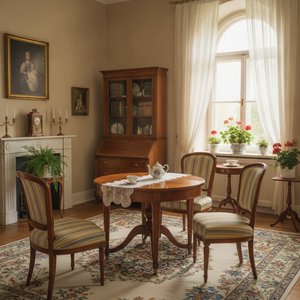
Biedermeier Style: The Art of Comfort, Elegance, and Home Harmony in 19th-Century Europe
Discover the soulful elegance of Biedermeier style. Explore how 19th-century Europe turned to domestic comfort and refined simplicity through art and design. A deep dive into the era of bourgeois sophistication for the true classic art enthusiast.
Biedermeier Style: The Elegant Art of Comfort, Simplicity, and Bourgeois Sophistication
Discover the refined elegance of Biedermeier style. Explore how this 19th-century movement blended simplicity with comfort, shaping the art and design of the middle class through Romanticism and functional beauty. An expert guide for classic art enthusiasts.
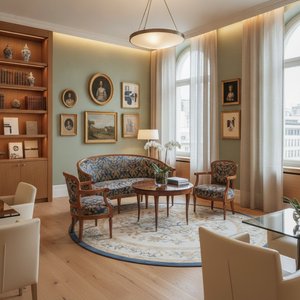
Biedermeier Style Guide: Integrating Elegant, Functional 19th-Century Art into Modern Hotel & Hospitality Interiors
Master the Biedermeier style for hospitality design. Our professional guide explores integrating 19th-century elegance and functional simplicity into modern hotel interiors through expert art procurement and large-scale custom reproductions.

Biedermeier: Art, Society & Intimacy in Restoration Europe
Explore the world of Biedermeier art & culture! Discover the history, aesthetic principles, and lasting influence of this fascinating European movement. Expert insights & beautiful reproductions at OriginalUniqueArt.

