
() ·
Obraz vytvořený ručně přímo pro vás
Ručně malovaná olejová reprodukce
Rukou malované olejné plátno v libovolném rozměru i s rámem, vyrobené našimi umělci na zakázku. ( Přepnout na tisk Přepnout na digitální obraz)
Popis sbírného předmětu
Admire 'North Shields' by John Wilson Ewbank (1825). A serene coastal oil painting in Romantic style, featuring sailing ships & atmospheric hues. Discover this captivating 19th-century artwork.
Biografie umělce
Discover John Wilson Ewbank, a Scottish landscape & marine painter (1799-1847). Admired for nature sketches & Edinburgh scenes, his work includes Scott illustrations & historical paintings.
 Zobrazit více
od ·
Kapitola 1
Jak velká by měla být?
Posunout pro změnu velikosti; obrázek vlevo zobrazuje rám v jeho skutečné šířce. Zachovávají se původní proporce.
Vyberte si z našich přednastavených velikostí, které odpovídají původním proporcím díla.

Zadejte šířku a výšku, které potřebujete pro váš rám nebo stěnu. Protože se jedná o ruční malbu, při výběru jiného formátu může umělec kolem obrazu domalovat o něco více, nebo jej mírně oříznout — rozhodnete si vy. Před zahájením malby vám zašleme digitální náhled ke schválení. Obraz zobrazený na této stránce neodpovídá skutečnému výsledku — pouze digitální náhled jej zobrazuje.
Kapitola 2
Jak má být doručeno?
Vyberte si okraje plátna
Vyberte si rámeček

Bílé okraje Kč1

Rozostřené okraje Kč1

Prodloužené okraje Kč1

P118B Kč10

P118H Kč10

P118W Kč10

P438Z Kč10

P508JH Kč12

P508YH Kč12

P805H Kč10

P805Z Kč10

P919BZ Kč10

P919G Kč10

P919XJ Kč10

P959ZH Kč10

P968JZ Kč12

W106C Kč8

W218G Kč10

W218JH Kč8

W218Y Kč10

W307PJ Kč10

W316G Kč10

W316PJ Kč8

W316Y Kč10

W398PJ Kč8

W4111J Kč10

W500HY Kč15

W500JH Kč15

W692G Kč12

W849H Kč8

W940BG Kč15

W953PJ Kč8

H24-GOLD Kč30

H24-SILVER Kč30

H36-GOLD Kč45

H36-SILVER Kč45
V rámu
Profil: . Celkové rozměry včetně rámu: .
Kapitola 3
Kdo jej maluje a mělo by se něco změnit?
Po přijetí objednávky vám tým OriginalUniqueArt.com pošle e-mail s instrukcemi a poskytne náhled návrhu
Celosvětová doprava () za 3–4 týdny namísto standardních 5 týdnů. (5 listopad). Bez kompromisů v kvalitě.
Kapitola 4
Poslední úpravy
Štítek jako v muzeu?
Detaily ryté bronzové plakety
This elegant plaque features the artist's name and the title of the artwork, finely engraved for a timeless presentation.
It is made from bronze with a refined, elegant finish. The text is precisely laser-engraved for a sharp and permanent result. Measuring 9x2 cm, the plaque is compact yet easy to read. It's built to be durable and scratch-resistant, offering a professional, museum-quality look. Mounting is simple thanks to the included adhesive backing.
Detaily průhledné akrylové desky
The plaque includes essential engraved details such as the artist's name, the title of the artwork, the date it was created, the type of media used-like oil on canvas or watercolor-a brief description of the piece, and a QR code that links to the complete artwork information.
It is crafted from clear acrylic, offering a sleek, modern appearance. The text is UV-engraved in black to ensure strong visual contrast. With a size of 10x15 cm, it ensures optimal readability. It comes equipped with two metal hooks for secure wall mounting. The plaque is designed to be weather-resistant, making it suitable for various environments, and it includes interactive features that work seamlessly with smartphone scanning.
Detaily černé akrylové destičky
This elegant plaque includes engraved information such as the artist's name, the title of the artwork, the date it was created, the type of media used (like oil on canvas or watercolor), a short description of the artwork, and a QR code for quick access to more information.
The plaque itself is made from refined black acrylic with a premium finish. The text is laser-engraved in white for high contrast and readability. Its size is 10x15 cm, designed to be easy to read. It comes with two metal hooks for professional mounting. The design is sleek and fits any interior style. It is also weather-resistant and durable, with built-in digital integration for mobile compatibility.
Ochranný lak?
Kdy jej potřebujete?
Kapitola 5
Váš obraz přesně podle objednávky

North Shields
Technika reprodukce
Rozměry reprodukce
-

Vybraní mistři umění
Vyšší míra detailu, jemnosti a delší doba výroby
-

Možnosti rámování reprodukcí
-
-
U děl nebo reprodukcí, u nichž je jakákoliv strana větší než 105 cm (přibližně 41 palců), bude rám dodán jako sestava v rozloženém stavu. Tato metoda zajišťuje bezpečné doručení a chrání dílo před poškozením během přepravy.
Vyžaduje se odborná montáž – nejedná se o produkt pro svépomocnou realizaci (DIY).
Sestava musí být složena a plátno napnuto zkušeným profesionálním rámovačem s použitím dřevěného lepidla (není součástí balení), kleští na napínání plátna a svorek pro udržení pravých úhlů křížů během schnutí lepidla. Nesprávná montáž nebo nerovnoměrné napnutí plátna může způsobit trvalé poškození uměleckého díla, které není kryto naší zárukou.
 U děl nebo reprodukcí, u nichž je jakákoliv strana větší než 105 cm (přibližně 41 palců), bude rám dodán jako sestava v rozloženém stavu. Tato metoda zajišťuje bezpečné doručení a chrání dílo před poškozením během přepravy.
Jsou zahrnuty všechny lišty z masivního dřeva, přesně na míru nařezané.
Sestavuje se pomocí součástí balení (šroubů), plus dřevěného lepidla na rohové spoje, které není součástí balení a musí jej zajistit váš rámovač.
Vyžaduje se profesionální nářadí, které není součástí sady: kleště na napínání plátna a svorky pro udržení kolmosti příček během schnutí lepidla.
Důležité:
Spoje v rozích vyžadují lepidlo na dřevo, tyčinky musí být přichyceny pomocí svorek, dokud lepidlo zcela neuschne, a pro napnutí plátna na sestavený rám je zapotřebí kleští na natahování plátna. Žádný z těchto náčiní není součástí sady. Před objednáním této velikosti prosím zajistěte zkušeného profesionálního rámovače.

Popisek díla
-
-

Ochranný lak
Lesklý lak (zvýrazňuje barvy, chrání před světlem a vlhkostí)
-

Přizpůsobit své umělecké dílo
Příklady možných úprav: nahrazení obličeje fotografií zákazníka; přidání domácího mazlíčka (např. výměna kočky za psa); vložení skrytého vzkazu do pozadí; změna krajiny nebo prvků v pozadí.
-

Prioritní doručení
Celosvětové doručení () za 3–4 týdny namísto standardních 5 týdnů. (5 listopad). Bez kompromisů v kvalitě.
-
Expresní doručení
Celosvětová doprava () do 5 týdnů. (12 listopad).
V ceně
Celková cena za vybrané možnosti reprodukcí
Kč 6504
Skleněná varianta je dostupná pouze u rozměrů menších než 110 cm
Součást každé objednávky
- Zdarma celosvětová expresní doprava
- Vysoce kvalitní lněné plátno
- Kompletní pojištění přepravy
- Záruka vrácení celního poplatku
- Záruka věrného barevného souladu
- 100dení lhůta pro vrácení zboží (pouze při vadách výroby)
- 100% záruka vrácení peněz
- Sleva při více objednávkách


 Náhled v interiéru
 Sdílet
 Sdílet
 Podrobnosti o díle
 Průvodce

 Stáhnout
 Podobné položky
 Rentgenové snímky
 Slideshow
 Otázky a odpovědi
 Statistiky
V číslech
- 1825rok vytvoření
- 29k výběru rámečků
- standardní velikosti, v jejich vlastních proportioních
- 5týdnů na namalování a doručení
O originálu

- 23.0 x 33.0 cm


John Wilson Ewbank
1799 - 1847
Rychlé informace o umělci John Wilson Ewbank
- Full Name: John Wilson Ewbank
- Nationality: English
- Date Of Birth: 1799
- Date Of Death: 1847
- Place Of Birth: Darlington, England
- Notable Artworks:
- Visit George IV
- Alexander the Great
- Hannibal Alps
- Artistic Movement Or Style: Landscape/Marine
- Artists Who Influenced This Artist: ['Van der Velde']
Biografie umělce
John Wilson Ewbank: A Scottish Master of Light and Water
Born in Darlington, England, in 1799, John Wilson Ewbank’s artistic journey took him from the humble apprenticeship of a house painter to the esteemed ranks of the Royal Scottish Academy. His life, though tragically cut short at the age of forty-nine, was marked by a profound connection with the natural world, particularly the dramatic landscapes and shimmering waters of Scotland. Ewbank wasn't merely a recorder of scenery; he possessed an almost preternatural ability to capture light and atmosphere, imbuing his paintings with a sense of movement, depth, and quiet contemplation – qualities that have secured his place as a significant figure in 19th-century Scottish art.
Ewbank’s early life was shaped by an unexpected shift. Initially destined for the priesthood, he abandoned theological studies to pursue painting, apprenticed to Thomas Coulson in Newcastle. This initial training provided a foundation in ornamental painting, but it was his relocation to Edinburgh and subsequent lessons with Alexander Nasmyth, a renowned landscape painter himself, that truly ignited his artistic passion. Nasmyth’s influence is evident in Ewbank's early works – a deliberate adoption of the Dutch Masters’ techniques, particularly their masterful use of light and color to create atmospheric effects.
Early Works and Influences
Ewbank’s initial style was heavily influenced by the Romantic tradition, drawing inspiration from artists like Jacob van Ruisdael and Jan Vermeer. His early paintings often depicted scenes of coastal landscapes, harbor views, and dramatic skies – characterized by a meticulous attention to detail and a restrained palette. The influence of the Dutch masters is particularly striking in his depictions of light reflecting off water, creating an illusion of shimmering brilliance. He meticulously studied the effects of weather on the sea, capturing the subtle shifts in color and texture that signaled changing conditions.
However, Ewbank’s artistic development wasn't static. As he matured, a shift occurred in his style – a move towards greater expressiveness and a looser brushstroke. This transformation coincided with a period of personal struggle, marked by bouts of drink and financial hardship. Despite these challenges, Ewbank continued to produce remarkable works, often depicting grand historical scenes or dramatic coastal vistas. The Visit of George IV to Edinburgh, the Entry of Alexander the Great into Babylon, and Hannibal crossing the Alps stand as testaments to his versatility and enduring talent.
Notable Works and Techniques
Among Ewbank’s most celebrated paintings are his series of drawings of Edinburgh, commissioned for James Browne's *Picturesque Views of Edinburgh* in 1825. These meticulously rendered sketches capture the city’s architectural grandeur and atmospheric charm with remarkable precision. His cabinet pictures – detailed depictions of riverbanks, coastlines, and marine subjects – also gained considerable recognition. Ewbank was particularly adept at portraying the interplay between light and water, creating a sense of dynamism and movement in his compositions.
A prime example of this skill is “Shipping in the Harbour, South Shields,” a monumental work from 1863 that exemplifies Ewbank’s mastery of atmospheric perspective and color. The painting captures the bustling activity of a busy harbor, with ships of various sizes navigating through the choppy waters. The use of light and shadow creates a dramatic effect, highlighting the movement of the waves and the reflections on the water's surface. This work, now held in private collection, showcases Ewbank’s ability to convey both the grandeur and the inherent drama of the natural world.
Legacy and Historical Significance
Despite his struggles with poverty and alcoholism, John Wilson Ewbank left a lasting legacy as one of Scotland's most accomplished landscape painters. His works are held in prestigious collections worldwide, including the British Museum, the Glasgow School of Art Archives and Collections, the Victoria and Albert Museum, and the Edinburgh Libraries and Museums and Galleries. His paintings offer a valuable glimpse into 19th-century Scottish life and culture, reflecting both the beauty and the challenges of the era.
Ewbank’s influence extends beyond his individual works. He played a significant role in the establishment of the Royal Scottish Academy, becoming one of its founding members in 1830. His dedication to capturing the essence of Scotland's landscapes helped to shape the artistic identity of the nation and inspired generations of artists to come. His work continues to be admired for its technical skill, atmospheric beauty, and profound connection to the natural world.
Související články
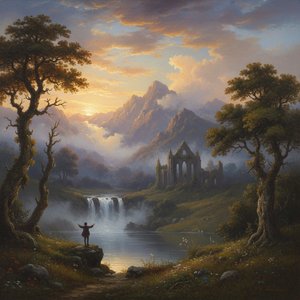
Evoking Emotion & Transcendence: Romantic Landscape Painting (18th-19th Century)
Explore the emotional depth of Romantic landscape painting (18th-19th century). Discover key artists like Friedrich & Cole, and the concepts of the sublime. Expert insights for art lovers & collectors.

Doprava a vrácení
APS zajišťuje odbornou celosvětovou přepravu umění s péčí na úrovni muzea, s plným sledováním a zárukou vrácení peněz do 30 dnů. Od celní podpory po Priority Production, důvěřujte transparentní službě, bezpečnému balení a spolehlivému doručení pro sběratele, designéry a galerie.

Romantická krajina v malbě: 10 mistrovských děl, které definovaly umělecký proud | OriginalUniqueArt
Prozkoumejte 10 ikonických děl romantické krajinářské malby! Objevte příběhy Caspara Davida Friedricha, Turnera a dalších mistrů. Reprodukce obrazů nejvyšší kvality pro váš interiér na OriginalUniqueArt.com.

Evoking Nature's Sublime: A Comprehensive Exploration of 19th-Century Landscape Painting
Explore the captivating world of 19th-century landscape painting! Discover renowned artists like Friedrich & Monet, key movements, and find the perfect artwork to bring nature's serenity into your home. Expert insights at OriginalUniqueArt.