Náhled v interiéru
 Sdílet
 Sdílet
 Podrobnosti o díle
 Průvodce

 Stáhnout
 Podobné položky
 Rentgenové snímky
 Slideshow
 Q&A
Q&A Statistiky
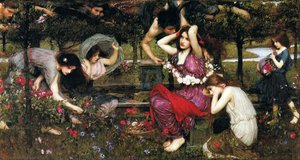
The Enchanted Garden

- 115.0 x 160.0 cm


 Zobrazit více
Giclée / Umělecký tisk
Giclée nebo plátěný tisk muzeální kvality s rychlou výrobou a širokou nabídkou povrchových úprav. ( Koupit ručně malovaný obraz Přepnout na digitální obraz)




P118B Kč10

P118H Kč10

P118W Kč10

P438Z Kč10

P508JH Kč12

P508YH Kč12

P805H Kč10

P805Z Kč10

P919BZ Kč10

P919G Kč10

P919XJ Kč10

P959ZH Kč10

P968JZ Kč12

W106C Kč8

W218G Kč10

W218JH Kč8

W218Y Kč10

W307PJ Kč10

W316G Kč10

W316PJ Kč8

W316Y Kč10

W398PJ Kč8

W4111J Kč10

W500HY Kč15

W500JH Kč15

W692G Kč12

W849H Kč8

W940BG Kč15

W953PJ Kč8




Vyberte si z našich přednastavených velikostí, které odpovídají původním proporcím díla.

Zadejte šířku a výšku, které potřebujete pro váš rám nebo stěnu. Tisk lze pouze oříznout, nikdy však nelze zvětšit obraz nad jeho původní rozměr, proto při výběru jiného formátu dochází ke ztrátě části obrazu. Před samotným tiskem vám zašleme digitální náhled k schválení. Obraz zobrazený na této stránce nenabízí skutečný výřez — ten uvidíte pouze v náhledu.
Celosvětové doručení () do 2 týdnů namísto standardních 4/5 týdnů. (2 listopad)

Zdarma celosvětová expresní doprava

Vysoce kvalitní lněné plátno

Kompletní pojištění přepravy

Záruka vrácení celního poplatku

Záruka věrného barevného souladu

100dení lhůta pro vrácení zboží (pouze při vadách výroby)

100% záruka vrácení peněz

Sleva při více objednávkách
 Skleněná varianta je dostupná pouze u rozměrů menších než 110 cm

The Enchanted Garden
Giclée / Umělecký tisk
Rozměry reprodukce
-


Celková cena za vybrané možnosti reprodukcí
Kč 1737
The Enchanted Garden: A Romantic Vision by John William Waterhouse
The painting “The Enchanted Garden,” completed in 1917 by the celebrated English artist John William Waterhouse, stands as a quintessential embodiment of Pre-Raphaelite romanticism. More than just a depiction of flora and fauna, it’s an invitation into a dreamlike realm where beauty reigns supreme and symbolism whispers secrets to attentive eyes—a fascination with classical art that would define Waterhouse's artistic legacy.Style and Influences: Echoes of Byzantium
Waterhouse’s stylistic approach was firmly rooted in the Pre-Raphaelite Brotherhood, a group of artists who rejected the academic conventions prevalent at the time and sought inspiration from medieval art and literature. Unlike the polished surfaces favored by their contemporaries, Waterhouse prioritized capturing ethereal beauty—a characteristic that permeated his entire oeuvre. The influence of Byzantine iconography is palpable; the muted palette—dominated by soft blues, greens, and creams—creates an atmosphere of solemn contemplation reminiscent of illuminated manuscripts. This deliberate stylistic choice underscores Waterhouse’s desire to transcend mere representation and convey a deeper spiritual resonance.Technique: Delicate Brushstrokes and Atmospheric Light
Waterhouse's mastery lay in his meticulous technique. He employed delicate brushstrokes, layering translucent glazes to achieve remarkable luminosity—a hallmark of Pre-Raphaelite painting. The artist painstakingly rendered the textures of petals and foliage, capturing every nuance of light and shadow. Waterhouse’s attention to detail extended beyond mere visual accuracy; he sought to evoke a palpable sense of atmosphere—the coolness of twilight, the subtle fragrance of blossoms—transforming his canvas into an immersive experience for the viewer. The artist skillfully utilized chiaroscuro—contrasting areas of light and dark—to sculpt forms and heighten dramatic effect.Historical Context: A Moment Frozen in Time
“The Enchanted Garden” was created during a period of significant artistic ferment, coinciding with the waning influence of Impressionism and the resurgence of interest in Romantic ideals. Waterhouse’s work reflects the broader cultural anxieties surrounding modernity—a yearning for stability amidst rapid social change. The painting resides at the Lady Lever Art Gallery in Merseyside, United Kingdom, offering visitors a chance to contemplate this masterpiece within its original context—a testament to Liverpool's commitment to preserving and celebrating artistic heritage. Its placement alongside other Pre-Raphaelite treasures reinforces Waterhouse’s position as one of the movement’s foremost practitioners.Symbolism: Snowflakes and Eternal Beauty
The painting is replete with symbolic imagery designed to elevate its aesthetic qualities beyond mere visual pleasure. The falling snowflakes—a recurring motif in Waterhouse's art—represent the passage of time and the ephemeral nature of beauty, reminding us that even the most exquisite creations are destined for decay. Yet, amidst this melancholic contemplation lies an affirmation of eternal ideals—the enduring power of love, faith, and artistic vision. The carefully positioned figures—women adorned in flowing gowns—symbolize feminine grace and spiritual purity. Their gaze is directed inward, suggesting a preoccupation with inner reflection—a profound engagement with the mysteries of existence.Emotional Impact: A Sanctuary for the Soul
Ultimately, “The Enchanted Garden” transcends its formal elements to elicit an emotional response from the viewer. Its serene beauty inspires feelings of tranquility and wonder—transporting us back to a time when imagination reigned supreme and art served as a conduit for spiritual contemplation. Waterhouse’s masterful orchestration of color, light, and composition creates a sanctuary for the soul—a space where anxieties dissipate and we reconnect with our deepest aspirations. It remains an enduring testament to the transformative power of art—a timeless masterpiece that continues to captivate audiences across generations.Otázky a odpovědi
Je dílo "The Enchanted Garden" typické pro to, co Jan William Waterhouse obvykle vytvářel/a?
Mezi opakující se témata umělce Jan William Waterhouse patří pre-raphaelite style, mythological narrative, victorian idealism, arcadia symbolism, artistic legacy; dílo „The Enchanted Garden“ se zaměřuje na garden, women, flowers, arcadia, renaissance, elegance, tranquility.
Do jaké fáze tvůrčího rozvoje Jan William Waterhouse patří dílo „The Enchanted Garden“?
V rámci kariéry umělce Jan William Waterhouse spadá dílo „The Enchanted Garden“ do období Mature Period. Tato fáze umožňuje jeho srovnání s dalšími díly tohoto umělce.
Hangi tónem se "The Enchanted Garden" sklání?
Dílo „The Enchanted Garden“ od Jan William Waterhouse je protknuto Warm Sunset Tones odstínem.
Biografie umělce
A Roman Beginning: The Early Life and Influences of John William Waterhouse
John William Waterhouse, jmenovaný po svém otci a strýci, byl anglický malíř, který se stal synonymem romantické krásy Pre-rafaelismu. Jeho umělecká cesta však začala daleko od mlhavých krajin, které často spojujeme s tímto proudem – jeho rané roky byly ponořeny do klasického великолепия Říma. Tato formativní zkušenost ho hluboce zasytila láskou k antickému římskému umění a mytologii, témata, která se pak prolíná celou jeho bohatou kariérou. Waterhouseova rodina se vrátila do Anglie v roce 1854 a usadila se v South Kensingtonu v Londýně, strategicky umístěném blízko rozvíjejícího se Victoria and Albert Museum. Zde byl mladý John vystaven bezprecedentní sbírce římských sochařských děl a dekorativních umění, což dále podpořilo jeho fascinaci antickou minulostí. Jeho raná školení byla konvenční – zahrnovala studium na Royal Academy Schools, kde si osvojil technické dovednosti v kreslení a malbě, ale atmosféra intelektuální zvědavosti a umělecké inovace ho skutečně rozpalovala. I jeho rané díla odrážela klasické tendence, připomínající například práce Alma-Tademy nebo Frederika Leightona. Jeho raná tvorba se zaměřovala na zobrazování klasických témat inspirovaných Homerem a dalšími antickými autory, což svědčí o jeho základech v antické estetice.Embracing the Pre-Raphaelite Brotherhood
Ačkoli Waterhouseovy rané díla vykazovala klasické náklonnosti připomínající umělce jako Alma-Tadema a Frederick Leighton, postupně se přitahoval k ideálům Pre-rafaelitského bratrstva. Tato umělecká skupina, založená v roce 1848, obhajovala návrat k detailnímu pozorování přírody a živým barvám nalezeným v raném italském renesančním umění – před tím, co považovali za stylistický pokles iniciovaný Rafaelem. Waterhouse se sám nezapojil do bratrstva, ale s nadšením přijmul jeho principy, obohacujíc svá díla lyrickou krásou a emocionální hloubkou, která rezonovala u publika. Jeho obraz *Sleep and His Half-Brother Death* z roku 1874, vystavený na Královské akademii, znamenal posun – demonstroval jeho rostoucí mistrovství v symbolické narraci a atmosférických efektech. Tento úspěch mu zajistil stálé zařazení do ročních výstav, etabloval ho jako rostoucí hvězdu londýnské umělecké scény. Nevytvářel jen kopie Pre-rafaelitských technik; interpretoval je prostřednictvím vlastního pohledu, kombinoval klasickou přesnost s romantickou citlivostí.Mythological Visions and Arthurian Echoes
Waterhouseovy nejvýznamnější díla jsou ta, která čerpají inspiraci z mytologie a artušovských legend. Vlastnil neobyčejnou schopnost oživit starověké příběhy, zobrazoval bohyně, nymfy a tragické hrdinky s dokonalou kombinací krásy a patosu. *Lady of Shalott* je možná jeho ikonograficky nejznámější obraz, existuje ve třech verzích (1888, 1894 a 1916), každá z nich je svědectvím o jeho trvalém zájmu o Tennysonovu báseň. Obraz osamělé lady, odplouvající na své řece, se stal symbolem viktoriánského romantismu a osudu umělecké izolace. Podobně jsou i jeho zobrazení Opheliie, zachycující moment před její tragickou smrtí, naplněna žalostným melancholií. Nevytvářel tyto příběhy jen tak; prozkoumal jejich psychologické hloubky, zaměřil se na emocionální stavy svých postav. *Hylas and the Nymphs*, *Ariadne* a *Penelope and the Suitors* jsou dalšími příklady jeho schopnosti transformovat klasické narativy v vizuálně úžasné a emocionálně rezonující umělecká díla. Jeho obrazy nebyly jen krásné; byly naplněné pocitem vyprávění, vybízející diváky k zamyšlení nad složitostmi lidského zážitku.Legacy and Lasting Influence
John William Waterhouse pokračoval v tvorbě až do své smrti v roce 1917 a dosáhl širokého uznání a oslavy během svého života. Byl zvolen plným akademikem v roce 1895 a věnoval čas učení na St. John's Wood Art School, vychovávaje další generaci umělců. I když jeho popularita trochu poklesla po první světové válce, v posledních desetiletích se projevila zájem o jeho dílo. Dnes je Waterhouse oslavován jako jeden z nejvýznamnějších představitelů Pre-rafaelismu a mistr viktoriánského malířství. Jeho obrazy nadále okouzřují publikum svou dokonalou krásou, emocionální hloubkou a nevšední přitažlivostí. Zanechal si dědictví romantických vize, mytologických interpretací a tragických hrdinů, která inspiruje umělce i milovníky umění dodnes. Jeho dílo má trvalou sílu právě v tom, že přenášejí diváky do jiného světa – do říše mýtů, legend a hlubokých lidských emocí.
Jan William Waterhouse
1849 - 1917 , Itálie
Rychlé informace o umělci
- Artistic Movement Or Style: Pre-rafaelista, Vídeňský
- Artists Or Movements Influenced By This Artist: ['Impressionismus']
- Artists Who Influenced This Artist:
- Alma-Tadema
- Frederic Leighton
- Date Of Birth: 1849
- Date Of Death: 1917
- Full Name: John William Waterhouse
- Nationality: Anglický
- Notable Artworks:
- Lady Shalott
- Ophelia
- Hylas
- Place Of Birth: Řím, Itálie
Související články

Pre-Raphaelite Romanticism: A Guide to Vivid Detail and Medieval Beauty in Victorian Art
Explore the vivid detail and medieval beauty of Pre-Raphaelite Romanticism. Discover the history of masters like Rossetti and Millais through our expert guide to Victorian art, perfect for collectors and professionals seeking authentic, museum-quality reproductions.

Sir John Everett Millais: Pre-Raphaelite Rebellion & Victorian Narrative Detail
Explore the revolutionary art of Sir John Everett Millais & the Pre-Raphaelite Brotherhood. Discover their radical realism, symbolic narratives, and lasting impact on Victorian aesthetics. A deep dive into 19th-century masterpieces.
John William Waterhouse: Pre-Raphaelite Mythmaker & Poetic Depictions of Female Identity
Explore the captivating world of John William Waterhouse, a master of Pre-Raphaelite painting. Discover his iconic depictions of mythology and female identity in this expert guide.

Dante Gabriel Rossetti: Top 25 děl a umělecké ikony pro váš domov | OriginalUniqueArt.cz
Prozkoumejte 25 ikonických děl Dante Gabriela Rossettiho – symbolismus, viktoriánský romantismus a krásné ženy v obrazech. Reprodukce obrazů nejvyšší kvality pro váš interiér na OriginalUniqueArt.cz. Objevte celou kolekci online!

John Constable: 25 mistrovských děl krajinářské poezie | OriginalUniqueArt.com
Prozkoumejte 25 ikonických děl Johna Constabla, mistra anglického krajinářství a romantismu. Obdivujte jeho olejomalby, plátna s venkovskou atmosférou a inspirujte se pro dekoraci interiéru. Reprodukce obrazů nejvyšší kvality na OriginalUniqueArt.com