
 Náhled v interiéru
 Sdílet
 Sdílet
 Podrobnosti o díle
 Průvodce

 Stáhnout
 Podobné položky
 Rentgenové snímky
 Slideshow
 Otázky a odpovědi
 Statistiky
Self Portrait


 Zobrazit více
Giclée / Umělecký tisk
Giclée nebo plátěný tisk muzeální kvality s rychlou výrobou a širokou nabídkou povrchových úprav. ( Koupit ručně malovaný obraz Přepnout na digitální obraz)




P118B Kč10

P118H Kč10

P118W Kč10

P438Z Kč10

P508JH Kč12

P508YH Kč12

P805H Kč10

P805Z Kč10

P919BZ Kč10

P919G Kč10

P919XJ Kč10

P959ZH Kč10

P968JZ Kč12

W106C Kč8

W218G Kč10

W218JH Kč8

W218Y Kč10

W307PJ Kč10

W316G Kč10

W316PJ Kč8

W316Y Kč10

W398PJ Kč8

W4111J Kč10

W500HY Kč15

W500JH Kč15

W692G Kč12

W849H Kč8

W940BG Kč15

W953PJ Kč8




Vyberte si z našich přednastavených velikostí, které odpovídají původním proporcím díla.

Zadejte šířku a výšku, které potřebujete pro váš rám nebo stěnu. Tisk lze pouze oříznout, nikdy však nelze zvětšit obraz nad jeho původní rozměr, proto při výběru jiného formátu dochází ke ztrátě části obrazu. Před samotným tiskem vám zašleme digitální náhled k schválení. Obraz zobrazený na této stránce nenabízí skutečný výřez — ten uvidíte pouze v náhledu.
Celosvětové doručení () do 2 týdnů namísto standardních 4/5 týdnů. (10 listopad)

Zdarma celosvětová expresní doprava

Vysoce kvalitní lněné plátno

Kompletní pojištění přepravy

Záruka vrácení celního poplatku

Záruka věrného barevného souladu

100dení lhůta pro vrácení zboží (pouze při vadách výroby)

100% záruka vrácení peněz

Sleva při více objednávkách
 Skleněná varianta je dostupná pouze u rozměrů menších než 110 cm

Self Portrait
Giclée / Umělecký tisk
Rozměry reprodukce
-


Celková cena za vybrané možnosti reprodukcí
Kč 1768
A Vision of Dignity: The Soul of John Trumbull’s Self Portrait
In the quiet intensity of 1777, as the fires of the American Revolution began to reshape the destiny of a continent, John Trumbull captured more than just his own likeness; he captured the very essence of an era in transition. His Self Portrait is not merely a study of a man, but a profound emblem of Enlightenment artistry and personal conviction. To gaze upon this canvas is to step into a moment where individual identity and national purpose were inextricably linked. Trumbull, a man whose life was etched into the very fabric of the war, presents himself with a poise that suggests a deep awareness of his role as both a witness to history and a creator of its visual legacy.
The composition is masterfully executed in the Neoclassical style, a movement that sought beauty through clarity, restraint, and an idealized connection to classical antiquity. Trumbull employs a traditional oil painting technique, utilizing meticulous brushstrokes and sophisticated layering to achieve a breathtaking realism. The play of light and shadow—a dramatic use of chiaroscuro—draws the viewer’s eye immediately to the subject's face, pulling it from the surrounding darkness. This luminous treatment of his features creates a sense of depth and vitality, making the artist appear almost present within the room, while the subtle gradations of tone in his clothing lend a tactile, luxurious quality to the work.
Symbolism and the Language of Status
Every element within this portrait serves as a deliberate gesture toward Trumbulating’s intellectual and social aspirations. His attire—a striking dark red coat trimmed with crisp white—is far from accidental; it signifies nobility, status, and the burgeoning confidence of the American elite during the Enlightenment. The ruffled cravat adds a layer of formal elegance, signaling a refined sensibility and a commitment to the sophisticated standards of European humanist traditions. Through these sartorial choices, Trumbull aligns himself with the great masters like Rembrandt and Reynolds, positioning himself as an artist of significant intellectual weight.
Perhaps most poignant is the inclusion of his professional tools. By prominently featuring his paintbrush and palette, Trumbull offers an explicit reference to his vocation. This is a visual manifesto of his dedication to his craft amidst the political upheaval of his time. The tools are not merely objects; they are symbols of his agency and his mission to document the virtues of reason, duty, and civic pride. For the collector or the designer, this piece offers a rich narrative of professional identity and the enduring power of the creative spirit.
An Enduring Legacy for the Discerning Collector
For those looking to infuse a space with historical gravity and quiet introspection, Trumbull’s Self Portrait provides an unparalleled emotional resonance. The painting’s atmosphere of dignified solitude makes it a commanding centerpiece for a library, a study, or a sophisticated gallery setting. It possesses the rare ability to anchor a room, offering a sense of permanence and intellectual depth that contemporary works often lack.
Whether you are an art lover drawn to the meticulous details of 18th-century realism or an interior designer seeking a piece that evokes the grandeur of the American founding era, this reproduction serves as a window into a transformative period of human history. It is a celebration of the artist as a chronicler of truth, making it a timeless acquisition for any collection dedicated to the beauty of classical tradition and the strength of the human character.
Otázky a odpovědi
Jak výrazné jsou barvy díla „Self Portrait“?
Barvy díla „Self Portrait“ od John Trumbull vykazují Subtle Color saturaci s Monochromatic intenzitou.
Jakou atmosféru do interiéru přináší „Self Portrait“ od John Trumbull?
S svou Elegant atmosférou je dílo „Self Portrait“ ideální volbou do Living Room.
Do které období tvorby John Trumbull patří dílo „Self Portrait“?
Dílo „Self Portrait“ pochází z období Mature Period v tvorbě umělce John Trumbull. Tato klasifikace dílo zasazuje do kontextu vývoje jeho tvůrčí dráhy.
Biografie umělce
A Life Etched in Revolution: The World of John Trumbull
John Trumbull, a name synonymous with the visual narrative of America’s birth, was more than just a painter; he was a witness, a soldier, and a chronicler of a nation forging its identity. Born in Lebanon, Connecticut, in 1756, into a family steeped in patriotic fervor – his father, Jonathan Trumbull, served as governor throughout the Revolutionary War – young John’s destiny seemed intertwined with the unfolding drama of independence. A childhood accident tragically cost him the use of one eye, yet this perceived limitation may have paradoxically sharpened his observational skills, contributing to the meticulous detail that would become a hallmark of his artistic style. His early education at Harvard College further cultivated a mind primed for both intellectual rigor and creative expression. Even before fully embracing his calling as an artist, Trumbull’s life was already imbued with a sense of duty and service, sketching fortifications during the Siege of Boston – a foreshadowing of his future role in immortalizing the Revolution on canvas.From Battlefield to Brushstroke: Artistic Formation and Influences
The path to becoming “the Painter of the Revolution” wasn’t immediate. Financial constraints initially led Trumbull down various avenues, but the pull towards art proved irresistible. In 1780, he embarked on a journey to London, seeking tutelage under the esteemed Benjamin West, an American expatriate who had achieved prominence as a history painter. West recognized Trumbull’s potential and encouraged him to focus on scenes from the War of Independence, suggesting smaller-scale works and miniature portraits – a practical approach that allowed Trumbull to hone his skills while establishing a clientele. Over the course of his career, he produced approximately 250 miniatures, demonstrating remarkable versatility and precision. However, West’s influence extended beyond technique; he instilled in Trumbull an appreciation for classical history painting, inspiring him to imbue his work with dramatic composition and allegorical depth. This fusion of historical accuracy and artistic grandeur would define Trumbull's mature style. The experience wasn’t without hardship; a brief but alarming arrest on suspicion of espionage – retaliation for the execution of Major André – forced a temporary retreat from British society, yet ultimately solidified his commitment to portraying the American cause.Immortalizing Independence: Masterpieces and Historical Significance
Trumbull’s most enduring legacy lies in his monumental historical paintings, particularly those that now grace the Capitol Rotunda. The Declaration of Independence, perhaps his most iconic work, is a carefully constructed tableau depicting the momentous occasion with remarkable fidelity. It's not merely a record of who was present but an attempt to capture the gravity and solemnity of the event. Famously, this painting found its way onto the reverse of the two-dollar bill, cementing its place in American iconography. Other significant works include The Surrender of Cornwallis at Yorktown, The Surrender of General Burgoyne, and George Washington before the Battle of Trenton. These paintings weren’t simply artistic endeavors; they were acts of national commemoration, designed to inspire patriotism and solidify a shared historical narrative. Trumbull meticulously researched each scene, consulting with veterans and studying contemporary accounts to ensure accuracy. His preparatory sketches, like the Study for Surrender of Cornwallis at Yorktown, reveal his painstaking planning process and dedication to detail. In an era devoid of photographic documentation, Trumbull’s paintings served as invaluable visual records, shaping public understanding of the Revolution and its key figures.A Lasting Legacy: Collections and Enduring Influence
John Trumbull's contributions extend beyond his celebrated canvases. He was a staunch advocate for the arts in America, serving as president of the American Academy of Fine Arts from 1816 to 1835, tirelessly working to foster a vibrant artistic community within the young nation. His paintings are now held in prestigious institutions across the country, including Yale University Art Gallery, the Smithsonian American Art Museum, and the Virginia Museum of Fine Arts, ensuring their accessibility for generations to come. The prominent display of his works within the United States Capitol serves as a lasting tribute to his dedication to both art and history.- His paintings continue to inspire artists and historians alike.
- They offer invaluable insights into the aesthetics and ideals of the early American republic.
- Trumbull’s commitment to historical accuracy set a precedent for future generations of American historical painters.

John Trumbull
1756 - 1843 , Spojené království
Rychlé informace o umělci
- Artistic Movement Or Style: Historická malba
- Artists Who Influenced This Artist: ['Benjamin West']
- Date Of Birth: 6. června 1756
- Date Of Death: 1843
- Full Name: John Trumbull
- Nationality: Američan
- Notable Artworks:
- Deklarace nezávislosti
- Kapitulární podřízení Cornwallise
- George Washington před bitvou u Trenton
- Place Of Birth: Lebanon, USA
Související články

Top 10 děl amerického realismu: Umění, které odráží skutečný život | OriginalUniqueArt
Prozkoumejte 10 ikonických děl amerického realismu od Hopperů po Wyetha. Obrazy plné života, emocí a autenticity. Najděte inspiraci pro váš interiér s uměleckými reprodukcemi nejvyšší kvality na OriginalUniqueArt.com

John Singer Sargent: 25 mistrovských děl a inspirace pro váš domov | OriginalUniqueArt.com
Objevte 25 ikonických děl Johna Singera Sargenta – portrétů, impresionistických krajin a elegantních kompozic. Prozkoumejte příběhy umění, techniky a inspiraci pro váš interiér s reprodukcemi nejvyšší kvality na OriginalUniqueArt.com

Grant Wood & American Regionalism: Identity, Myth & the Rural Landscape
Explore the world of Grant Wood & American Regionalism with OriginalUniqueArt. Discover the symbolism behind 'American Gothic', recurring themes, and the movement's lasting impact on art history. High-quality reproductions available.

John Constable: 25 mistrovských děl krajinářské poezie | OriginalUniqueArt.com
Prozkoumejte 25 ikonických děl Johna Constabla, mistra anglického krajinářství a romantismu. Obdivujte jeho olejomalby, plátna s venkovskou atmosférou a inspirujte se pro dekoraci interiéru. Reprodukce obrazů nejvyšší kvality na OriginalUniqueArt.com
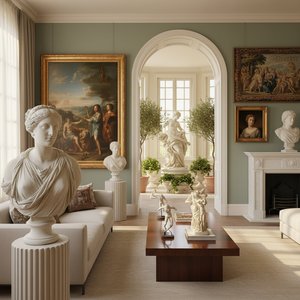
Deset mistrovských děl neoklasicismu: Umění, které definovalo éru | OriginalUniqueArt.cz
Prozkoumejte 10 ikonických děl neoklasicismu od mistrů jako David, Ingres a Canova. Objevte příběhy za uměleckými technikami a nadčasovou krásou. Reprodukce obrazů nejvyšší kvality na OriginalUniqueArt.cz – inspirace pro váš interiér!