

 Zobrazit v interiéru
 Odeslat
 Sdílet
 Podrobnosti
 Průvodce

 Stáhnout obrázek
 Podobné kousky
 Rentgenové snímky
 Slideshow
 Statistiky
Paní Johny Winthropové
 Akryl na plátně
- Obrazová tvorba na stěnu
- Anglo-American Portraiture
 1773
1773 90.0 x 73.0 cm
 Metropolitní muzeum umění
 Přečíst si více
Giclée / Umělecký tisk
Giclée nebo plátěný tisk muzeální kvality s rychlou výrobou a širokou nabídkou povrchových úprav. ( Objednat ručně malovanou reprodukci Přepnout na digitální verzi obrazu)




P118B Kč10

P118H Kč10

P118W Kč10

P438Z Kč10

P508JH Kč12

P508YH Kč12

P805H Kč10

P805Z Kč10

P919BZ Kč10

P919G Kč10

P919XJ Kč10

P959ZH Kč10

P968JZ Kč12

W106C Kč8

W218G Kč10

W218JH Kč8

W218Y Kč10

W307PJ Kč10

W316G Kč10

W316PJ Kč8

W316Y Kč10

W398PJ Kč8

W4111J Kč10

W500HY Kč15

W500JH Kč15

W692G Kč12

W849H Kč8

W940BG Kč15

W953PJ Kč8




Vyberte si z našich přednastavených velikostí, které odpovídají původním proporcím díla.

Zadejte šířku a výšku, které potřebujete pro váš rám nebo stěnu. Tisk lze pouze oříznout, nikdy však nelze zvětšit obraz nad jeho původní rozměr, proto při výběru jiného formátu dochází ke ztrátě části obrazu. Před samotným tiskem vám zašleme digitální náhled k schválení. Obraz zobrazený na této stránce nenabízí skutečný výřez — ten uvidíte pouze v náhledu.
Celosvětové doručení () do 2 týdnů namísto standardních 4/5 týdnů. (22 říjen)

Zdarma celosvětová expresní doprava

Vysoce kvalitní lněné plátno

Úplné pojištění přepravy

Záruka vrácení celního poplatku

Záruka věrného barevného shodu

100dení lhůta pro vrácení zboží (pouze při vadách výroby)

100% garance vrácení peněz

Sleva při více objednávkách
 Skleněná varianta je dostupná pouze u rozměrů menších než 110 cm

Paní Johny Winthropové
Giclée / Umělecký tisk
Velikost reprodukce
-


Celková cena
Kč 1700
Úvod: Portrét z éry koloniální elegance
John Singleton Copley, jeden z nejvýznamnějších amerických malířů svého času, v díle Paní Johny Winthrop (1773) mistrovsky zachytil atmosféru a ducha koloniální Ameriky. Tento portrét, namálně zhotovený krátce předtím, než Copley opustil Boston pro Anglii, není jen pouhým obrazem ženy; je to komplexní vyjádření společenského postavení, bohatství a elegance doby. Copley, který se sám vzdělával v umění, dokázal nejen věrně zpodobnit svou předmětku, ale také jí vtisknout charakter a hloubku, čímž překročil hranice pouhého portrétu a vytvořil dílo s bohatým významem. Portrét zachycuje Hannah Winthrop, manželku profesora matematiky a přírodních věd na Harvardově univerzitě, Johna Winthopa, prominentního muže své doby.

Styl a Technika: Copleyův unikátní přístup
Copley byl známý svým detailním a realistickým stylem, který se inspiroval evropskými tradicemi, zejména dílem italských mistrů. V Paní Johny Winthrop je patrná jeho pečlivá pozornost k detailům – od jemného drapování šatů po lesk stříbra a složitost vzorů na krajce. Použil techniku sfumato, která vytváří měkké přechody mezi světlem a tmou, čímž dodává portrétu hloubku a třpyt. Jeho práce se vyznačuje živostí barev a precizností provedení, což je typické pro jeho nejlepší díla. Copley byl také průkopníkem v používání barvy k vyjádření textury – vidíme to na jemné vlákna hedvábí a bohaté vzory látky.
Důležitým aspektem Copleyovy techniky je jeho schopnost zachytit světlo. V portrétu je světlo umístěno tak, aby zdůrazňovalo rysy tváře Hannah Winthrop a zároveň vytvářelo dramatické stíny, které dodávají obrazu hloubku a dimenzi. Copley byl mistrem v používání světla k vyjádření emocí a charakteru předmětu.
Historický Kontext: Koloniální Amerika a společenské normy
Paní Johny Winthrop je nejen krásným uměleckým dílem, ale také cenným dokumentem o životě a společenských normách koloniální Ameriky. Hannah Winthrop, jako manželka prominentního učence, reprezentovala vyšší třídu společnosti. Její oblečení – modré šaty s bílou krajkou, klobouk a náhrdelník – odrážejí bohatství a status její rodiny. Portrét také ukazuje význam vzdělání a intelektuálního prostředí v koloniální Americe. John Winthrop byl uznávaným odborníkem na matematiku a přírodní vědy, což naznačuje důležitost vědeckého myšlení a vzdělávání v té době.
Je třeba poznamenat, že portréty z této doby často sloužily k potvrzení společenských postavení a bohatství. Copleyův umění je tak nejen esteticky hodnotné, ale i historicky významné – poskytuje nám unikátní pohled do života a kultury koloniální Ameriky.
Symbolismus: Jablko, pták a významná detaily
V portrétu se nachází několik symbolických prvků, které přidávají obrazu hloubku a význam. Jablko v ruce Hannah Winthrop může symbolizovat nevinnost, ale také pokušení nebo smrt – což je častý motiv v umění. Pták na její ruce, pravděpodobně papoušek, byl symbolem bohatství, elegance a exotiky, což odráží status rodiny Winthrop. Klobouk, který Hannah nosí, symbolizuje její společenské postavení a respekt k autoritám. I drobné detaily, jako vzor na šatech nebo tvar náhrdelníku, mají svůj význam a přispívají k celkovému dojmu obrazu.
Paní Johny Winthrop je tak nejen krásný portrét, ale i bohatý symbolický komplex, který odráží hodnoty a normy koloniální Ameriky. Je to dílo, které vypráví příběh o bohatství, vzdělání, společenském postavení a umělecké dokonalosti.
Otázky a odpovědi
Jaký je doporučený formát a orientace pro tisk díla "Paní Johny Winthropové"?
Velikost Střední velikost, orientace Portrétní orientace: toto je doporučená konfigurace tisku pro dílo „Paní Johny Winthropové“ od John Singleton Copley.
Jakou techniku a jakou velikost má originál díla „Paní Johny Winthropové“ od John Singleton Copley?
Originální dílo „Paní Johny Winthropové“ od John Singleton Copley je práce typu Akryl na plátně o rozměrech 90 x 73 cm. Technika a velikost popisují originální objekt.
Do jaké místnosti se doporučuje „Paní Johny Winthropové“ od John Singleton Copley?
Reprodukce díla „Paní Johny Winthropové“ se skvěle hodí do Obývací pokoj.
Biografie umělce
A Pioneer Bridging Worlds: The Life and Art of John Singleton Copley
John Singleton Copley, born in Boston in 1738, occupies a unique and pivotal position in the history of American art. He wasn’t merely a painter; he was a cultural bridge, forging a distinctly Anglo-American aesthetic during a period of immense political and social upheaval. His story is one of self-taught brilliance, relentless ambition, and an uncanny ability to capture not just likenesses, but the very essence of his subjects within the context of their time. Copley’s early life was steeped in the bustling maritime world of colonial Boston, a city brimming with merchants, shipbuilders, and burgeoning wealth. His father, Richard Copley, though absent shortly after John's birth, was a tobacco merchant, while his mother, Mary Singleton Copley, ran a shop on Long Wharf. This environment instilled in young John an acute awareness of the material world – the textures of fabrics, the gleam of silver, the subtle nuances of social standing – all elements that would later define his artistic style. His stepfather, Peter Pelham, an engraver and limner (an artist who created portraits on vellum or parchment), provided some initial guidance, but Copley’s talent was largely self-cultivated through diligent study and practice. He devoured any available engravings, meticulously copying them to master technique, and quickly surpassed his stepfather's abilities.The Rise of a Colonial Portraitist
By the 1760s, Copley had established himself as Boston’s premier portraitist, catering to the city’s elite. His success wasn’t simply due to technical skill; it was his ability to imbue his portraits with a psychological depth rarely seen in colonial American art. He moved beyond mere representation, striving to capture the character and social standing of his sitters. This involved meticulous attention to detail – the precise rendering of fabrics, jewelry, and furnishings – but also a keen understanding of posture, expression, and gesture. Copley’s portraits weren't just images; they were statements about wealth, power, and social aspiration. He skillfully incorporated symbolic objects into his compositions, subtly hinting at his subjects’ professions or interests. A merchant might be depicted with imported goods in the background, a lawyer with legal texts, or a naval officer with nautical instruments. This attention to detail and symbolism elevated his work beyond simple portraiture, transforming it into a form of social commentary. His portraits of prominent figures like *Mrs. Ezekiel Gondthwait (Elizabeth Lewis)* exemplify this approach – the elegant pose, luxurious fabrics, and subtle details all convey a sense of refinement and status.Ambition and the Call of Europe
Despite his success in Boston, Copley harbored ambitions that extended beyond the colonial art world. He yearned for recognition from the established artistic circles of London and Rome, and sought to test his skills against the masters of European painting. In 1766, he sent his *Boy with a Flying Squirrel* to the Society of Artists in London, where it received considerable praise from Joshua Reynolds and Benjamin West – two leading figures in the British art scene. This encouragement fueled Copley’s desire for further training and exposure. However, family obligations and a thriving practice kept him rooted in Boston for another decade. Finally, in 1774, with his wife Susanna Farnsworth Clarke and their children, he embarked on a journey to Europe, intending to study the Old Masters and establish himself as a historical painter. The outbreak of the American Revolution shortly after his arrival complicated matters, forcing Copley to navigate a politically charged environment while pursuing his artistic goals.Historical Narratives and Lasting Legacy
In London, Copley found both opportunities and challenges. He continued to paint portraits, securing commissions from prominent British figures, but he also turned his attention to historical painting – a genre considered more prestigious than portraiture at the time. His most ambitious work in this vein was *The Death of Major Peirson*, depicting a scene from the Battle of Jersey during the American Revolutionary War. While technically impressive, it received mixed reviews, with some critics questioning its composition and dramatic impact. Copley’s later historical paintings, such as *The Colapse of the Earl of Chatham in the House of Lords*, were more successful, demonstrating his ability to capture complex emotions and dramatic moments. Though he never fully achieved the level of acclaim he sought in Europe, John Singleton Copley left an indelible mark on both American and British art history. He pioneered a uniquely Anglo-American style, blending European techniques with a distinctly colonial sensibility. His portraits remain invaluable historical documents, offering glimpses into the lives and values of a bygone era. He is remembered not only for his artistic skill but also for his role in shaping a national identity through his art. He died in London in 1815, leaving behind a legacy that continues to inspire artists and captivate audiences today.Influences and Artistic Development
- Early Influences: Copley’s early artistic development was heavily influenced by the engravings he meticulously copied, particularly those of European masters like Rembrandt van Rijn and Antoine Watteau.
- Peter Pelham's Guidance: His stepfather, Peter Pelham, provided initial training in portraiture and engraving techniques, laying the foundation for his future success.
- Joshua Reynolds & Benjamin West: The encouragement and feedback from these prominent British artists during Copley’s early submissions to London exhibitions were crucial in shaping his ambitions and artistic direction.
- Rococo Style: Copley initially embraced the Rococo style, evident in his use of delicate colors, graceful poses, and ornate details. However, he gradually moved towards a more realistic and restrained approach.
- Historical Painting Inspiration: His exposure to historical paintings by artists like Benjamin West inspired him to explore this genre, though he often struggled to fully reconcile it with his natural talent for portraiture.
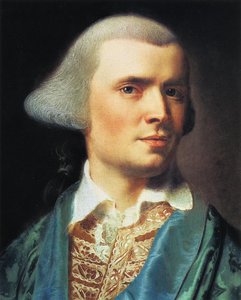
John Singleton Copley
1738 - 1815 , Spojené království Velké Británie a Irsku
Rychlé informace
- Artistic Movement Or Style: Portrétní, Realistický
- Artists Or Movements Influenced By This Artist: ['Anglosvětové umělci']
- Artists Who Influenced This Artist:
- Rembrandt
- Watteau
- Date Of Birth: 1738
- Date Of Death: 1815
- Full Name: John Singleton Copley
- Nationality: Anglosvětový
- Notable Artworks:
- Watson a žralok
- Earl of Chatham
- Place Of Birth: Boston, UK
Související články
The Grandeur of Presence: Exploring Representations of Stately Bearing in Western Portraiture
Explore the art of stately bearing in Western portraiture with expert analysis of Renaissance & Baroque masterpieces. Discover symbolism, techniques, and the legacy of iconic portraits – a guide for discerning collectors.

The Enduring Legacy of Formal Portraiture: Power, Identity & Artistic Exploration
Explore the rich history of formal portraiture & its enduring power to capture identity and shape perception. Discover investment-worthy artworks, expert appraisals, and custom reproduction services at OriginalUniqueArt.
25 Mistrovských Děl z Muzea Výtvarných Umění v Bostonu: Inspirace pro Váš Domov
Prozkoumejte 25 ikonických děl z Muzea výtvarných umění v Bostonu! Objevte příběhy za Sargentem, Monetem a dalšími mistry. Inspirace pro váš interiér s reprodukcemi obrazů nejvyšší kvality na OriginalUniqueArt.com.

The Enduring Gaze: A Historical & Artistic Exploration of Portraiture Across Cultures
Explore the rich history of portraiture with OriginalUniqueArt.com! Discover symbolism, techniques & master artists from antiquity to modern times. Expert insights for art collectors.

The Enduring Gaze: Portraiture's Historical & Psychological Evolution
Explore the rich history of portraiture with expert analysis from OriginalUniqueArt. Discover iconic Renaissance masterpieces, symbolism & techniques that shaped identity. Find museum-quality art for your collection.


