

 Náhled v interiéru
 Sdílet
 Sdílet
 Podrobnosti o díle
 Průvodce

 Stáhnout
 Podobné položky
 Rentgenové snímky
 Slideshow
 Statistiky
Mrs.John Scoally (Mercy Greenleaf)
 Oil On Canvas
- WallArt
- Neo-Classicism
 1763
1763 88.0 x 68.0 cm
 Zobrazit více
Ručně malovaná olejová reprodukce
Rukou malované olejné plátno v libovolném rozměru i s rámem, vyrobené našimi umělci na zakázku. ( Přepnout na tisk Přepnout na digitální obraz)




P118B Kč10

P118H Kč10

P118W Kč10

P438Z Kč10

P508JH Kč12

P508YH Kč12

P805H Kč10

P805Z Kč10

P919BZ Kč10

P919G Kč10

P919XJ Kč10

P959ZH Kč10

P968JZ Kč12

W106C Kč8

W218G Kč10

W218JH Kč8

W218Y Kč10

W307PJ Kč10

W316G Kč10

W316PJ Kč8

W316Y Kč10

W398PJ Kč8

W4111J Kč10

W500HY Kč15

W500JH Kč15

W692G Kč12

W849H Kč8

W940BG Kč15

W953PJ Kč8




Vyberte si z našich přednastavených velikostí, které odpovídají původním proporcím díla.

Zadejte šířku a výšku, které potřebujete pro váš rám nebo stěnu. Protože se jedná o ruční malbu, při výběru jiného formátu může umělec kolem obrazu domalovat o něco více, nebo jej mírně oříznout — rozhodnete si vy. Před zahájením malby vám zašleme digitální náhled ke schválení. Obraz zobrazený na této stránce neodpovídá skutečnému výsledku — pouze digitální náhled jej zobrazuje.
Po přijetí objednávky vám tým OriginalUniqueArt.com zašle e-mail s pokyny a poskytne náhledovou verzi.
Celosvětová doprava () za 3–4 týdny namísto standardních 5 týdnů. (25 říjen). Bez kompromisů v kvalitě.

Zdarma celosvětová expresní doprava

Vysoce kvalitní lněné plátno

Kompletní pojištění přepravy

Záruka vrácení celního poplatku

Záruka věrného barevného souladu

100dení lhůta pro vrácení zboží (pouze při vadách výroby)

100% záruka vrácení peněz

Sleva při více objednávkách
 Skleněná varianta je dostupná pouze u rozměrů menších než 110 cm

Mrs.John Scoally (Mercy Greenleaf)
Technika reprodukce
Rozměry reprodukce
-


Celková cena za vybrané možnosti reprodukcí
Kč 6415
A Glimpse into Enlightenment Introspection
To stand before John Singleton Copley's Mrs. John Scoally (Mercy Greenleaf) is to step directly into the refined, thoughtful atmosphere of the mid-eighteenth century. This painting, executed in 1763, transcends a mere portrait; it is a carefully composed meditation on domestic elegance and intellectual depth. Copley, a master chronicler of colonial life, captures Mercy Greenleaf not just as a sitter, but as a figure caught in a moment of profound contemplation. Her posture—seated with one hand delicately resting beneath her chin—invites the viewer to lean in, to share in the quiet weight of her thoughts. The richness of the oil on canvas allows Copley's technique to breathe life into every fold of her brown dress and the delicate lace at her collar, making the material world feel tangible against the backdrop of deep emotion.
The Echoes of Neo-Classicism
Stylistically, the work is a quintessential example of Neo-Classicism, an aesthetic movement deeply rooted in the rediscovered ideals of Ancient Greece and Rome. This was an era that prized order, reason, and classical simplicity, and Copley embodies these principles with remarkable grace. While the subject matter remains intimate—a portrait within a domestic setting—the composition itself speaks to grander ideals of balance. The inclusion of the dramatic red curtain serves not only as a vibrant splash of color but also functions architecturally, framing the central figures and adding an element of theatrical depth that elevates the scene beyond simple genre painting. Observe how Copley balances Mercy against the two other figures visible—one standing attentively behind her, another receding into the distance; this arrangement speaks to a harmonious social structure.
Mastery in Technique and Composition
Copley’s technical prowess is undeniable. The use of oil on canvas grants the pigments a luminosity that endures centuries later. Notice the subtle gradations of shadow and light across Mercy's face; these are not merely highlights, but carefully modulated passages that suggest inner life. The composition is a masterclass in visual equilibrium. Everything—the curve of her neck, the drape of the fabric, the vertical lines suggested by the standing figures—works together to create a sense of poised harmony. For those who appreciate fine art reproduction for their interiors, this piece offers an immediate focal point: its controlled drama and rich color palette will anchor any sophisticated drawing-room or study.
Symbolism and Enduring Allure
The symbolism within the painting is subtle but potent. The contemplative pose suggests a woman of intellect, whose inner life is as richly textured as her attire. The setting, while seemingly private, hints at the broader social tapestry of colonial Boston—a world of burgeoning wealth and refined manners. Owning a reproduction of Mrs. John Scoally allows one to connect with this historical moment, not just as an admirer of portraiture, but as someone who appreciates the enduring human capacity for introspection. It is a piece that whispers tales of Enlightenment refinement, making it a treasured acquisition for any collector or designer seeking art imbued with history and quiet dignity.
Otázky a odpovědi
Jak sytá je paleta díla "Mrs.John Scoally (Mercy Greenleaf)"?
Dílo „Mrs.John Scoally (Mercy Greenleaf)“ od John Singleton Copley je zachyceno s Subtle Color saturací.
Do jaké fáze tvůrčího rozvoje John Singleton Copley patří dílo „Mrs.John Scoally (Mercy Greenleaf)“?
Dílo „Mrs.John Scoally (Mercy Greenleaf)“ pochází z období Mature Period v tvorbě umělce John Singleton Copley. Tato klasifikace dílo zasazuje do kontextu vývoje jeho tvůrčí dráhy.
Kdo je autorem díla "Mrs.John Scoally (Mercy Greenleaf)" a z jakého roku pochází?
Dílo "Mrs.John Scoally (Mercy Greenleaf)" vytvořil/a John Singleton Copley v roce 1763.
Biografie umělce
A Pioneer Bridging Worlds: The Life and Art of John Singleton Copley
John Singleton Copley, born in Boston in 1738, occupies a unique and pivotal position in the history of American art. He wasn’t merely a painter; he was a cultural bridge, forging a distinctly Anglo-American aesthetic during a period of immense political and social upheaval. His story is one of self-taught brilliance, relentless ambition, and an uncanny ability to capture not just likenesses, but the very essence of his subjects within the context of their time. Copley’s early life was steeped in the bustling maritime world of colonial Boston, a city brimming with merchants, shipbuilders, and burgeoning wealth. His father, Richard Copley, though absent shortly after John's birth, was a tobacco merchant, while his mother, Mary Singleton Copley, ran a shop on Long Wharf. This environment instilled in young John an acute awareness of the material world – the textures of fabrics, the gleam of silver, the subtle nuances of social standing – all elements that would later define his artistic style. His stepfather, Peter Pelham, an engraver and limner (an artist who created portraits on vellum or parchment), provided some initial guidance, but Copley’s talent was largely self-cultivated through diligent study and practice. He devoured any available engravings, meticulously copying them to master technique, and quickly surpassed his stepfather's abilities.The Rise of a Colonial Portraitist
By the 1760s, Copley had established himself as Boston’s premier portraitist, catering to the city’s elite. His success wasn’t simply due to technical skill; it was his ability to imbue his portraits with a psychological depth rarely seen in colonial American art. He moved beyond mere representation, striving to capture the character and social standing of his sitters. This involved meticulous attention to detail – the precise rendering of fabrics, jewelry, and furnishings – but also a keen understanding of posture, expression, and gesture. Copley’s portraits weren't just images; they were statements about wealth, power, and social aspiration. He skillfully incorporated symbolic objects into his compositions, subtly hinting at his subjects’ professions or interests. A merchant might be depicted with imported goods in the background, a lawyer with legal texts, or a naval officer with nautical instruments. This attention to detail and symbolism elevated his work beyond simple portraiture, transforming it into a form of social commentary. His portraits of prominent figures like *Mrs. Ezekiel Gondthwait (Elizabeth Lewis)* exemplify this approach – the elegant pose, luxurious fabrics, and subtle details all convey a sense of refinement and status.Ambition and the Call of Europe
Despite his success in Boston, Copley harbored ambitions that extended beyond the colonial art world. He yearned for recognition from the established artistic circles of London and Rome, and sought to test his skills against the masters of European painting. In 1766, he sent his *Boy with a Flying Squirrel* to the Society of Artists in London, where it received considerable praise from Joshua Reynolds and Benjamin West – two leading figures in the British art scene. This encouragement fueled Copley’s desire for further training and exposure. However, family obligations and a thriving practice kept him rooted in Boston for another decade. Finally, in 1774, with his wife Susanna Farnsworth Clarke and their children, he embarked on a journey to Europe, intending to study the Old Masters and establish himself as a historical painter. The outbreak of the American Revolution shortly after his arrival complicated matters, forcing Copley to navigate a politically charged environment while pursuing his artistic goals.Historical Narratives and Lasting Legacy
In London, Copley found both opportunities and challenges. He continued to paint portraits, securing commissions from prominent British figures, but he also turned his attention to historical painting – a genre considered more prestigious than portraiture at the time. His most ambitious work in this vein was *The Death of Major Peirson*, depicting a scene from the Battle of Jersey during the American Revolutionary War. While technically impressive, it received mixed reviews, with some critics questioning its composition and dramatic impact. Copley’s later historical paintings, such as *The Colapse of the Earl of Chatham in the House of Lords*, were more successful, demonstrating his ability to capture complex emotions and dramatic moments. Though he never fully achieved the level of acclaim he sought in Europe, John Singleton Copley left an indelible mark on both American and British art history. He pioneered a uniquely Anglo-American style, blending European techniques with a distinctly colonial sensibility. His portraits remain invaluable historical documents, offering glimpses into the lives and values of a bygone era. He is remembered not only for his artistic skill but also for his role in shaping a national identity through his art. He died in London in 1815, leaving behind a legacy that continues to inspire artists and captivate audiences today.Influences and Artistic Development
- Early Influences: Copley’s early artistic development was heavily influenced by the engravings he meticulously copied, particularly those of European masters like Rembrandt van Rijn and Antoine Watteau.
- Peter Pelham's Guidance: His stepfather, Peter Pelham, provided initial training in portraiture and engraving techniques, laying the foundation for his future success.
- Joshua Reynolds & Benjamin West: The encouragement and feedback from these prominent British artists during Copley’s early submissions to London exhibitions were crucial in shaping his ambitions and artistic direction.
- Rococo Style: Copley initially embraced the Rococo style, evident in his use of delicate colors, graceful poses, and ornate details. However, he gradually moved towards a more realistic and restrained approach.
- Historical Painting Inspiration: His exposure to historical paintings by artists like Benjamin West inspired him to explore this genre, though he often struggled to fully reconcile it with his natural talent for portraiture.
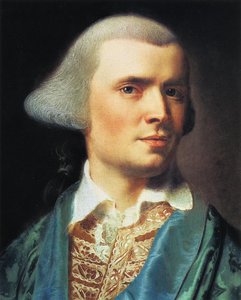
John Singleton Copley
1738 - 1815 , Spojené království Velké Británie a Irsku
Rychlé informace o umělci
- Artistic Movement Or Style: Portrétní, Realistický
- Artists Or Movements Influenced By This Artist: ['Anglosvětové umělci']
- Artists Who Influenced This Artist:
- Rembrandt
- Watteau
- Date Of Birth: 1738
- Date Of Death: 1815
- Full Name: John Singleton Copley
- Nationality: Anglosvětový
- Notable Artworks:
- Watson a žralok
- Earl of Chatham
- Place Of Birth: Boston, UK
Související články

Deset mistrovských děl neoklasicismu: Umění, které definovalo éru | OriginalUniqueArt.cz
Prozkoumejte 10 ikonických děl neoklasicismu od mistrů jako David, Ingres a Canova. Objevte příběhy za uměleckými technikami a nadčasovou krásou. Reprodukce obrazů nejvyšší kvality na OriginalUniqueArt.cz – inspirace pro váš interiér!
The Enduring Legacy of Classicism: Principles, Evolution & Influence in Western Art
Explore the enduring legacy of Classicism in Western art! Discover its historical context, key principles, iconic masterpieces & lasting influence. Learn about Renaissance and Neoclassical movements with OriginalUniqueArt.

Neo-Classicism Reimagined: The Bold Return of Order, Power, and Timeless Aesthetic Authority
Explore the resurgence of Neo-Classicism. Discover how the bold return of order, symmetry, and mythic power is redefining modern luxury interiors through museum-quality, hand-painted reproductions and bespoke classical commissions for the discerning art collector.

Oil on Canvas: A Historical & Technical Exploration of a Timeless Artistic Medium
Explore the rich history & enduring techniques of oil painting on canvas. Discover the science behind its longevity, conservation practices, and contemporary relevance. Expert insights for art enthusiasts.

The Enduring Legacy of Oil on Canvas: Technique, History & Aesthetic Impact
Explore the rich history & techniques of oil painting – from Renaissance masters to Impressionism. Discover pigments, layering methods, and why this timeless medium endures. Expert insights for artists & art enthusiasts.


