

 Zobrazit v interiéru
 Odeslat
 Sdílet
 Podrobnosti
 Průvodce

 Stáhnout obrázek
 Podobné kousky
 Rentgenové snímky
 Slideshow
 Statistiky
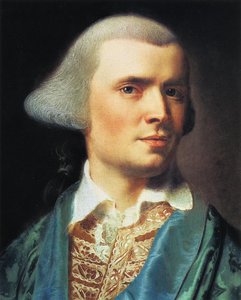
Midshipman Augustus Brine
 Oil On Canvas
- WallArt
- Neo-Classical Style
 1782
1782 125.0 x 100.0 cm
 Metropolitní muzeum umění
 Přečíst si více
Ručně malovaná olejová reprodukce
Ručně malované olejné plátno v libovolném rozměru i s rámem, vyrobené našimi umělci na zakázku. ( Přepnout na tiskové verze Přepnout na digitální verzi obrazu)




P118B Kč10

P118H Kč10

P118W Kč10

P438Z Kč10

P508JH Kč12

P508YH Kč12

P805H Kč10

P805Z Kč10

P919BZ Kč10

P919G Kč10

P919XJ Kč10

P959ZH Kč10

P968JZ Kč12

W106C Kč8

W218G Kč10

W218JH Kč8

W218Y Kč10

W307PJ Kč10

W316G Kč10

W316PJ Kč8

W316Y Kč10

W398PJ Kč8

W4111J Kč10

W500HY Kč15

W500JH Kč15

W692G Kč12

W849H Kč8

W940BG Kč15

W953PJ Kč8




Vyberte si z našich přednastavených velikostí, které odpovídají původním proporcím díla.

Zadejte šířku a výšku, které potřebujete pro váš rám nebo stěnu. Protože se jedná o ruční malbu, při výběru jiného formátu může umělec kolem obrazu domalovat o něco více, nebo jej mírně oříznout — rozhodnete si vy. Před zahájením malby vám zašleme digitální náhled ke schválení. Obraz zobrazený na této stránce neodpovídá skutečnému výsledku — pouze digitální náhled jej zobrazuje.
Po přijetí objednávky vám tým OriginalUniqueArt.com zašle e-mail s pokyny a poskytne náhledovou verzi.
Celosvětová doprava () za 3–4 týdny namísto standardních 5 týdnů. (21 říjen). Bez kompromisů v kvalitě.

Zdarma celosvětová expresní doprava

Vysoce kvalitní lněné plátno

Úplné pojištění přepravy

Záruka vrácení celního poplatku

Záruka věrného barevného shodu

100dení lhůta pro vrácení zboží (pouze při vadách výroby)

100% garance vrácení peněz

Sleva při více objednávkách
 Skleněná varianta je dostupná pouze u rozměrů menších než 110 cm

Midshipman Augustus Brine
Technika provedení
Velikost reprodukce
-


Celková cena
Kč 6376
A Portrait of Promise: John Singleton Copley’s Midshipman Augustus Brine
John Singleton Copley's Midshipman Augustus Brine, painted in 1782, is more than just a likeness; it’s a carefully constructed tableau of burgeoning American identity. This oil on canvas, currently residing within the Metropolitan Museum of Art, offers a captivating glimpse into the aspirations and social dynamics of colonial Boston during a period of immense transition. Copley, a true innovator who bridged the gap between European artistic traditions and the nascent American aesthetic, masterfully employs Neo-Classical principles to present a young boy poised on the cusp of adulthood – a symbol both of privilege and potential.
The subject himself, Midshipman Augustus Brine, is presented with an almost unnerving directness. His posture, ramrod straight with hands confidently resting on his hips, exudes an air of self-assuredness that belies his youth. The meticulously rendered details – the crisp linen of his jacket, the precise knot of his tie, the carefully styled hair – speak to a world of formality and expectation. Copley’s attention to texture is remarkable; one can almost feel the weight of the fabric, the sheen of the polished shoes. This isn't simply a portrait; it’s an embodiment of the ideals of order and discipline that were increasingly valued within colonial society.
Neo-Classical Precision: Technique and Composition
Copley’s mastery lies in his ability to translate Neo-Classical ideals into a strikingly realistic portrayal. The painting is characterized by its meticulous brushwork, a hallmark of Copley's style. He utilizes subtle gradations of light and shadow – *chiaroscuro* – to sculpt the boy’s form, creating a sense of depth and volume that draws the viewer in. The background, featuring a simple chair, serves not as mere decoration but as a crucial element in establishing the scene's formality and grandeur. The composition itself is carefully balanced, with Brine occupying a central position within the frame, commanding attention without appearing overly imposing.
Notably, Copley’s technique demonstrates an understanding of capturing fleeting expressions. While Brine’s face is largely neutral, there’s a hint of intelligence and perhaps even a touch of melancholy in his eyes – details that elevate the portrait beyond a simple representation of appearance. He wasn't interested in merely replicating reality; he sought to capture the *essence* of it, imbuing the painting with a sense of life and character.
Symbolism and Context: A Window into Colonial America
The inclusion of the military attire – the jacket and tie – is significant. In 1782, Boston was a hub for naval activity, and young men from prominent families frequently pursued careers in the sea or military service. Brine’s presentation suggests his family's social standing and aspirations for him. The portrait itself becomes a statement about lineage, ambition, and the expectations placed upon young men of privilege during this era.
Furthermore, Copley was deeply involved in the intellectual currents of his time, engaging with Enlightenment ideals and philosophical debates. His portraits often served as vehicles for exploring themes of identity, social status, and the relationship between individuals and their communities. Midshipman Augustus Brine can be viewed as a microcosm of these broader concerns – a visual representation of the hopes and anxieties surrounding America’s burgeoning independence.
A Timeless Masterpiece: Reproduction and Legacy
Copley's *Midshipman Augustus Brine* stands as a testament to his artistic genius and his pivotal role in shaping American art. Its enduring appeal lies not only in its technical brilliance but also in its ability to evoke a powerful sense of place and time. OriginalUniqueArt offers exquisite, hand-painted reproductions that faithfully capture the painting’s original beauty and detail, allowing you to bring this remarkable work into your home or office.
Whether you are an art enthusiast, a collector seeking a significant addition to your collection, or simply someone drawn to the elegance of Neo-Classicism, a reproduction of Midshipman Augustus Brine is sure to be a treasured possession. Explore our selection today and experience the artistry of John Singleton Copley firsthand.
Otázky a odpovědi
Jakou luminanci má dílo „Midshipman Augustus Brine“ od John Singleton Copley?
Luminance zaznamenaná pro dílo „Midshipman Augustus Brine“ od John Singleton Copley je Dark.
Jakou převládající barvu má dílo „Midshipman Augustus Brine“ od John Singleton Copley?
Hlavní barvou díla „Midshipman Augustus Brine“ od John Singleton Copley je Phthalo Green (#161812).
Kde si mohu koupit ručně malovanou reprodukci díla „Midshipman Augustus Brine“ od John Singleton Copley?
Ruční kopie díla „Midshipman Augustus Brine“ od John Singleton Copley jsou k zakoupení na webu tento web: ručně malovaná olejová reprodukce na lněném plátně, a to prostřednictvím jeho stránky Ručně malovaná reprodukce.
Biografie umělce
A Pioneer Bridging Worlds: The Life and Art of John Singleton Copley
John Singleton Copley, born in Boston in 1738, occupies a unique and pivotal position in the history of American art. He wasn’t merely a painter; he was a cultural bridge, forging a distinctly Anglo-American aesthetic during a period of immense political and social upheaval. His story is one of self-taught brilliance, relentless ambition, and an uncanny ability to capture not just likenesses, but the very essence of his subjects within the context of their time. Copley’s early life was steeped in the bustling maritime world of colonial Boston, a city brimming with merchants, shipbuilders, and burgeoning wealth. His father, Richard Copley, though absent shortly after John's birth, was a tobacco merchant, while his mother, Mary Singleton Copley, ran a shop on Long Wharf. This environment instilled in young John an acute awareness of the material world – the textures of fabrics, the gleam of silver, the subtle nuances of social standing – all elements that would later define his artistic style. His stepfather, Peter Pelham, an engraver and limner (an artist who created portraits on vellum or parchment), provided some initial guidance, but Copley’s talent was largely self-cultivated through diligent study and practice. He devoured any available engravings, meticulously copying them to master technique, and quickly surpassed his stepfather's abilities.The Rise of a Colonial Portraitist
By the 1760s, Copley had established himself as Boston’s premier portraitist, catering to the city’s elite. His success wasn’t simply due to technical skill; it was his ability to imbue his portraits with a psychological depth rarely seen in colonial American art. He moved beyond mere representation, striving to capture the character and social standing of his sitters. This involved meticulous attention to detail – the precise rendering of fabrics, jewelry, and furnishings – but also a keen understanding of posture, expression, and gesture. Copley’s portraits weren't just images; they were statements about wealth, power, and social aspiration. He skillfully incorporated symbolic objects into his compositions, subtly hinting at his subjects’ professions or interests. A merchant might be depicted with imported goods in the background, a lawyer with legal texts, or a naval officer with nautical instruments. This attention to detail and symbolism elevated his work beyond simple portraiture, transforming it into a form of social commentary. His portraits of prominent figures like *Mrs. Ezekiel Gondthwait (Elizabeth Lewis)* exemplify this approach – the elegant pose, luxurious fabrics, and subtle details all convey a sense of refinement and status.Ambition and the Call of Europe
Despite his success in Boston, Copley harbored ambitions that extended beyond the colonial art world. He yearned for recognition from the established artistic circles of London and Rome, and sought to test his skills against the masters of European painting. In 1766, he sent his *Boy with a Flying Squirrel* to the Society of Artists in London, where it received considerable praise from Joshua Reynolds and Benjamin West – two leading figures in the British art scene. This encouragement fueled Copley’s desire for further training and exposure. However, family obligations and a thriving practice kept him rooted in Boston for another decade. Finally, in 1774, with his wife Susanna Farnsworth Clarke and their children, he embarked on a journey to Europe, intending to study the Old Masters and establish himself as a historical painter. The outbreak of the American Revolution shortly after his arrival complicated matters, forcing Copley to navigate a politically charged environment while pursuing his artistic goals.Historical Narratives and Lasting Legacy
In London, Copley found both opportunities and challenges. He continued to paint portraits, securing commissions from prominent British figures, but he also turned his attention to historical painting – a genre considered more prestigious than portraiture at the time. His most ambitious work in this vein was *The Death of Major Peirson*, depicting a scene from the Battle of Jersey during the American Revolutionary War. While technically impressive, it received mixed reviews, with some critics questioning its composition and dramatic impact. Copley’s later historical paintings, such as *The Colapse of the Earl of Chatham in the House of Lords*, were more successful, demonstrating his ability to capture complex emotions and dramatic moments. Though he never fully achieved the level of acclaim he sought in Europe, John Singleton Copley left an indelible mark on both American and British art history. He pioneered a uniquely Anglo-American style, blending European techniques with a distinctly colonial sensibility. His portraits remain invaluable historical documents, offering glimpses into the lives and values of a bygone era. He is remembered not only for his artistic skill but also for his role in shaping a national identity through his art. He died in London in 1815, leaving behind a legacy that continues to inspire artists and captivate audiences today.Influences and Artistic Development
- Early Influences: Copley’s early artistic development was heavily influenced by the engravings he meticulously copied, particularly those of European masters like Rembrandt van Rijn and Antoine Watteau.
- Peter Pelham's Guidance: His stepfather, Peter Pelham, provided initial training in portraiture and engraving techniques, laying the foundation for his future success.
- Joshua Reynolds & Benjamin West: The encouragement and feedback from these prominent British artists during Copley’s early submissions to London exhibitions were crucial in shaping his ambitions and artistic direction.
- Rococo Style: Copley initially embraced the Rococo style, evident in his use of delicate colors, graceful poses, and ornate details. However, he gradually moved towards a more realistic and restrained approach.
- Historical Painting Inspiration: His exposure to historical paintings by artists like Benjamin West inspired him to explore this genre, though he often struggled to fully reconcile it with his natural talent for portraiture.
John Singleton Copley
1738 - 1815 , Spojené království Velké Británie a Irsku
Rychlé informace
- Artistic Movement Or Style: Portrétní, Realistický
- Artists Or Movements Influenced By This Artist: ['Anglosvětové umělci']
- Artists Who Influenced This Artist:
- Rembrandt
- Watteau
- Date Of Birth: 1738
- Date Of Death: 1815
- Full Name: John Singleton Copley
- Nationality: Anglosvětový
- Notable Artworks:
- Watson a žralok
- Earl of Chatham
- Place Of Birth: Boston, UK
Související články

John Singer Sargent: 25 mistrovských děl a inspirace pro váš domov | OriginalUniqueArt.com
Objevte 25 ikonických děl Johna Singera Sargenta – portrétů, impresionistických krajin a elegantních kompozic. Prozkoumejte příběhy umění, techniky a inspiraci pro váš interiér s reprodukcemi nejvyšší kvality na OriginalUniqueArt.com

Benjamin West: Transatlantic Ambition & Shaping American Art
Explore the life & legacy of Benjamin West, pioneering American artist and Royal Academy president. Discover his Neoclassical masterpieces, transatlantic influence, and lasting impact on art history. Learn more at OriginalUniqueArt.

John Constable: 25 mistrovských děl krajinářské poezie | OriginalUniqueArt.com
Prozkoumejte 25 ikonických děl Johna Constabla, mistra anglického krajinářství a romantismu. Obdivujte jeho olejomalby, plátna s venkovskou atmosférou a inspirujte se pro dekoraci interiéru. Reprodukce obrazů nejvyšší kvality na OriginalUniqueArt.com

Grant Wood & American Regionalism: Identity, Myth & the Rural Landscape
Explore the world of Grant Wood & American Regionalism with OriginalUniqueArt. Discover the symbolism behind 'American Gothic', recurring themes, and the movement's lasting impact on art history. High-quality reproductions available.

Top 10 děl amerického realismu: Umění, které odráží skutečný život | OriginalUniqueArt
Prozkoumejte 10 ikonických děl amerického realismu od Hopperů po Wyetha. Obrazy plné života, emocí a autenticity. Najděte inspiraci pro váš interiér s uměleckými reprodukcemi nejvyšší kvality na OriginalUniqueArt.com


