

 Zobrazit v interiéru
 Odeslat
 Sdílet
 Podrobnosti
 Průvodce

 Stáhnout obrázek
 Podobné kousky
 Rentgenové snímky
 Slideshow
 Statistiky
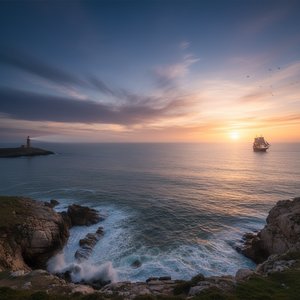
Seascape with Lighthouse
 Impressionism
 84.0 x 125.0 cm
 Přečíst si více
Giclée / Umělecký tisk
Giclée nebo plátěný tisk muzeální kvality s rychlou výrobou a širokou nabídkou povrchových úprav. ( Objednat ručně malovanou reprodukci Přepnout na digitální verzi obrazu)




P118B Kč10

P118H Kč10

P118W Kč10

P438Z Kč10

P508JH Kč12

P508YH Kč12

P805H Kč10

P805Z Kč10

P919BZ Kč10

P919G Kč10

P919XJ Kč10

P959ZH Kč10

P968JZ Kč12

W106C Kč8

W218G Kč10

W218JH Kč8

W218Y Kč10

W307PJ Kč10

W316G Kč10

W316PJ Kč8

W316Y Kč10

W398PJ Kč8

W4111J Kč10

W500HY Kč15

W500JH Kč15

W692G Kč12

W849H Kč8

W940BG Kč15

W953PJ Kč8




Vyberte si z našich přednastavených velikostí, které odpovídají původním proporcím díla.

Zadejte šířku a výšku, které potřebujete pro váš rám nebo stěnu. Tisk lze pouze oříznout, nikdy však nelze zvětšit obraz nad jeho původní rozměr, proto při výběru jiného formátu dochází ke ztrátě části obrazu. Před samotným tiskem vám zašleme digitální náhled k schválení. Obraz zobrazený na této stránce nenabízí skutečný výřez — ten uvidíte pouze v náhledu.
Celosvětové doručení () do 2 týdnů namísto standardních 4/5 týdnů. (22 říjen)

Zdarma celosvětová expresní doprava

Vysoce kvalitní lněné plátno

Úplné pojištění přepravy

Záruka vrácení celního poplatku

Záruka věrného barevného shodu

100dení lhůta pro vrácení zboží (pouze při vadách výroby)

100% garance vrácení peněz

Sleva při více objednávkách
 Skleněná varianta je dostupná pouze u rozměrů menších než 110 cm

Seascape with Lighthouse
Giclée / Umělecký tisk
Velikost reprodukce
-


Celková cena
Kč 1713
Biografie umělce
A Soul Captured in Watercolor: The World of John Leslie Thomson
John Leslie Thomson (1851-1929) was an artist whose canvases hold a quiet, profound power—a deep connection to the Scottish landscape and a subtle exploration of spirituality. Born in Aberdeen, Scotland, into a family with artistic leanings, Thomson's journey was one of patient observation and a deep reverence for the natural world. His work is not characterized by dramatic flourishes or bold statements; instead, it offers intimate glimpses into the heart of rural Britain, capturing the essence of peat bogs, windswept coastlines, and heather-clad hills. Through his meticulous use of watercolor and oil, he translated the tangible beauty of his homeland into a medium that feels both grounded in reality and elevated by emotion. Thomson's early life was shaped by a strong Presbyterian upbringing, a heritage that profoundly influenced his artistic sensibilities. His father, a prominent figure in the Church of Scotland, instilled in him a deep appreciation for faith and morality—themes which subtly permeate many of his works. For Thomson, the rugged beauty of the Scottish Highlands became both a subject and a spiritual landscape, a place where the physical world mirrored the intangible realm of contemplation. He spent much of his life studying the effects of light and weather on the land, developing an exceptional ability to capture atmospheric conditions with remarkable precision. This dedication to realism was not merely technical; it stemmed from a genuine desire to understand and represent the very essence of his surroundings.Artistic Evolution and Influences
The development of Thomson’s style unfolded gradually, initially drawing inspiration from the Pre-Raphaelites. He was particularly moved by their interest in depicting nature with meticulous detail and symbolic resonance. The works of masters like Millais and Rossetti demonstrated to him the power of watercolor as a medium for capturing fleeting moments and conveying profound emotional depth. However, Thomson did not merely imitate these predecessors; he forged his own distinctive path. While he maintained a commitment to detail, he moved toward a more atmospheric approach, blending the precision of his observations with a softer, more impressionistic touch that allowed the mood of a scene to breathe. His technical versatility allowed him to move seamlessly between mediums, working in both watercolor and oils to achieve different expressive ends. In his watercolors, such as Gathering Peats, one finds a delicate sensitivity to texture and light, while his oil paintings, like Seascape, Isle of Wight, showcase a more robust application of paint to capture the movement of the sea and the weight of the atmosphere. This ability to manipulate light and weather made him a master of the "mood landscape," where the sky and sea are as much characters in the story as the land itself.Legacy and Recognition
Though his name may not resonate with the same immediate fame as some of his contemporaries in the grand halls of art history, Thomson's significance is cemented by the enduring quality of his vision and the prestigious institutions that house his legacy. His works are celebrated for their ability to transport the viewer to a specific time and place, evoking a sense of nostalgia and peace. The historical importance of his work lies in its faithful documentation of the British landscape during a period of transition, capturing a way of life and a natural splendor that remains timeless. His contributions to the art world are recognized by several of the most esteemed galleries and museums across the United Kingdom, including:- The Victoria and Albert Museum
- The Laing Art Gallery
- Glasgow Museums
- Paisley Museum and Art Galleries
- The Atkinson
- Perth Art Gallery

John Leslie Thomson
1851 - 1929
Rychlé informace
- Artistic Movement Or Style: Watercolor landscapes
- Artists Or Movements Influenced By This Artist: ['Romanticism']
- Artists Who Influenced This Artist: ['Constable']
- Date Of Birth: 1851
- Date Of Death: 1929
- Full Name: John Leslie Thomson
- Nationality: British
- Notable Artworks:
- Peat Moss
- Summer
- On the Yorkshire Coast
- Place Of Birth: Aberdeen, Scotland
Související články

The Enduring Legacy of Fine Art Prints: Technique, History & Aesthetic Impact
Explore the rich history & techniques of fine art prints. Discover investment potential, assess authenticity, and learn how to preserve your collection with expert guidance. Trusted insights for discerning collectors.

John Constable: 25 mistrovských děl krajinářské poezie | OriginalUniqueArt.com
Prozkoumejte 25 ikonických děl Johna Constabla, mistra anglického krajinářství a romantismu. Obdivujte jeho olejomalby, plátna s venkovskou atmosférou a inspirujte se pro dekoraci interiéru. Reprodukce obrazů nejvyšší kvality na OriginalUniqueArt.com

Giclée Prints: Archival Quality & Aesthetic Nuances for the Discerning Collector
Explore the world of giclée prints with OriginalUniqueArt. Learn about archival quality, aesthetic nuances & investment potential. Expert guidance for discerning art collectors seeking museum-quality reproductions and lasting value.

John Singer Sargent: 25 mistrovských děl a inspirace pro váš domov | OriginalUniqueArt.com
Objevte 25 ikonických děl Johna Singera Sargenta – portrétů, impresionistických krajin a elegantních kompozic. Prozkoumejte příběhy umění, techniky a inspiraci pro váš interiér s reprodukcemi nejvyšší kvality na OriginalUniqueArt.com
The Allure of the Horizon: A Comprehensive Exploration of Seascape Art Through History & Emotion
Explore the captivating world of seascape art! Discover its history, key artists & movements – from Dutch Masters to Impressionism. Expert insights for collectors and enthusiasts at OriginalUniqueArt.