

 Náhled v interiéru
 Sdílet
 Sdílet
 Podrobnosti o díle
 Průvodce

 Stáhnout
 Podobné položky
 Rentgenové snímky
 Slideshow
 Q&A
Q&A Statistiky
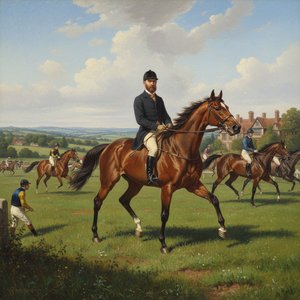
Horses at the Manger
 Realism
 59.0 x 89.0 cm
 Zobrazit více
Giclée / Umělecký tisk
Giclée nebo plátěný tisk muzeální kvality s rychlou výrobou a širokou nabídkou povrchových úprav. ( Koupit ručně malovaný obraz Přepnout na digitální obraz)




P118B Kč10

P118H Kč10

P118W Kč10

P438Z Kč10

P508JH Kč12

P508YH Kč12

P805H Kč10

P805Z Kč10

P919BZ Kč10

P919G Kč10

P919XJ Kč10

P959ZH Kč10

P968JZ Kč12

W106C Kč8

W218G Kč10

W218JH Kč8

W218Y Kč10

W307PJ Kč10

W316G Kč10

W316PJ Kč8

W316Y Kč10

W398PJ Kč8

W4111J Kč10

W500HY Kč15

W500JH Kč15

W692G Kč12

W849H Kč8

W940BG Kč15

W953PJ Kč8




Vyberte si z našich přednastavených velikostí, které odpovídají původním proporcím díla.

Zadejte šířku a výšku, které potřebujete pro váš rám nebo stěnu. Tisk lze pouze oříznout, nikdy však nelze zvětšit obraz nad jeho původní rozměr, proto při výběru jiného formátu dochází ke ztrátě části obrazu. Před samotným tiskem vám zašleme digitální náhled k schválení. Obraz zobrazený na této stránce nenabízí skutečný výřez — ten uvidíte pouze v náhledu.
Celosvětové doručení () do 2 týdnů namísto standardních 4/5 týdnů. (30 říjen)

Zdarma celosvětová expresní doprava

Vysoce kvalitní lněné plátno

Kompletní pojištění přepravy

Záruka vrácení celního poplatku

Záruka věrného barevného souladu

100dení lhůta pro vrácení zboží (pouze při vadách výroby)

100% záruka vrácení peněz

Sleva při více objednávkách
 Skleněná varianta je dostupná pouze u rozměrů menších než 110 cm

Horses at the Manger
Giclée / Umělecký tisk
Rozměry reprodukce
-


Celková cena za vybrané možnosti reprodukcí
Kč 1738
Biografie umělce
The Legacy of John Frederick Herring II: A Master of the Equestrian Spirit
In the grand tapestry of British art history, few names evoke the rhythmic pulse of the Victorian countryside as vividly as John Frederick Herring II. Born in 1820 in Chelmsford, Essex, Herring emerged not merely as a painter, but as a chronicler of an era defined by the elegance of the horse and the pastoral serenity of the English landscape. His artistic lineage is one of profound importance; he was the scion of a celebrated tradition, having been raised under the watchful eye and expert tutelage of his father, John Frederick Herring Sr. This early immersion in the nuances of equine anatomy and the dynamics of motion instilled in him a lifelong devotion to capturing the very essence of animal vitality—a passion that would eventually elevate him to the heights of nineteenth-century fame.
Herring’s development was marked by a seamless blend of inherited tradition and formal academic rigor. While his father provided the foundational language of the equestrian genre, Herring sought to expand this vocabulary through his studies at the Royal Academy in London. Here, he moved beyond simple documentation to embrace a more sophisticated approach to light, texture, and atmosphere. His work began to bridge the gap between the specialized niche of sporting art and the broader, more emotive realms of Romantic landscape painting. This evolution allowed him to present horses not just as subjects of athletic prowess, and racing, but as integral components of a living, breathing ecosystem.
The Art of Motion and the English Landscape
What truly distinguishes Herring’s oeuvre is his unparalleled ability to render the tension and grace of movement. Whether depicting the thundering hooves of a racehorse or the quiet, muscular repose of carriage horses in a courtyard, his canvases possess an unmistakable energy. In masterpieces such as “The Royal Mail Coach” (1841), one observes a masterful command over composition, where the drama of travel and social status is anchored by the meticulous realism of the animals and their surroundings. He did not merely paint horses; he painted the weight of their breath, the subtle sheen of their coats, and the way they interacted with the rugged textures of the English earth.
Beyond the spectacle of the hunt and the race, Herring found profound beauty in the quietude of rural life. His landscapes often served as a stage for the pastoral rhythms of the Victorian age, featuring:
- Serene Pastoral Scenes: Works like “Farmyard with Saddlebacks” utilize earthy tones and textured brushwork to evoke the rustic charm of agricultural existence.
- Naturalistic Studies: His ability to capture tranquil moments, such as in “Ducks and Ducklings,” demonstrates a sensitivity to the delicate balance of nature within lush, verdant meadows.
- Architectural Integration: His landscapes frequently incorporated churches and village structures, reflecting the era's deep-seated connection between the land, community, and spiritual morality.
Historical Significance and Enduring Influence
The significance of John Frederick Herring II extends far beyond the confines of sporting circles. During his lifetime, his work resonated with a wide spectrum of society, earning him prestigious commissions from figures as notable as Queen Victoria. This level of patronage underscores his role in defining the visual identity of the Victorian era—a period that sought to find beauty in both the industriousness of progress and the nostalgic stability of the countryside. His paintings acted as windows into a world where the boundaries between human endeavor and animal instinct were harmoniously intertwined.
As we look back upon his prolific career, which spanned until his death in 1907, we see an artist who successfully navigated the transition from the strictures of classical realism to the more emotive sensibilities of the late nineteenth century. His dedication to anatomical precision and atmospheric depth ensured that his work remained timeless. Today, Herring’s legacy lives on through his ability to freeze moments of profound vitality, offering modern viewers a poignant connection to the lost rhythms of a bygone British landscape.

John Frederick Herring Ii
1820 - 1907
Rychlé informace o umělci
- Artistic Movement Or Style: Romanticism
- Artists Or Movements Influenced By This Artist: ['Victorian Art Styles']
- Artists Who Influenced This Artist: ['John Frederick Herring Sr.']
- Date Of Birth: 1820
- Date Of Death: 1907
- Full Name: John Frederick Herring II
- Nationality: British
- Notable Artworks:
- The Royal Mail Coach on the Road
- Grey carriage horses in the coachyard at Putteridge Bury, Hertfordshire
- Farmyard Scene
- Place Of Birth: Cheltenham, Gloucestershire
Související články

Romantická krajina v malbě: 10 mistrovských děl, které definovaly umělecký proud | OriginalUniqueArt
Prozkoumejte 10 ikonických děl romantické krajinářské malby! Objevte příběhy Caspara Davida Friedricha, Turnera a dalších mistrů. Reprodukce obrazů nejvyšší kvality pro váš interiér na OriginalUniqueArt.com.

John Constable: 25 mistrovských děl krajinářské poezie | OriginalUniqueArt.com
Prozkoumejte 25 ikonických děl Johna Constabla, mistra anglického krajinářství a romantismu. Obdivujte jeho olejomalby, plátna s venkovskou atmosférou a inspirujte se pro dekoraci interiéru. Reprodukce obrazů nejvyšší kvality na OriginalUniqueArt.com

John Singer Sargent: 25 mistrovských děl a inspirace pro váš domov | OriginalUniqueArt.com
Objevte 25 ikonických děl Johna Singera Sargenta – portrétů, impresionistických krajin a elegantních kompozic. Prozkoumejte příběhy umění, techniky a inspiraci pro váš interiér s reprodukcemi nejvyšší kvality na OriginalUniqueArt.com

John Frederick Kensett: Luminosity, Landscape & the American Identity
Explore the luminous landscapes of John Frederick Kensett, a master of Luminism and key figure in the Hudson River School. Discover his serene paintings & enduring legacy with OriginalUniqueArt.
John Frederick Herring Sr.: Equestrian Mastery & the Rise of Sporting Art in Victorian England
Explore the life & work of John Frederick Herring Sr., a leading Victorian equestrian artist. Discover his masterpieces, patronage, techniques & investment potential. Expert insights for collectors.