

 Zobrazit v interiéru
 Odeslat
 Sdílet
 Podrobnosti
 Průvodce

 Stáhnout obrázek
 Podobné kousky
 Rentgenové snímky
 Slideshow
 Statistiky
Kimet


 Přečíst si více
Umělecké dílo zobrazené na této stránce je chráněno autorským zákonem, což znamená, že nemůžeme legálně vytvářet ani prodávat jeho identickou reprodukci. Tato ochrana je vymáhána na základě mezinárodních dohod, jako například Berberská úmluva a národními zákony, včetně těch stanovených v Americký autorský zákon – Díl 17. Všechna práva vyhrazena.
Tato metoda je plně v souladu s autorským právem, protože nezahrnuje kopírování ani duplikování chráněného díla. Jde o kreativní reinterpretaci – nový obraz, který je inspirován originálem, ale není s ním identický.
Giclée / Umělecký tisk
Giclée nebo plátěný tisk muzeální kvality s rychlou výrobou a širokou nabídkou povrchových úprav. ( Objednat ručně malovanou reprodukci Přepnout na digitální verzi obrazu)




P118B Kč10

P118H Kč10

P118W Kč10

P438Z Kč10

P508JH Kč12

P508YH Kč12

P805H Kč10

P805Z Kč10

P919BZ Kč10

P919G Kč10

P919XJ Kč10

P959ZH Kč10

P968JZ Kč12

W106C Kč8

W218G Kč10

W218JH Kč8

W218Y Kč10

W307PJ Kč10

W316G Kč10

W316PJ Kč8

W316Y Kč10

W398PJ Kč8

W4111J Kč10

W500HY Kč15

W500JH Kč15

W692G Kč12

W849H Kč8

W940BG Kč15

W953PJ Kč8




Vyberte si z našich přednastavených velikostí, které odpovídají původním proporcím díla.

Zadejte šířku a výšku, které potřebujete pro váš rám nebo stěnu. Tisk lze pouze oříznout, nikdy však nelze zvětšit obraz nad jeho původní rozměr, proto při výběru jiného formátu dochází ke ztrátě části obrazu. Před samotným tiskem vám zašleme digitální náhled k schválení. Obraz zobrazený na této stránce nenabízí skutečný výřez — ten uvidíte pouze v náhledu.
Celosvětové doručení () do 2 týdnů namísto standardních 4/5 týdnů. (22 říjen)

Zdarma celosvětová expresní doprava

Vysoce kvalitní lněné plátno

Úplné pojištění přepravy

Záruka vrácení celního poplatku

Záruka věrného barevného shodu

100dení lhůta pro vrácení zboží (pouze při vadách výroby)

100% garance vrácení peněz

Sleva při více objednávkách
 Skleněná varianta je dostupná pouze u rozměrů menších než 110 cm

Kimet
Giclée / Umělecký tisk
Velikost reprodukce
-


Celková cena
Kč 1713
A Window into Pennsylvania Impressionism
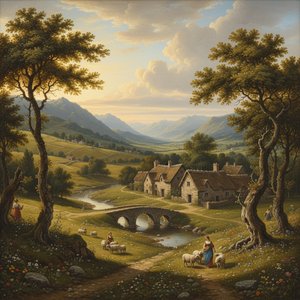
In the quiet, rolling landscapes of the Lehigh Valley, there exists a profound sense of stillness that John Emil Berninger captured with unparalleled mastery in his 1981 work, Kimet. As a prominent figure within the Pennsylvania Impressionist movement, Berninger possessed the rare ability to translate the rugged beauty of his native Allentown into a visual poem of light and earth. This particular piece serves as a breathtaking testament to a lifetime spent observing the subtle shifts of the American countryside. The painting invites the viewer into a serene rural settlement, where the architecture of human habitation meets the soft, undulating rhythm of the natural world. It is not merely a depiction of buildings and hills, but an evocative journey into a bygone era of pastoral tranquility.
The composition of Kimet is a masterclass in balance and visual flow. Berninger utilizes a sophisticated arrangement of leading lines—formed by winding roads and the receding edges of structures—to guide the eye through the heart of the scene toward the distant, hazy hills. The central building acts as an anchor, a focal point around which the smaller structures and organic landscape elements orbit in perfect harmony. Through this deliberate structural design, the artist creates a palpable sense of depth, making the canvas feel less like a flat surface and more like a window into a sprawling, breathing environment. For the collector or interior designer, this balanced composition offers a grounding presence, capable of anchoring a room with its steady, rhythmic grace.
Technically, the painting is a triumph of layered oil application and impressionistic texture. Berninger eschews clinical precision in favor of a more emotive, tactile approach, using visible brushstrokes to build a rich topography on the canvas. The color palette is a warm embrace of earth tones; deep reds, sun-drenched yellows, and rich browns dominate the foreground, providing a sense of warmth and stability. These are artfully contrasted by the cooler blues and soft whites of an overcast sky, which bathes the entire landscape in a diffused, gentle light. This interplay of temperature and texture creates a luminous quality, where the light seems to emanate from within the paint itself, capturing the fleeting atmosphere of a quiet afternoon.
Beyond its aesthetic brilliance, Kimet resonates with deep emotional and symbolic weight. It embodies the spirit of rural life—a celebration of permanence, peace, and the enduring connection between man and land. The soft, diffused lighting suggests a moment of pause, an invitation to reflect on the simplicity and beauty of the natural cycle. For those seeking to adorn a space with art that inspires contemplation, this reproduction offers more than just decoration; it provides a soulful connection to the heritage of American landscape painting. It is a piece that speaks of home, of history, and of the timeless allure of the quiet countryside.
Otázky a odpovědi
O čem je dílo "Kimet"?
Motivy díla „Kimet“ jsou rural landscape, pennsylvania scene, cloudy weather, village setting, rolling hills, american art, impressionist style.
Je dílo "Kimet" typické pro to, co John Emil Berninger obvykle vytvářel/a?
Mezi zaznamenaná témata umělce John Emil Berninger – tedy pennsylvania impressionism, local allentown community, art museum curator role, regional landscape focus, early 20th century art, artist's regional identity, community arts patronage, documenting rural life – přináší dílo „Kimet“ specifický zaměření na rural landscape, pennsylvania scene, cloudy weather, village setting, rolling hills, american art, impressionist style.
Jakou saturaci barev má „Kimet“ od John Emil Berninger?
Paleta díla "Kimet" má v nasycení hodnotu Balanced Soft.
Biografie umělce
John Emil Berninger: A Pennsylvania Impressionist
- Born: December 13, 1896, Allentown, Pennsylvania
- Died: July 16, 1981, Allentown, Pennsylvania
- Nationality: American
- Movement: Pennsylvania Impressionism
- Known for: Landscape painting, snow scenes, depictions of the Lehigh Valley
Early Life and Education
- Berninger was born into a family that valued art and culture in Allentown.
- He began painting in oil from his early teens.
- Significant influences included Orlando Gray Wales and Arlington Nelson Lindenmuth.
- A pivotal moment was attending Walter Emerson Baum's first class in Allentown during the summer of 1926, marking a key development in his artistic style. Baum’s influence is considered central to Berninger’s work.
Artistic Development and Career
- Kline-Baum Art School: In 1932, Berninger became an art instructor at the Kline-Baum Art School, sharing his knowledge and inspiring students.
- Circulating Picture Club: He was recognized in 1934 when he was among four Baum students accepted into the Circulating Picture Club of the Philadelphia Art Alliance – a significant achievement for any artist.
- Allentown Art Museum Curator: From 1936 to 1956, Berninger served as the first curator of the Allentown Art Museum, founded by Walter Emerson Baum. He lived on the museum's second floor with his wife, Mabel, during this time. Mabel assisted him in his curatorial duties and also supported the Kline-Baum School’s Circulating Picture Club.
- Wuchter and Berninger: In 1939, he became a partner in the jewelry store Wuchter and Berninger, using the shop window to showcase his paintings. This exposure led to connections with figures like Robert Rodale, who championed his work.
Style and Notable Works
- Pennsylvania Impressionism: Berninger’s style is firmly rooted in Pennsylvania Impressionism, blending realist techniques with impressionistic color and light. He was considered part of the "outer ring" of the New Hope School.
- Subject Matter: His paintings primarily focused on landscapes of the Lehigh Valley and surrounding areas, often depicting rolling hills, forests, waterways, and winter scenes (snowscapes).
- Technique: Berninger employed bold colors and loose brushstrokes to capture the essence of his subjects.
- Notable Works: Kimet is a well-known example showcasing a balanced composition with warm tones and textured brushwork. Other notable works include depictions of Meyers Bridge in Allentown and various winter scenes.
Legacy and Historical Significance
- Berninger’s work contributes to the rich tradition of Pennsylvania Impressionism, documenting the beauty of the region's landscapes.
- His role as curator of the Allentown Art Museum was instrumental in establishing a cultural institution for the city.
- He is remembered as an influential art instructor and a dedicated advocate for the arts in the Lehigh Valley.
- Berninger’s paintings continue to be appreciated for their vibrant colors, evocative depictions of nature, and representation of Pennsylvania's artistic heritage.

John Emil Berninger
1896 - 1981 , United States of America
Rychlé informace
- Artistic Movement Or Style: Pennsylvania Impressionism
- Artists Who Influenced This Artist:
- Orlando Gray Wales
- Arlington Nelson Lindenmuth
- Walter Emerson Baum
- Full Name: John Emil Berninger
- Nationality: American
- Notable Artworks:
- Kimet
- Winter on the Monocacy
- Looking at the Quarries
- Place Of Birth: Allentown, United States of America
- Date Of Birth: 1896
- Date Of Death: 1981
Související články

John Singer Sargent: 25 mistrovských děl a inspirace pro váš domov | OriginalUniqueArt.com
Objevte 25 ikonických děl Johna Singera Sargenta – portrétů, impresionistických krajin a elegantních kompozic. Prozkoumejte příběhy umění, techniky a inspiraci pro váš interiér s reprodukcemi nejvyšší kvality na OriginalUniqueArt.com

Cultivating Visions: A Historical Journey Through Rural Landscapes in Art
Explore the rich history of rural landscape painting with OriginalUniqueArt. Discover Impressionist masterpieces, key artists & movements. Find your perfect serene artwork and bring nature's beauty home.

Romantická krajina v malbě: 10 mistrovských děl, které definovaly umělecký proud | OriginalUniqueArt
Prozkoumejte 10 ikonických děl romantické krajinářské malby! Objevte příběhy Caspara Davida Friedricha, Turnera a dalších mistrů. Reprodukce obrazů nejvyšší kvality pro váš interiér na OriginalUniqueArt.com.
Evoking Arcadia: A Historical & Aesthetic Exploration of Rural Landscape Art
Explore the rich history of pastoral landscape art, from classical Arcadia to Impressionism & beyond. Discover key artists, movements, and how to collect serene rural scenes for your home. Expert insights at OriginalUniqueArt.

John Constable: 25 mistrovských děl krajinářské poezie | OriginalUniqueArt.com
Prozkoumejte 25 ikonických děl Johna Constabla, mistra anglického krajinářství a romantismu. Obdivujte jeho olejomalby, plátna s venkovskou atmosférou a inspirujte se pro dekoraci interiéru. Reprodukce obrazů nejvyšší kvality na OriginalUniqueArt.com