
 Náhled
 Sdílet
 Sdílet
 Podrobnosti o díle

 Stáhnout
 Podobné položky
 Rentgenové snímky
 Slideshow
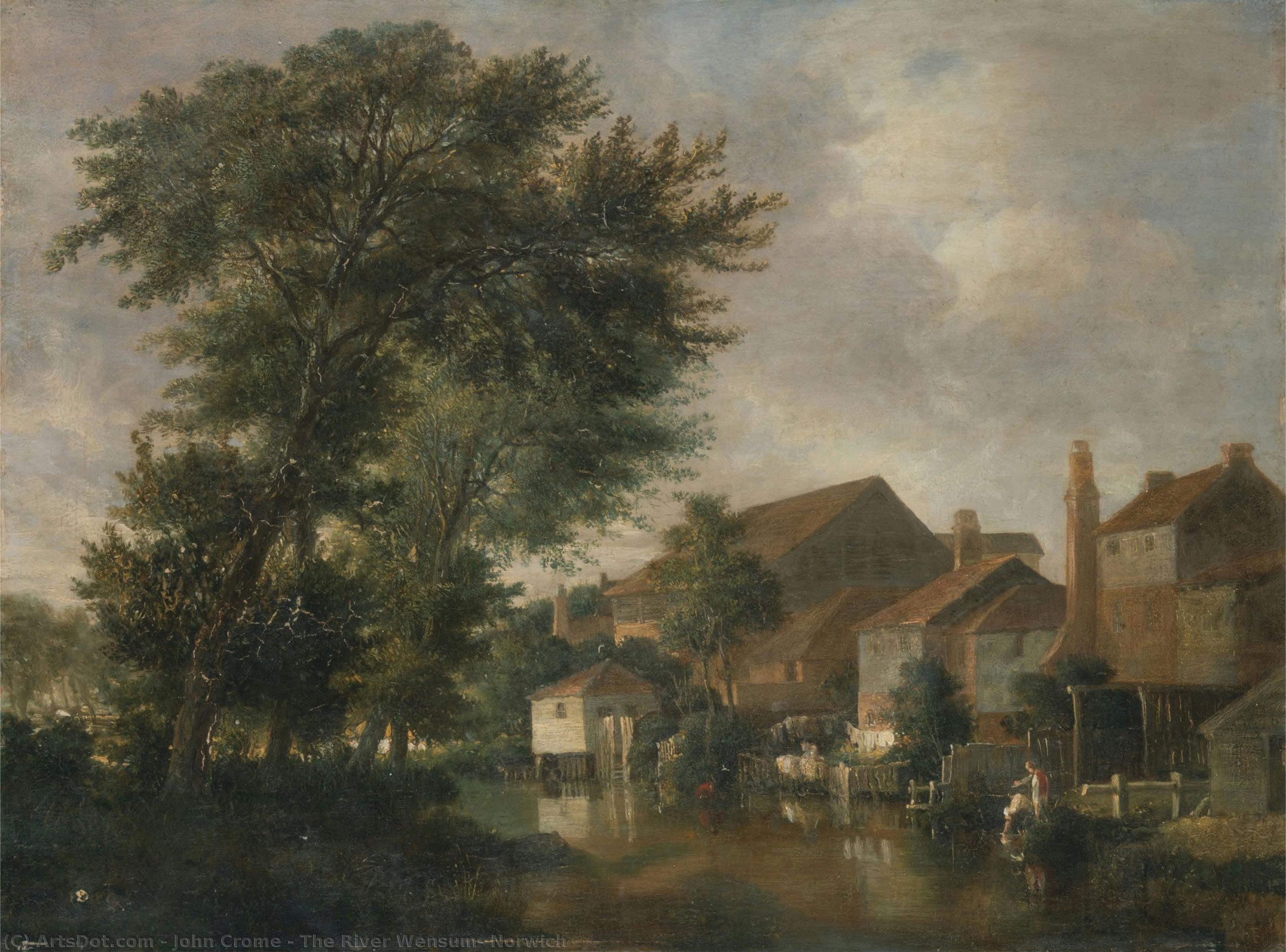
The River Wensum, Norwich
 Oil
Oil- WallArt
- Norwich School of Painters
 1814
1814- 19th Century
 73.0 x 105.0 cm
 Yale Center for British Art
 Zobrazit více
Ručně malovaná olejová reprodukce
Ručně malovaná olejná barva na plátně ve vašem zvoleném rozměru i s rámem, vyrobená našimi umělci na zakázku. ( Koupit tisk Koupit obrázek)




P118B $10

P118H $10

P118W $10

P438Z $10

P508JH $12

P508YH $12

P805H $10

P805Z $10

P919BZ $10

P919G $10

P919XJ $10

P959ZH $10

P968JZ $12

W106C $8

W218G $10

W218JH $8

W218Y $10

W307PJ $10

W316G $10

W316PJ $8

W316Y $10

W398PJ $8

W4111J $10

W500HY $15

W500JH $15

W692G $12

W849H $8

W940BG $15

W953PJ $8




Vyberte si z našich přednastavených velikostí, které odpovídají původním proporcím díla.

Můžete zadat vlastní rozměry pro konkrétní rám nebo prostor. Pokud se vámi vybraná velikost neshoduje s proporcemi původního obrazu, dílo buď ořízneme, nebo jej doplníme ručně malovanými prvky. Před zahájením výroby vám bude zaslán digitální náhled ke schválení.
Upozorňujeme, že náhled na obrazovce neodpovídá skutečnému ořezu ani rozšíření. Pouze digitální náhled přesně zobrazí finální kompozici.
Ačkoliv je možné zvolit vlastní velikost, pro zachování původních proporcí doporučujeme vybrat rozměr z předdefinovaného seznamu.
Po přijetí objednávky vám tým OriginalUniqueArt.com zašle e-mail s pokyny a poskytne náhledovou verzi.
Celosvětová doprava () za 3–4 týdny namísto standardních 5 týdnů. (20 srpen). Bez kompromisů v kvalitě.

Zdarma celosvětová expresní doprava

Vysoce kvalitní lněné plátno

Kompletní přepravní pojištění

Záruka vrácení celního poplatku

Záruka přesného barevného shodu

60denní lhůta pro vrácení zboží (pouze při vadách výroby)

100% garance vrácení peněz

Sleva při hromadné objednávce
 Skleněná varianta je dostupná pouze u rozměrů menších než 110 cm

The River Wensum, Norwich
Technika reprodukce
Rozměry reprodukce
-


Celková cena za výběr
$ 300
Popis díla
A Serene Vision of East Anglian Splendor
In the quietude of 1814, John Crome captured a moment of profound tranquility in his masterpiece, The River Wensum, Norwich. This evocative landscape serves as more than just a depiction of a waterway; it is a window into the soul of the Norfolk countryside during the height of the Norwich School's influence. As the eye wanders across the canvas, one is immediately struck by the majestic presence of a sprawling tree, its branches reaching across the composition like protective arms over the landscape. This central natural element anchors the scene, creating a sense of structural harmony that balances the gentle movement of the river below. The water itself reflects the soft, atmospheric light characteristic of Crome’s mastery, inviting the viewer to step into a world where time seems to slow, and the bustle of urban life is replaced by the rhythmic flow of nature.
The composition is masterfully layered with life, weaving together the pastoral and the human. Along the riverbanks, small figures are scattered throughout the scene—some gathered near the water's edge, others drifting in the distance—adding a sense of scale and narrative depth to the landscape. A lone horse rests on the right, a subtle nod to the agrarian rhythms of the era, while a solitary boat glides down the Wensum, its presence suggesting the quiet commerce and leisure that defined life along this historic route. Through these delicate details, Crome achieves a sense of "lived-in" beauty, where every element contributes to an idyllic atmosphere of peace and communal harmony.
Technique and the Legacy of the Norwich School
Crome’s technical prowess is evident in his ability to manipulate light and texture to evoke a specific mood. Influenced by the Dutch Golden Age masters, he utilized a sophisticated palette of earthy tones, deep greens, and luminous highlights to create an atmospheric depth that feels almost tactile. His brushwork, while controlled, possesses a vitality that breathes life into the foliage and the shimmering surface of the river. This technique allows the viewer to experience the humidity of the air and the coolness of the shade, making the painting a sensory experience rather than a mere visual one.
For collectors and interior designers alike, this work offers an unparalleled opportunity to introduce a sense of historical prestige and organic warmth into a space. The painting’s ability to harmonize with both classical and contemporary decor makes it a versatile centerpiece for any curated collection. As a high-quality reproduction, it brings the timeless charm of the British landscape into the modern home, offering a focal point that inspires contemplation and provides a soothing escape from the complexities of modern life. To possess such a piece is to hold a fragment of English heritage, celebrating the enduring beauty of the natural world as seen through the eyes of one of Britain's most beloved landscape pioneers.
Biografie umělce
John Crome (1768–1821): Norfolk Son, Pioneer of Romantic Landscape
John Crome, affectionately known as “Old Crome” to distinguish him from his artist son, stands as a pivotal figure in British art history—a founder and leading light of the celebrated Norwich School. Born in Norwich, United Kingdom (1768), Crome’s journey was one of remarkable self-education and dedication, rising from humble beginnings to become a respected landscape painter who captured the very essence of his beloved East Anglian countryside. His father, a weaver, instilled a strong work ethic, but it was an apprenticeship with house, coach, and sign painter Francis Whisler that first nurtured Crome’s artistic inclinations, providing him with foundational skills in design and color. This practical training proved invaluable as he began to explore his passion for depicting the natural world around him. A formative friendship with Robert Ladbrooke, a fellow aspiring artist, further fueled his development; together they sketched en plein air, honing their observational abilities and sharing a burgeoning enthusiasm for art.Early Influences and Artistic Training
Crome’s artistic education began modestly, yet it proved profoundly influential. His apprenticeship under Whisler instilled discipline and technical proficiency—skills that would serve him well throughout his career. Crucially, he encountered Thomas Harvey of Old Catton, whose expansive art collection exposed him to the masterpieces of Gainsborough and Hobbema. These artists became models for composition, light, and atmosphere, shaping Crome’s artistic sensibilities from an early age. Furthermore, Sir William Beechey and John Opie offered invaluable guidance within the broader artistic community, cementing his connection to established traditions and fostering a collaborative spirit. It was this confluence of influences that laid the groundwork for Crome's distinctive style—a style characterized by meticulous detail and a palpable sense of place.The Birth of the Norwich School
In 1803, John Crome achieved artistic renown by co-founding the Norwich Society of Artists with Robert Ladbrooke. This bold initiative marked the formal commencement of the Norwich School—a groundbreaking movement that championed direct observation of nature and sought to portray the Norfolk landscape in a manner radically different from prevailing trends originating in London. Rejecting academic conventions, the Norwich School artists prioritized capturing the immediacy of experience, prioritizing tonal harmonies and atmospheric perspective. Crome’s leadership within the society solidified his position as a visionary innovator—a figure who recognized the potential for artistic expression rooted in authentic engagement with one's surroundings. He wasn’t merely painting landscapes; he was conveying a profound appreciation for the beauty and character of Norfolk.A Painter's Vision: Style and Technique
Crome’s artistic style is instantly recognizable—marked by loose brushwork, subtle gradations of tone, and an unwavering commitment to capturing the nuances of light and color. He meticulously studied plant life, accurately depicting tree species with unprecedented precision—a testament to his keen botanical eye and dedication to scientific observation. Unlike many of his contemporaries who relied on idealized representations, Crome embraced imperfection, allowing for textural variations and atmospheric haze that conveyed a sense of realism. His canvases pulsate with vitality, reflecting the dynamism of Norfolk’s seasons and conveying an emotional resonance that transcends mere visual depiction. He skillfully employed watercolor and oil mediums, blending them harmoniously to achieve breathtaking effects—a testament to his mastery of technique and artistic vision.Legacy and Enduring Influence
John Crome's contribution extended far beyond his prolific output of paintings. The Norwich School he spearheaded fostered a distinct regional artistic identity, nurturing generations of painters who followed in his footsteps. Despite initial skepticism from the London art establishment—a reaction fueled by stylistic differences—Crome gained national recognition through thirteen exhibitions at the Royal Academy between 1806 and 1818. His etchings, though unpublished during his lifetime, revealed another facet of his talent—demonstrating a versatility that cemented his place as one of Britain’s most celebrated landscape artists. A posthumous exhibition showcasing over 100 of his works underscored the esteem in which he was held by his peers and solidified his enduring legacy. Today, Crome's paintings continue to inspire admiration for their quiet beauty, evocative atmosphere, and unwavering connection to the heart of Norfolk—a testament to a life dedicated to artistic excellence and a profound appreciation for the natural world.
John Crome
1768 - 1821 , Spojené království
Rychlé fakta
- Artistic Movement Or Style: Norwich School
- Artists Or Movements Influenced By This Artist: ['Dutch Masters']
- Artists Who Influenced This Artist:
- Hobbema
- Wilson
- Date Of Birth: 1768
- Date Of Death: 1821
- Full Name: John Crome
- Nationality: Anglický
- Notable Artworks:
- Lime Kiln
- Grove Scene
- Mousehold Heath
- Place Of Birth: Norwich, UK
Související články

John Constable: 25 mistrovských děl krajinářské poezie | OriginalUniqueArt.com
Prozkoumejte 25 ikonických děl Johna Constabla, mistra anglického krajinářství a romantismu. Obdivujte jeho olejomalby, plátna s venkovskou atmosférou a inspirujte se pro dekoraci interiéru. Reprodukce obrazů nejvyšší kvality na OriginalUniqueArt.com
Top 10 krajin v umění: Mistrovská díla a inspirace pro váš domov
Objevte 10 nejúchvatnějších krajin v umění od Turnerů po Van Gogha! Ponořte se do příběhů mistrů a inspirujte se pro svůj interiér. Reprodukce obrazů nejvyšší kvality na OriginalUniqueArt.com – pro milovníky umění a dokonalý dekor.
Top 10 mistrovských děl Hudson River School: Krajina jako umělecký odkaz
Prozkoumejte 10 ikonických děl Hudson River School – Cole, Church, Bierstadt a další. Objevte romantismus v americké krajinomalbě a inspirujte se pro luxusní dekorace s OriginalUniqueArt.com!

John Singer Sargent: 25 mistrovských děl a inspirace pro váš domov | OriginalUniqueArt.com
Objevte 25 ikonických děl Johna Singera Sargenta – portrétů, impresionistických krajin a elegantních kompozic. Prozkoumejte příběhy umění, techniky a inspiraci pro váš interiér s reprodukcemi nejvyšší kvality na OriginalUniqueArt.com

The Sublime Landscape: Exploring the Hudson River School Movement
Explore the captivating world of the Hudson River School! Discover the history, artists, and defining characteristics of this iconic American art movement. Learn about Romanticism's influence & find inspiration for your collection.


