Přepnout na tisk
 Zobrazit více







































 U děl nebo reprodukcí, u nichž je jakákoliv strana větší než 105 cm (přibližně 41 palců), bude rám dodán jako sestava v rozloženém stavu. Tato metoda zajišťuje bezpečné doručení a chrání dílo před poškozením během přepravy.


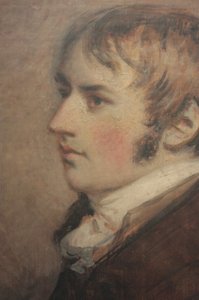
A Portrait of Quiet Strength: Exploring John Constable’s “Mrs Tudor”
John Constable's "Mrs Tudor," painted in 1818, transcends mere depiction; it embodies the Romantic spirit’s fascination with capturing the essence of human emotion within the grandeur of the English countryside. This portrait isn’t simply a likeness of a woman—it’s an invitation into a moment frozen in time, illuminated by Constable's masterful use of light and imbued with subtle psychological depth.
- Subject Matter: The painting portrays a woman seated indoors against a plain wall. Her gaze is direct, unwavering, conveying a sense of composure mingled with seriousness – qualities that resonate deeply within the Romantic aesthetic’s preoccupation with inner life and moral contemplation.
- Style & Technique: Constable's signature style—characterized by tonal impressionism—dominates “Mrs Tudor.” He eschews meticulous detail in favor of capturing the atmospheric conditions, prioritizing the interplay of light and shadow to convey mood and emotion. The muted palette contributes to this effect, emphasizing texture and creating a palpable sense of stillness.
- Historical Context: Painted during Constable’s formative years, “Mrs Tudor” reflects the burgeoning interest in psychological realism within Romantic art. Influenced by artists like Claude Lorrain, Constable sought to elevate landscape painting beyond mere topographical representation, aiming instead for an expressive portrayal of human experience against a natural backdrop.
- Symbolism: The woman’s posture and gaze invite interpretation as symbols of dignity, resilience, and perhaps even unspoken contemplation. Her stillness speaks volumes about inner fortitude—a characteristic valued during the Victorian era and powerfully conveyed by Constable's artistic vision.
The Painter’s Vision: Constable’s Embrace of Tonal Impressionism
Constable’s revolutionary approach to landscape painting wasn’t merely accidental; it stemmed from a profound conviction that art should strive to capture not just what is seen but how it feels. He meticulously studied the effects of light on surfaces—particularly on water and stone—developing techniques that would become hallmarks of his oeuvre. Unlike earlier artists who prioritized accurate color rendition, Constable prioritized tonal gradation, layering shades of gray and brown to create a luminous atmosphere that mirrored the subtleties of natural illumination.
A Window into Victorian Domestic Life
“Mrs Tudor” offers a glimpse into the domestic interiors of the early 19th century—a period marked by social conservatism and an idealized vision of rural virtue. The woman’s attire, featuring lace trim, speaks to the prevailing fashions of the time, reflecting both elegance and restraint. Yet, beyond the surface ornamentation lies a deeper exploration of human character—Constable's ability to convey emotion through subtle gestures and expressions is remarkable.
Legacy & Influence: Constable’s Enduring Impact on Landscape Art
John Constable’s influence extended far beyond his own lifetime. He established a new standard for landscape painting, inspiring generations of artists who followed him. His unwavering commitment to capturing the emotional resonance of nature cemented his place as one of Britain's greatest Romantic painters—a figure whose work continues to captivate audiences today.
Otázky a odpovědi
Je dílo "Mrs Tudor" k dispozici jako umělecká tisknutá reprodukce?
Tisk díla „Mrs Tudor“ od John Constable si můžete objednat přímo na jeho stránce Kvalitní umělecký tisk: umělecký tisk na bavlněném plátně nebo archivním plátnovém papíře.
Do které období tvorby John Constable patří dílo „Mrs Tudor“?
V rámci kariéry umělce John Constable spadá dílo „Mrs Tudor“ do období Mature Period. Tato fáze umožňuje jeho srovnání s dalšími díly tohoto umělce.
Kdy a z jakých materiálů bylo dílo "Mrs Tudor" vytvořeno?
Dílo "Mrs Tudor" vzniklo v roce 1818 za použití techniky Acrylic On Canvas.
 Náhled v interiéru
 Sdílet
 Sdílet
 Podrobnosti o díle
 Průvodce

 Stáhnout
 Podobné položky
 Rentgenové snímky
 Slideshow
 Otázky a odpovědi
 Statistiky