Romantic Landscape Painting · 1813
East Bergholt (John Constable, 1813)
John Constable (1776–1837) vytvořil dílo East Bergholt. Pochází z roku 1813. Patří k hnutí Romantic Landscape Painting. Je vyrobeno z Acrylic On Canvas. Nachází se v Yale Center for British Art v New Haven, Spojené státy americké.
- 1813
- Acrylic On Canvas
- Yale Center for British Art, New Haven

 Náhled v interiéru

 Ručně malovaná olejná reprodukce
 Sdílet
 Sdílet
 Informační list


 Stáhnout
 Podobné položky
 Rentgenové snímky
 Slideshow
 Otázky a odpovědi

 Statistiky
East Bergholt v kostce
- Název díla
- East Bergholt
- Autor
- John Constable (1776–1837)
- Rok narození umělce
- East Bergholt, Spojené království
- Datum vytvoření
- 1813
- Technika
- Acrylic On Canvas
- Kde jej vidět
- Yale Center for British Art, New Haven, Spojené státy americké
- Motiv
- suffolk countryside, rural england, constable, landscape, pastoral, light and shadow
Co przedstawuje dílo East Bergholt?
A Breath of Suffolk: John Constable’s ‘East Bergholt’
John Constable's “East Bergholt,” painted in 1813, isn’t simply a depiction of a rural English landscape; it’s a profound meditation on light, atmosphere, and the very essence of place. Born in East Bergholt itself – a fact that imbued his work with an unparalleled intimacy – Constable captured not just what he saw, but how he *felt* about the world around him. The painting unfolds as a quiet drama, a tableau vivant of everyday life set against the backdrop of Dedham Vale, the valley that would become inextricably linked to his artistic legacy. The muted palette, dominated by shades of grey and green, immediately establishes a mood of contemplative melancholy – a subtle tension between beauty and something almost melancholic. This isn’t a vibrant celebration of pastoral bliss; rather, it's an exploration of the land’s inherent complexity, its capacity for both serenity and shadowed introspection.
The Language of Light: Constable’s Revolutionary Technique
Constable was a revolutionary figure in landscape painting. He rejected the idealized, polished surfaces favored by his predecessors, opting instead for a technique that prioritized direct observation and the fleeting effects of light. “East Bergholt” exemplifies this perfectly. Notice how he employs broken brushstrokes – tiny, almost hesitant marks – to build up layers of color and texture. This method, known as ‘optical mixing,’ allowed him to capture the subtle shifts in illumination across the fields and trees with astonishing accuracy. The sky isn’t a uniform blue; it's a complex interplay of greys, whites, and hints of purple, reflecting the diffused light of an overcast day. He meticulously rendered the way sunlight filters through the branches, creating dappled patterns on the grass – a technique that would later become central to his style. This commitment to capturing the *truth* of natural light was groundbreaking and profoundly influenced generations of artists.
Figures Within the Landscape: Symbolism and Human Connection
The inclusion of figures within the vast landscape is crucial to understanding the painting’s deeper meaning. These aren't merely decorative elements; they are integral to Constable’s exploration of humanity’s relationship with nature. The group gathered in the field, engaged in some unspecified activity – perhaps farming or simply enjoying a moment together – represents a connection to the land and its rhythms. They are small, almost anonymous, yet their presence anchors the scene, reminding us that this is not just an abstract representation of nature but a lived experience. The horse grazing peacefully suggests a harmony between man and beast, further reinforcing the theme of rural life and its inherent beauty. The placement of these figures subtly directs our gaze across the landscape, inviting us to contemplate the relationship between human activity and the natural world.
A Window into a Time: Historical Context and Constable’s Vision
“East Bergholt” was painted during a period of significant social and artistic change in England. The early 19th century witnessed a growing interest in the English countryside, fueled by Romanticism's emphasis on emotion, imagination, and the sublime. Constable’s work aligns perfectly with this movement, capturing not just the physical beauty of the landscape but also its emotional resonance. He was deeply influenced by Claude Lorrain, whose idealized landscapes provided a foundation for his own explorations. However, Constable moved beyond Lorrain's static perfection, imbuing his paintings with a sense of immediacy and psychological depth. “East Bergholt” is more than just a record of a place; it’s a testament to Constable’s unique vision – a vision rooted in the soil of East Bergholt and imbued with a profound understanding of the English landscape.
OriginalUniqueArt offers exquisite, hand-painted reproductions of “East Bergholt,” allowing you to bring this iconic work into your home or office. Each reproduction is created using traditional techniques and archival quality materials, ensuring that it will retain its beauty and vibrancy for generations to come. Explore our collection today and experience the magic of Constable’s Suffolk.
Ve kterém muzeu se nachází East Bergholt?
Yale Center for British Art
New Haven, Spojené státy americké
Historie Yale Center for British Art Založeno v roce 1966, Yale Center for British Art zaujímá významné místo v srdci New Haven v Konnektikutě, ve Spojených státech amerických. Tento významný ústav vznikl díky daru neobvyklé sbírky, kterou zgromadili Paul Mellon. Tento základní kámen zásadně proměnil mapu studií britského umění v celém regionu a poskytl trvalý domov dílům, které sledují evoluci vizuální identity národa.


Vysokorozlišené fotografie díla East Bergholt

John Constable, East Bergholt (1813), Yale Center for British Art. Veřejná doména
Odpovědi na otázky k dílu East Bergholt
Kde je dnes možné vidět dílo „East Bergholt“ od John Constable?
Dílo „East Bergholt“ od John Constable je vystaveno v instituci Yale Center for British Art, New Haven, Spojené státy americké. Uvedené muzeum se vztahuje k originálu, nikoliv k reprodukcím.
V jakém roce vzniklo dílo "East Bergholt"?
Dílo „East Bergholt“ od John Constable vzniklo v roce 1813.
Jakou technikou je vytvořeno dílo "East Bergholt"?
John Constable pro dílo „East Bergholt“ použil/a techniku Acrylic On Canvas. Tato technika definuje materiální podstatu originálního díla.
Co zachycuje dílo "East Bergholt"?
Motivy díla „East Bergholt“ jsou suffolk countryside, rural england, constable, landscape, pastoral, light and shadow, figures.
Lze obraz díla „East Bergholt“ od John Constable volně reprodukovat?
Stav autorských práv pro dílo „East Bergholt“ od John Constable: toto dílo spadá do v rámci volného užití – autorská práva vypršela. To určuje, zda lze volně vytvářet reprodukce tohoto obrazu.
Kdo vytvořil "East Bergholt"?
Autorem díla „East Bergholt“ je John Constable. Práce je v katalogu uvedena pod jménem John Constable.
K kterému uměleckému směru patří „East Bergholt“ od John Constable?
Dílo „East Bergholt“ od John Constable patří k období směru Romantic Landscape Painting, který dílu dodává jeho stylistický kontext.
Do které období tvorby John Constable patří dílo „East Bergholt“?
Dílo „East Bergholt“ pochází z období Mature Period v tvorbě umělce John Constable. Tato klasifikace dílo zasazuje do kontextu vývoje jeho tvůrčí dráhy.
Kolik let bylo John Constable, když v roce 1813 vytvořil(a) dílo „East Bergholt“?
John Constable bylo 37 let, když v roce 1813 vytvořilo dílo „East Bergholt“. Věk je vypočítán z roku narození umělce, 1776.
O umělci, John Constable
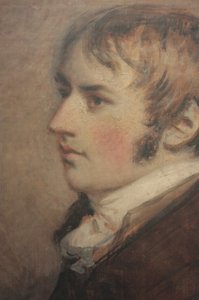
1776–1837, Spojené království
John Constable
Raný život, rodina a vzdělání John Constable se narodil v roce 1776 ve vesnici East Bergholt v hrabství Suffolk. Byl druhým synem Goldinga a Anny (Watts) Constableových. Jeho otec byl prosperujícím obchodníkem s oběží a uhlím, který vlastnil Flatford Mill. Tato blízkost k řece a místnímu obchodu znamenala, že rytmus vody a pohyb zboží byly nedílnou součástí každodenního života jeho domácnosti.
Také od autora John Constable
 Lesní cestou1821
 Výhled na katedrálu Salisbury z biskupových náleží1823
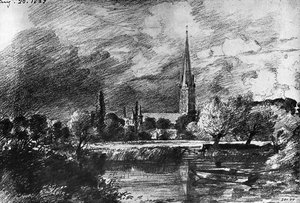 Salisbury katedrála
 Voz s senem (detail)1821

Eseje k tématu East Bergholt
 The Language of Brushstrokes: How Texture and Technique Reveal the Soul of ArtDiscover the profound connection between texture and emotion in Impressionist art. Explore how masterful brushstrokes by Renoir and Monet c…
 25 Must-See Masterpieces at the Yale Center for British ArtExplore 25 iconic British masterpieces from Turner to Hogarth. Discover museum-quality art at OriginalUniqueArt.com.
 Mastering the English Landscape: The Top 25 Artworks by John ConstableImmerse yourself in the soul of the English countryside with our curated guide to John Constable's top 25 masterpieces. Explore the emotive…