

 Náhled
 Sdílet
 Sdílet
 Podrobnosti o díle

 Stáhnout
 Podobné položky
 Rentgenové snímky
 Slideshow
Slapend meisje
 Olej na plátně
- Obrazová tvorba na stěnu
- Dutch Golden Age
 1657
1657- – Raná modernita
 Metropolitní muzeum umění
 Zobrazit více
Giclée / Umělecký tisk
Giclée nebo plátěný tisk muzeální kvality s rychlou výrobou a flexibilními možnostmi povrchové úpravy. ( Koupit ručně malovaný obraz Koupit obrázek)




P118B $10

P118H $10

P118W $10

P438Z $10

P508JH $12

P508YH $12

P805H $10

P805Z $10

P919BZ $10

P919G $10

P919XJ $10

P959ZH $10

P968JZ $12

W106C $8

W218G $10

W218JH $8

W218Y $10

W307PJ $10

W316G $10

W316PJ $8

W316Y $10

W398PJ $8

W4111J $10

W500HY $15

W500JH $15

W692G $12

W849H $8

W940BG $15

W953PJ $8




Vyberte si z našich přednastavených velikostí, které odpovídají původním proporcím díla.

Můžete zadat vlastní rozměry tak, aby výtvor odpovídal konkrétnímu rámu nebo prostoru. Pokud zvolená velikost nebude odpovídat poměru stran původního obrazu, dílo buď ořížeme, nebo obraz rozšíříme pomocí zrcadlového efektu či jednobarevného okraje. Před zahájením výroby vám bude zaslán digitální náhled k schválení.
Mějte prosím na paměti, že náhled na obrazovce neodráží skutečné oříznutí nebo rozšíření. Pouze digitální náhled přesně zobrazí finální kompozici.
Ačkoliv jsou k dispozici i vlastní rozměry, pro zachování původních proporcí doporučujeme vybrat si rozměr z předdefinovaného seznamu.
Celosvětové doručení () do 2 týdnů namísto standardních 4/5 týdnů. (27 srpen)

Zdarma celosvětová expresní doprava

Vysoce kvalitní lněné plátno

Kompletní přepravní pojištění

Záruka vrácení celního poplatku

Záruka přesného barevného shodu

60denní lhůta pro vrácení zboží (pouze při vadách výroby)

100% garance vrácení peněz

Sleva při hromadné objednávce
 Skleněná varianta je dostupná pouze u rozměrů menších než 110 cm

Slapend meisje
Giclée / Umělecký tisk
Rozměry reprodukce
-


Celková cena za výběr
$ 80
Popis sběratelského kousku
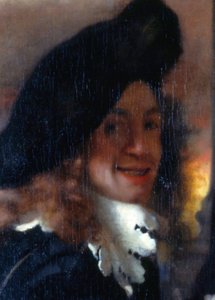
A Moment of Quiet Introspection: Exploring Vermeer’s ‘A Woman Asleep at Table (detail)’
Johannes Vermeer, a name synonymous with the quiet intimacy of 17th-century Dutch life, remains an enigma despite centuries of scholarship. Born in Delft in October 1632, his existence unfolded against the backdrop of the Dutch Golden Age—a period of unprecedented prosperity, artistic innovation, and burgeoning civic pride. His father, Reijnier Janszoon, was a silk weaver and art dealer, a combination that subtly shaped young Johannes’s path. Exposure to both the tactile world of craftsmanship and the discerning eye of the art market instilled in him an understanding of materials, composition, and the delicate dance between creation and commerce. This early immersion wasn't merely observational; it provided a foundation upon which Vermeer would build his own unique artistic vision. He wasn’t born into privilege, but rather into a world where artistry was interwoven with everyday practicality, a setting that would profoundly influence his oeuvre.The Scene & Subject
This captivating detail from Johannes Vermeer's 1657 masterpiece offers a poignant glimpse into the private world of a 17th-century woman. More than just a portrait, it is an exercise in capturing a fleeting moment—a pause in daily life filled with quiet contemplation and perhaps, a touch of melancholy. The work exemplifies Vermeer’s mastery of light, shadow, and psychological nuance, solidifying his place as one of the most beloved artists of the Dutch Golden Age. The composition centers on a young woman seated at a table, her head resting gently upon her hand. This seemingly simple pose is imbued with a sense of vulnerability and inward focus. Her expression, though subtle, suggests weariness or deep thought. The shallow depth of field draws the viewer’s eye directly to her face and upper body, intensifying the intimacy of the scene. We are invited into a private moment, witnessing a state of peaceful repose—or perhaps, quiet resignation.Vermeer's Signature Style & Technique
Vermeer was renowned for his meticulous technique and unparalleled ability to render light. In this detail, we see evidence of his characteristic approach: soft, diffused lighting that gently models the woman’s features and clothing; a restrained color palette dominated by warm reds and browns, balanced with creamy whites; and visible brushstrokes that contribute to the texture and realism of the painting. He employed layering and blending techniques typical of traditional oil painting, achieving smooth transitions and remarkably lifelike effects. The organic shapes – the curves of her face, the folds of her dress, and the rounded edges of her head covering – create a harmonious visual rhythm. Vermeer’s father's involvement in the art trade likely provided him access to materials and an understanding of the market, influencing his career path.Historical Context: Life in Delft
Painted during the Dutch Golden Age, a period of unprecedented prosperity and artistic flourishing in the Netherlands, this work reflects the growing importance of the middle class and their domestic lives. Vermeer’s paintings often depict scenes from everyday life—interiors filled with light, women engaged in quiet activities, and glimpses into the comfortable homes of his contemporaries. This focus on the mundane elevated these subjects to a new level of artistic significance. His father's involvement in the art trade likely provided him access to materials and an understanding of the market, influencing his career path. During this time, Vermeer’s artistic vision was shaped by observations of daily life—a world increasingly defined by burgeoning commerce and civic pride.Symbolism & Emotional Resonance
The pose itself carries symbolic weight. Resting one’s head on a hand was often associated with weariness, introspection, or even sorrow. The simple setting and lack of elaborate ornamentation further emphasize the woman’s internal state. The painting doesn’t tell us *why* she is lost in thought, leaving room for viewers to project their own emotions and experiences onto the scene. This ambiguity contributes to its enduring appeal, inviting contemplation on themes of solitude, reflection, and the human condition. The artist sought a poetic image rather than explicit narrative—a deliberate choice that distinguishes Vermeer’s work from many of his contemporaries.A Timeless Appeal for Collectors & Designers
‘A Woman Asleep at Table (detail)’ embodies the quiet elegance and understated beauty that define Vermeer’s oeuvre. Its warm color palette and intimate composition make it a versatile addition to any collection or interior design scheme. A high-quality reproduction of this detail would bring a sense of serenity and sophistication to a living room, study, or bedroom – a reminder to pause, reflect, and appreciate the simple moments in life. The painting’s enduring popularity speaks to its ability to resonate with audiences across centuries, offering a timeless glimpse into the human heart. Photo Description: --Overall Impression-- The artwork is a portrait of a young woman in a seated position, rendered in a realistic style reminiscent of Dutch Golden Age painting. It depicts her resting her head on her hand with a contemplative expression. The composition is centered around the figure, utilizing a shallow depth of field to focus attention on her face and upper body. The lighting is soft and diffused, creating subtle shadows that define her features and clothing. Perspective is limited, creating a sense of intimacy. There's no strong illusion of three-dimensionality beyond what’s suggested by shading. The textures appear brushstroke-heavy, indicative of oil paint on canvas. The color palette is dominated by warm reds and browns, contrasted with creamy whites and touches of black in the background and head covering. Symbolically, the pose suggests weariness or introspection. The style aligns with portraiture common in 17th-century Netherlands, characterized by meticulous detail and naturalistic representation. The technique appears to be traditional oil painting, utilizing layering and blending to achieve smooth transitions and realistic effects. Materials used are primarily oil paint on canvas. Size: Unknown Date: 1657 ARTIST INFORMATION: ================== Artist: Johannes Vermeer Birth Year: 1632 Death Year: 1675 Birth City: Delft Birth Country: Netherlands Biography:A Life Bathed in Northern Light: The World of Johannes Vermeer
Johannes Vermeer, a name synonymous with the quiet intimacy of 17th-century Dutch life, remains an enigma despite centuries of scholarship. Born in Delft in October 1632, his existence unfolded against the backdrop of the Dutch Golden Age—a period of unprecedented prosperity, artistic innovation, and burgeoning civic pride. His father, Reijnier Janszoon, was a silk weaver and art dealer, a combination that subtly shaped young Johannes’s path. Exposure to both the tactile world of craftsmanship and the discerning eye of the art market instilled in him an understanding of materials, composition, and the delicate dance between creation and commerce. This early immersion wasn't merely observational; it provided a foundation upon which Vermeer would build his own unique artistic vision. He wasn’t born into privilege, but rather into a world where artistry was interwoven with everyday practicality, a setting that would profoundly influence his oeuvre. His father's involvement in the art trade likely provided him access to materials and an understanding of the market, influencing his career path. He wasn’t formally trained as an artist—his education consisted primarily of practical skills honed by his father’s profession—yet Vermeer achieved unparalleled mastery over light and color, transforming ordinary domestic scenes into canvases brimming with emotion and psychological depth. His artistic output was remarkably modest—approximately 36 paintings are attributed to him—making each work a treasure trove of insight into the artist's mind and vision. Despite the scarcity of biographical information about Vermeer’s life, scholars have reconstructed his existence based on meticulous examination of surviving documents and artworks, revealing a man deeply attuned to the nuances of human experience. Vermeer’s artistic legacy continues to inspire awe and admiration, cementing his place as one of the most influential painters of the Dutch Golden Age—a testament to the transformative power of observation and unwavering dedication to craft.Biografie umělce
Život v záři severního světla: Svět Johannesa Vermeera
Johannes Vermeer, jméno neodmyslitelně spojené s tichou intimností života 17. století v Nizozemí, zůstává navzdory staletím bádání enigmatickou postavou. Narodil se v Delftu v říjnu roku 1632 a jeho osud se odvíjel na pozadí Zlatého věku nizozemského malířství – období nebývalého prosperity, umělecké inovace a rozkvétající občanské hrdosti. Jeho otec, Reijnier Janszoon, byl tkalcem hedvábí a obchodníkem s uměním, kombinace, která nenápadně formovala cestu mladého Johannesa. Vystavení se světu řemesel i vnímavému oku uměleckého trhu mu vštěpilo porozumění materiálům, kompozici a delikátnímu tanci mezi tvorbou a obchodem. Toto rané ponoření nebylo pouhým pozorováním; poskytlo základ, na kterém by Vermeer budoval svou jedinečnou uměleckou vizi. Narodil se sice bez privilegií, ale spíše do světa, kde bylo umění protkáno každodenní praktičností – citlivost, která hluboce ovlivnila jeho volbu námětů. V roce 1653 si vzal Catharinu Bolnesovou, katolickou ženu, a jejich svazek přinesl osobní naplnění i jemnou vrstvu složitosti do života v převážně protestantském Delftu.Mistr domácnosti: Umělecký vývoj Vermeera
Vermeerova umělecká cesta začala historickými a mytologickými scénami, ale brzy se obrátil k žánrovým obrazům, které definovaly jeho odkaz. Nezajímaly ho velkolepé příběhy ani hrdinské činy; místo toho nacházel krásu a význam v běžném životě – žena čtoucí dopis u otevřeného okna, dojka nalévající mléko, krajkářka pečlivě pracující. Nebyla to pouhá zobrazení každodenního života; byly to pečlivě konstruované studie světla, barvy a lidské přítomnosti. Jeho technika byla namáhavá, charakterizovaná úmyslnou pomalostí a téměř vědeckým přístupem k optice. Nekreslil rozsáhle ani nevytvářel mnoho verzí stejné kompozice. Každý obraz byl promyšleným počinem, budovaným vrstvu po vrstvě tenkými glazurami barvy, které vytvářely luminózní kvalitu, jaká nebyla dosud viděna. Tento pečlivý proces vedl k relativně malému dílu – dnes je univerzálně připisováno asi 34 obrazů – ale každý z nich je svědectvím jeho neochvějné oddanosti a umělecké dokonalosti. Nesnažil se pouhé *reprezentovat* realitu; zachycoval samotnou podstatu světla, jak interaguje s povrchy, a vytvářel atmosféru klidného ticha a hlubokého rozjímání.Světlo, perspektiva a iluze reality
To, co Vermeera skutečně odlišuje, je jeho bezkonkurenční práce se světlem. Neosvětloval jen své scény; *definoval* je světlem. Nebylo to drsné nebo dramatické osvětlení, ale spíše jemná, rozptýlená záře, která se zdála vyzařovat zevnitř samotných obrazů. Tento efekt byl dosažen kombinací pečlivého pozorování a technických dovedností – hlubokým porozuměním tomu, jak světlo odráží různé povrchy, a schopností přeložit tato pozorování na plátno s pozoruhodnou přesností. Využíval techniku známou jako *camera obscura*, zařízení, které promítalo obraz na povrch, což mu pravděpodobně pomohlo v jeho přesném vykreslování perspektivy a detailů. Vermeer však jen nekopíroval to, co viděl; interpretoval to skrze svou vlastní uměleckou citlivost, obdařoval každou scénu smyslem emocionální rezonance a psychologické hloubky. Jeho interiéry nejsou pouhé prostory; jsou světy samy o sobě, plné jemných nuancí a skrytých významů. Umístění předmětů, úhel světla, výraz v obličeji postavy – to vše přispívá k pečlivě zorganizované kompozici, která zve diváky k zamyšlení.Odkaz znovu objevený: Trvalý vliv Vermeera
Navzdory svému talentu zažil Vermeer během svého života jen skromné uznání. Finančně bojoval, zatížen rodovými dluhy a ekonomickým poklesem 70. let. Jeho smrt v prosinci roku 1675 zanechala jeho manželku a děti v nejisté situaci. Po téměř dvě staletí zůstala jeho práce do značné míry zapomenuta, zastíněna plodnějšími a oslavovanějšími umělci. Až v 19. století byl Vermeer „znovu objeven“ historiky umění jako Gustav Friedrich Waagen a Théophile Thoré-Bürger, kteří obhajovali jeho genialitu a seznámili jeho obrazy s širším publikem. Toto znovuobjevení vyvolalo nárůst zájmu a Vermeerova pověst neustále roste dodnes. Dnes je uctíván jako jeden z největších malířů Zlatého věku nizozemského malířství – mistr světla, barvy a kompozice, jehož dílo i nadále okouzluje a inspiruje. Jeho vliv lze vidět v obrazech nesčetných umělců, kteří následovali v jeho stopách, přitahováni jeho schopností zachytit krásu a důstojnost každodenního života.- Významná díla: *Dojka*, *Pohled na Delft*, *Dívka s perlou*, *Umění malby*, *Milostný dopis*.
- Témata zkoumaná v jeho práci zahrnují domácnost, světlo a stín, perspektivu a tichou krásu každodenního života.
Johannes Vermeer
1632 - 1675 , Nizozemsko
Rychlé fakta
- Artistic Movement Or Style: Holandský zlatý věk
- Artists Or Movements Influenced By This Artist: Generace umělců
- Artists Who Influenced This Artist:
- Pieter de Hooch
- Gerard ter Borch
- Date Of Birth: Říjen 1632
- Date Of Death: Prosinec 1675
- Full Name: Johannes Vermeer
- Nationality: Nizozemec
- Notable Artworks (List Of Titles):
- Mlékařka
- Pohled na Delft
- Dívka s perlou
- Place Of Birth (City And Country): Delft, Nizozemsko
Související články

Zlatý věk nizozemského malířství: 10 mistrovských děl pro váš domov | OriginalUniqueArt.com
Prozkoumejte 10 ikonických děl nizozemského zlatého věku – Rembrandt, Vermeer a další mistři. Objevte příběhy za obrazy, techniky a inspiraci pro váš interiér s reprodukcemi nejvyšší kvality na OriginalUniqueArt.com.

Golden Light & Dutch Skies: The Timeless Magic of Dutch Golden Age Landscapes
Discover the breathtaking beauty of Dutch Golden Age landscapes. Explore the mastery of light, chiaroscuro, and 17th-century realism through an expert art history lens, celebrating the enduring legacy of the Dutch Masters for discerning collectors and art lovers.

Johannes Vermeer: Light, Intimacy & the Dutch Golden Age – A Comprehensive Exploration
Explore the life, techniques & enduring legacy of Johannes Vermeer, a master of Dutch Golden Age painting. Discover symbolism in his iconic works like 'The Milkmaid' and learn about his revolutionary use of light.

Golden Age Reflections: Dutch Baroque Painting & Cultural Innovation
Explore the Dutch Golden Age of painting! Discover key artists like Vermeer & ter Borch, their innovative techniques, and the rich cultural context behind these Baroque masterpieces. Learn about collecting & appreciating this iconic art period.

Top 10 mistrovských děl holandského baroka – obrazy a umělci | OriginalUniqueArt.cz
Objevte 10 ikonických děl holandského baroka! Prozkoumejte příběhy Rembrandta, Vermeera a dalších mistrů. Repliky obrazů nejvyšší kvality pro váš interiér na OriginalUniqueArt.cz – inspirace a umělecké reprodukce online.



