

 Zobrazit v interiéru
 Odeslat
 Sdílet
 Podrobnosti
 Průvodce

 Stáhnout obrázek
 Podobné kousky
 Rentgenové snímky
 Slideshow
 Statistiky
Beethoven


 Přečíst si více
Giclée / Umělecký tisk
Giclée nebo plátěný tisk muzeální kvality s rychlou výrobou a širokou nabídkou povrchových úprav. ( Objednat ručně malovanou reprodukci Přepnout na digitální verzi obrazu)




P118B Kč10

P118H Kč10

P118W Kč10

P438Z Kč10

P508JH Kč12

P508YH Kč12

P805H Kč10

P805Z Kč10

P919BZ Kč10

P919G Kč10

P919XJ Kč10

P959ZH Kč10

P968JZ Kč12

W106C Kč8

W218G Kč10

W218JH Kč8

W218Y Kč10

W307PJ Kč10

W316G Kč10

W316PJ Kč8

W316Y Kč10

W398PJ Kč8

W4111J Kč10

W500HY Kč15

W500JH Kč15

W692G Kč12

W849H Kč8

W940BG Kč15

W953PJ Kč8




Vyberte si z našich přednastavených velikostí, které odpovídají původním proporcím díla.

Zadejte šířku a výšku, které potřebujete pro váš rám nebo stěnu. Tisk lze pouze oříznout, nikdy však nelze zvětšit obraz nad jeho původní rozměr, proto při výběru jiného formátu dochází ke ztrátě části obrazu. Před samotným tiskem vám zašleme digitální náhled k schválení. Obraz zobrazený na této stránce nenabízí skutečný výřez — ten uvidíte pouze v náhledu.
Celosvětové doručení () do 2 týdnů namísto standardních 4/5 týdnů. (25 říjen)

Zdarma celosvětová expresní doprava

Vysoce kvalitní lněné plátno

Úplné pojištění přepravy

Záruka vrácení celního poplatku

Záruka věrného barevného shodu

100dení lhůta pro vrácení zboží (pouze při vadách výroby)

100% garance vrácení peněz

Sleva při více objednávkách
 Skleněná varianta je dostupná pouze u rozměrů menších než 110 cm

Beethoven
Giclée / Umělecký tisk
Velikost reprodukce
-


Celková cena
Kč 1711
Pozorování instrumentu Johann Nepomuka Maelzela – Beethoven
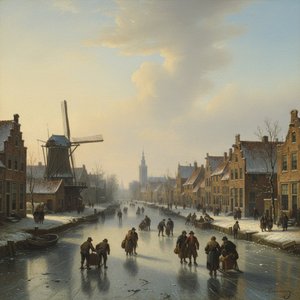
Johann Nepomuk Maelzel, německý vynálezce a hudebník, vytvořil tento pozorovatelský obraz brassových nástrojů. Tento dílo z roku 1813 není jen estetickou ukázkou řemeslné dokonalosti; je to také fascinující okno do doby romantické hudby a vývoje německého umění. Maelzelův přístup k tvorbě byl charakteristický kombinací vědeckého zájmu o přesné reprodukce objektů s estetickou touhou po vyjadřování krásy přírody – což odráží širší tendenci období romantismu směrem k větší realističnosti a atmosférické hloubce.- Předmětem obrazu je detailní fotografie jednoho historického nástroje – pozlacovaného rohová horní instrumentu vyrobeného Johannem Nepomukem Maelzelem. Jeho pozorovatelský styl odkazuje na díla Viléma van de Velde mladšího, který byl významným představitelem romantické krajinky a námořního umění.
- Styl obrazu lze označit za realistický. Maelzel se zaměřil na přesné zachycení geometrických tvarů nástroje a jeho povrchové struktury, což vyžadovalo pečlivé pozorování a odbornost.
- Technika použitá při tvorbě obrazu byla inovativní pro svou dobu. Použití fotografické metody umožnilo vytvořit velmi přesnou kopii původního objektu, což bylo mimo běžné praktiky tehdejších umělců.
- Symbolismus obrazu spočívá především ve vyobrazení samotného nástroje. Roh byl symbolem síly, zvukové energie a spojení s přírodou – prvky, které byly důležité pro romantické estetiku.
- Emoční Dopad díla je intenzivní a působivý. Pozorovatel může cítit atmosféru hudebního studia a být fascinován komplexností obrazu. Tento obraz vyvolává pocit nostalgie za minulostí a oslavuje krásu jednoduchosti.
Otázky a odpovědi
Kde mohu najít statistiky k dílu „Beethoven“ od Johann Nepomuk Maelzel?
Stránka Statistiky díla „Beethoven“ od Johann Nepomuk Maelzel zobrazuje statistiky veřejných návštěv: měsíční návštěvnost tohoto díla, srovnání s nejvíce prohlíženými díly daného umělce a původ jeho návštěvníků.
Jak se v díle „Beethoven“ od Johann Nepomuk Maelzel setkávají umělecký směr a doba?
V díle „Beethoven“ od Johann Nepomuk Maelzel se setkává směr Dutch Landscape Realism s érou 19th Century.
Je „Beethoven“ od Johann Nepomuk Maelzel obrazem, kresbou nebo grafikou?
V katalogu je dílo „Beethoven“ od Johann Nepomuk Maelzel zařazeno do kategorie Obrazová tvorba na stěnu. Tato kategorie usnadňuje vyhledávání podobných děl.
Biografie umělce
Samuel Scott: A Pioneer of Dutch Landscape and Maritime Art
Samuel Scott, a name perhaps less familiar than some of his contemporaries, stands as a pivotal figure in the development of Dutch landscape and marine painting during the 18th century. Born around 1702 in London, he embarked on an artistic journey that ultimately led him to establish himself as a respected artist working primarily in the Netherlands. Scott’s career was marked by a fascinating evolution from maritime scenes – capturing the drama of naval engagements – to a more contemplative engagement with the natural world, reflecting a shift within Dutch art towards greater realism and atmospheric depth. Scott's early training remains somewhat shrouded in mystery; records indicate he began his artistic pursuits around 1720 without documented formal instruction. This self-taught approach fostered an independent spirit and allowed him to develop a distinctive style heavily influenced by the works of Willem van de Velde the Younger, a master of naval painting known for his dynamic compositions and meticulous detail. Scott’s initial focus was on depicting ships at sea – men-of-war engaged in battle, merchant vessels navigating treacherous waters – all rendered with a remarkable sense of movement and realism. These early works demonstrate a keen eye for observation and a skillful command of brushwork, capturing the textures of water, sailcloth, and timber with impressive accuracy. Notably, he collaborated with George Lambert on a series of paintings illustrating scenes from the East India Company’s voyages, showcasing his ability to combine technical skill with narrative storytelling.The Transition to Landscape and the Influence of London
Around the early 1740s, a significant shift occurred in Scott's artistic practice. He began dedicating himself to landscape painting, driven by observations of the burgeoning cityscape of London. The construction of landmarks like Westminster Bridge provided him with an endless source of inspiration, and he meticulously documented these changes through a series of paintings that offer invaluable insights into the visual culture of the era. These works are characterized by their atmospheric quality – Scott skillfully employed light and shadow to create a sense of depth and perspective, capturing the mood and character of the city. His depictions of London Bridge, particularly those painted in the late 1740s and early 1750s, stand as remarkable achievements, accurately portraying the bridge’s structure and the surrounding environment before its eventual demolition. The influence of Canaletto, a Venetian painter renowned for his urban views, is evident in Scott's approach to landscape painting. Like Canaletto, Scott sought to capture not just the physical appearance of a scene but also its overall atmosphere and character. Furthermore, Scott’s artistic journey was intertwined with social circles; he posed for Thomas Hudson, a prominent portrait painter, around 1732, solidifying his position within London's artistic community.A Journey to the River Medway and Early Collaborations
In 1732, Scott embarked on a significant excursion – a “Five Days’ Peregrination” along the River Medway and the Isle of Sheppey in company with William Hogarth and other notable figures. This journey provided him with an unparalleled opportunity to study coastal landscapes, shipbuilding techniques, and maritime activities firsthand. The resulting account, published in 1782, documented this experience and included drawings by Hogarth and Scott themselves. This collaborative effort not only showcased Scott’s artistic talent but also highlighted his ability to work effectively within a group setting. His meticulous observations during the trip are reflected in subsequent landscape paintings that demonstrate an increased understanding of natural forms and atmospheric effects.Later Years and Legacy
Scott continued to paint throughout his life, producing a substantial body of work encompassing both maritime scenes and landscapes. He exhibited works at the Society of Artists of Great Britain until 1761, demonstrating his ongoing commitment to artistic practice. His later years saw him embracing Romanticism, incorporating more dramatic storytelling and evoking emotional responses in his viewers. Despite facing periods of relative obscurity, Samuel Scott’s contributions to Dutch art are now recognized as significant. He played a crucial role in bridging the gap between earlier maritime painting traditions and the rise of landscape painting, establishing a foundation for future generations of artists. His meticulous observation, skillful technique, and atmospheric rendering continue to resonate with viewers today, offering a captivating glimpse into 18th-century Dutch society and its relationship with the natural world. Scott’s legacy lies not only in his individual works but also in his pioneering role as a landscape painter who brought a new level of realism and emotional depth to the genre.
Johann Nepomuk Maelzel
1772 - 1838 , Germany
Rychlé informace
- Full Name: Jan Maurits Quinkhard
- Nationality: Dutch
- Date Of Birth: 1772
- Date Of Death: 1838
- Place Of Birth: Reims, Germany
- Notable Artworks:
- Familiar scenes
- Allegorical works
- Mythological paintings
- Artistic Movement Or Style: Portraiture, History, Mythology
- Artists Who Influenced This Artist:
- Julius Quinkhardt the elder
- Arnold van Boonen
- Artists Or Movements Influenced By This Artist: ['Amsterdam Museum']
Související články

Romantická krajina v malbě: 10 mistrovských děl, které definovaly umělecký proud | OriginalUniqueArt
Prozkoumejte 10 ikonických děl romantické krajinářské malby! Objevte příběhy Caspara Davida Friedricha, Turnera a dalších mistrů. Reprodukce obrazů nejvyšší kvality pro váš interiér na OriginalUniqueArt.com.

Jan van Goyen: Master of Dutch Landscape & Atmospheric Perspective
Discover Jan van Goyen, the master of Dutch landscape painting. Explore his subtle technique, atmospheric realism & lasting influence on art history. Learn about this 17th-century pioneer at OriginalUniqueArt.

Golden Light & Dutch Skies: The Timeless Magic of Dutch Golden Age Landscapes
Discover the breathtaking beauty of Dutch Golden Age landscapes. Explore the mastery of light, chiaroscuro, and 17th-century realism through an expert art history lens, celebrating the enduring legacy of the Dutch Masters for discerning collectors and art lovers.
Charles Leickert: Capturing the Dutch Golden Age Light – A Comprehensive Study of Technique, Context, and Legacy
Explore the captivating winter landscapes of Charles Leickert, a master of Dutch Golden Age light & atmosphere. Discover his techniques, symbolism, and lasting legacy – a comprehensive study for art enthusiasts and collectors.

Golden Light & Dutch Skies: Bringing the Magic of Dutch Golden Age Landscapes into Your Home
Transform your home with the breathtaking light of Dutch Golden Age landscapes. Discover how hand-painted oil reproductions of masterworks like Ruisdael and Vermeer bring timeless elegance, atmosphere, and soulful texture to modern interiors. Elevate your space with museum-quality art.
