
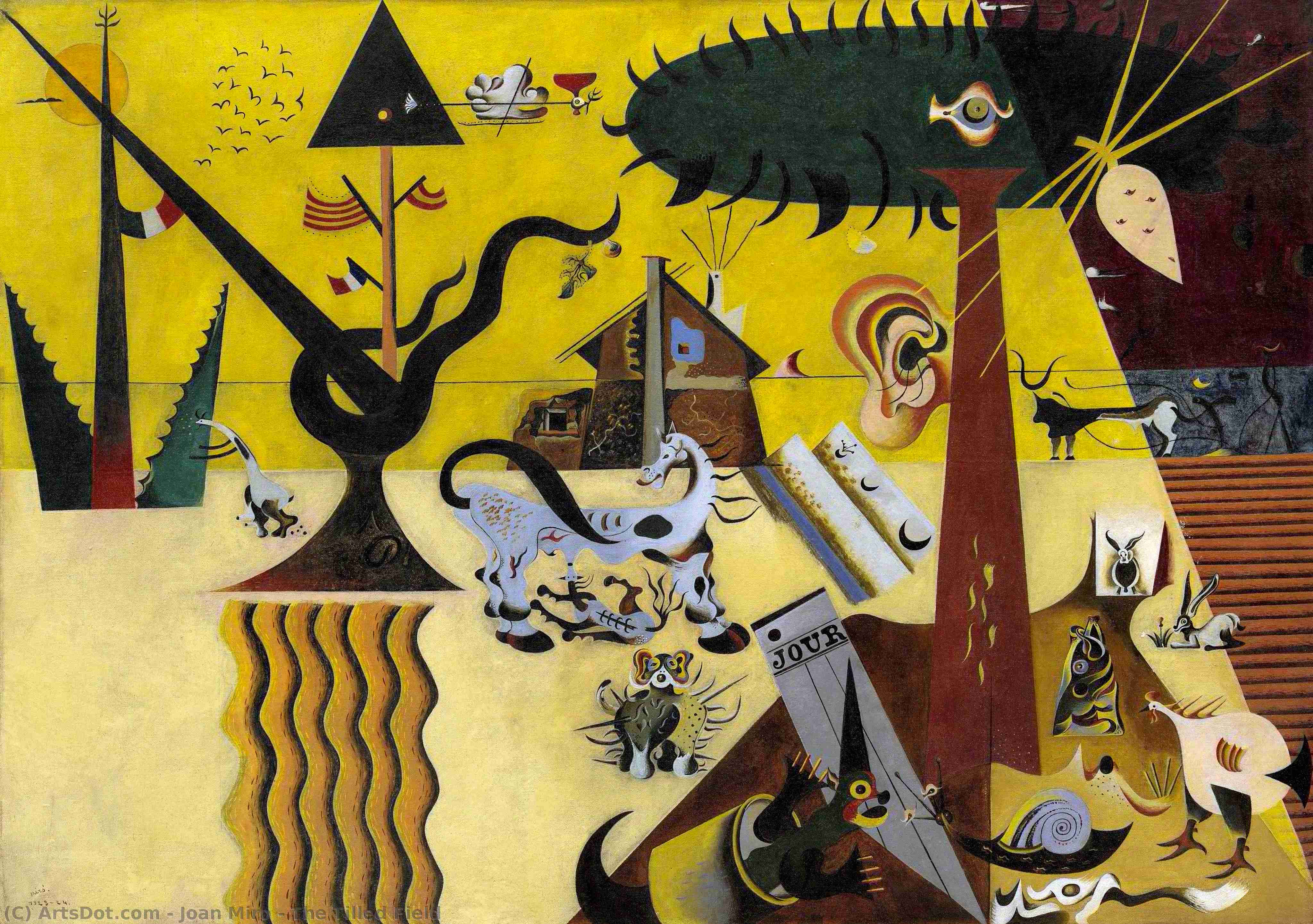
 Náhled v interiéru
 Sdílet
 Sdílet
 Podrobnosti o díle
 Průvodce

 Stáhnout
 Podobné položky
 Rentgenové snímky
 Slideshow
 Q&A
Q&A Statistiky
Zasazená půda
 Olej na plátně
- Obrazová tvorba na stěnu
- Surrealist Expressionism
 1924
1924- Modernismus
 66.0 x 92.0 cm
 Guggenheimovo muzeum
 Zobrazit více
Získejte soubor připravený k tisku, který svou kvalitou výrazně převyšuje webový náhled. Každý prodávaný digitální obraz pochází z vysokorozlišeného originálu v naší databázi – obvykle o šířce 5 000 až 15 000 pixelů – díky čemuž můžete tisknout ve velkém formátu, provádět těsný střih nebo si s jistotou užít i ty nejjemnější detaily.
Žádný soubor neopustí naše studio bez úprav. Digitální expert kontroluje barvy v porovnání s původním malířským dílem a v případě potřeby je upravuje, poté pomocí profesionálních nástrojů pro retuš zvyšuje ostrost a detailnost — přičemž vždy zůstává věrný tahům štětcem a stylu umělce. Výsledkem je obraz, který vypadá jako malba, nikoliv jako naskenovaný snímek s filtrem.
Schvalování před dokončením: náš expert vám do 72 hodin zašle obraz e-mailem k revizi. Nejsste spokojeni? Můžete požádat o úpravy či opravy, nebo si můžete vyžádat vrácení peněz, pokud kvalita neodpovídá vašim očekáváním.
Tuto kvalitu využívají vydavatelství, designová studia, galerie i tiskárny.
Digitální obrazy
Stáhněte si soubor ve vysokém rozlišení pro osobní prohlížení, tisk nebo kreativní projekty. ( Přepnout na tisk Koupit ručně malovaný obraz)
Součást každé objednávky digitálního obrazu
Profesionální digitální doručení, zaručené
Když si vyberete OriginalUniqueArt.com, nezískáváte pouze obrázek – získáváte digitální umělecké dílo s profesionálně vylepšenými detaily, zpracované s precizností a podpořené zárukou za spokojenost. Zde je vše, co vaše objednávka automaticky obsahuje:

Rychlé doručení e-mailem
Váš digitální obraz ve vysokém rozlišení vám bude zaslán e-mailem do 72 hodin od objednávky – připraven k okamžitému použití.

Digitální soubor s využitím AI
Vaše umělecké dílo je profesionálně optimalizováno pomocí pokročilých nástrojů umělé inteligence a manuální úpravy, což zajišťuje maximální úroveň detailu, ostrosti a přesnosti barev.

Doživotní bezplatné znovuodeslání digitálních obrazů
Soubor jste omylem smazali nebo ztratili? Žádný problém – kdykoliv vám ho znovu zašleme zcela zdarma.

Bez poplatků za dovoz – navždy
Užijte si své umělecké dílo okamžitě bez celních poplatků, daní nebo nákladů na dopravu – digitální stažení je vždy bez daňových povinností.

Záruka přesnosti barev
Díky profesionálním nástrojům a správě barev zajišťujeme, aby váš digitální obraz odrážel původní barvy co nejvěrněji.

100dená záruka spokojenosti
Pokud nebudete s digitálním obrázkem spokojeni, provedeme jeho revizi nebo vám vrátíme 100% platby do 100 dnů – bez jakýchkoliv dotazů.

100% záruka vrácení peněz
Nespokojeni? Získejte plnou náhradu peněz do 100 dnů od obdržení digitálního souboru – bez zbytečných dotazů.

Slevy při hromadných objednávkách
Koupě 3 obrazů ušetří 10% – Koupě 5 obrazů ušetří 15% – Koupě 10+ obrazů ušetří 20%. Ideální pro kreativní projekty, galerie a agentury.
La Tilled Field – Joan Miró: Surrealismo Catalán en Movimiento
La obra maestra de Joan Miró, “La Tierra Labrada” (1923-1924), es mucho más que un paisaje abstracto; representa una profunda exploración surrealista de la vida rural catalana y un punto de inflexión crucial en el desarrollo artístico del pintor. Esta pintura captura la esencia de la sensibilidad artística de Miró, reflejada en una composición dinámica llena de símbolos y colores vibrantes que siguen fascinando a artistas y coleccionistas hasta nuestros días. Más allá de su belleza estética, “La Tierra Labrada” ofrece un viaje al universo creativo de Miró y una ventana hacia el espíritu del arte vanguardista de principios de los años veinte.Descripción General: Fragmentación Surrealista y Energía Dinámica
El lienzo presenta una división horizontal en tres zonas principales: cielo, tierra y horizonte, aunque Miró desafía las convenciones perspectivistas tradicionales mediante una línea diagonal que aporta movimiento y tensión a la escena. Esta línea guía el ojo hacia un conjunto de figuras abstractas – animales estilizados como una lagartija con sombrero de copa y un pájaro en vuelo – árboles simplificados y símbolos enigmáticos que invitan al espectador a descifrar una narrativa compleja pero armoniosa. La composición es deliberadamente irregular, reflejando la naturaleza orgánica del paisaje catalán y la libertad creativa propia del Surrealismo.Estilo y Técnica: Una Síntesis entre Cubismo y Surrealismo
Miró logra una impresionante fusión entre el estilo cubista de fragmentación espacial y la simbología surrealista. Utiliza bloques de color audaces – tonos amarillos dominantes contrastados con marrones terrosos y negros profundos – para crear profundidad visual y resaltar las cualidades escultóricas del lienzo, rechazando así la ilusión óptica tradicional. La aplicación meticulosa del pincel proporciona una textura suave pero expresiva que enfatiza la bidimensionalidad de la obra, manteniendo un equilibrio entre orden y caos controlado. Esta técnica innovadora refleja el espíritu experimental de la época y demuestra la maestría artística de Miró en la representación visual de ideas abstractas.Contexto Histórico: El Surrealismo en Cataluña
“La Tierra Labrada” fue creada durante una etapa clave en el desarrollo artístico de Miró, coincidiendo con el auge del movimiento surrealista en Europa y especialmente en Cataluña. Influenciado por artistas como André Breton y Pablo Picasso, Miró abrazó la exploración del inconsciente colectivo y la liberación de las restricciones convencionales para expresar emociones y sensaciones internas. Esta obra simboliza una ruptura con las tradiciones académicas dominantes y un compromiso con nuevas formas de expresión artística que buscaban trascender la realidad objetiva para acceder a dimensiones más profundas de la experiencia humana. La pintura también refleja el interés por temas nacionales como la identidad catalana, expresada en símbolos como banderas y figuras geométricas que evocan fuerza y movimiento.Simbolismo y Emoción: Un Paisaje Onírico
Más allá de su estructura formal, “La Tierra Labrada” posee un rico simbolismo que invita a múltiples interpretaciones. Los ojos presentes en las hojas representan la mirada del artista hacia el mundo exterior y hacia sí mismo, mientras que los animales estilizados evocan la fuerza vital de la naturaleza y la libertad creativa. La línea diagonal dominante refuerza esta sensación de movimiento y energía dinámica, creando una atmósfera inquietante pero fascinante que captura la esencia del paisaje catalán en estado puro. Esta pintura sigue siendo un testimonio conmovedor de la capacidad del arte para transmitir emociones profundas y estimular la imaginación del espectador.Otázky a odpovědi
Jaké využití a prostor se doporučuje pro „Zasazená půda“ od Joan Miró?
Dílo „Zasazená půda“ je doporučeno pro Prohlášení umělce a ideálním prostorem pro jeho umístění je Obývací pokoj.
Je „Zasazená půda“ od Joan Miró známým uměleckým dílem?
„Zasazená půda“ je klasifikováno jako Uznávaní.
Jaké emoce vyjadřuje dílo z období Surrealist Expressionism s názvem „Zasazená půda“?
„Zasazená půda“ vyzařuje Záhadný emocionální nádech v rámci směru Surrealist Expressionism.
Biografie umělce
A Catalan Visionary: The Life and Art of Joan Miró
Joan Miró i Ferrà, born in Barcelona in 1893, stands as one of the most significant figures in 20th-century art. His journey was not merely a progression through styles but an exploration of inner worlds, translating dreams, memories, and Catalan identity onto canvas with a uniquely poetic visual language. From humble beginnings marked by illness and initial parental reservations about his artistic pursuits, Miró persevered, driven by an innate need to express the intangible—the emotions, sensations, and subconscious currents that lie beneath the surface of reality. His early life was steeped in the traditions of Barcelona, a city brimming with architectural marvels thanks to Antoni Gaudí, whose organic forms would subtly influence Miró’s later abstractions. The goldsmithing profession of his father instilled an appreciation for meticulous craftsmanship, while the rugged Catalan landscape became a recurring motif and source of inspiration throughout his career.Early Influences and the Path to Surrealism
Miró's formal artistic training began at La Llotja in Barcelona, where he honed his skills in traditional techniques. However, it was exposure to the avant-garde movements sweeping through Paris that truly ignited his creative evolution. The vibrant colors of Fauvism and the fragmented forms of Cubism resonated deeply, prompting him to move to Paris in 1920. This period proved pivotal as he encountered artists like Pablo Picasso and began experimenting with increasingly abstract compositions. Yet, Miró didn’t simply adopt these styles; he synthesized them, forging a path toward his own distinctive aesthetic. He sought to distill forms to their essence, stripping away representational details in favor of symbolic shapes and evocative colors. This exploration led him to the Surrealist group in 1924, aligning him with artists such as Max Ernst and Salvador Dalí. While embracing the Surrealist interest in the subconscious, Miró maintained a unique sensibility—his work was less about shocking imagery or Freudian symbolism than it was about creating a world of playful forms and poetic suggestion. He believed that art should transcend rational thought and tap into the realm of dreams and intuition.The Catalan Landscape and Artistic Roots
Miró’s formative years were profoundly shaped by his surroundings. Growing up in Barcelona, he absorbed the influence of Gaudí's architectural innovations—the undulating curves and organic textures of Sagrada Familia and Parc Güell—which instilled within him a fascination for natural forms and patterns. The Catalan landscape—characterized by pine forests, rocky mountains, and azure seas—became a constant source of inspiration for his paintings and prints. These elements would reappear throughout his oeuvre, symbolizing resilience, freedom, and the enduring spirit of Catalan culture. His father’s profession as a goldsmith instilled in him an appreciation for precision and craftsmanship, shaping his artistic approach and contributing to his meticulous attention to detail.Key Works: A Surrealist Universe
Miró's artistic output spanned decades, encompassing painting, sculpture, ceramics, printmaking, and collage—each medium serving as a vehicle for exploring his distinctive vision. The Farm (1922) stands as a seminal achievement, embodying the artist’s synthesis of Fauvist color palettes with Cubist fragmentation. It depicts a stylized Catalan landscape populated by fantastical creatures—birds, snails, and amorphous shapes—creating a dreamlike atmosphere that reflects Miró's preoccupation with subconscious imagery. The series *Dutch Interiors (1928)* demonstrated his ability to reinterpret the Old Masters through a modernist lens, transforming familiar domestic scenes into abstracted compositions infused with Surrealist symbolism. His collaborative efforts with Max Ernst on *Grattage* canvases—particularly *The Elephant Bird*—marked an important stage in his artistic experimentation and showcased his innovative techniques for revealing textures beneath layers of paint. Painting (1933) exemplifies Miró’s commitment to simplifying forms and prioritizing color, resulting in striking images that convey a sense of immediacy and emotional intensity.Legacy and Enduring Influence
Joan Miró's contribution to modern art is undeniable. He challenged conventional artistic norms and championed abstraction as a means of expressing inner experience—a legacy that continues to inspire artists today. His unwavering belief in the power of imagination and his refusal to compromise on his artistic vision solidified his place among the most influential figures of the 20th century. Miró established two foundations—the Fundació Joan Miró in Barcelona (1975) and the Fundació Pilar i Joan Miró in Palma de Mallorca (1981)—ensuring that his artistic legacy would endure, fostering creativity and promoting dialogue between art and society. His work remains a testament to the transformative potential of art—a vibrant celebration of Catalan identity and an enduring symbol of Surrealist innovation.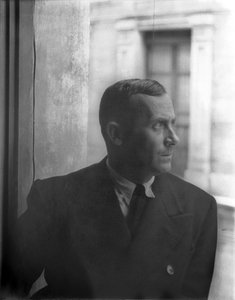
Joan Miró
1893 - 1983 , Španělsko
Stručné informace
- Artistic Movement Or Style: Surrealismo
- Artists Or Movements Influenced By This Artist: ['Fauvismus']
- Artists Who Influenced This Artist:
- Pablo Picasso
- Cézanne
- Date Of Birth: 20 aprile 1893
- Date Of Death: 25 dicembre 1983
- Full Name: Joan Miró i Ferrà
- Nationality: Spagnolo
- Notable Artworks:
- La Poetisa
- Dům s palmy
- Tanečník s zrcadlem
- Place Of Birth: Barcelona, Spagna