
 Náhled
 Sdílet
 Sdílet
 Podrobnosti o díle

 Stáhnout
 Podobné položky
 Rentgenové snímky
 Slideshow
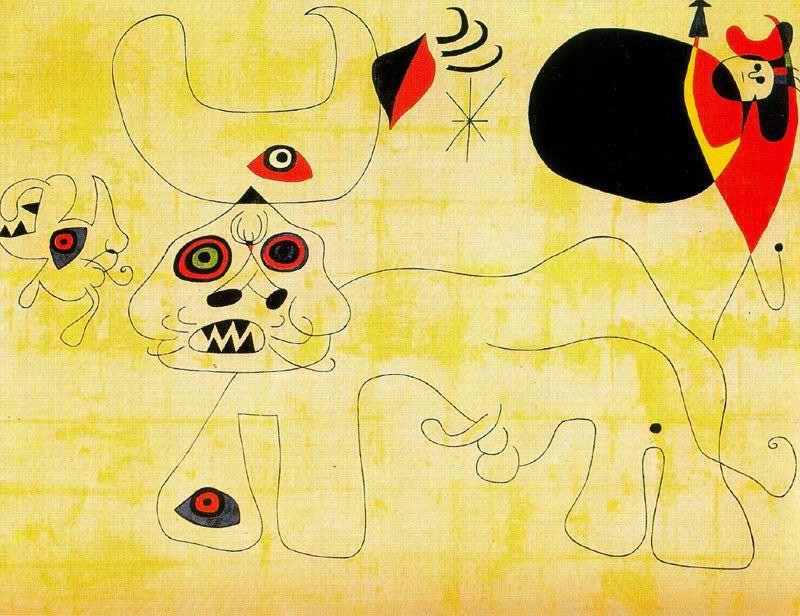
Corrida de toros

 Zobrazit více
Koupě vysoce rozlišeného, vylepšeného digitálního obrazu, který je mnohem kvalitnější než online náhled.
Každý soubor je pečlivě připraven našimi odborníky pomocí pokročilých nástrojů a expertní manuální retuše. Zajišťujeme, aby každý obraz disponoval výjimečnou ostrostí, přesnou barevnou věrností a jemnými detaily.
Finální soubor vám bude do 72 hodin zaslán e-mailem, optimalizovaný pro okamžité použití v profesionálním, redakčním i tiskovém prostředí. Nabízíme stejnou kvalitu, které důvěřují špičková designová studia, nakladatelství i galerie.
Digitální obrazy
Stáhněte si soubor ve vysokém rozlišení pro osobní prohlížení, tisk a kreativní projekty. ( Koupit tisk Koupit ručně malovaný obraz)
Součást každé objednávky digitálního obrazu
Profesionální digitální doručení, zaručeno.
Když si vyberete OriginalUniqueArt.com, nezískáváte pouze obrázek – získáváte digitální umělecké dílo s profesionálně vylepšenými detaily, zpracované s precizností a podpořené zárukou za spokojenost. Zde je vše, co vaše objednávka automaticky obsahuje:

Rychlé doručení e-mailem
Váš digitální obraz ve vysokém rozlišení vám bude zaslán e-mailem do 72 hodin od objednávky – připraven k okamžitému použití.

Digitální soubor s využitím AI
Vaše umělecké dílo je profesionálně optimalizováno pomocí pokročilých nástrojů umělé inteligence a manuální úpravy, což zajišťuje maximální úroveň detailu, ostrosti a přesnosti barev.

Bezplatné doživotní znovuodeslání
Soubor jste omylem smazali nebo ztratili? Žádný problém – kdykoliv vám ho znovu zašleme zcela zdarma.

Bez poplatků za dovoz – navždy
Užijte si své umělecké dílo okamžitě bez celních poplatků, daní nebo nákladů na dopravu – digitální stažení je vždy bez daňových povinností.

Záruka přesnosti barev
Pomocí profesionálních nástrojů a správy barev zajišťujeme, aby váš digitální obraz odrážel původní barvy co nejvěrněji.

60denní záruka spokojenosti
Pokud nebudete s digitální fotografií spokojeni, provedeme její revizi nebo vám vrátíme 100% během 60 dnů – bez jakýchkoliv dotazů.

100% záruka vrácení peněz
Nespokojeni? Získejte plnou částku zpět do 60 dní od přijetí vašeho digitálního souboru – bez jakýchkoliv dotazů.

Slevy při hromadných objednávkách
Koupěte si 3 obrazy, ušetřete 10% - Koupěte si 5, ušetřete 15% - Koupěte si 10+, ušetřete 20%. Ideální pro kreativní projekty, galerie a agentury.
The Raw Energy of the Arena: Joan Miró’s “Corrida de Toros”
Joan Miró's "Corrida de Toros" (Bullfight) isn’t merely a depiction of a traditional Spanish spectacle; it’s an intensely personal and profoundly evocative exploration of primal instincts, Catalan identity, and the subconscious. Painted in 1967, this vibrant canvas explodes with a chaotic yet strangely harmonious blend of color and form – a visual embodiment of the artist's unique worldview. The dominant yellow background immediately establishes a sense of heightened drama, reminiscent of both the sun-drenched landscapes of Catalonia and the theatricality of the bullring itself. It’s a field primed for explosive action, mirroring the emotional intensity at the heart of the subject.
The central figure, a colossal black lion, dominates the composition with an almost unsettling dynamism. Miró doesn't offer a realistic portrayal; instead, he distorts and exaggerates the animal’s musculature, imbuing it with a palpable sense of movement – as if poised to charge or already in full pursuit. This isn’t a celebration of brute strength but rather a suggestion of the lion’s inherent power and untamed spirit. Scattered around this central drama are smaller, fragmented figures: a solitary, almost mournful face peeks out from the top left corner, while another appears on the right side, seemingly observing the unfolding scene with detached curiosity. These elements contribute to the painting's dreamlike quality, hinting at deeper narratives and psychological states.
A Catalan Soul Illuminated: Miró’s Artistic Roots
To understand “Corrida de Toros,” it’s crucial to delve into the context of Joan Miró’s life and artistic development. Born in Barcelona in 1893, Miró was deeply rooted in Catalan culture – a region renowned for its vibrant traditions, distinctive architecture (particularly the fantastical creations of Antoni Gaudí), and fiercely independent spirit. This regional identity profoundly influenced his work, manifesting itself through recurring motifs like the Catalan peasant, the landscape, and elements of traditional folklore. The painting’s frenetic energy and symbolic language are directly linked to this deep connection to his homeland.
Miró's artistic journey was marked by experimentation and a constant rejection of established conventions. He initially studied business but abandoned it after a nervous breakdown, dedicating himself entirely to art. His early work drew inspiration from Fauvism and Cubism, absorbing the bold colors and fragmented forms of these movements while simultaneously forging his own distinct style. “Corrida de Toros” exemplifies this process – retaining elements of Surrealism (evident in the dreamlike imagery and distorted figures) while firmly establishing Miró’s unique visual language. The influence of Joaquim Miró i Argenter, a Luminist painter known for his evocative depictions of the Mediterranean coast, can also be detected in the painting's use of light and color.
Symbolism and the Unconscious: Decoding the Visual Language
Beyond its immediate visual impact, “Corrida de Toros” is rich with symbolic meaning. The recurring presence of eyes – one at the top center, another in the middle-left, and a third in the lower right – suggests an element of surveillance or judgment, perhaps reflecting the anxieties and uncertainties inherent in the spectacle of the bullfight. The lion itself can be interpreted as representing both power and vulnerability, embodying the dualities of life and death, aggression and instinct. The scattered figures may symbolize the diverse audience members witnessing the event, each with their own perspectives and emotions.
Miró’s deliberate use of abstraction – reducing recognizable forms to their essential elements – invites viewers to engage actively in interpreting the painting's meaning. It’s a work that resists easy categorization, prompting contemplation about themes such as tradition, violence, identity, and the power of the subconscious. The vibrant colors and dynamic composition contribute to an overall sense of heightened emotion, capturing the raw energy and dramatic intensity of the bullfight while simultaneously hinting at its underlying psychological complexities.
A Timeless Masterpiece: Reproduction Possibilities
OriginalUniqueArt offers meticulously crafted hand-painted reproductions of Joan Miró’s “Corrida de Toros,” allowing you to bring this iconic artwork into your home or office. Our skilled artists carefully replicate the original's vibrant colors, dynamic composition, and symbolic depth, ensuring a faithful representation of Miró’s artistic vision. Available in various sizes and mediums – from fine art canvas to archival prints – our reproductions provide an exceptional opportunity to own a piece of art history. Explore our selection today and experience the captivating power of “Corrida de Toros” firsthand.
Biografie umělce
A Catalan Visionary: The Life and Art of Joan Miró
Joan Miró i Ferrà, born in Barcelona in 1893, stands as one of the most significant figures in 20th-century art. His journey was not merely a progression through styles but an exploration of inner worlds, translating dreams, memories, and Catalan identity onto canvas with a uniquely poetic visual language. From humble beginnings marked by illness and initial parental reservations about his artistic pursuits, Miró persevered, driven by an innate need to express the intangible—the emotions, sensations, and subconscious currents that lie beneath the surface of reality. His early life was steeped in the traditions of Barcelona, a city brimming with architectural marvels thanks to Antoni Gaudí, whose organic forms would subtly influence Miró’s later abstractions. The goldsmithing profession of his father instilled an appreciation for meticulous craftsmanship, while the rugged Catalan landscape became a recurring motif and source of inspiration throughout his career.Early Influences and the Path to Surrealism
Miró's formal artistic training began at La Llotja in Barcelona, where he honed his skills in traditional techniques. However, it was exposure to the avant-garde movements sweeping through Paris that truly ignited his creative evolution. The vibrant colors of Fauvism and the fragmented forms of Cubism resonated deeply, prompting him to move to Paris in 1920. This period proved pivotal as he encountered artists like Pablo Picasso and began experimenting with increasingly abstract compositions. Yet, Miró didn’t simply adopt these styles; he synthesized them, forging a path toward his own distinctive aesthetic. He sought to distill forms to their essence, stripping away representational details in favor of symbolic shapes and evocative colors. This exploration led him to the Surrealist group in 1924, aligning him with artists such as Max Ernst and Salvador Dalí. While embracing the Surrealist interest in the subconscious, Miró maintained a unique sensibility—his work was less about shocking imagery or Freudian symbolism than it was about creating a world of playful forms and poetic suggestion. He believed that art should transcend rational thought and tap into the realm of dreams and intuition.The Catalan Landscape and Artistic Roots
Miró’s formative years were profoundly shaped by his surroundings. Growing up in Barcelona, he absorbed the influence of Gaudí's architectural innovations—the undulating curves and organic textures of Sagrada Familia and Parc Güell—which instilled within him a fascination for natural forms and patterns. The Catalan landscape—characterized by pine forests, rocky mountains, and azure seas—became a constant source of inspiration for his paintings and prints. These elements would reappear throughout his oeuvre, symbolizing resilience, freedom, and the enduring spirit of Catalan culture. His father’s profession as a goldsmith instilled in him an appreciation for precision and craftsmanship, shaping his artistic approach and contributing to his meticulous attention to detail.Key Works: A Surrealist Universe
Miró's artistic output spanned decades, encompassing painting, sculpture, ceramics, printmaking, and collage—each medium serving as a vehicle for exploring his distinctive vision. The Farm (1922) stands as a seminal achievement, embodying the artist’s synthesis of Fauvist color palettes with Cubist fragmentation. It depicts a stylized Catalan landscape populated by fantastical creatures—birds, snails, and amorphous shapes—creating a dreamlike atmosphere that reflects Miró's preoccupation with subconscious imagery. The series *Dutch Interiors (1928)* demonstrated his ability to reinterpret the Old Masters through a modernist lens, transforming familiar domestic scenes into abstracted compositions infused with Surrealist symbolism. His collaborative efforts with Max Ernst on *Grattage* canvases—particularly *The Elephant Bird*—marked an important stage in his artistic experimentation and showcased his innovative techniques for revealing textures beneath layers of paint. Painting (1933) exemplifies Miró’s commitment to simplifying forms and prioritizing color, resulting in striking images that convey a sense of immediacy and emotional intensity.Legacy and Enduring Influence
Joan Miró's contribution to modern art is undeniable. He challenged conventional artistic norms and championed abstraction as a means of expressing inner experience—a legacy that continues to inspire artists today. His unwavering belief in the power of imagination and his refusal to compromise on his artistic vision solidified his place among the most influential figures of the 20th century. Miró established two foundations—the Fundació Joan Miró in Barcelona (1975) and the Fundació Pilar i Joan Miró in Palma de Mallorca (1981)—ensuring that his artistic legacy would endure, fostering creativity and promoting dialogue between art and society. His work remains a testament to the transformative potential of art—a vibrant celebration of Catalan identity and an enduring symbol of Surrealist innovation.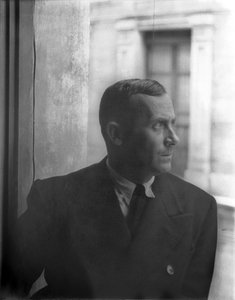
Joan Miró
1893 - 1983 , Španělsko
Stručné informace
- Artistic Movement Or Style: Surrealismo
- Artists Or Movements Influenced By This Artist: ['Fauvismus']
- Artists Who Influenced This Artist:
- Pablo Picasso
- Cézanne
- Date Of Birth: 20 aprile 1893
- Date Of Death: 25 dicembre 1983
- Full Name: Joan Miró i Ferrà
- Nationality: Spagnolo
- Notable Artworks:
- La Poetisa
- Dům s palmy
- Tanečník s zrcadlem
- Place Of Birth: Barcelona, Spagna

