

 Zobrazit v interiéru
 Odeslat
 Sdílet
 Podrobnosti
 Průvodce

 Stáhnout obrázek
 Podobné kousky
 Rentgenové snímky
 Slideshow
 Statistiky
Boceto para la pared de la luna


 Přečíst si více
Zakupte si digitální obraz ve vysokém rozlišení a vylepšeném provedení, který nabízí mnohem vyšší kvalitu než online náhled.
Každý soubor je pečlivě připraven našimi specialisty s využitím pokročilých nástrojů a odborné manuální retuše. Zajišťujeme, aby každý obraz disponoval výjimečnou ostrostí, přesnou barevnou věrností a jemnými detaily.
Finální soubor vám bude do 72 hodin zaslán e-mailem, optimalizovaný pro okamžité použití v profesionálním, redakčním i tiskovém prostředí. Nabízíme stejnou kvalitu, které důvěřují špičková designová studia, nakladatelství i galerie.
Digitální obrazy
Stáhněte si soubor ve vysokém rozlišení pro osobní prohlížení, tisk a kreativní projekty. ( Přepnout na tiskové verze Objednat ručně malovanou reprodukci)
Součást každé objednávky digitálního obrazu
Exponenciální digitální doručení, zaručené
Když si vyberete OriginalUniqueArt.com, nezískáváte pouze obrázek – získáváte digitální umělecké dílo s profesionálně vylepšenými detaily, zpracované s precizností a podpořené zárukou za spokojenost. Zde je vše, co vaše objednávka automaticky obsahuje:

Bleskové doručení e-mailem
Váš digitální obraz ve vysokém rozlišení vám bude zaslán e-mailem do 72 hodin od objednávky – připraven k okamžitému použití.

Digitální soubor s podporou AI
Vaše umělecké dílo je profesionálně optimalizováno pomocí pokročilých nástrojů umělé inteligence a manuální úpravy, což zajišťuje maximální úroveň detailu, ostrosti a přesnosti barev.

Doživotní bezplatné znovuodeslání
Soubor jste omylem smazali nebo ztratili? Žádný problém – kdykoliv vám ho znovu zašleme zcela zdarma.

Bez poplatků za dovoz – navždy
Užijte si své umělecké dílo okamžitě bez celních poplatků, daní nebo nákladů na dopravu – digitální stažení je vždy bez daňových povinností.

Záruka přesnosti barev
Díky profesionálním nástrojům a správě barev zajišťujeme, aby váš digitální obraz odrážel původní barvy co nejvěrněji.

100dená záruka spokojenosti
Pokud nebudete s digitálním obrázkem spokojeni, provedeme jeho revizi nebo vám vrátíme 100% platby do 100 dnů – bez jakýchkoliv dotazů.

100% záruka vrácení peněz
Nespokojeni? Získejte plnou náhradu peněz do 100 dnů od obdržení digitálního souboru – bez zbytečných dotazů.

Slevy při hromadných objednávkách
Při koupi 3 obrazů ušetříte 10% – Při koupi 5 obrazů ušetříte 15% – Při koupi 10+ obrazů ušetříte 20%. Ideální pro kreativní projekty, galerie a agentury.
A Celestial Dance of Subconscious Forms
In the mesmerizing realm of Joan Miró, reality is never static; it is a fluid, breathing entity composed of symbols, dreams, and cosmic whispers. His work, Boceto para la pared de la luna (Sketch for the Moon Wall), serves as a profound window into the artist's unique ability to translate the intangible language of the subconscious onto a tangible canvas. At first glance, the viewer is greeted by a striking celestial centerpiece—a bold black circle cradling a vibrant yellow core, evoking the primal presence of a sun or a moon suspended in an infinite void. This central motif acts as an anchor for the eye, around which a whimsical ballet of shapes and colors unfolds, inviting the observer to lose themselves in a labyrinth of spontaneous creation.
The composition is a masterclass in Miró’s signature Surrealist vocabulary. Beyond the central orb, the canvas breathes with life through delicate, smaller circles that drift like celestial satellites toward the upper periphery. A singular, ethereal bird figure hovers above, adding a layer of organic complexity and narrative mystery. This interplay between geometric precision and organic fluidity creates a visual tension that is both playful and profound. For the collector or interior designer, this piece offers a sophisticated balance; it possesses the graphic strength to command attention in a modern space while maintaining a poetic lightness that prevents the room from feeling heavy.
The Alchemy of Automatism and Catalan Spirit
To understand the technique behind such a captivating work, one must delve into Miró’s embrace of automatism. Eschewing the rigid constraints of representational accuracy, Miró allowed his hand to move with an intuitive freedom, seeking to bypass the rational mind to reach a deeper, more primal truth. This method results in a painting that feels less like a constructed image and more like a captured moment of pure thought. The brushwork, though seemingly spontaneous, possesses a rhythmic intentionality that mirrors the organic curves found in the architecture of his beloved Barcelona—a city where the influence of Antoni Gaudí’s undulating forms can be felt in every line and contour of Miró's abstract language.
The color palette is both deliberate and emotive, utilizing high-contrast tones to evoke a sense of cosmic wonder. The starkness of the black against the warmth of the yellow creates a rhythmic pulse, much like a heartbeat within the vacuum of space. This piece does more than decorate a wall; it serves as an emotional catalyst. It evokes the quiet awe of stargazing and the unsettling beauty of a dream from which one does not wish to wake. For those seeking to curate an environment of inspiration, this reproduction brings the transformative power of Catalan Surrealism into the home, offering a timeless connection to one of the most visionary minds in art history.
Biografie umělce
A Catalan Visionary: The Life and Art of Joan Miró
Joan Miró i Ferrà, born in Barcelona in 1893, stands as one of the most significant figures in 20th-century art. His journey was not merely a progression through styles but an exploration of inner worlds, translating dreams, memories, and Catalan identity onto canvas with a uniquely poetic visual language. From humble beginnings marked by illness and initial parental reservations about his artistic pursuits, Miró persevered, driven by an innate need to express the intangible—the emotions, sensations, and subconscious currents that lie beneath the surface of reality. His early life was steeped in the traditions of Barcelona, a city brimming with architectural marvels thanks to Antoni Gaudí, whose organic forms would subtly influence Miró’s later abstractions. The goldsmithing profession of his father instilled an appreciation for meticulous craftsmanship, while the rugged Catalan landscape became a recurring motif and source of inspiration throughout his career.Early Influences and the Path to Surrealism
Miró's formal artistic training began at La Llotja in Barcelona, where he honed his skills in traditional techniques. However, it was exposure to the avant-garde movements sweeping through Paris that truly ignited his creative evolution. The vibrant colors of Fauvism and the fragmented forms of Cubism resonated deeply, prompting him to move to Paris in 1920. This period proved pivotal as he encountered artists like Pablo Picasso and began experimenting with increasingly abstract compositions. Yet, Miró didn’t simply adopt these styles; he synthesized them, forging a path toward his own distinctive aesthetic. He sought to distill forms to their essence, stripping away representational details in favor of symbolic shapes and evocative colors. This exploration led him to the Surrealist group in 1924, aligning him with artists such as Max Ernst and Salvador Dalí. While embracing the Surrealist interest in the subconscious, Miró maintained a unique sensibility—his work was less about shocking imagery or Freudian symbolism than it was about creating a world of playful forms and poetic suggestion. He believed that art should transcend rational thought and tap into the realm of dreams and intuition.The Catalan Landscape and Artistic Roots
Miró’s formative years were profoundly shaped by his surroundings. Growing up in Barcelona, he absorbed the influence of Gaudí's architectural innovations—the undulating curves and organic textures of Sagrada Familia and Parc Güell—which instilled within him a fascination for natural forms and patterns. The Catalan landscape—characterized by pine forests, rocky mountains, and azure seas—became a constant source of inspiration for his paintings and prints. These elements would reappear throughout his oeuvre, symbolizing resilience, freedom, and the enduring spirit of Catalan culture. His father’s profession as a goldsmith instilled in him an appreciation for precision and craftsmanship, shaping his artistic approach and contributing to his meticulous attention to detail.Key Works: A Surrealist Universe
Miró's artistic output spanned decades, encompassing painting, sculpture, ceramics, printmaking, and collage—each medium serving as a vehicle for exploring his distinctive vision. The Farm (1922) stands as a seminal achievement, embodying the artist’s synthesis of Fauvist color palettes with Cubist fragmentation. It depicts a stylized Catalan landscape populated by fantastical creatures—birds, snails, and amorphous shapes—creating a dreamlike atmosphere that reflects Miró's preoccupation with subconscious imagery. The series *Dutch Interiors (1928)* demonstrated his ability to reinterpret the Old Masters through a modernist lens, transforming familiar domestic scenes into abstracted compositions infused with Surrealist symbolism. His collaborative efforts with Max Ernst on *Grattage* canvases—particularly *The Elephant Bird*—marked an important stage in his artistic experimentation and showcased his innovative techniques for revealing textures beneath layers of paint. Painting (1933) exemplifies Miró’s commitment to simplifying forms and prioritizing color, resulting in striking images that convey a sense of immediacy and emotional intensity.Legacy and Enduring Influence
Joan Miró's contribution to modern art is undeniable. He challenged conventional artistic norms and championed abstraction as a means of expressing inner experience—a legacy that continues to inspire artists today. His unwavering belief in the power of imagination and his refusal to compromise on his artistic vision solidified his place among the most influential figures of the 20th century. Miró established two foundations—the Fundació Joan Miró in Barcelona (1975) and the Fundació Pilar i Joan Miró in Palma de Mallorca (1981)—ensuring that his artistic legacy would endure, fostering creativity and promoting dialogue between art and society. His work remains a testament to the transformative potential of art—a vibrant celebration of Catalan identity and an enduring symbol of Surrealist innovation.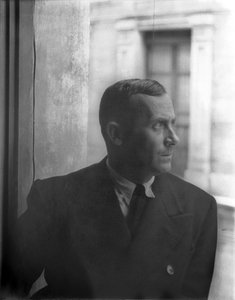
Joan Miró
1893 - 1983 , Španělsko
Rychlé informace
- Artistic Movement Or Style: Surrealismo
- Artists Or Movements Influenced By This Artist: ['Fauvismus']
- Artists Who Influenced This Artist:
- Pablo Picasso
- Cézanne
- Date Of Birth: 20 aprile 1893
- Date Of Death: 25 dicembre 1983
- Full Name: Joan Miró i Ferrà
- Nationality: Spagnolo
- Notable Artworks:
- La Poetisa
- Dům s palmy
- Tanečník s zrcadlem
- Place Of Birth: Barcelona, Spagna