
 Náhled
 Sdílet
 Sdílet
 Podrobnosti o díle

 Stáhnout
 Podobné položky
 Rentgenové snímky
 Slideshow
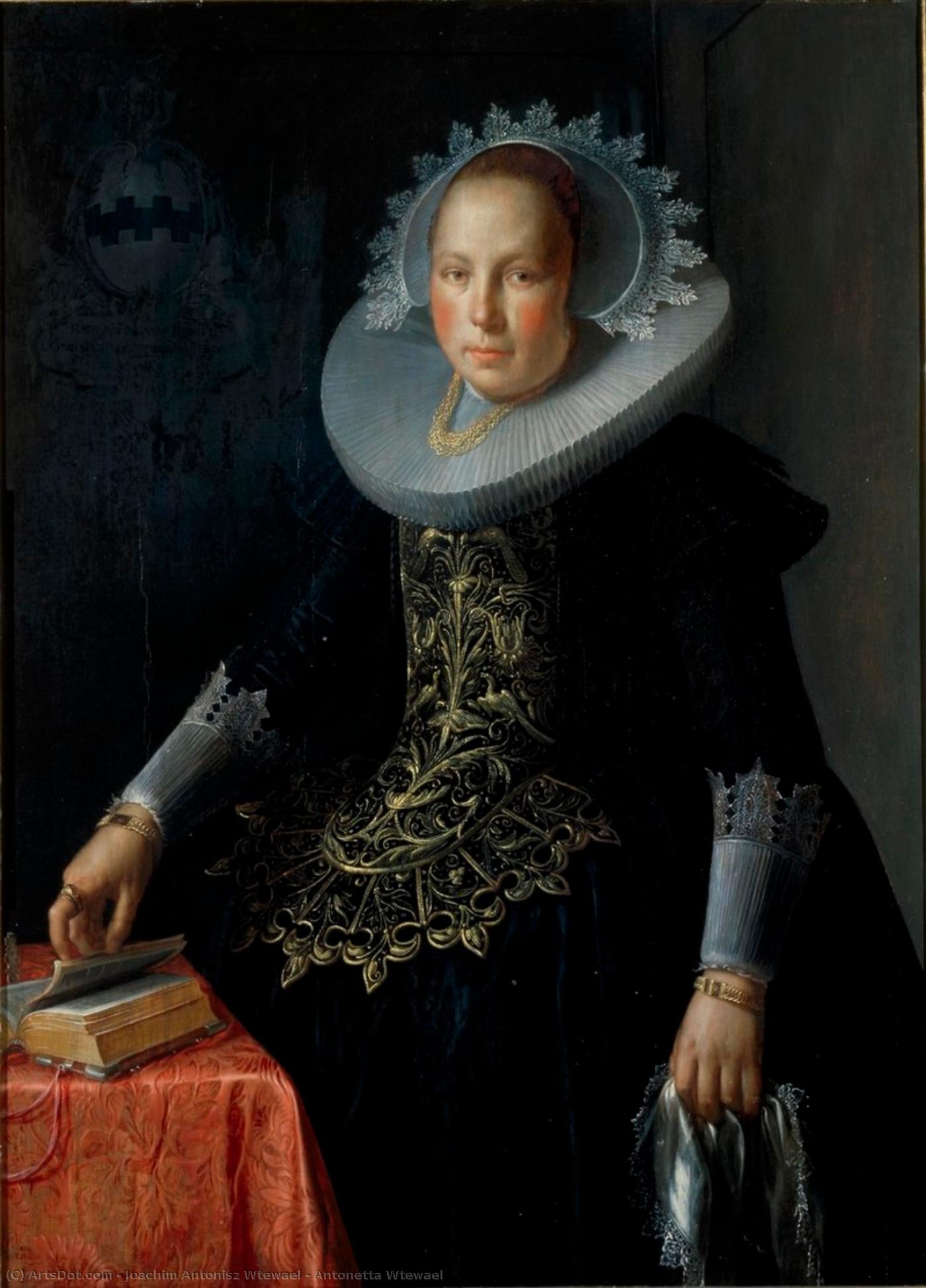
Antonetta Wtewael

 Zobrazit více
Ručně malovaná olejová reprodukce
Ručně malovaná olejná barva na plátně ve vašem zvoleném rozměru i s rámem, vyrobená našimi umělci na zakázku. ( Koupit tisk Koupit obrázek)




































Vyberte si z našich přednastavených velikostí, které odpovídají původním proporcím díla.

Můžete zadat vlastní rozměry pro konkrétní rám nebo prostor. Pokud se vámi vybraná velikost neshoduje s proporcemi původního obrazu, dílo buď ořízneme, nebo jej doplníme ručně malovanými prvky. Před zahájením výroby vám bude zaslán digitální náhled ke schválení.
Upozorňujeme, že náhled na obrazovce neodpovídá skutečnému ořezu ani rozšíření. Pouze digitální náhled přesně zobrazí finální kompozici.
Ačkoliv je možné zvolit vlastní velikost, pro zachování původních proporcí doporučujeme vybrat rozměr z předdefinovaného seznamu.
Po přijetí objednávky vám tým OriginalUniqueArt.com zašle e-mail s pokyny a poskytne náhledovou verzi.
Celosvětová doprava () za 3–4 týdny namísto standardních 5 týdnů. (14 srpen). Bez kompromisů v kvalitě.

Zdarma celosvětová expresní doprava

Vysoce kvalitní lněné plátno

Kompletní přepravní pojištění

Záruka vrácení celního poplatku

Záruka přesného barevného shodu

60denní lhůta pro vrácení zboží (pouze při vadách výroby)

100% garance vrácení peněz

Sleva při hromadné objednávce
 Skleněná varianta je dostupná pouze u rozměrů menších než 110 cm

Antonetta Wtewael
Technika reprodukce
Rozměry reprodukce
-


Celková cena za výběr
$ 300
Biografie umělce
The Enduring Polish of a Mannerist Master
Joachim Anthonisz Wtewael, a name whispered among connoisseurs of the Dutch Golden Age, remains a captivating figure whose art defies easy categorization. Born in 1566 and passing away in 1638, his life was as multifaceted as his canvases. While his artistic genius shone brightly, it is equally notable that he was also a successful flax merchant and an active town councillor of Utrecht. This dual existence—the meticulous artisan alongside the pillar of civic society—suggests a man whose life demanded both worldly acumen and profound creative focus. Wtewael’s signature style, however, possessed a remarkable consistency; it remained largely untouched by the sweeping naturalistic currents that were reshaping art across Europe during his lifetime.
A Journey Through Style and Influence
Wtewael's early training rooted him deeply in the sophisticated vocabulary of late 16th-century Haarlem Mannerism. His initial professional life saw him working as a glassmaker and engraver within his father’s workshop, an apprenticeship that undoubtedly honed his hand for intricate detail. A pivotal period arrived when he embarked on travels through Italy and France starting in 1586. These sojourns were crucial, exposing him to the rich artistic currents of the Second School of Fontainebleau. Yet, despite these influences, Wtewael possessed a unique internal compass. His work is characterized by figures that are masterfully drawn, possessing an almost porcelain-like polish, often arranged in poses that feel wonderfully capricious and dramatically charged.
Thematic Depth: Myth Meets Devotion
The body of his surviving work—comprising around one hundred paintings, alongside numerous drawings and stained glass designs—reveals a fascinating thematic duality. He was equally at home depicting profound religious narratives as he was celebrating the lush drama of classical mythology. Consider works such as Adoration of the Shepherds juxtaposed with Venus and Mars Surprised by Vulcan. These pieces showcase his remarkable ability to weave together conventional sacred subjects with pagan lore, often imbuing both realms with a palpable, sometimes strong erotic undercurrent that draws the viewer into its narrative embrace. His attention to detail is breathtaking; in works like Perseus and Andromeda, housed notably at the Mauritshuis museum in Utrecht, one can trace his unparalleled skill.
Historical Significance and Legacy
What makes Wtewael’s contribution so significant is precisely that resistance to change. While naturalism beckoned artists toward greater realism, Wtewael held fast to a polished, idealized aesthetic, creating a body of work that feels both historically situated and eternally vibrant. His cabinet paintings, executed on copper plates, are particularly distinctive and numerous, offering intimate glimpses into his artistic process. Though the final decade of his life saw him retreat from painting—a period possibly marked by personal sorrow following the passing of his wife—the impact of his vision endures. He gifted art history a style that remains both highly polished and wonderfully unpredictable.

joachim anthonisz wtewael
1566 - 1638
Rychlé fakta
- Artistic Movement Or Style: Mannerism
- Artists Who Influenced This Artist: ['Second school of Fontainebleau']
- Date Of Birth: 1566
- Date Of Death: 1638
- Full Name: Joachim Anthonisz Wtewael
- Nationality: Dutch
- Notable Artworks:
- Adoration of the Shepherds
- Venus and Mars surprised by Vulcan

