

 Náhled
 Sdílet
 Sdílet
 Podrobnosti o díle

 Stáhnout
 Podobné položky
 Rentgenové snímky
 Slideshow
Gabriel Manigault
 Acrylic On Canvas
- WallArt
- Rococo Style
 1757
1757 76.0 x 62.0 cm
 Metropolitní muzeum umění
 Zobrazit více
Ručně malovaná olejová reprodukce
Ručně malovaná olejná barva na plátně ve vašem zvoleném rozměru i s rámem, vyrobená našimi umělci na zakázku. ( Koupit tisk Koupit obrázek)




































Vyberte si z našich přednastavených velikostí, které odpovídají původním proporcím díla.

Můžete zadat vlastní rozměry pro konkrétní rám nebo prostor. Pokud se vámi vybraná velikost neshoduje s proporcemi původního obrazu, dílo buď ořízneme, nebo jej doplníme ručně malovanými prvky. Před zahájením výroby vám bude zaslán digitální náhled ke schválení.
Upozorňujeme, že náhled na obrazovce neodpovídá skutečnému ořezu ani rozšíření. Pouze digitální náhled přesně zobrazí finální kompozici.
Ačkoliv je možné zvolit vlastní velikost, pro zachování původních proporcí doporučujeme vybrat rozměr z předdefinovaného seznamu.
Po přijetí objednávky vám tým OriginalUniqueArt.com zašle e-mail s pokyny a poskytne náhledovou verzi.
Celosvětová doprava () za 3–4 týdny namísto standardních 5 týdnů. (15 srpen). Bez kompromisů v kvalitě.

Zdarma celosvětová expresní doprava

Vysoce kvalitní lněné plátno

Kompletní přepravní pojištění

Záruka vrácení celního poplatku

Záruka přesného barevného shodu

60denní lhůta pro vrácení zboží (pouze při vadách výroby)

100% garance vrácení peněz

Sleva při hromadné objednávce
 Skleněná varianta je dostupná pouze u rozměrů menších než 110 cm

Gabriel Manigault
Technika reprodukce
Rozměry reprodukce
-


Celková cena za výběr
$ 300
Popis díla
A Window Into Colonial Privilege: Jeremiah Theus’ Portrait of Gabriel Manigault
The Charleston studio of Jeremiah Theus (1716 – 1774) pulsed with the energy of the Rococo era, a period characterized by opulent ornamentation and an embrace of aristocratic grandeur. Amidst this artistic fervor, Theus produced a remarkable series of portraits documenting the lives of South Carolina’s wealthiest families—among them, the Manigault clan, whose patriarch and matriarch are immortalized in “Gabriel Manigault,” a painting measuring 76 x 62 cm created in 1757. This artwork transcends mere representation; it serves as a tangible testament to the social dynamics and material realities of colonial America.The Painter’s Vision: Rococo Style and Technique
Theus' artistic approach exemplifies the hallmarks of Rococo, prioritizing delicate brushstrokes, pastel hues, and asymmetrical compositions—elements designed to evoke beauty and refinement. Unlike the solemn formality of Neoclassical art that dominated Europe at the time, Rococo favored playful elegance and sensual indulgence. The meticulous layering of glazes achieved by Theus lends a luminous quality to the canvas, capturing not only Gabriel Manigault’s likeness but also an aura of aristocratic composure. Notice particularly how he skillfully renders the texture of Manigault's wig—a deliberate gesture reflecting the status symbol prevalent within Charleston society.A Legacy Shaped by Slavery and Rebellion
“Gabriel Manigault” is inextricably linked to the complex history of colonial South Carolina, specifically its reliance on enslaved labor. Gabriel Manigault’s fortune stemmed from rice plantations overseen by hundreds of individuals held captive—a stark reminder of the moral contradictions inherent in the era's prosperity. The painting itself bears witness to this reality through subtle visual cues: the inclusion of two figures flanking Manigault subtly underscores the familial bonds that underpinned the plantation system. However, recent scholarship has unearthed a more provocative interpretation – suggesting that the deliberate defacement of the canvas following the Civil War wasn’t merely vandalism but an act of iconoclasm fueled by formerly enslaved residents seeking to challenge the legacy of oppression. This reimagining elevates “Gabriel Manigault” beyond a portrait of wealth and privilege, transforming it into a symbol of resistance against entrenched social hierarchies.Symbolism Beyond Appearance: The Portrait as Document
The artist’s careful attention to detail extends far beyond capturing physical likeness. Jeremiah Theus employed symbolism to convey deeper meanings about his subjects—and by extension, the Manigault family's position within Charleston society. The pose of Gabriel Manigault—seated with a dignified gaze—communicates authority and stability. Furthermore, the inclusion of two additional figures represents familial connections and reinforces the importance of lineage in upholding social status. These elements contribute to an overall impression of cultivated refinement and reinforce the painting’s role as a historical document capturing a pivotal moment in American aristocratic history.Emotional Resonance: Capturing Essence Through Light
Ultimately, “Gabriel Manigault” succeeds in conveying an emotional resonance that transcends its formal conventions. The soft lighting employed by Theus imbues the portrait with warmth and tranquility—creating an atmosphere of contemplative serenity. This deliberate artistic choice invites viewers to contemplate not only Gabriel Manigault’s appearance but also his inner character—a feat accomplished through masterful technique and a profound understanding of human psychology. It remains a captivating piece, offering insight into both the aesthetic sensibilities of its time and the enduring power of art to illuminate historical narratives.Biografie umělce
Jeremiah Theus: Charleston’s Rococo Portraitist
Jeremiah Theus (1716 – 1774) stands as a singular figure in the annals of early American art, primarily recognized for his prolific output of portraits executed during the flourishing Rococo period in Charleston, South Carolina. Born in Chur, Switzerland, he arrived in America with his family around 1740, driven by the promise of land grants and colonial opportunity offered by the British Crown. This migration marked the beginning of a career dedicated to capturing the elegance and sophistication of Charleston’s elite society—a remarkable feat considering the artistic landscape of the time.Early Life & Training
Little is definitively known about Theus' formative years beyond his Swiss birthplace. However, circumstantial evidence suggests exposure to European artistic traditions, particularly Rococo style, which would profoundly influence his subsequent work. His family’s relocation to Charleston was driven by a desire for prosperity and security—a common aspiration among Protestants seeking refuge from persecution in Europe during this era. The precise details of his artistic training remain elusive, reflecting the limitations imposed upon artistic education in colonial America. Nevertheless, it is plausible that he honed his skills through observation and apprenticeship—skills essential for mastering the stylistic conventions of his time.Charleston Studio & Patronage
By 1740, Theus established a studio in Charleston’s bustling commercial district—a strategic location that ensured access to influential patrons and fueled his artistic endeavors. Advertisements in the *South Carolina Gazette* showcased his skills as a “limner,” or portrait painter, highlighting his commitment to serving the burgeoning colonial community. This proactive approach to marketing demonstrated Theus' understanding of the social dynamics of Charleston and underscored the importance of securing commissions from wealthy families—a cornerstone of success for artists operating within the colonial framework. His studio served not only as a workspace but also as a hub for artistic exchange, fostering connections between aspiring painters and established patrons alike.A Master of Rococo Style & Technique
Theus’ distinctive style is characterized by its adherence to Rococo principles—a movement originating in France that prioritized grace, ornamentation, and pastel hues. He skillfully adapted English artistic conventions prevalent during the era, resulting in portraits imbued with a sense of refined elegance and meticulous detail. His canvases frequently employed geometric shapes and subtle tonal variations to create atmospheric depth and convey emotion—techniques honed through observation and experience. Rococo’s emphasis on illusionistic perspective and delicate color palettes mirrored the aesthetic sensibilities of European aristocracy, influencing Theus' artistic vision and shaping his approach to portraiture. He meticulously rendered textures and draperies, capturing the nuances of light and shadow with remarkable precision—a testament to his technical prowess and unwavering dedication to artistic excellence.Notable Commissions & Artistic Legacy
Theus undertook numerous commissions throughout his career, demonstrating versatility and responsiveness to client needs. Among his accomplishments were the gilded steeple of St. Michael’s Episcopal Church (1756), a job for which the congregation's commissioners paid him 77 pounds and 10 shillings for his labor and supplies. He also painted the weather vane for Charleston’s City Hall; and contributed 50 pounds towards the building fund for a new structure; he later owned a selection of mezzotints derived from portraits of the English gentry. His most ambitious portraits are the three-quarter-length portrayals of Colonel and Mrs. Barnard Elliott (Gibbes Museum of Art in Charleston) and Mrs. Peter Manigault (Charleston Museum). For the high-style dresses of many female sitters Theus copied outfits worn in contemporary English portraits. These works stand as enduring symbols of Charleston’s social prestige—a testament to Theus' ability to capture not only physical likeness but also the spirit and character of his subjects. His paintings reside in prominent museums across America, ensuring that his artistic legacy continues to inspire admiration and scholarly inquiry for generations to come. ### Historical Significance & Enduring Influence Jeremiah Theus’ contribution to American art history extends beyond his individual achievements; he represents a crucial link between European artistic traditions and the nascent cultural identity of the United States. His work serves as a compelling visual record of Charleston’s social landscape—a testament to the dynamism and sophistication of colonial America. He elevated portraiture to an art form, transforming it from mere likeness into a vehicle for conveying emotion and expressing social status. Today, reproductions of his portraits continue to captivate audiences worldwide, ensuring that Theus' legacy persists as one of Charleston’s most distinguished artistic figures—a beacon of Rococo elegance in the formative years of American culture.
Jeremiah Theus
1716 - 1774 , Švýcarsko
Rychlé fakta
- Artistic Movement Or Style: Rokoko
- Artists Or Movements Influenced By This Artist: ['Francouzské rococo']
- Artists Who Influenced This Artist: ['John Wollaston']
- Date Of Birth: April 5, 1716
- Date Of Death: May 17, 1774
- Full Name: Jeremiah Theus
- Nationality: Švýcar
- Notable Artworks:
- Portrét Elizabeth Manigault
- Portrét Barnarda Elliott Jr.
- Place Of Birth: Chur, Switzerland
Související články

Top 10 mistrovských děl rokokového umění | OriginalUniqueArt.cz
Prozkoumejte 10 ikonických děl rokokového umění – Fragonard, Boucher a další. Objevte příběhy mistrů, techniky a pastelové barvy tohoto elegantního stylu. Reprodukce obrazů nejvyšší kvality na OriginalUniqueArt.cz!

The Rococo Aesthetic: Opulence, Rebellion & the Pursuit of Pleasure in 18th-Century Art
Explore the opulent world of Rococo art! Discover its origins, key artists like Watteau & Boucher, and lasting influence on design. Expert insights for collectors & enthusiasts.
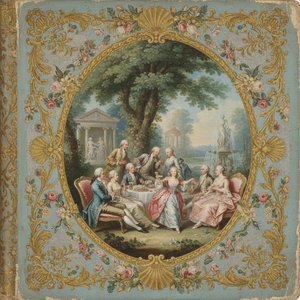
The Rococo Style: Aristocratic Leisure & the Pursuit of Delight in 18th-Century Art
Explore the opulent world of Rococo art! Discover Watteau, Boucher & Nattier's masterpieces. Expert insights for collectors seeking museum-quality reproductions and custom portraits at OriginalUniqueArt.

The Allure of Elegance in Art: A Historical & Aesthetic Exploration of Refinement & Grace
Explore the exquisite world of Rococo art! Discover its history, masters (Watteau, Boucher & more), and defining elegance. Expert insights for collectors seeking museum-quality reproductions & custom portraits.

Reflections of Power: Aristocratic Life in Western Art & the Rococo Era
Explore the captivating world of aristocratic life through Western art history. Discover Rococo masterpieces & portraits of European nobility. Expert insights for collectors and enthusiasts.


