
 Zobrazit v interiéru
 Odeslat
 Sdílet
 Podrobnosti
 Průvodce

 Stáhnout obrázek
 Podobné kousky
 Rentgenové snímky
 Slideshow
 Statistiky
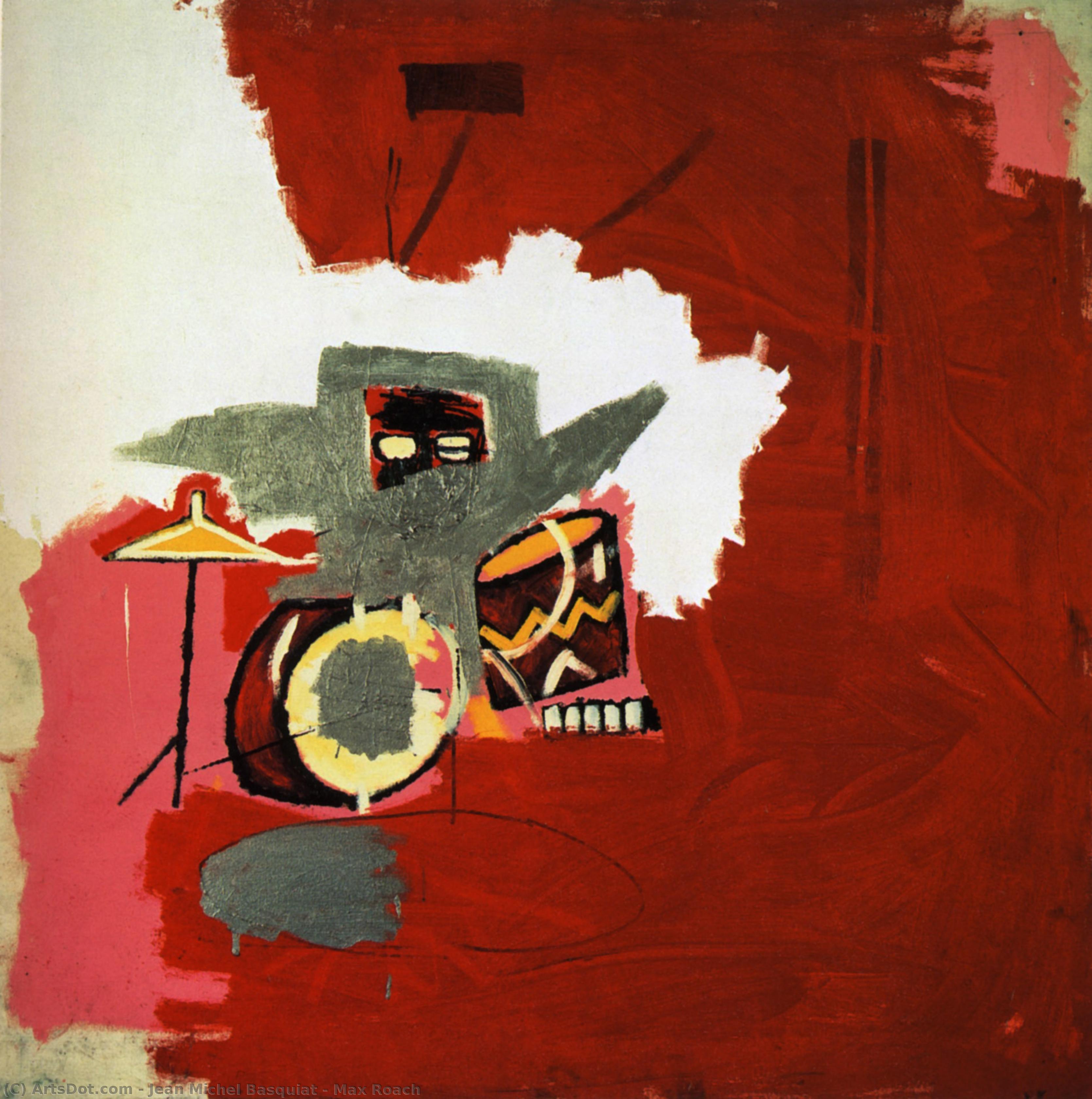
Max Roach
 Neo-Expressionism
 1984
1984 152.0 x 152.0 cm
 Přečíst si více
Zakupte si digitální obraz ve vysokém rozlišení a vylepšeném provedení, který nabízí mnohem vyšší kvalitu než online náhled.
Každý soubor je pečlivě připraven našimi specialisty s využitím pokročilých nástrojů a odborné manuální retuše. Zajišťujeme, aby každý obraz disponoval výjimečnou ostrostí, přesnou barevnou věrností a jemnými detaily.
Finální soubor vám bude do 72 hodin zaslán e-mailem, optimalizovaný pro okamžité použití v profesionálním, redakčním i tiskovém prostředí. Nabízíme stejnou kvalitu, které důvěřují špičková designová studia, nakladatelství i galerie.
Digitální obrazy
Stáhněte si soubor ve vysokém rozlišení pro osobní prohlížení, tisk a kreativní projekty. ( Přepnout na tiskové verze Objednat ručně malovanou reprodukci)
Součást každé objednávky digitálního obrazu
Exponenciální digitální doručení, zaručené
Když si vyberete OriginalUniqueArt.com, nezískáváte pouze obrázek – získáváte digitální umělecké dílo s profesionálně vylepšenými detaily, zpracované s precizností a podpořené zárukou za spokojenost. Zde je vše, co vaše objednávka automaticky obsahuje:

Bleskové doručení e-mailem
Váš digitální obraz ve vysokém rozlišení vám bude zaslán e-mailem do 72 hodin od objednávky – připraven k okamžitému použití.

Digitální soubor s podporou AI
Vaše umělecké dílo je profesionálně optimalizováno pomocí pokročilých nástrojů umělé inteligence a manuální úpravy, což zajišťuje maximální úroveň detailu, ostrosti a přesnosti barev.

Doživotní bezplatné znovuodeslání
Soubor jste omylem smazali nebo ztratili? Žádný problém – kdykoliv vám ho znovu zašleme zcela zdarma.

Bez poplatků za dovoz – navždy
Užijte si své umělecké dílo okamžitě bez celních poplatků, daní nebo nákladů na dopravu – digitální stažení je vždy bez daňových povinností.

Záruka přesnosti barev
Díky profesionálním nástrojům a správě barev zajišťujeme, aby váš digitální obraz odrážel původní barvy co nejvěrněji.

100dená záruka spokojenosti
Pokud nebudete s digitálním obrázkem spokojeni, provedeme jeho revizi nebo vám vrátíme 100% platby do 100 dnů – bez jakýchkoliv dotazů.

100% záruka vrácení peněz
Nespokojeni? Získejte plnou náhradu peněz do 100 dnů od obdržení digitálního souboru – bez zbytečných dotazů.

Slevy při hromadných objednávkách
Při koupi 3 obrazů ušetříte 10% – Při koupi 5 obrazů ušetříte 15% – Při koupi 10+ obrazů ušetříte 20%. Ideální pro kreativní projekty, galerie a agentury.
Biografie umělce
A Brooklyn Beginning and the Rise of SAMO
Jean-Michel Basquiat erupted onto the 1980s art scene as a force of raw energy and intellectual depth, an impact that continues to resonate profoundly today. Born on December 22, 1960, in Brooklyn, New York, to a Haitian father and Puerto Rican mother, his upbringing was a vibrant tapestry woven with diverse cultures and languages—Spanish, English, and French filled his childhood home. This multilingual environment, coupled with his mother’s dedication to artistic pursuits—she enrolled him as a Junior Member of the Brooklyn Museum at age six—laid an early foundation for his creative journey. However, Basquiat's life wasn’t without hardship; a car accident at eight years old resulted in a splenectomy and a period of convalescence during which he became captivated by a copy of *Gray’s Anatomy* gifted by his mother. The book’s detailed illustrations would later profoundly influence the anatomical imagery that frequently appears in his work, becoming a haunting motif throughout his career. Before achieving recognition as a painter, Basquiat made his mark under the pseudonym SAMO, alongside friend Al Diaz. Together they covered Lower Manhattan with cryptic, poetic graffiti—epigrams challenging societal norms and questioning established power structures. These weren’t mere tags; they were thought-provoking statements that captured the spirit of the burgeoning hip-hop culture and the gritty energy of 1970s New York City. SAMO was more than just street art; it was a philosophical intervention, a visual disruption designed to provoke dialogue and challenge perceptions.
Neo-Expressionism and Artistic Innovation
By the early 1980s, Basquiat transitioned from graffiti to canvas, rapidly gaining recognition within the New York art world. His paintings weren’t easily categorized; they were a unique synthesis of influences ranging from Abstract Expressionism to tribal art, comic books, and historical painting. He became a central figure in the Neo-Expressionist movement, though he resisted easy labeling. His canvases are characterized by a frenetic energy—a chaotic layering of text, symbols, figures, and colors. Basquiat’s technique was deliberately raw and improvisational, often incorporating collage, scratching, and dripping paint. He wasn't interested in technical perfection; instead, he sought to convey emotion, ideas, and social commentary with visceral immediacy. Recurring motifs—crowns, skulls, anatomical diagrams, words crossed out or repeated—became his signature visual language. The crown, perhaps his most iconic symbol, has been interpreted as a representation of aspiration, self-mythologization, and the complexities of Black identity in America. His work frequently grappled with themes of wealth versus poverty, integration versus segregation, and the internal struggles of the individual within society. Paintings like *Piscine versus the Best Hotels (or various loin)* exemplify his ability to juxtapose seemingly disparate elements—luxury and deprivation, beauty and decay—creating a powerful commentary on social inequalities. Basquiat’s art was not merely about what he depicted but how he depicted it, creating a visual language that was both deeply personal and universally resonant.
Collaboration, Recognition, and a Tragic End
Basquiat’s ascent was meteoric. In 1982, at just twenty-one years old, he participated in Documenta in Kassel, Germany, becoming the youngest artist ever to exhibit there. The following year, he showcased his work at the Whitney Biennial, further solidifying his position within the art establishment. A pivotal moment came with his friendship and artistic collaboration with Andy Warhol. The two artists pushed each other creatively, exploring themes of consumerism, celebrity, and mass media in a series of collaborative paintings. While their partnership was complex and sometimes fraught with tension, it undoubtedly elevated both artists’ profiles. Despite achieving international acclaim and financial success, Basquiat struggled with the pressures of fame and his ongoing battle with drug addiction. His work became increasingly introspective and darker as he grappled with personal demons and societal injustices. Tragically, Jean-Michel Basquiat died on August 12, 1988, at the age of twenty-seven from a heroin overdose. His untimely death cemented his status as a tragic figure—a brilliant artist whose life was cut short by addiction and the complexities of navigating the art world.
Key Works & Themes
Here are some defining works that encapsulate Basquiat’s artistic vision:
- Untitled (Skull): A powerful representation of mortality and the African diaspora, achieving record-breaking auction prices.
- Piscine versus the Best Hotels (or various loin): Exemplifies Basquiat’s juxtaposition of wealth and poverty, showcasing his unique artistic style.
- Portrait of the Artist as a Young Derelict: A self-portrait that embodies themes of identity, alienation, and societal critique.
- Hollywood Africans: Explores African American history and culture through symbolic imagery and textual elements.
Basquiat’s art consistently addressed issues of racial inequality, the legacy of colonialism, and the complexities of Black identity. He used his platform to challenge dominant narratives and give voice to marginalized communities. His work remains profoundly relevant today, prompting viewers to confront uncomfortable truths about society and their own biases. He wasn't simply an artist; he was a cultural commentator, a poet, and a visionary who left an indelible mark on the art world and beyond.
Legacy and Lasting Influence
In the years since his death, Basquiat’s reputation has only grown. His work continues to captivate audiences with its raw energy, intellectual depth, and unflinching social commentary. In 2017, *Untitled* (1982), a powerful depiction of a skull, sold for $110.5 million at Sotheby's, setting a new record for any U.S. artist at auction—a testament to the enduring value and cultural significance of his work. Basquiat’s influence can be seen in the work of countless contemporary artists, particularly those who explore themes of identity, race, and social justice. He paved the way for a more diverse and inclusive art world, challenging traditional notions of artistic expression and representation. His ability to seamlessly blend high and low culture—graffiti, fine art, music, poetry—continues to inspire artists today. He remains a potent symbol of creative rebellion, intellectual curiosity, and the power of art to challenge the status quo.

Jean Michel Basquiat
1960 - 1988 , Spojené státy americké
Rychlé informace
- Artistic Movement Or Style: Neo-expresionismus
- Artists Or Movements Influenced By This Artist: ['Současný umělecký výtvor']
- Artists Who Influenced This Artist:
- Abstraktní expresionisté
- Tribální umění
- Komedie
- Date Of Birth: 22. prosince 1960
- Date Of Death: 12. srpna 1988
- Full Name: Jean-Michel Basquiat
- Nationality: Američan
- Notable Artworks:
- Untitled (Skull)
- Piscine vs. Hotely
- Portrét umělce jako mladého zchudlíka
- Place Of Birth: Brooklyn, USA