

 Náhled v interiéru
 Sdílet
 Sdílet
 Podrobnosti o díle
 Průvodce

 Stáhnout
 Podobné položky
 Rentgenové snímky
 Slideshow
 Q&A
Q&A Statistiky
Diane and the Stag
 Acrylic On Canvas
- WallArt
- Mannerist Sculpture
 1550
1550 211.0 x 258.0 cm
 Louvr
Louvr
 Zobrazit více
Giclée / Umělecký tisk
Giclée nebo plátěný tisk muzeální kvality s rychlou výrobou a širokou nabídkou povrchových úprav. ( Koupit ručně malovaný obraz Přepnout na digitální obraz)




P118B Kč10

P118H Kč10

P118W Kč10

P438Z Kč10

P508JH Kč12

P508YH Kč12

P805H Kč10

P805Z Kč10

P919BZ Kč10

P919G Kč10

P919XJ Kč10

P959ZH Kč10

P968JZ Kč12

W106C Kč8

W218G Kč10

W218JH Kč8

W218Y Kč10

W307PJ Kč10

W316G Kč10

W316PJ Kč8

W316Y Kč10

W398PJ Kč8

W4111J Kč10

W500HY Kč15

W500JH Kč15

W692G Kč12

W849H Kč8

W940BG Kč15

W953PJ Kč8




Vyberte si z našich přednastavených velikostí, které odpovídají původním proporcím díla.

Zadejte šířku a výšku, které potřebujete pro váš rám nebo stěnu. Tisk lze pouze oříznout, nikdy však nelze zvětšit obraz nad jeho původní rozměr, proto při výběru jiného formátu dochází ke ztrátě části obrazu. Před samotným tiskem vám zašleme digitální náhled k schválení. Obraz zobrazený na této stránce nenabízí skutečný výřez — ten uvidíte pouze v náhledu.
Celosvětové doručení () do 2 týdnů namísto standardních 4/5 týdnů. (29 říjen)

Zdarma celosvětová expresní doprava

Vysoce kvalitní lněné plátno

Kompletní pojištění přepravy

Záruka vrácení celního poplatku

Záruka věrného barevného souladu

100dení lhůta pro vrácení zboží (pouze při vadách výroby)

100% záruka vrácení peněz

Sleva při více objednávkách
 Skleněná varianta je dostupná pouze u rozměrů menších než 110 cm

Diane and the Stag
Giclée / Umělecký tisk
Rozměry reprodukce
-


Celková cena za vybrané možnosti reprodukcí
Kč 1724
The Enigmatic Huntress: Jean Goujon’s “Diane and the Stag”
Jean Goujon's "Diane and the Stag," painted around 1550, isn't merely a depiction of a hunt; it’s a carefully constructed tableau brimming with allegorical weight and Renaissance grace. The painting immediately draws the eye to its central figure: Diane, the Roman goddess of the hunt, rendered in exquisite detail against a subtly textured background. She sits poised on a simple pedestal, her posture radiating both strength and serene contemplation – a captivating blend of predatory instinct and contemplative awareness. The deer at her feet aren’t passive victims; they possess an alert, almost intelligent gaze, suggesting a complex relationship between hunter and hunted, predator and prey. The composition isn't chaotic; rather, it’s meticulously balanced, reflecting the humanist ideals that were blossoming during the High Renaissance.
Goujon’s mastery lies in his ability to infuse classical motifs with a distinctly Mannerist sensibility. Notice the elongated forms of Diane’s limbs and the delicate drapery cascading around her – hallmarks of this style, which prioritized elegance and stylized movement over strict realism. The use of light is particularly noteworthy; it's diffused and atmospheric, creating a sense of depth and mystery within the scene. The muted palette—earth tones punctuated by subtle hints of crimson—contributes to the painting’s overall mood of quiet intensity.
A Tapestry of Symbolism
Beyond its aesthetic beauty, “Diane and the Stag” is rich in symbolic meaning. Diane herself represents not just the hunt but also chastity, virtue, and the wildness of nature. The stag, a frequent symbol in Renaissance art, embodies nobility, strength, and even sacrifice – qualities often associated with Diana’s role as a protector of young women. The two antlers above her head are particularly intriguing; they could be interpreted as representations of a goat or even a stylized depiction of the moon, adding layers of mythological allusion to the scene. The inclusion of the deer at her feet isn't simply decorative; it underscores the cyclical nature of life and death, mirroring the hunt’s inherent drama.
Furthermore, the painting can be viewed as an allegory for the human condition – a meditation on themes of control versus instinct, beauty versus brutality. Diane’s deliberate stance suggests a mastery over her surroundings, yet the presence of the deer reminds us of our vulnerability and dependence on the natural world. It's a delicate dance between power and submission, order and chaos.
Craftsmanship and Context
Goujon was one of the most prominent sculptors and architects of his time, working primarily in Rouen and later in Paris. His career coincided with a period of immense artistic innovation, as French art moved away from the rigid conventions of the Gothic era and embraced the dynamism and expressive qualities of the Renaissance. “Diane and the Stag” exemplifies this transition, showcasing Goujon’s ability to synthesize classical influences with his own unique style.
The painting was likely commissioned for a private patron, perhaps a wealthy nobleman or member of the court. The subject matter—a hunt scene—was popular during the Renaissance, reflecting the aristocratic pursuit of sport and the idealized vision of nature as a source of pleasure and prestige. It’s believed to have been part of a larger decorative scheme within a lavish interior, adding a touch of elegance and sophistication to its surroundings.
A Legacy of Elegance
“Diane and the Stag” remains a captivating work of art, offering viewers a glimpse into the artistic sensibilities of the High Renaissance. Its masterful composition, evocative symbolism, and exquisite craftsmanship continue to resonate today, inspiring admiration for Goujon’s skill and vision. Reproductions of this painting capture not only its visual beauty but also the profound depth of meaning embedded within its intricate details – a timeless testament to the enduring power of art to illuminate the human experience.
Otázky a odpovědi
Jak je popsána barevná paleta díla „Diane and the Stag“ od Jean Goujon?
Dílo „Diane and the Stag“ od Jean Goujon využívá Earthy barevnou paletu, která definuje celkový barevný charakter celé práce.
Jsou barvy díla „Diane and the Stag“ od Jean Goujon živé, nebo tlumené?
Barva díla „Diane and the Stag“ má nasycení na úrovni Balanced Soft a intenzitu Balanced.
Jak sytá je paleta díla "Diane and the Stag"?
Nasycení barevné palety díla "Diane and the Stag" je na úrovni Balanced Soft.
Biografie umělce
Sochař, který utkal pařížskou eleganci
Jean Goujon (kolem 1510 – kolem 1567) stojí jako jeden z pilířů francouzského renesančního sochařství a architektury, jenž v sobě spojuje stylistický žár manýrismu s pevným ukotvením v klasických ideálech. Ačkoliv se narodil v Normandii a jeho rané život zůstává zahalen mlhou neznámosti, jeho mimořádná tvorba ho rychle ugruntovala jako jeden z nejvýznamnějších umělamak hlasů své éry – což je jasné svědectví jeho neuvěřitelného talentu a neochvějné oddanosti řemeslu. Goujonova cesta začala formujícími zkušenostmi v Itálii, kde nasávl velkolepost římské sochařské tradice a její principy integroval do svého vlastního, nezaměnitelného stylu. Tento vliv je hmatatelně přítomný v celém jeho díle, zejména pak v mistrovském zpracování záhybů oděvů a anatomické přesnosti.
Jeho umělecký vzestup začal v katedrále v Rouen (1541–42), kde se chopil monumentálního úkolu – vytesat tombový monument pro Louisa de Brézé, pána d'Anet – což byla zakázka, která předvedla jeho rostoucí dovednost a ambici. Tento odvážný projekt upevnil jeho pověst vycházející hvězdy na francouzské sochařské scéně. Současně si zdokonaloval své architektonické schopnosti u kostela Saint-Maclou, kde prokázal vrozenou schopnost spojit uměleckou vizi se strukturální inženýrií. Vzniklá stavba stojí jako nádherný příklad renesanční sakrální architektury, odrážející Goujonovo odhodlání k estetické kráse i funkční integritě.
Partnerství vizionární velkoleposti
Po přestěhování do Paříže v roce 1544 vstoupil Goujon do zásadního partnerství s Pierrem Lescotem, architektem dohlížejícím na ambiciózní rekonstrukci katedrály Saint-Germain-l'Auxerrois. Společně navrhli a realizovali dechberoucí sochařské dekorace – nejvýraznějším je ambo – mistrovské dílo, které ztělesňuje Lescotův neklasický smysl i Goujonovu mistrovskou techniku zpracování záhybů. Tato éra spolupráce definovala vizuální jazyk francouzské renesance, neboť Goujon začal vnášet do kamene pocit plynulého pohybu a éterické elegance.
Vrchol jeho vlivu je snad nejviditelnější v jeho příspěvcích k Louvru. Jeho práce na Fasádě Cour Carrée (křídlo Lescot) zůstává ikonickým úspěchem, který ukazuje klasickou eleganci prostřednictvím intricate výřezů odrážejících francouzský umělecký brilantní lesk. V těchto dílech lze pozorovat jemnou hru světla a stínu na sochařských postavách, což je projev jeho schopnosti vdechnout život studenému mramoru. Jeho mistrovství se rozšířilo i na Fasádu Louvru (detail), kde jeho mimořádná pozornost k detailu vytvořila mistrovské dílo manýristického stylu, prolínající klasickou eleganci s bohatým ornamentem, který oklamává diváky i stovky let později.
Odkaz elegance a klasické formy
Goujonův odkaz je definován bezkonkurenční schopností harmonizovat napětí manýrismu se sérénitou klasicismu. Jeho sochy často zobrazují nymfy a alegorické postavy, které se zdají v rámci svého architektonického prostředí vznášet, což je technika nejvýrazněji realizovaná v jeho Karyatidách. Těchto deset mistrovských postav představuje vrchol francouzského renesančního sochařství 16. století a přináší divákovi pocit klasické velkoleposti a sofistikované elegance. Skrze tato díla Goujon dělal víc než jen dekoroval budovy; on vytesal samotnou identitu francouzského estetického vybranosti.
Historický význam jeho práce nelze přehodnotit, neboť jeho přístup k anatomii a draperii ovlivnil generace evropských umělců. Jeho schopnost proměnit těžký kámen v plynulé, rytmické formy stanovila standard pro francouzský klasicismus, který přetrval dlouho po jeho smrti. Dnes slouží pozůstatky jeho génia – od drobných detailů křídel Louvru až po jeho hluboký vliv na architektonickou ornamentiku – jako trvalé svědectví muži, který skutečně utkal eleganci Paříže.

Jean Goujon
1510 - 1567 , Francie
Rychlé informace o umělci
- Artistic Movement Or Style: Mannerismus
- Artists Or Movements Influenced By This Artist: ['Francouzský klasicismus']
- Artists Who Influenced This Artist: ['Michelangel']
- Date Of Birth: cca 1510 Normandie, Francie
- Date Of Death: cca 1567
- Full Name: Jean Goujon
- Nationality: Francouzská
- Notable Artworks:
- Nymfy (detail)
- Pieta
- Válka a mír
- Fontaine des Innocents
- Sochy z Louvru
- Place Of Birth: Normandie, Francie
Související články
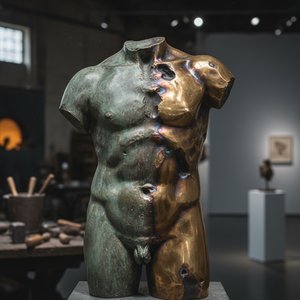
Trvalé dědictví bronzového sochařství: Historie, techniky a současné interpretace
Prozkoumejte historii a techniky bronzového sochařství. Průvodce pro sběratele, investory i milovníky umění. Objevte hodnotu a dědictví bronzu.

10 legendárních bronzových mistrovských děl, která změnila umění | OriginalUniqueArt
Objevte 10 legendárních bronzových mistrovských děl od Rodina, Donatella a dalších. Ponořte se do historie umění a nechte se inspirovat nadčasovými sochařskými replikami pro váš interiér. Prozkoumejte celou kolekci online na OriginalUniqueArt.com!

The Enduring Form: Exploring Themes & Techniques in Sculpture Across Historical Periods
Explore the rich history of sculpture from ancient masterpieces to contemporary innovations. Discover key techniques, influential artists & investment potential for discerning art collectors.

10 legendárních bronzových soch, které změnily umění | OriginalUniqueArt
Objevte 10 legendárních bronzových soch od Michelangela, Rodina a dalších mistrů! Ponořte se do historie umění, technik a příběhů za těmito nadčasovými díly. Najděte inspiraci pro váš interiér s OriginalUniqueArt.com – repliky nejvyšší kvality.

The Enduring Form: Sculpture Across History, Technique & Emotional Resonance
Explore the rich history of sculpture with OriginalUniqueArt. Discover key techniques, influential artists & investment potential for discerning collectors. Expert insights into valuing and collecting timeless masterpieces.