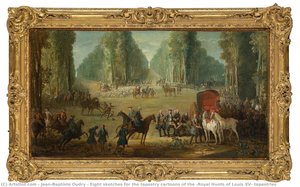
Náhled v interiéru
 Sdílet
 Sdílet
 Podrobnosti o díle
 Průvodce

 Stáhnout
 Podobné položky
 Rentgenové snímky
 Slideshow
 Otázky a odpovědi
 Statistiky
Farmhouse

- 130.0 x 212.0 cm


 Zobrazit více
Giclée / Umělecký tisk
Giclée nebo plátěný tisk muzeální kvality s rychlou výrobou a širokou nabídkou povrchových úprav. ( Koupit ručně malovaný obraz Přepnout na digitální obraz)




P118B Kč10

P118H Kč10

P118W Kč10

P438Z Kč10

P508JH Kč12

P508YH Kč12

P805H Kč10

P805Z Kč10

P919BZ Kč10

P919G Kč10

P919XJ Kč10

P959ZH Kč10

P968JZ Kč12

W106C Kč8

W218G Kč10

W218JH Kč8

W218Y Kč10

W307PJ Kč10

W316G Kč10

W316PJ Kč8

W316Y Kč10

W398PJ Kč8

W4111J Kč10

W500HY Kč15

W500JH Kč15

W692G Kč12

W849H Kč8

W940BG Kč15

W953PJ Kč8




Vyberte si z našich přednastavených velikostí, které odpovídají původním proporcím díla.

Zadejte šířku a výšku, které potřebujete pro váš rám nebo stěnu. Tisk lze pouze oříznout, nikdy však nelze zvětšit obraz nad jeho původní rozměr, proto při výběru jiného formátu dochází ke ztrátě části obrazu. Před samotným tiskem vám zašleme digitální náhled k schválení. Obraz zobrazený na této stránce nenabízí skutečný výřez — ten uvidíte pouze v náhledu.
Celosvětové doručení () do 2 týdnů namísto standardních 4/5 týdnů. (5 listopad)

Zdarma celosvětová expresní doprava

Vysoce kvalitní lněné plátno

Kompletní pojištění přepravy

Záruka vrácení celního poplatku

Záruka věrného barevného souladu

100dení lhůta pro vrácení zboží (pouze při vadách výroby)

100% záruka vrácení peněz

Sleva při více objednávkách
 Skleněná varianta je dostupná pouze u rozměrů menších než 110 cm

Farmhouse
Giclée / Umělecký tisk
Rozměry reprodukce
-


Celková cena za vybrané možnosti reprodukcí
Kč 1756
A Pastoral Dream in Rococo Hues
To gaze upon Jean-Baptiste Oudry's "Farmhouse" is to step directly into an idealized vision of 18th-century French rural life. This painting, executed in 1750, transcends a mere depiction of farmstead; it is a carefully orchestrated symphony of light, color, and pastoral tranquility. The Rococo style, with its inherent lightness and elegant exuberance, bathes the entire scene in a soft, almost dreamlike glow. One feels an immediate sense of calm wash over the viewer as the eye wanders from the rustic farmhouse, crowned with its thatched roof, across the fertile expanse of farmland stretching toward the horizon.
Mastery of Light and Detail
Oudry’s technical brilliance is immediately apparent in every meticulously rendered element. His handling of light is nothing short of masterful; it seems to emanate naturally from the scene itself, highlighting the textures of the wood, the softness of the sheep's wool, and the delicate folds of the clouds overhead. The composition is a study in balance, framed beautifully by lush trees that flank both sides, lending an almost theatrical depth to the foreground. Notice the scattered life—the contented cows grazing near the structure, the busy chickens pecking at the earth. These animals are not mere props; they imbue the scene with palpable vitality, suggesting the rhythm of daily existence.
Symbolism of Abundance and Harmony
Beyond its surface beauty, "Farmhouse" carries deep symbolic weight. It speaks to an era's idealized relationship with nature—a time when agricultural bounty was celebrated as a source of both sustenance and aesthetic pleasure. The combination of the thriving farmland, the sheltering farmhouse, and the gentle presence of human figures engaged in labor suggests themes of harmony, prosperity, and settled domestic bliss. Even the inclusion of farm implements hints at a life lived in respectful partnership with the land.
Bringing the Countryside Home
For the collector or designer seeking to infuse a space with timeless elegance, this piece offers unparalleled depth. The warm palette, dominated by rich earth tones punctuated by soft pastels, ensures that "Farmhouse" can anchor any room, whether it be a grand salon yearning for rustic charm or a sunlit breakfast nook desiring an air of cultivated serenity. Owning a reproduction allows one to possess not just a painting, but a tangible piece of 18th-century French artistry—a window into a bygone era of idyllic simplicity and exquisite craftsmanship.
Otázky a odpovědi
Jaký národní původ stojí za stylem Rococo Style u díla „Farmhouse“?
Dílo „Farmhouse“ vytvořil/a Jean-Baptiste Oudry, narozený/á v Francie, v rámci směru Rococo Style. Původ umělce/umělkyně propojuje toto dílo s Rococo Style, jak jej praktikují umělci z Francie.
Jaké umístění se hodí k formátu díla „Farmhouse“ od Jean-Baptiste Oudry?
Dílo v Panoramic formátu, reprodukce díla „Farmhouse“, se doporučuje do Living Room.
Jak spolu v díle "Farmhouse" ladí barvy?
Barvy díla „Farmhouse“ od Jean-Baptiste Oudry vykazují Balanced Harmony harmonii. Harmonie popisuje vzájemný vztah barev k sobě navzájem.
Biografie umělce
Jean-Baptiste Oudry: Život v umění
Raný život a vzdělání
- Narozen: 17. března 1686, Paříž, Francie.
- Oudry pocházel z umělecké rodiny; jeho otec, Jacques Oudry, byl malířem a obchodníkem s uměním. Jeho matka, Nicole Papillon, byla příbuzná se slavným rytcem Jean-Baptiste-Michel Papillonem.
- Své vzdělání zahájil v Académie de Saint-Luc, kde se v letech 1707 až 1712 učil pod dohledem Nicolase de Largillière. Toto základní období formovalo jeho rané schopnosti v oblasti portrétництва a pozorování detailů.
- V uměleckém světě rychle postupoval, v roce 1714 se stal asistentem profesora na Académie de Saint-Luc a již do roku 1717 získal titul plného profesora.
Umělecký rozvoj a styl
- Ačkoliv se zpočátku zaměřoval především na portrétní malbu, Oudry postupně rozšiřoval svůj repertoár o záložní obrazy, zejména stillity s ovocem a zvířaty, a také o náboženská témata.
- Jeho styl se vyvinul směrem k rocoku, který byl charakteristický elegancí, naturalismem a hravým zobrazením aristokratického života a volného času.
- Oudryho mimořádná pozornost k detailu a schopnost zachytit textury a specifické rysy zvířat se staly nekorunovanými znaky jeho díla.
- Projevil naprosté mistrovství jak v malířství, tak v návrhářství, díky čemuž dokázal plynule přecházet od tvorby na plátně k tvorbě tkaninových tapiserií.
- Pastýřské zábavy (Les Amusements Champêtres): Série tapiserií navržených pro Královskou manufakturu Beauvais, která představuje idylické scény venkovského života a lovu.
- Ludvík XV. lovící jel v lese Saint-Germain (1730): Tento obraz upevnil Oudryho pověst oficiálního malíře královských lovů. Je dokonalým příkladem jeho schopnosti zachytit jak velkolepost lovu, tak krásy přirozeného prostředí.
- Královské lovy Ludvíka XV. (Chasses Royales Gobelins): Série návrhů na tapiserie pro manufakturu Gobelins, která dále ugruntovala Oudryho význam jako předního návrháře tkanin.
- Početné portréty ulovené zvěře na zakázku krále Ludvíka XV., které demonstrují jeho hlubokou znalost anatomie zvířat a mistrovství v kompozici záložních obrazů.
Vlivy a odkaz
- Ovlivněn: Nicolas de Largillière hrál zásadní roli v Oudryho raném rozvoji, neboť mu poskytl základní výcvik v portrétnictví a technice.
- Oudryho dílo ovlivnilo následující generace malířů zvířat i návrhářů tapiserií. Jeho naturalistický styl a smysl pro detail nastavily nový standard pro zobrazení divoké zvěře.
- Významně přispěl k dekorativnímu umění francouzského dvora tvorbou luxusních tapiserií, které zdobily královské rezidence.
Historický význam
- Oudryho práce poskytuje cenný pohled do aristokratického života 1 যাইহোক 18. století a na důležitost lovu jako koníčka francouzské šlechty.
- Jeho tapiserie jsou považovány za mistrovská díla francouzského dekorativního umění, která vykazují technickou zručnost a uměleckou kreativitu celé éry.
- Byl jmenován na prestižní pozice v Académie Royale de Peinture et de Sculpture, což dokládá jeho uznání jako předního umělce své doby.
- Zemřel: 30. dubna 1755, přičemž po sobě zanechal odkaz mimořádných obrazů a tapiserií, které jsou obdivovány i dnes.

Jean-Baptiste Oudry
1686 - 1755 , Francie
Rychlé informace o umělci
- Artistic Movement Or Style: Rokoko
- Artists Or Movements Influenced By This Artist: Žádné známé
- Artists Who Influenced This Artist: Nicolas de Largillière
- Date Of Birth: 17. března 1686
- Date Of Death: 30. dubna 1755
- Full Name: Jean-Baptiste Oudry
- Nationality: Francouzský
- Notable Artworks:
- Les Amusements Champêtres
- Lov Louis XV
- Place Of Birth: Paříž, Francie
Související články
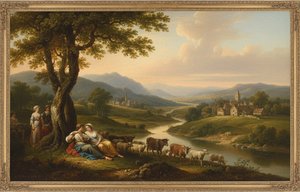
Idyllic Visions: Exploring the Pastoral Tradition in Western Art – Themes, Techniques & Enduring Appeal
Explore the rich history of pastoral art from classical Arcadia to contemporary interpretations. Discover key artists, themes & collecting tips at OriginalUniqueArt.

Léon Augustin L'Hermitte: Capturing the Soul of French Rural Life
Discover the captivating realist paintings of Léon Augustin L'Hermitte, masterfully depicting French rural life. Explore his technique, influences & legacy – a cornerstone of 19th-century art.

Top 10 mistrovských děl rokokového umění | OriginalUniqueArt.cz
Prozkoumejte 10 ikonických děl rokokového umění – Fragonard, Boucher a další. Objevte příběhy mistrů, techniky a pastelové barvy tohoto elegantního stylu. Reprodukce obrazů nejvyšší kvality na OriginalUniqueArt.cz!
Animalia: Trvalá přítomnost zvířat v umění a interiérovém designu
Prozkoumejte trvalý vliv zvířat v umění a designu interiéru. Od středověké symboliky po moderní interpretace – objevte skryté významy a inspiraci pro váš domov.

The Rococo Aesthetic: Opulence, Rebellion & the Pursuit of Pleasure in 18th-Century Art
Explore the opulent world of Rococo art! Discover its origins, key artists like Watteau & Boucher, and lasting influence on design. Expert insights for collectors & enthusiasts.