Přepnout na tisk
 Zobrazit více







































 U děl nebo reprodukcí, u nichž je jakákoliv strana větší než 105 cm (přibližně 41 palců), bude rám dodán jako sestava v rozloženém stavu. Tato metoda zajišťuje bezpečné doručení a chrání dílo před poškozením během přepravy.


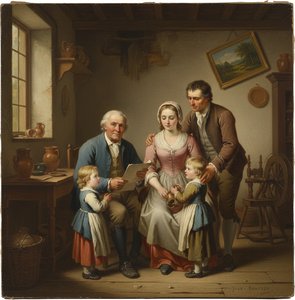
Jean-Baptiste Greuze’s “Broken Eggs”: A Moral Tapestry Woven in Sentiment
The painting "Broken Eggs" by Jean-Baptiste Greuze stands as a cornerstone of Rococo art and a poignant exploration of societal expectations surrounding female innocence. Created in 1756, this oil on canvas masterpiece resides within the hallowed halls of The Metropolitan Museum of Art, New York—a testament to Greuze’s enduring ability to transcend mere visual representation and deliver profound moral commentary. More than just depicting a domestic scene, it encapsulates the anxieties surrounding female sexuality prevalent during the Enlightenment era.A Narrative Embodied in Detail
Greuze meticulously crafted this tableau, employing a technique characterized by soft brushstrokes and luminous glazing—a hallmark of his style—to achieve an unparalleled level of realism within the realm of sentimental painting. The composition centers around a young woman, dressed modestly yet with an air of quiet dignity, confronting her husband who stands beside her. Her gaze is directed downwards, seemingly absorbed in contemplating the shattered eggs before her – a deliberate gesture that immediately establishes the central metaphor: the loss of virginity. Beside her sits a child attempting to repair the broken eggshell, symbolizing the futile effort to recapture lost innocence and purity. The muted palette—dominated by earthy tones—further enhances the melancholic atmosphere, mirroring the emotional weight of the narrative.Influences from Dutch Tradition
Greuze’s artistic vision drew heavily upon the conventions of seventeenth-century Dutch painting, specifically cabinet paintings that focused on genre subjects imbued with moral lessons. Artists like Rembrandt and Frans Hals had pioneered a style prioritizing psychological realism—capturing nuanced emotions and capturing fleeting expressions—a stylistic approach Greuze skillfully adopted. This influence is palpable in the careful observation of human anatomy and the subtle rendering of textures, reflecting the Dutch tradition’s commitment to portraying everyday life with unflinching honesty.Symbolism Beyond the Surface
The broken eggs themselves serve as a powerful symbol – representing not merely physical fragility but also the vulnerability inherent in youthful innocence. The woman's averted gaze speaks volumes about societal pressures on women during this period, where marriage was viewed as the ultimate goal and virginity was considered paramount. Greuze’s masterful portrayal captures the heartbreaking realization that these ideals can be irrevocably shattered, prompting viewers to contemplate themes of morality, responsibility, and the consequences of transgression. The child's futile attempt to mend the eggshell underscores this central idea—a poignant reminder of the impossibility of restoring what has been lost.A Legacy Enduring Through Reproduction
Today, a high-quality reproduction of “Broken Eggs” can bring the emotional depth and artistic sophistication of Greuze’s original into any home. OriginalUniqueArt offers exceptional reproductions that faithfully capture the painting's luminous quality and nuanced detail—allowing admirers to experience the enduring power of this iconic artwork. Explore similar masterpieces by Jean-Baptiste Greuze on our platform for a deeper appreciation of Rococo art history.Otázky a odpovědi
Jsou barvy v díle „Broken Eggs“ od Jean-Baptiste Greuze syté, nebo tlumené?
Barvy díla „Broken Eggs“ od Jean-Baptiste Greuze mají Subtle Color saturaci. Saturace určuje, jak jsou barvy živé nebo tlumené.
Je dílo "Broken Eggs" typické pro to, co Jean-Baptiste Greuze obvykle vytvářel/a?
Mezi zaznamenaná témata umělce Jean-Baptiste Greuze – tedy dutch painting influence, moral narrative, societal norms, genre tradition, greuze legacy – přináší dílo „Broken Eggs“ specifické zaměření na moral lesson, genre scene, virginity loss, domestic life, family conflict, egg symbolism, sentiment painting.
V jakém roce vzniklo dílo „Broken Eggs“ od Jean-Baptiste Greuze?
Vznik díla „Broken Eggs“ od Jean-Baptiste Greuze se datuje do roku 1756.
 Náhled v interiéru
 Sdílet
 Sdílet
 Podrobnosti o díle
 Průvodce

 Stáhnout
 Podobné položky
 Rentgenové snímky
 Slideshow
 Otázky a odpovědi
 Statistiky