
 Odeslat
 Sdílet
 Podrobnosti
 Průvodce

 Stáhnout obrázek
 Podobné kousky
 Slideshow
 Statistiky
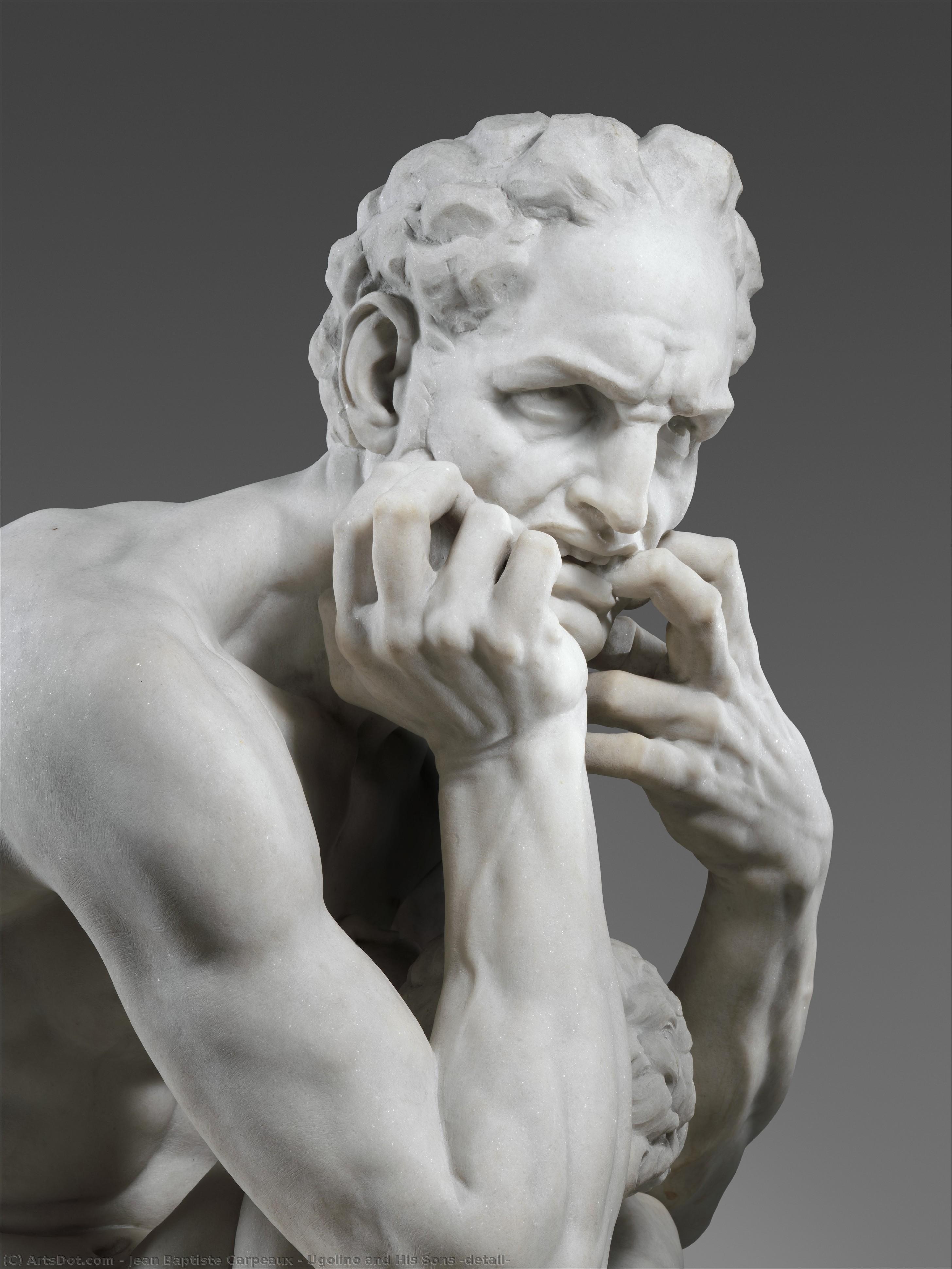
Ugolino and His Sons (detail)


 Přečíst si více
Giclée / Umělecký tisk
Giclée nebo plátěný tisk muzeální kvality s rychlou výrobou a širokou nabídkou povrchových úprav. ( Objednat ručně malovanou reprodukci Přepnout na digitální verzi obrazu)




































Vyberte si z našich přednastavených velikostí, které odpovídají původním proporcím díla.

Můžete zadat vlastní rozměry tak, aby výtvor odpovídal konkrétnímu rámu nebo prostoru. Pokud zvolená velikost nebude odpovídat poměru stran původního obrazu, dílo buď ořížeme, nebo obraz rozšíříme pomocí zrcadlového efektu či jednobarevného okraje. Před zahájením výroby vám bude zaslán digitální náhled k schválení.
Mějte prosím na paměti, že náhled na obrazovce neodráží skutečné oříznutí nebo rozšíření. Pouze digitální náhled přesně zobrazí finální kompozici.
Ačkoliv jsou k dispozici i vlastní rozměry, pro zachování původních proporcí doporučujeme vybrat si rozměr z předdefinovaného seznamu.
Celosvětové doručení () do 2 týdnů namísto standardních 4/5 týdnů. (26 září)

Zdarma celosvětová expresní doprava

Vysoce kvalitní lněné plátno

Úplné pojištění přepravy

Záruka vrácení celního poplatku

Záruka věrného barevného shodu

100dení lhůta pro vrácení zboží (pouze při vadách výroby)

100% garance vrácení peněz

Sleva při více objednávkách
 Skleněná varianta je dostupná pouze u rozměrů menších než 110 cm

Ugolino and His Sons (detail)
Giclée / Umělecký tisk
Velikost reprodukce
-


Celková cena
$ 80
A Symphony of Suffering in Marble
In the realm of nineteenth-century sculpture, few works command the viewer's attention with such visceral intensity as Jean-Baptiste Carpeaux’s Ugolino and His Sons. Created in 1865, this masterpiece serves as a profound window into the Romantic movement’s obsession with psychological depth and the raw, unvarnished truth of human suffering. The sculpture draws its harrowing inspiration from Canto XXXIII of Dante Alighieri’s Inferno, recounting the tragic fate of the Florentine noble Ugolino della Gherardesca. Imprisoned within the Torre dei Giganti alongside his children, Ugolino is forced to endure a slow, agonizing starvation—a narrative that Carpeaux translates from the written word into a palpable, breathing form of white marble.
To gaze upon this work is to witness a moment frozen in time, where the boundaries between stone and flesh seem to dissolve. The sculpture does not merely depict a historical or literary figure; it embodies the very essence of despair. Through his masterful command of the medium, Carpe a captures the heavy, suffocating atmosphere of the prison cell, inviting collectors and art enthusiasts alike to contemplate the fragility of the human spirit when faced with insurmountable tragedy.
The Mastery of Realism and Form
Carpeaux’s technical prowess is on full display in the meticulous execution of this piece. Departing from the polished, idealized perfection of Neoclassical traditions, Carpeaux embraced a burgeoning Realism that prioritized anatomical accuracy and expressive movement. The sculptor utilized the luminous qualities of Carrara marble to create a striking contrast between light and shadow, breathing life into the musculature of Ugolino’s torso and the intricate textures of his hair. Every furrow in the brow and every tension in the hands is rendered with such precision that the stone appears almost soft, capturing the tactile reality of skin and bone.
The composition is intentionally intimate, often focusing on the upper torso and head to direct the viewer’s gaze toward the emotional epicenter of the drama. By employing a dynamic, slightly angled perspective, Carpeaux allows the light to dance across the sculpted surfaces, revealing both the profile and frontal aspects of the figure. This technique enhances the sense of three-dimensionality, making the sculpture feel as though it is emerging from its own shadows. For those seeking to incorporate such a profound piece into a curated collection or an elegantly designed interior, the work offers a sophisticated interplay of texture and form that serves as a powerful focal point.
Symbolism and Emotional Resonance
Beyond its technical brilliance, Ugolino and His Sons is a profound study in symbolism. The posture of the figure—hands clasped around the chin in a gesture of profound contemplation and grief—serves as a universal symbol of internal struggle and hopelessness. The way the marble captures the hollows of the face suggests the physical toll of famine, while the heavy, organic shapes of the anatomy reflect the weight of the protagonist's psychological torment. It is a work that speaks to the eternal themes of betrayal, loss, and the endurance of parental love amidst catastrophe.
For the discerning decorator or art lover, a high-quality reproduction of this sculpture offers more than just aesthetic beauty; it brings an atmosphere of intellectual depth and historical gravity to any space. The monochromatic elegance of the white marble allows it to integrate seamlessly into diverse design palettes, whether in a classical study or a contemporary gallery setting. Carpeaux’s ability to transform a moment of literary horror into a sublime object of contemplation ensures that this work remains as captivating today as it was during the Second Empire of France.
Biografie umělce
Jean-Baptiste Carpeaux: A Sculptor of Dynamic Emotion
Jean-Baptiste Carpeaux, a name inextricably linked to dynamism and profound emotionality in 19th-century French sculpture, emerged from humble beginnings to become one of the most celebrated artists of his time. Born in Valenciennes in 1827, the son of a stonemason, Carpeaux’s early life was profoundly shaped by the physicality of craftsmanship – an influence that would deeply inform his artistic sensibility and drive him to capture the essence of movement and human experience. This grounding in tangible creation fostered a deep understanding of materials and form, laying the foundation for a career defined by its tactile realism and expressive power. His initial training under François Rude, famed for his dramatic reliefs on the Arc de Triomphe, provided a solid base in classical technique, but it was at the École des Beaux-Arts that Carpeaux truly began to forge his unique artistic vision – a departure from rigid formality towards a more fluid and spontaneous approach.Roman Reveries: The Seeds of Innovation
The years Carpeaux spent in Rome were transformative, acting as a crucible for his artistic development. Immersed in the masterpieces of Michelangelo, Donatello, and Verrocchio, he absorbed their mastery of anatomy, composition, and, crucially, the ability to convey intense emotion through sculpted form. However, rather than simply replicating these Renaissance giants, Carpeaux embarked on a path of independent innovation, deliberately rejecting the often-stiff formality that characterized much of Neoclassical sculpture. He sought a more fluid, spontaneous approach – one that captured not just the appearance of figures but their very essence: their energy, vitality, and emotional state. This shift is vividly illustrated in *Pêcheur napolitain à la coquille* (Neapolitan Fisherboy), created during this period. The sculpture, depicting a young boy with a shell, is remarkable for its naturalism and sense of movement – qualities that would become hallmarks of Carpeaux’s distinctive style. It wasn't merely a representation of a figure; it was an embodiment of youthful exuberance and carefree joy, radiating a palpable sense of life. This work garnered significant attention upon its exhibition in Paris, establishing Carpeaux as a rising star and securing commissions from Empress Eugénie herself, further solidifying his position within the artistic circles of the Second Empire.Triumph and Turmoil: The Second Empire Years
Carpeaux’s talent flourished during the Second Empire under Napoleon III, an era marked by a surge in artistic innovation and ambitious public projects. He became a favored artist of the imperial court, receiving numerous commissions for portraits and monumental sculptures designed to glorify the regime. His most celebrated achievement is undoubtedly *La Danse*, a sculptural group for the façade of the Paris Opéra. This breathtaking high-relief sculpture, depicting figures caught in a swirling vortex of energy, remains a testament to Carpeaux’s mastery of dynamic composition and graceful form. However, *La Danse* was not without controversy; its overt sensuality sparked outrage among some conservative critics who deemed it indecent. Despite this criticism – fueled by the prevailing moral anxieties of the time – *La Danse* cemented Carpeaux’s reputation as a bold and innovative artist, unafraid to challenge conventions and push the boundaries of artistic expression. Other significant works from this period include *Ugolino and His Sons*, a harrowing depiction of Dante's tragic tale of starvation and despair, showcasing his ability to convey profound emotional depth through sculpted form – a testament to his capacity for both dramatic intensity and poignant beauty.A Legacy Forged in Movement and Emotion
Despite facing financial difficulties and enduring periods of illness, Carpeaux remained relentlessly dedicated to his art until his untimely death in 1875. His influence on subsequent generations of sculptors is undeniable. He broke away from the constraints of academic tradition, embracing a more naturalistic and expressive style that paved the way for artists like Auguste Rodin – whom he greatly admired. Rodin, often considered the father of modern sculpture, acknowledged Carpeaux as a key precursor, recognizing his pioneering efforts in capturing movement and emotion in three dimensions. Carpeaux’s emphasis on realism, combined with his ability to infuse his works with psychological depth resonated deeply with artists seeking to move beyond mere imitation and explore the complexities of the human experience. His students – including Jules Dalou, Jean-Louis Forain, and Olin Levi Warner – carried forward his legacy, further expanding the boundaries of sculptural expression. Today, Carpeaux’s sculptures are displayed in prominent museums around the world, serving as a powerful reminder of his enduring artistic vision and his profound impact on the history of sculpture. His work continues to captivate audiences with its raw emotion, dynamic energy, and timeless beauty – a testament to a sculptor who dared to capture the very essence of life itself.Key Works
Here are some of Carpeaux’s most significant works:- *Pêcheur napolitain à la coquille* (Neapolitan Fisherboy)
- *Ugolino and His Sons*
- *La Danse* (The Dance – Opéra Garnier façade)

Jean-Baptiste Carpeaux
1827 - 1875 , Francie
Rychlé informace
- Artistic Movement Or Style: Realismus, Dynamika
- Artists Or Movements Influenced By This Artist: ['Rodin']
- Artists Who Influenced This Artist:
- Rude
- Michelangelo
- Donatello
- Date Of Birth: 1827
- Date Of Death: 1875
- Full Name: Jean-Baptiste Carpeaux
- Nationality: Francouzský
- Notable Artworks:
- Ugolino
- Rybař
- Tanec
- Place Of Birth: Valenciennes, Francie
Související články

The Enduring Form: Exploring Themes & Techniques in Sculpture Across Historical Periods
Explore the rich history of sculpture from ancient masterpieces to contemporary innovations. Discover key techniques, influential artists & investment potential for discerning art collectors.
Jean-Baptiste Carpeaux: Sculpting Passion & Controversy in 19th-Century France
Explore the passionate life & controversial works of Jean-Baptiste Carpeaux, a leading French sculptor of the Second Empire. Discover his realism, iconic sculptures like 'Ugolino,' and lasting legacy as a precursor to Rodin.

The Enduring Form: Sculpture Across History, Technique & Emotional Resonance
Explore the rich history of sculpture with OriginalUniqueArt. Discover key techniques, influential artists & investment potential for discerning collectors. Expert insights into valuing and collecting timeless masterpieces.

Dante Gabriel Rossetti: Top 25 děl a umělecké ikony pro váš domov | OriginalUniqueArt.cz
Prozkoumejte 25 ikonických děl Dante Gabriela Rossettiho – symbolismus, viktoriánský romantismus a krásné ženy v obrazech. Reprodukce obrazů nejvyšší kvality pro váš interiér na OriginalUniqueArt.cz. Objevte celou kolekci online!

10 legendárních bronzových soch, které změnily umění | OriginalUniqueArt
Objevte 10 legendárních bronzových soch od Michelangela, Rodina a dalších mistrů! Ponořte se do historie umění, technik a příběhů za těmito nadčasovými díly. Najděte inspiraci pro váš interiér s OriginalUniqueArt.com – repliky nejvyšší kvality.