
 Odeslat
 Sdílet
 Podrobnosti
 Průvodce

 Stáhnout obrázek
 Podobné kousky
 Slideshow
 Statistiky
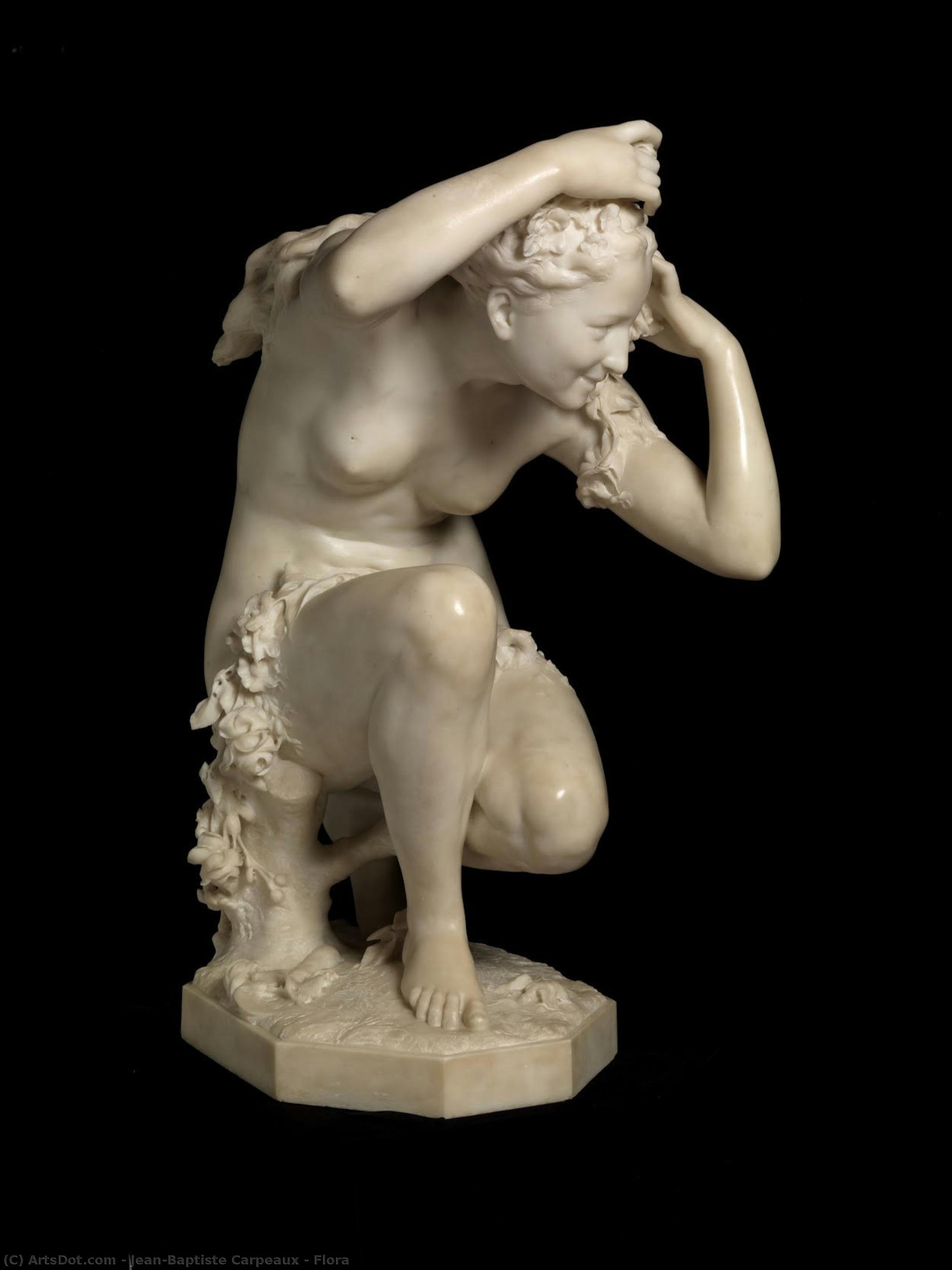
Flora


 Přečíst si více
Zakupte si digitální obraz ve vysokém rozlišení a vylepšeném provedení, který nabízí mnohem vyšší kvalitu než online náhled.
Každý soubor je pečlivě připraven našimi specialisty s využitím pokročilých nástrojů a odborné manuální retuše. Zajišťujeme, aby každý obraz disponoval výjimečnou ostrostí, přesnou barevnou věrností a jemnými detaily.
Finální soubor vám bude do 72 hodin zaslán e-mailem, optimalizovaný pro okamžité použití v profesionálním, redakčním i tiskovém prostředí. Nabízíme stejnou kvalitu, které důvěřují špičková designová studia, nakladatelství i galerie.
Digitální obrazy
Stáhněte si soubor ve vysokém rozlišení pro osobní prohlížení, tisk a kreativní projekty. ( Přepnout na tiskové verze Objednat ručně malovanou reprodukci)
Součást každé objednávky digitálního obrazu
Exponenciální digitální doručení, zaručené
Když si vyberete OriginalUniqueArt.com, nezískáváte pouze obrázek – získáváte digitální umělecké dílo s profesionálně vylepšenými detaily, zpracované s precizností a podpořené zárukou za spokojenost. Zde je vše, co vaše objednávka automaticky obsahuje:

Bleskové doručení e-mailem
Váš digitální obraz ve vysokém rozlišení vám bude zaslán e-mailem do 72 hodin od objednávky – připraven k okamžitému použití.

Digitální soubor s podporou AI
Vaše umělecké dílo je profesionálně optimalizováno pomocí pokročilých nástrojů umělé inteligence a manuální úpravy, což zajišťuje maximální úroveň detailu, ostrosti a přesnosti barev.

Doživotní bezplatné znovuodeslání
Soubor jste omylem smazali nebo ztratili? Žádný problém – kdykoliv vám ho znovu zašleme zcela zdarma.

Bez poplatků za dovoz – navždy
Užijte si své umělecké dílo okamžitě bez celních poplatků, daní nebo nákladů na dopravu – digitální stažení je vždy bez daňových povinností.

Záruka přesnosti barev
Díky profesionálním nástrojům a správě barev zajišťujeme, aby váš digitální obraz odrážel původní barvy co nejvěrněji.

100dená záruka spokojenosti
Pokud nebudete s digitálním obrázkem spokojeni, provedeme jeho revizi nebo vám vrátíme 100% platby do 100 dnů – bez jakýchkoliv dotazů.

100% záruka vrácení peněz
Nespokojeni? Získejte plnou náhradu peněz do 100 dnů od obdržení digitálního souboru – bez zbytečných dotazů.

Slevy při hromadných objednávkách
Při koupi 3 obrazů ušetříte 10% – Při koupi 5 obrazů ušetříte 15% – Při koupi 10+ obrazů ušetříte 20%. Ideální pro kreativní projekty, galerie a agentury.
A Symphony of Marble and Springtime
In the realm of nineteenth-century sculpture, few works capture the ephemeral essence of joy as profoundly as Jean-Baptiste Carpeaux’s Flora. This exquisite marble masterpiece is far more than a mere depiction of a mythological figure; it is a breathtaking celebration of vitality, movement, and the tender arrival of a new season. The sculpture presents a woman in a moment of intimate grace, crouching with a naturalistic ease that seems to defy the very stone from which she is carved. As she reaches up to adorn her hair with delicate blossoms, her lips part in a subtle, enchanting smile—a feature famously modeled after Anne Foucart, whose youthful radiance provided the sculptor with the perfect vessel for expressing pure, unadulterated delight.
The technique employed by Carpeaux is nothing short of miraculous, bridging the gap between the rigid traditions of classical sculpture and the burgeoning desire for emotional realism. While his training under François Rude instilled in him a mastery of form, Carpeost sought to break free from the cold, static nature of academicism. In Flora, one can observe a tactile sensitivity where the smoothness of skin meets the intricate, organic textures of floral garlands. The way light plays across the undulating surfaces of her limbs creates an illusion of breath and pulse, making the marble appear almost soft to the touch. This mastery of texture and light ensures that the piece remains dynamic, inviting the viewer to move around it to discover new shadows and highlights.
Historical Resonance and Artistic Legacy
The origins of this work are deeply intertwined with the architectural grandeur of Paris. Carpeaux was originally commissioned by the architect Lefuel to create a high-relief for the Pavillon de Flore at the Palais du Louvre, themed around the Triumph of Flora. However, the singular figure we admire today emerged from a period of personal and political transition. Executed in 1873 while Carpeaux was living in London following the fall of the Second Empire, this human-scale version represents a mature refinement of his earlier ideas. Commissioned by the art enthusiast Henry James Turner, the sculpture reflects a moment where the artist, though in exile, found the inspiration to revisit and elevate his most beloved theme.
Symbolically, the piece serves as an allegory for rebirth and the cyclical nature of life. By drawing inspiration from the Crouching Aphrodite of classical antiquity, Carpeaux connects the modern spirit of the 1870s to the timeless beauty of the ancient world. The sculpture does not merely represent a goddess; it embodies the very concept of "Spring"—a period of awakening and flourishing. For the discerning collector or interior designer, this work offers a profound emotional anchor. Whether placed in a sunlit gallery or as a focal point in a sophisticated living space, Flora radiates an atmosphere of optimism and elegance, making it an incomparable choice for those looking to infuse their surroundings with a sense of timeless grace and poetic movement.
Otázky a odpovědi
Kde by měla být vystavena reprodukce díla „Flora“ od Jean-Baptiste Carpeaux?
Dílo v Portrait formátu, reprodukce díla „Flora“, se doporučuje do Living Room.
Jakou paletu barev a jaký pocit v sobě spojuje dílo "Flora"?
V díle "Flora" doprovází Earthy barev Romantic pocit.
O čem "Flora" je a jakou atmosféru vyzařuje?
„Flora“ od Jean-Baptiste Carpeaux spojuje flora sculpture, renaissance art, louvre pavilion, french art history, marble statues, anne foucart, jean carpeaux legacy s Elegant atmosférou.
Biografie umělce
Jean-Baptiste Carpeaux: A Sculptor of Dynamic Emotion
Jean-Baptiste Carpeaux, a name inextricably linked to dynamism and profound emotionality in 19th-century French sculpture, emerged from humble beginnings to become one of the most celebrated artists of his time. Born in Valenciennes in 1827, the son of a stonemason, Carpeaux’s early life was profoundly shaped by the physicality of craftsmanship – an influence that would deeply inform his artistic sensibility and drive him to capture the essence of movement and human experience. This grounding in tangible creation fostered a deep understanding of materials and form, laying the foundation for a career defined by its tactile realism and expressive power. His initial training under François Rude, famed for his dramatic reliefs on the Arc de Triomphe, provided a solid base in classical technique, but it was at the École des Beaux-Arts that Carpeaux truly began to forge his unique artistic vision – a departure from rigid formality towards a more fluid and spontaneous approach.Roman Reveries: The Seeds of Innovation
The years Carpeaux spent in Rome were transformative, acting as a crucible for his artistic development. Immersed in the masterpieces of Michelangelo, Donatello, and Verrocchio, he absorbed their mastery of anatomy, composition, and, crucially, the ability to convey intense emotion through sculpted form. However, rather than simply replicating these Renaissance giants, Carpeaux embarked on a path of independent innovation, deliberately rejecting the often-stiff formality that characterized much of Neoclassical sculpture. He sought a more fluid, spontaneous approach – one that captured not just the appearance of figures but their very essence: their energy, vitality, and emotional state. This shift is vividly illustrated in *Pêcheur napolitain à la coquille* (Neapolitan Fisherboy), created during this period. The sculpture, depicting a young boy with a shell, is remarkable for its naturalism and sense of movement – qualities that would become hallmarks of Carpeaux’s distinctive style. It wasn't merely a representation of a figure; it was an embodiment of youthful exuberance and carefree joy, radiating a palpable sense of life. This work garnered significant attention upon its exhibition in Paris, establishing Carpeaux as a rising star and securing commissions from Empress Eugénie herself, further solidifying his position within the artistic circles of the Second Empire.Triumph and Turmoil: The Second Empire Years
Carpeaux’s talent flourished during the Second Empire under Napoleon III, an era marked by a surge in artistic innovation and ambitious public projects. He became a favored artist of the imperial court, receiving numerous commissions for portraits and monumental sculptures designed to glorify the regime. His most celebrated achievement is undoubtedly *La Danse*, a sculptural group for the façade of the Paris Opéra. This breathtaking high-relief sculpture, depicting figures caught in a swirling vortex of energy, remains a testament to Carpeaux’s mastery of dynamic composition and graceful form. However, *La Danse* was not without controversy; its overt sensuality sparked outrage among some conservative critics who deemed it indecent. Despite this criticism – fueled by the prevailing moral anxieties of the time – *La Danse* cemented Carpeaux’s reputation as a bold and innovative artist, unafraid to challenge conventions and push the boundaries of artistic expression. Other significant works from this period include *Ugolino and His Sons*, a harrowing depiction of Dante's tragic tale of starvation and despair, showcasing his ability to convey profound emotional depth through sculpted form – a testament to his capacity for both dramatic intensity and poignant beauty.A Legacy Forged in Movement and Emotion
Despite facing financial difficulties and enduring periods of illness, Carpeaux remained relentlessly dedicated to his art until his untimely death in 1875. His influence on subsequent generations of sculptors is undeniable. He broke away from the constraints of academic tradition, embracing a more naturalistic and expressive style that paved the way for artists like Auguste Rodin – whom he greatly admired. Rodin, often considered the father of modern sculpture, acknowledged Carpeaux as a key precursor, recognizing his pioneering efforts in capturing movement and emotion in three dimensions. Carpeaux’s emphasis on realism, combined with his ability to infuse his works with psychological depth resonated deeply with artists seeking to move beyond mere imitation and explore the complexities of the human experience. His students – including Jules Dalou, Jean-Louis Forain, and Olin Levi Warner – carried forward his legacy, further expanding the boundaries of sculptural expression. Today, Carpeaux’s sculptures are displayed in prominent museums around the world, serving as a powerful reminder of his enduring artistic vision and his profound impact on the history of sculpture. His work continues to captivate audiences with its raw emotion, dynamic energy, and timeless beauty – a testament to a sculptor who dared to capture the very essence of life itself.Key Works
Here are some of Carpeaux’s most significant works:- *Pêcheur napolitain à la coquille* (Neapolitan Fisherboy)
- *Ugolino and His Sons*
- *La Danse* (The Dance – Opéra Garnier façade)

Jean-Baptiste Carpeaux
1827 - 1875 , Francie
Rychlé informace
- Artistic Movement Or Style: Realismus, Dynamika
- Artists Or Movements Influenced By This Artist: ['Rodin']
- Artists Who Influenced This Artist:
- Rude
- Michelangelo
- Donatello
- Date Of Birth: 1827
- Date Of Death: 1875
- Full Name: Jean-Baptiste Carpeaux
- Nationality: Francouzský
- Notable Artworks:
- Ugolino
- Rybař
- Tanec
- Place Of Birth: Valenciennes, Francie