

 Odeslat
 Sdílet
 Podrobnosti
 Průvodce

 Stáhnout obrázek
 Podobné kousky
 Slideshow
 Statistiky
Antoine Watteau


 Přečíst si více
Ručně malovaná olejová reprodukce
Ručně malované olejné plátno v libovolném rozměru i s rámem, vyrobené našimi umělci na zakázku. ( Přepnout na tiskové verze Přepnout na digitální verzi obrazu)




































Vyberte si z našich přednastavených velikostí, které odpovídají původním proporcím díla.

Můžete zadat vlastní rozměry pro konkrétní rám nebo prostor. Pokud se vámi vybraná velikost neshoduje s proporcemi původního obrazu, dílo buď ořízneme, nebo jej doplníme ručně malovanými prvky. Před zahájením výroby vám bude zaslán digitální náhled ke schválení.
Upozorňujeme, že náhled na obrazovce neodpovídá skutečnému ořezu ani rozšíření. Pouze digitální náhled přesně zobrazí finální kompozici.
Ačkoliv je možné zvolit vlastní velikost, pro zachování původních proporcí doporučujeme vybrat rozměr z předdefinovaného seznamu.
Po přijetí objednávky vám tým OriginalUniqueArt.com zašle e-mail s pokyny a poskytne náhledovou verzi.
Celosvětová doprava () za 3–4 týdny namísto standardních 5 týdnů. (25 září). Bez kompromisů v kvalitě.

Zdarma celosvětová expresní doprava

Vysoce kvalitní lněné plátno

Úplné pojištění přepravy

Záruka vrácení celního poplatku

Záruka věrného barevného shodu

100dení lhůta pro vrácení zboží (pouze při vadách výroby)

100% garance vrácení peněz

Sleva při více objednávkách
 Skleněná varianta je dostupná pouze u rozměrů menších než 110 cm

Antoine Watteau
Technika provedení
Velikost reprodukce
-


Celková cena
$ 300
The Poignant Echo of a Rococo Vision
Jean-Baptiste Carpeaux's bronze sculpture, depicting Antoine Watteau, stands as more than just a portrait; it is a profound meditation on artistic legacy and the fleeting nature of beauty. Crafted in 1863, this piece captures not merely Watteau’s likeness but also the very spirit of the artist – his melancholy grace, his restless energy, and the subtle hint of a life cut short at the height of his creative power. The sculpture's dynamism is immediately arresting; Watteau isn’t posed formally, but caught in a moment of thoughtful contemplation, almost as if lost in memory or perhaps anticipating another artistic endeavor. The bronze itself, meticulously patinated to achieve a rich, aged surface, speaks volumes about the passage of time and the enduring quality of Carpeaux's skill.
(Image of Jean-Baptiste Carpeaux's Antoine Watteau from WGA)
A Sculptor’s Reverence and the Rococo Spirit
Carpeaux, a pivotal figure in 19th-century French sculpture, was deeply influenced by the artistic currents of his time. His work seamlessly blends elements of Baroque drama with the delicate elegance characteristic of Rococo art. The influence of Michelangelo is palpable, particularly in the anatomical detail and the sense of movement—a deliberate nod to the masters who had shaped Western art for centuries. However, Carpeaux doesn’t simply mimic; he infuses these classical foundations with a distinctly Romantic sensibility, imbuing Watteau's image with an emotional intensity that transcends mere representation. The pose itself, slightly slumped and introspective, suggests a vulnerability rarely seen in depictions of celebrated artists.
The sculpture’s creation coincided with a renewed interest in the works of Antoine Watteau, who had been largely overlooked during his lifetime. Carpeaux's bronze serves as a powerful testament to Watteau’s enduring genius and his pivotal role in transitioning art from the formality of Neoclassicism towards the lighter, more sensual aesthetic of Rococo. The choice of bronze—a material known for its ability to capture subtle nuances of form and texture—further enhances the sculpture's expressive potential.
Decoding Symbolism: Loss, Memory, and Artistic Identity
Beyond a simple portrait, “Antoine Watteau” is rich in symbolic meaning. The artist’s contemplative posture suggests a preoccupation with his own legacy and the ephemeral nature of artistic fame. The slightly downturned mouth hints at melancholy—a recognition of mortality and perhaps a lament for lost opportunities. The draping fabric, rendered with remarkable attention to detail, isn't merely decorative; it subtly frames Watteau’s face, creating a sense of intimacy and drawing the viewer into his inner world. It also evokes the theatricality so central to Watteau’s celebrated “fêtes galantes,” suggesting that Carpeaux is not just depicting an artist but capturing the very essence of artistic performance.
The sculpture's placement on a simple stone base emphasizes the figure itself, elevating it as a solitary monument to artistic achievement. The neutral background serves to further focus attention on Watteau’s expressive face and posture, reinforcing the work’s emotional core.
A Reproduction for Art Lovers and Collectors
OriginalUniqueArt offers meticulously hand-painted reproductions of Jean-Baptiste Carpeaux's “Antoine Watteau,” ensuring that this captivating bronze sculpture can be enjoyed by a wider audience. Our skilled artists replicate the original’s nuanced textures, rich patina, and expressive details with unparalleled accuracy. Whether you are an art enthusiast seeking to add a touch of timeless elegance to your home or a collector aiming to expand your collection of significant 19th-century works, our reproduction provides an authentic representation of this remarkable masterpiece. Experience the profound beauty and emotional depth of Carpeaux’s “Antoine Watteau” – a testament to artistic genius and enduring legacy.
Biografie umělce
Jean-Baptiste Carpeaux: A Sculptor of Dynamic Emotion
Jean-Baptiste Carpeaux, a name inextricably linked to dynamism and profound emotionality in 19th-century French sculpture, emerged from humble beginnings to become one of the most celebrated artists of his time. Born in Valenciennes in 1827, the son of a stonemason, Carpeaux’s early life was profoundly shaped by the physicality of craftsmanship – an influence that would deeply inform his artistic sensibility and drive him to capture the essence of movement and human experience. This grounding in tangible creation fostered a deep understanding of materials and form, laying the foundation for a career defined by its tactile realism and expressive power. His initial training under François Rude, famed for his dramatic reliefs on the Arc de Triomphe, provided a solid base in classical technique, but it was at the École des Beaux-Arts that Carpeaux truly began to forge his unique artistic vision – a departure from rigid formality towards a more fluid and spontaneous approach.Roman Reveries: The Seeds of Innovation
The years Carpeaux spent in Rome were transformative, acting as a crucible for his artistic development. Immersed in the masterpieces of Michelangelo, Donatello, and Verrocchio, he absorbed their mastery of anatomy, composition, and, crucially, the ability to convey intense emotion through sculpted form. However, rather than simply replicating these Renaissance giants, Carpeaux embarked on a path of independent innovation, deliberately rejecting the often-stiff formality that characterized much of Neoclassical sculpture. He sought a more fluid, spontaneous approach – one that captured not just the appearance of figures but their very essence: their energy, vitality, and emotional state. This shift is vividly illustrated in *Pêcheur napolitain à la coquille* (Neapolitan Fisherboy), created during this period. The sculpture, depicting a young boy with a shell, is remarkable for its naturalism and sense of movement – qualities that would become hallmarks of Carpeaux’s distinctive style. It wasn't merely a representation of a figure; it was an embodiment of youthful exuberance and carefree joy, radiating a palpable sense of life. This work garnered significant attention upon its exhibition in Paris, establishing Carpeaux as a rising star and securing commissions from Empress Eugénie herself, further solidifying his position within the artistic circles of the Second Empire.Triumph and Turmoil: The Second Empire Years
Carpeaux’s talent flourished during the Second Empire under Napoleon III, an era marked by a surge in artistic innovation and ambitious public projects. He became a favored artist of the imperial court, receiving numerous commissions for portraits and monumental sculptures designed to glorify the regime. His most celebrated achievement is undoubtedly *La Danse*, a sculptural group for the façade of the Paris Opéra. This breathtaking high-relief sculpture, depicting figures caught in a swirling vortex of energy, remains a testament to Carpeaux’s mastery of dynamic composition and graceful form. However, *La Danse* was not without controversy; its overt sensuality sparked outrage among some conservative critics who deemed it indecent. Despite this criticism – fueled by the prevailing moral anxieties of the time – *La Danse* cemented Carpeaux’s reputation as a bold and innovative artist, unafraid to challenge conventions and push the boundaries of artistic expression. Other significant works from this period include *Ugolino and His Sons*, a harrowing depiction of Dante's tragic tale of starvation and despair, showcasing his ability to convey profound emotional depth through sculpted form – a testament to his capacity for both dramatic intensity and poignant beauty.A Legacy Forged in Movement and Emotion
Despite facing financial difficulties and enduring periods of illness, Carpeaux remained relentlessly dedicated to his art until his untimely death in 1875. His influence on subsequent generations of sculptors is undeniable. He broke away from the constraints of academic tradition, embracing a more naturalistic and expressive style that paved the way for artists like Auguste Rodin – whom he greatly admired. Rodin, often considered the father of modern sculpture, acknowledged Carpeaux as a key precursor, recognizing his pioneering efforts in capturing movement and emotion in three dimensions. Carpeaux’s emphasis on realism, combined with his ability to infuse his works with psychological depth resonated deeply with artists seeking to move beyond mere imitation and explore the complexities of the human experience. His students – including Jules Dalou, Jean-Louis Forain, and Olin Levi Warner – carried forward his legacy, further expanding the boundaries of sculptural expression. Today, Carpeaux’s sculptures are displayed in prominent museums around the world, serving as a powerful reminder of his enduring artistic vision and his profound impact on the history of sculpture. His work continues to captivate audiences with its raw emotion, dynamic energy, and timeless beauty – a testament to a sculptor who dared to capture the very essence of life itself.Key Works
Here are some of Carpeaux’s most significant works:- *Pêcheur napolitain à la coquille* (Neapolitan Fisherboy)
- *Ugolino and His Sons*
- *La Danse* (The Dance – Opéra Garnier façade)

Jean-Baptiste Carpeaux
1827 - 1875 , Francie
Rychlé informace
- Artistic Movement Or Style: Realismus, Dynamika
- Artists Or Movements Influenced By This Artist: ['Rodin']
- Artists Who Influenced This Artist:
- Rude
- Michelangelo
- Donatello
- Date Of Birth: 1827
- Date Of Death: 1875
- Full Name: Jean-Baptiste Carpeaux
- Nationality: Francouzský
- Notable Artworks:
- Ugolino
- Rybař
- Tanec
- Place Of Birth: Valenciennes, Francie
Související články

The Enduring Legacy of Bronze Sculpture: A Collector's Guide to Form & Cultural Significance
Explore the rich history & enduring appeal of bronze sculpture with expert insights for collectors at OriginalUniqueArt. Learn about casting techniques, iconic artists, and collecting tips to build a discerning art collection.

The Enduring Legacy of Bronze: A Historical & Artistic Exploration for the Collector
Explore the rich history & enduring appeal of bronze sculpture with expert insights for collectors at OriginalUniqueArt. Learn about casting techniques, iconic artists, collecting tips & contemporary interpretations.

10 legendárních bronzových mistrovských děl, která změnila umění | OriginalUniqueArt
Objevte 10 legendárních bronzových mistrovských děl od Rodina, Donatella a dalších. Ponořte se do historie umění a nechte se inspirovat nadčasovými sochařskými replikami pro váš interiér. Prozkoumejte celou kolekci online na OriginalUniqueArt.com!
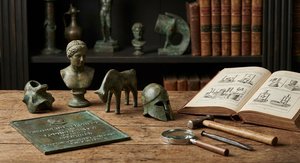
The Enduring Legacy of Bronze: History, Technique & Artistic Expression for the Collector
Explore the rich history & enduring appeal of bronze sculpture with expert insights for collectors at OriginalUniqueArt. Learn about casting techniques, iconic artists, and collecting tips.

10 legendárních bronzových soch, které změnily umění | OriginalUniqueArt
Objevte 10 legendárních bronzových soch od Michelangela, Rodina a dalších mistrů! Ponořte se do historie umění, technik a příběhů za těmito nadčasovými díly. Najděte inspiraci pro váš interiér s OriginalUniqueArt.com – repliky nejvyšší kvality.