Náhled v interiéru
 Sdílet
 Sdílet
 Podrobnosti o díle
 Průvodce

 Stáhnout
 Podobné položky
 Rentgenové snímky
 Slideshow
 Otázky a odpovědi
 Statistiky
Christ

- 80.0 x 60.0 cm


 Zobrazit více
Giclée / Umělecký tisk
Giclée nebo plátěný tisk muzeální kvality s rychlou výrobou a širokou nabídkou povrchových úprav. ( Koupit ručně malovaný obraz Přepnout na digitální obraz)




P118B Kč10

P118H Kč10

P118W Kč10

P438Z Kč10

P508JH Kč12

P508YH Kč12

P805H Kč10

P805Z Kč10

P919BZ Kč10

P919G Kč10

P919XJ Kč10

P959ZH Kč10

P968JZ Kč12

W106C Kč8

W218G Kč10

W218JH Kč8

W218Y Kč10

W307PJ Kč10

W316G Kč10

W316PJ Kč8

W316Y Kč10

W398PJ Kč8

W4111J Kč10

W500HY Kč15

W500JH Kč15

W692G Kč12

W849H Kč8

W940BG Kč15

W953PJ Kč8




Vyberte si z našich přednastavených velikostí, které odpovídají původním proporcím díla.

Zadejte šířku a výšku, které potřebujete pro váš rám nebo stěnu. Tisk lze pouze oříznout, nikdy však nelze zvětšit obraz nad jeho původní rozměr, proto při výběru jiného formátu dochází ke ztrátě části obrazu. Před samotným tiskem vám zašleme digitální náhled k schválení. Obraz zobrazený na této stránce nenabízí skutečný výřez — ten uvidíte pouze v náhledu.
Celosvětové doručení () do 2 týdnů namísto standardních 4/5 týdnů. (6 listopad)

Zdarma celosvětová expresní doprava

Vysoce kvalitní lněné plátno

Kompletní pojištění přepravy

Záruka vrácení celního poplatku

Záruka věrného barevného souladu

100dení lhůta pro vrácení zboží (pouze při vadách výroby)

100% záruka vrácení peněz

Sleva při více objednávkách
 Skleněná varianta je dostupná pouze u rozměrů menších než 110 cm

Christ
Giclée / Umělecký tisk
Rozměry reprodukce
-


Celková cena za vybrané možnosti reprodukcí
Kč 1765
A Timeless Portrait of Serenity: Ingres’s ‘Christ’
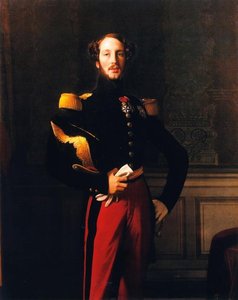
Jean-Auguste-Dominique Ingres's “Christ,” painted in 1834, is more than just a depiction of the subject of Christian faith; it’s an embodiment of classical ideals rendered with breathtaking precision and imbued with a profound sense of calm. Measuring 80 x 60 cm, this oil on canvas work immediately draws the viewer into its serene world, showcasing Ingres's mastery of the neo-classical style – a style defined by clean lines, subtle color palettes, and an almost obsessive attention to detail. The painting’s impact stems not just from its subject matter but from the artist’s deliberate choices in composition and technique, creating a visual experience that transcends time.
The Language of Neo-Classicism
Ingres was a pivotal figure in the neo-classical movement, rejecting the dramatic flourishes of the Romantic era in favor of a return to the clarity and order of ancient Greece and Rome. “Christ” exemplifies this approach perfectly. The subject’s pose – hands raised towards the heavens – is deliberately reminiscent of classical sculpture, evoking notions of piety, contemplation, and connection with the divine. The smooth, polished surfaces achieved through Ingres' meticulous brushwork contribute to a sense of monumental stillness, further emphasizing the painting’s formal qualities. Notice how the light falls across Christ’s form, highlighting his musculature in a way that recalls idealized representations of the human body found in ancient statues – a testament to Ingres’s deep understanding and respect for classical art history.
Technical Mastery and Color Palette
The painting's technical execution is remarkable. Executed in oil on canvas, Ingres employed a layering technique that builds up depth and texture with incredible subtlety. The color palette is restrained – primarily composed of muted blues, browns, and creams – contributing to the overall atmosphere of tranquility. This deliberate choice avoids any sense of emotional excess, allowing the viewer’s focus to remain firmly fixed on Christ's face and hands. The artist’s control over light and shadow further enhances the painting’s realism, creating a three-dimensional effect that invites close inspection.
Symbolism and Emotional Resonance
Beyond its formal qualities, “Christ” carries significant symbolic weight. The raised hands are not merely a gesture of prayer; they represent surrender, faith, and the acceptance of divine will. Christ’s expression – serene, almost beatific – conveys a sense of peace and hope, offering a visual representation of spiritual solace. The painting's enduring appeal lies in its ability to evoke these powerful emotions, connecting with viewers on a deeply personal level. It is a reminder of humanity's search for meaning and purpose, a timeless theme explored through the lens of Ingres’s artistic genius.
A Legacy of Beauty
"Christ" by Jean-Auguste-Dominique Ingres remains a cornerstone of neo-classical art. Its meticulous detail, balanced composition, and profound sense of serenity continue to captivate audiences today. This reproduction offers an exceptional opportunity to experience the beauty and intellectual depth of one of Ingres’s most celebrated works – a piece that speaks volumes about the enduring power of classical ideals and the artist's unparalleled skill.
Otázky a odpovědi
Kde si mohu stáhnout obrázek díla „Christ“ od Jean-Auguste-Dominique Ingres?
Digitální verzi díla „Christ“ od Jean-Auguste-Dominique Ingres si můžete stáhnout na stránce Stažení digitální verze jako stažení digitálního obrazu ve vysokém rozlišení.
Jaký pocit vyvolává "Christ" jako dárek?
Calm nádech díla „Christ“ od Jean-Auguste-Dominique Ingres odpovídá i jeho doporučené příležitosti k darování: Wedding.
Patří dílo „Christ“ mezi slavná děl směru Neo-Classical Style?
Dílo "Christ" je v katalogu hodnoceno jako Iconic mezi díly z období Neo-Classical Style.
Biografie umělce
A Legacy of Line and Form: The World of Jean-Auguste-Dominique Ingres
Jean-Auguste-Dominique Ingres, jméno synonymum pro neoklasicistickou přesnost a téměř sochařský přístup k malbě, zaujímal v historii umění jedinečnou pozici. Narodil se v Montaubanu, Francie, v roce 1780, jeho umělecká cesta byla odhodlána k klasickým ideálům, doplněná rostoucí smyslností a ochotou zpochybnit konvence. Ingres nebyl jen reprodukce minulosti; zapojoval se do hluboké dialogu s ní, vytvářel styl, který definoval éru a předvídal revoluce, které měly přijít. Jeho umělecká cesta byla ovlivněna jeho otcem, Jean-Marie-Joseph Ingresem, malířem a sochařem, který v mladém Dominique zpočátku vyvolal lásku k tvarům a technice. Tato raná podpora byla následována studiem na Académie Royale de Peinture, Sculpture et Architecture v Toulouse, kde si osvojil své dovednosti pod Guillaume-Joseph Roques. Nicméně jeho přesun do Paříže v roce 1797 a následné učniчество u Jacques-Louis Davida skutečně stanovilo jeho cestu. David, vedoucí postava neoklasicismu, mu předal přísnou disciplínu a důraz na linii, tvar a historické témata – principy, které Ingres udržoval ve své práci po celou kariéru.
The Pursuit of Ideal Beauty
Ingresův umělecký filozofie byla hluboce zakořeněna v úžasném obdivu k italským renesančním mistrům – Rafael byl pro něj neustálým zdrojem inspirace. Věřil ve sílu linie definovat tvar a vyjadřovat emoce, usiloval o ideální krásu, která překračovala pouhou reprezentaci. Tento úsilí je patrné v jeho raných dílech, jako je Ambasadé Agamemnonu v stanu Achilla (1801), které mu získaly prestižní Prix de Rome. Malba ukazuje jeho pečlivou pozornost k detailům, přesné kreslení a jasný narativní fokus – charakteristiky neoklasicistického stylu. Ingres se snažil o dokonalost v kresbě, považoval ji za základní prvek pro pochopení světa. Jeho díla jsou plná preciznosti a důkladného studium detailů, což je patrné i v jeho pozdějších pracích. Například v *Velké odalisce* (1814) vidíme jeho schopnost zachytit jemnost a složitost lidské postavy s neuvěřitelnou přesností.
Beyond History: Orientalism and Late Masterpieces
Ačkoli je Ingres slavný svými historickými a mytologickými malbami – jako Slib Ludvíka XIII (1827) – prozkoumal také další žánry, zejména orientalismus. Jeho zobrazení exotických scén a ženských nude je příkladem jeho fascinace smysly a tajemstvím. *Koupelna turecká* (1862), dokončená ve věku 83 let, ukazuje jeho pokračující ochotu experimentovat a překračovat hranice. Tyto díla, i když jsou někdy kritizována pro jejich idealizované reprezentace, demonstrují jeho neustálou snahu o inovaci a rozvoj. Ingres se stal vlivným učitelem, který formoval další generaci umělců a upevnil svou pozici jako most mezi tradicí a modernitou. Jeho práce vyvolává úvahy o povaze krásy, síle linie a trvalém kouzlu klasických ideálů.
Key Influences and Artistic Development
Ingresův umělecký vývoj byl ovlivněn řadou klíčových osobností a děl. Jeho rané studium u Jacques-Louis Davida mu poskytlo pevný základ v neoklasicistických principech, ale Ingres se od Davida odlišoval svou snahou o větší expresivitu a psychologickou hloubku. Rafael byl pro něj hlavním vzorem, jeho díla ho inspirovala k hledání dokonalosti v liniích a proporcích. Ingres také studoval díla italských renesančních mistrů, jako Botticelli a Titian, které se zaměřovaly na dynamiku, barvu a lidské emoce. Jeho umělecká cesta byla charakterizována neustálým experimentováním s technikami a styly, což vedlo k jeho jedinečnému stylu. Jeho práce je plná detailů, preciznosti a pečlivého studium světla a stínu.
Historical Significance and Legacy
Jean-Auguste-Dominique Ingres zemřel v Paříži v roce 1867 a zanechal po sobě dědictví, které rezonuje dodnes. Jeho důraz na linii, tvar a ideální krásu hluboce ovlivnil umělce napříč generacemi. Jeho díla jsou nyní vystavována v předních muzeích po celém světě, slouží jako svědci jeho trvalého uměleckého zjevu. Ingres zůstává klíčovou postavou umělecké historie – mistr, který nejen uchoval tradice minulosti, ale také otevíral cestu do budoucnosti.

Jean-Auguste-Dominique Ingres
1780 - 1867 , Francie
Rychlé informace o umělci
- Artistic Movement Or Style: Neoklasicismus
- Artists Or Movements Influenced By This Artist:
- Rafaél
- Poussin
- Artists Who Influenced This Artist: ['Jacques-Louis David']
- Date Of Birth: 29. srpna 1780
- Date Of Death: 14. ledna 1867
- Full Name: Jean-Auguste-Dominique Ingres
- Nationality: Francouzský
- Notable Artworks:
- Ambasadéři Agamemnonu
- Slib Ludvíka XIII.
- Portrét Mon. Bertina
- Koupelna Turkyně
- Place Of Birth: Montauban, Francie
Související články

The Enduring Legacy of Oil on Canvas: Technique, History & Aesthetic Impact
Explore the rich history & techniques of oil painting – from Renaissance masters to Impressionism. Discover pigments, layering methods, and why this timeless medium endures. Expert insights for artists & art enthusiasts.

Deset mistrovských děl neoklasicismu: Umění, které definovalo éru | OriginalUniqueArt.cz
Prozkoumejte 10 ikonických děl neoklasicismu od mistrů jako David, Ingres a Canova. Objevte příběhy za uměleckými technikami a nadčasovou krásou. Reprodukce obrazů nejvyšší kvality na OriginalUniqueArt.cz – inspirace pro váš interiér!

The Soul of Impressionism: Why Oil on Canvas Captures Eternal Light and Timeless Emotion
Discover the enchanting alchemy of Impressionism. Explore how the mastery of oil on canvas, through glazing and impasto, captures eternal light and emotion. Perfect for lovers of Monet and Van Gogh seeking the profound depth of hand-painted fine art.

Oil on Canvas: A Historical & Technical Exploration of a Timeless Artistic Medium
Explore the rich history & enduring techniques of oil painting on canvas. Discover the science behind its longevity, conservation practices, and contemporary relevance. Expert insights for art enthusiasts.

Trvalý odkaz olejomalby: Technika, historie a současná praxe
Prozkoumejte historii a techniky olejomalby s námi! Od středověku po současnost – detailní průvodce pro milovníky umění a profesionály. Objevte tajemství mistrů a inspirujte se.