
 Náhled
 Sdílet
 Sdílet
 Podrobnosti o díle

 Stáhnout
 Podobné položky
 Rentgenové snímky
 Slideshow
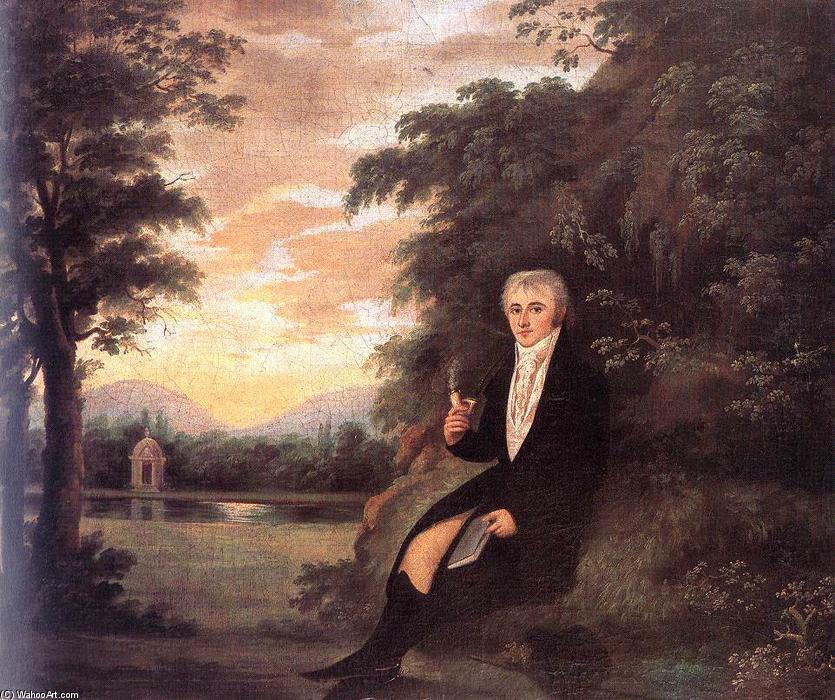
Young Man in a Landscape
 Neoclassicism
 1804
1804 60.0 x 74.0 cm
 Vychodoslovenské Galéria
 Zobrazit více
Giclée / Umělecký tisk
Giclée nebo plátěný tisk muzeální kvality s rychlou výrobou a flexibilními možnostmi povrchové úpravy. ( Koupit ručně malovaný obraz Koupit obrázek)




































Vyberte si z našich přednastavených velikostí, které odpovídají původním proporcím díla.

Můžete zadat vlastní rozměry tak, aby výtvor odpovídal konkrétnímu rámu nebo prostoru. Pokud zvolená velikost nebude odpovídat poměru stran původního obrazu, dílo buď ořížeme, nebo obraz rozšíříme pomocí zrcadlového efektu či jednobarevného okraje. Před zahájením výroby vám bude zaslán digitální náhled k schválení.
Mějte prosím na paměti, že náhled na obrazovce neodráží skutečné oříznutí nebo rozšíření. Pouze digitální náhled přesně zobrazí finální kompozici.
Ačkoliv jsou k dispozici i vlastní rozměry, pro zachování původních proporcí doporučujeme vybrat si rozměr z předdefinovaného seznamu.
Celosvětové doručení () do 2 týdnů namísto standardních 4/5 týdnů. (18 srpen)

Zdarma celosvětová expresní doprava

Vysoce kvalitní lněné plátno

Kompletní přepravní pojištění

Záruka vrácení celního poplatku

Záruka přesného barevného shodu

60denní lhůta pro vrácení zboží (pouze při vadách výroby)

100% garance vrácení peněz

Sleva při hromadné objednávce
 Skleněná varianta je dostupná pouze u rozměrů menších než 110 cm

Young Man in a Landscape
Giclée / Umělecký tisk
Rozměry reprodukce
-


Celková cena za výběr
$ 80
Biografie umělce
The Enduring Vision of János Rombauer: A Portraitist of Hungarian Nobility
János Rombauer (1782-1849) stands as a pivotal figure in the artistic landscape of 18th and early 19th century Hungary, a master portraitist whose meticulous detail and subtle psychological insight continue to captivate viewers today. Born in Lőcse (Levoča), Slovakia – then part of the Kingdom of Hungary – Rombauer’s life was inextricably linked to the shifting political currents of Central Europe, shaping both his artistic development and his career trajectory. His early years were marked by a family rooted in craftsmanship; his father, David Rombauer, was a skilled woodcarver, instilling in János an appreciation for precision and material quality that would later inform his painting style. While formal training remained elusive, Rombauer’s talent quickly emerged, leading him to establish himself as a portraitist in Pest (Budapest) by the age of nineteen. Rombauer's artistic journey took a dramatic turn when he encountered Józef August Iliński, a Polish aristocrat serving the Russian government. Impressed by Rombauer’s burgeoning abilities, Iliński invited him to his estate near Romaniv, Ukraine, offering an unparalleled opportunity to hone his craft within the opulent circles of European nobility. This period in Saint Petersburg proved transformative, exposing Rombauer to the refined tastes and artistic conventions of Imperial Russia. He became a member of the Imperial Academy of Arts, participating in prestigious exhibitions and absorbing influences from renowned artists like Vladimir Borovikovsky and Orest Kiprensky. The influence of these masters is particularly evident in his later portraits – a subtle blending of classical formality with a heightened sense of psychological realism.A Portraiture of Hungarian Society: Themes and Techniques
Rombauer’s oeuvre is overwhelmingly defined by portraiture, yet it transcends mere likeness to offer profound glimpses into the social fabric and individual personalities of his subjects. He meticulously captured the nuances of aristocratic life – the leisurely pursuits, the intricate rituals, and the subtle power dynamics that governed Hungarian society. His portraits frequently depict members of the nobility, including landowners, merchants like the prominent Eperjes Merchant Art, and even visiting dignitaries from Russia. His ability to convey character through carefully observed details—the angle of a hand, the expression in an eye, the drape of clothing—is remarkable. Technically, Rombauer’s work is characterized by a meticulous attention to detail and a masterful use of light and shadow. He employed a refined technique reminiscent of the Biedermeier style – a popular artistic movement emphasizing realism and intimacy. His portraits are often executed in miniature format, requiring extraordinary precision and control. The delicate rendering of fabrics, the subtle gradations of color, and the meticulous portrayal of facial features all contribute to the overall sense of realism and immediacy. The “English Garden in the Csáky Castle at Hotkóc” exemplifies this skill, showcasing a grid-like composition filled with miniature Baroque landscapes, demonstrating his ability to create complex scenes within a limited space.Key Works and Notable Commissions
Among Rombauer’s most celebrated works are “Spring (Flora, May)” – a vibrant depiction of springtime in bloom – and “Young Man in a Landscape,” which captures the elegance and leisure of the Hungarian aristocracy. His portrait of Saint John the Baptist, housed at the Slovak National Gallery, is considered one of his finest achievements, demonstrating his mastery of composition and psychological insight. The meticulous detail with which he portrays the figure’s contemplative expression and the symbolic significance of the landscape surrounding him speaks volumes about Rombauer's artistic vision. He also undertook numerous commissions for Hungarian nobility, including portraits of faculty members at the Lutheran College in Pest, further solidifying his position as a leading portraitist within the kingdom.Legacy and Historical Significance
János Rombauer’s legacy extends beyond his individual artistic achievements. He played a crucial role in shaping the development of Hungarian portraiture during a period of significant social and political change. His work provides invaluable insights into the lives, customs, and values of Hungarian nobility throughout the early 19th century. His portraits are not merely representations of individuals; they are windows into a bygone era, offering a tangible connection to Hungary’s rich cultural heritage. Today, his paintings reside in prestigious collections across Europe, including the Hermitage Museum and the Tretyakov Gallery, ensuring that his enduring vision continues to inspire and captivate audiences worldwide. His influence can still be felt in contemporary portraiture, demonstrating the lasting impact of this remarkable artist.Further Resources

jános rombauer
1782 - 1849
Rychlé fakta
- Artistic Movement Or Style: Biedermeier
- Artists Or Movements Influenced By This Artist: ['Borovikovsky']
- Artists Who Influenced This Artist: ['Stunder']
- Date Of Birth: May 28, 1782
- Date Of Death: February 12, 1849
- Full Name: János Rombauer
- Nationality: Hungarian
- Notable Artworks:
- Saint John the Baptist
- English Garden
- Place Of Birth: Lőcse, Hungary
Související články
Top 10 krajin v umění: Mistrovská díla a inspirace pro váš domov
Objevte 10 nejúchvatnějších krajin v umění od Turnerů po Van Gogha! Ponořte se do příběhů mistrů a inspirujte se pro svůj interiér. Reprodukce obrazů nejvyšší kvality na OriginalUniqueArt.com – pro milovníky umění a dokonalý dekor.

Romantická krajina v malbě: 10 mistrovských děl, které definovaly umělecký proud | OriginalUniqueArt
Prozkoumejte 10 ikonických děl romantické krajinářské malby! Objevte příběhy Caspara Davida Friedricha, Turnera a dalších mistrů. Reprodukce obrazů nejvyšší kvality pro váš interiér na OriginalUniqueArt.com.

Evocations of Place: A Historical Journey Through Landscape Art
Explore the rich history of landscape art with OriginalUniqueArt. Discover renowned artists, movements like Impressionism & Romanticism, and expert guidance for collecting timeless pieces. Find your perfect serene escape today!

John Constable: 25 mistrovských děl krajinářské poezie | OriginalUniqueArt.com
Prozkoumejte 25 ikonických děl Johna Constabla, mistra anglického krajinářství a romantismu. Obdivujte jeho olejomalby, plátna s venkovskou atmosférou a inspirujte se pro dekoraci interiéru. Reprodukce obrazů nejvyšší kvality na OriginalUniqueArt.com

Evocations of Place: A Historical Journey Through Landscape Art
Explore the rich history of landscape art with OriginalUniqueArt. Discover renowned artists, movements like Impressionism & tonalism, and expert guidance for collecting timeless pieces. Find your perfect serene escape today!

