
 Náhled v interiéru
 Sdílet
 Sdílet
 Podrobnosti o díle
 Průvodce

 Stáhnout
 Podobné položky
 Rentgenové snímky
 Slideshow
 Otázky a odpovědi
 Statistiky
LE MENDIANT


 Zobrazit více
Získejte soubor připravený k tisku, který svou kvalitou výrazně převyšuje webový náhled. Každý prodávaný digitální obraz pochází z vysokorozlišeného originálu v naší databázi – obvykle o šířce 5 000 až 15 000 pixelů – díky čemuž můžete tisknout ve velkém formátu, provádět těsný střih nebo si s jistotou užít i ty nejjemnější detaily.
Žádný soubor neopustí naše studio bez úprav. Digitální expert kontroluje barvy v porovnání s původním malířským dílem a v případě potřeby je upravuje, poté pomocí profesionálních nástrojů pro retuš zvyšuje ostrost a detailnost — přičemž vždy zůstává věrný tahům štětcem a stylu umělce. Výsledkem je obraz, který vypadá jako malba, nikoliv jako naskenovaný snímek s filtrem.
Schvalování před dokončením: náš expert vám do 72 hodin zašle obraz e-mailem k revizi. Nejsste spokojeni? Můžete požádat o úpravy či opravy, nebo si můžete vyžádat vrácení peněz, pokud kvalita neodpovídá vašim očekáváním.
Tuto kvalitu využívají vydavatelství, designová studia, galerie i tiskárny.
Digitální obrazy
Stáhněte si soubor ve vysokém rozlišení pro osobní prohlížení, tisk nebo kreativní projekty. ( Přepnout na tisk Koupit ručně malovaný obraz)
Součást každé objednávky digitálního obrazu
Profesionální digitální doručení, zaručené
Když si vyberete OriginalUniqueArt.com, nezískáváte pouze obrázek – získáváte digitální umělecké dílo s profesionálně vylepšenými detaily, zpracované s precizností a podpořené zárukou za spokojenost. Zde je vše, co vaše objednávka automaticky obsahuje:

Rychlé doručení e-mailem
Váš digitální obraz ve vysokém rozlišení vám bude zaslán e-mailem do 72 hodin od objednávky – připraven k okamžitému použití.

Digitální soubor s využitím AI
Vaše umělecké dílo je profesionálně optimalizováno pomocí pokročilých nástrojů umělé inteligence a manuální úpravy, což zajišťuje maximální úroveň detailu, ostrosti a přesnosti barev.

Doživotní bezplatné znovuodeslání digitálních obrazů
Soubor jste omylem smazali nebo ztratili? Žádný problém – kdykoliv vám ho znovu zašleme zcela zdarma.

Bez poplatků za dovoz – navždy
Užijte si své umělecké dílo okamžitě bez celních poplatků, daní nebo nákladů na dopravu – digitální stažení je vždy bez daňových povinností.

Záruka přesnosti barev
Díky profesionálním nástrojům a správě barev zajišťujeme, aby váš digitální obraz odrážel původní barvy co nejvěrněji.

100dená záruka spokojenosti
Pokud nebudete s digitálním obrázkem spokojeni, provedeme jeho revizi nebo vám vrátíme 100% platby do 100 dnů – bez jakýchkoliv dotazů.

100% záruka vrácení peněz
Nespokojeni? Získejte plnou náhradu peněz do 100 dnů od obdržení digitálního souboru – bez zbytečných dotazů.

Slevy při hromadných objednávkách
Koupě 3 obrazů ušetří 10% – Koupě 5 obrazů ušetří 15% – Koupě 10+ obrazů ušetří 20%. Ideální pro kreativní projekty, galerie a agentury.
Jan Miel’s “Le Mendiant”: A Window Into Baroque Dignity Amidst Poverty
The artwork "Le Mendiant," attributed to Jan Miel (1599 – 1663), stands as a poignant testament to the artistic spirit of the Dutch Golden Age and its engagement with broader humanist concerns. Painted circa 1630, this genre scene—a hallmark of Miel’s oeuvre during his formative years in Rome—captures a moment of quiet contemplation within a bustling tavern interior, offering viewers an arresting glimpse into both social realities and artistic sophistication.Composition and Style: Baroque Restraint Within Classical Framework
Miel's stylistic approach skillfully blends influences from Flemish masters like Anthony van Dyck with the burgeoning grandeur of Italian Baroque aesthetics. The horizontal orientation of the canvas immediately establishes a sense of stability, mirroring the formal balance characteristic of Baroque compositions. However, unlike the opulent theatricality often associated with Rome at the time, Miel employs subtle tonal gradations and muted colors—primarily grayscale—to convey an atmosphere of understated dignity. This deliberate restraint serves to heighten the emotional impact of the depicted scene: a beggar humbly requesting alms amidst a group of patrons engaged in conversation. The artist’s meticulous attention to detail—evident in the rendering of textures, particularly on the tavern table and the livestock visible in the background—underscores Miel's commitment to realism while simultaneously grounding the image within a broader artistic tradition.Detailed Examination: Technique and Materials
The painting utilizes oil paint on canvas with considerable skill. Brushstrokes are perceptible but carefully blended, creating a smooth surface that enhances the illusion of depth and luminosity despite the absence of vibrant hues. Layers of tonal variation—a technique favored by Miel—are skillfully applied to sculpt form and delineate contours, capturing the nuances of light and shadow within the tavern setting. The artist’s meticulous observation of natural forms—reflected in the depiction of the cows and sheep—demonstrates a profound understanding of classical principles of perspective and anatomical accuracy.Historical Context: Rome and Beyond – Miel's Artistic Journey
Jan Miel’s artistic development unfolded primarily in Rome during the 1630s, where he honed his craft under the patronage of Charles Emanuel II, Duke of Savoy—a connection that cemented his reputation as a court artist. This period witnessed a significant shift towards classicizing tendencies within Miel's oeuvre, mirroring the broader cultural revival occurring across Europe. The artwork’s subject matter – depicting poverty alongside social interaction – speaks to the humanist ideals prevalent during the Baroque era, reflecting an interest in portraying human experience with compassion and intellectual rigor.Symbolism: Dignity Amidst Adversity
“Le Mendiant” transcends mere visual representation; it embodies a deeper symbolic resonance. The beggar’s posture—characterized by humility and supplication—serves as a poignant reminder of the vulnerability inherent within the human condition. Simultaneously, the gathering of people around the table symbolizes communal life and social responsibility. The inclusion of livestock reinforces the artwork's connection to rural existence and underscores its engagement with themes of moral contemplation. Ultimately, Miel’s masterpiece invites viewers to consider not only the aesthetic beauty of the scene but also its profound ethical implications—a testament to the enduring power of art to illuminate both the grandeur and fragility of human experience.- Artist: Jan Miel
- Birth Year: 1599
- Death Year: 1663
- Birth City: Beveren
- Birth Country: Belgium
Additional Resources:
LE MENDIANT – Louvre site des collections 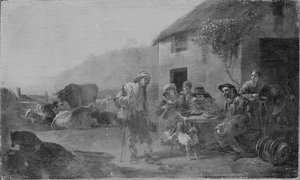
jan josef horemans the elder – Belgian painter (1682-1759) known for detailed interiors & anatomical precision.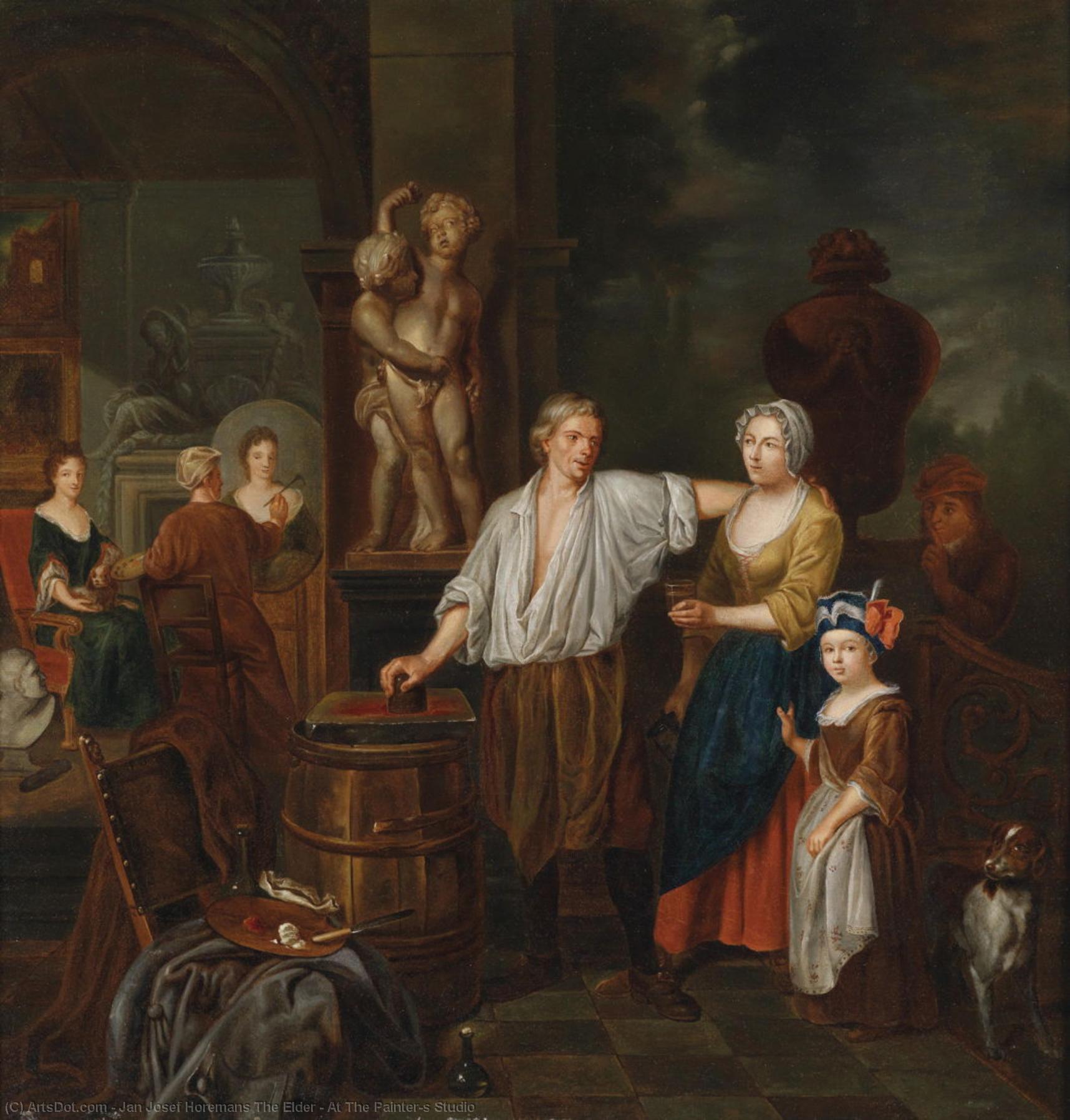
jan le ducq – Explore the captivating landscapes & animal paintings of Jan Le Ducq, a Dutch master known for his dog portraits.
Jan Miel – Cavaliere della Vita, (Anvers, 1599 - Turin, 1663) Court artist to Charles Emanuel II, Duke of Savoy.
Louvre, Paris, France – INV 1447 and MR 816 ( )
)

File:Jan Miel - The beggar.JPG – Wikimedia Commons 
Louvre Cartel – Foucart, Jacques, Catalogue des peintures flamandes et hollandaises du musée du Louvre, Gallimard / Louvre éditions, 2009, p. 182, ill. n&bCatalogue des peintures flamandes et hollandaises
Otázky a odpovědi
Jakým způsobem se styl díla "LE MENDIANT" vztahuje k době svého tvůrce?
Dílo „LE MENDIANT“ od Jan Miel patří k享有 směrům Dutch Golden Age Painting, které charakterizovaly éru – Raná modernita svého autora.
Proč má dílo „LE MENDIANT“ právě takový autorský status?
Autorskoprávní status díla „LE MENDIANT“ – v rámci volného užití – autorská práva vypršela – vyplývá ze smrti umělce v roce 1663.
Jakou saturaci a intenzitu má dílo „LE MENDIANT“ od Jan Miel?
Dílo „LE MENDIANT“ od Jan Miel je zachyceno s Muted saturací a Monochromatic intenzitou.
Biografie umělce
Jan Miel: Most mezi nizozemským realismem a barokní velkolepostí
Jan Miel (1599–1663) představuje klíčovou postavu sedmnáctého století, která v sobě ztělesňuje fascinující spojení flamandské tradice a italské inovace. Narodil se v belgickém Beverenu—ačkoliv za jeho rodiště mohou kandidovat i Antverpy či ’s-Hertogenbosch—jeho raný život zůstává zahalen mlhou relativní obscurity, což činí biografické detaily vzácnými. Přesto z odborných výzkumů vyvstává neuvěřivá umělecká cesta, charakterizovaná stylistickou evolucí a tvůrčí spoluprící, které mu zajistily pevné místo v pulzujícím kulturním prostředí Říma i Turína.
Své formativní roky strávil zdokonalováním svého řemesla především v Antverpích, kde nasávl vlivy významných flamandských mistrů, jako byl Anthony van Dyck. Ačkoliv přesný rozsah jeho výcviku zůstává nejasný, nepochybně v něm zakořenila schopnost precizní pozorovatelnosti a vytříbená technika—vlastnosti, které budou definovat velkou část jeho pozdějšího díla. Toto základní ukotvení v klasické kresbě a portrétní malbě mu poskytlo nezbytný nákladní vozek pro kariéru, která nakonec překonala i regionální hranice.
Římská transformace a duch Bamboccianti
Mielův příjezd do Říma kolem roku 1636 znamenal zásadní zlom v jeho umělecké dráze. Rychle se připojil k Bentvueghels, vlivnému společenství nizozemských a flamandských umělců sídlících v Věčném městě. V rámci tohoto bratrstva si osvojil nezapomenutelnou přezdívku „bieco“, která odrážela jeho charakteristický šedivý pohled—rysu, jenž se stal synonymem pro jeho uměleckou osobnost. Toto spojenectví mu umožnilo navázat hluboké vazby v širší umělecké komunitě, která byla silně ovlivněna stylem Bamboccianti od Pietersa van Laera.
Toto hnutí se věnovalo zachycování scén každodenního života nižších vrstev v Římě a jeho okolí, přičemž se vyhýbalo idealizované velkoleposti vysoké renesance ve prospěch něčeho mnohem naléhavějšího a syrovějšího. Miel tento trend přijal celým srdcem a vytvářel poutavé žánrové malby, které zachycovaly ducha městské existence s neuvěřitelným realismem a citlivostí. Jeho díla často obsahovala:
- Živoucí pouliční scény osazené cestujícími, obchodníky a dělníky.
- Mistrovské využití světla k vyvolání prašné, sluncem zalité atmosféry římských uliček.
- Subtilní propojování lidských emocí v přeplněném a chaotickém prostředí.
- Důslednou pozornost věnovanou texturám látek, kamene a země.
Evoluce směrem k klasicismu a dvorské grandióznosti
Jak jeho kariéra postupovala, Mielova umělecká vize prošla významnou metamorfózou. Přestože zůstal mistrem žánrové scény, začal se vzdalovat od syrového realismu Bamboccianti směrem k více klasizujícím historickým malbam. Tento posun odrážel širší trend v evropském umění, kde byla surová energie baroka stále více tlumena touhou po řádu, vznešenosti a klasické alegorii.
Tato evoluce ho nakonec dovedla k prestižním povoláním, z nichž nejvýznamnějším bylo působení jako dvorského malíře u Karála Emanuelova II., vévody savojského. V službě turínského dvora získala Mielova tvorba formálnější a majestátnější charakter. Intimita jeho dřívějších římských scén ustoupila kompozicím většího měřítka a složitosti, navrženým tak, aby odrážely moc a prestiž jeho královského patrona. Toto období představuje vrchol jeho profesního úspěchu, kde se jeho flamandské kořeny v detailu setkaly s velkolepými příběhy vyžadovanými evropskou aristokracií.
Historický význam Jana Miela spočívá v jeho schopnosti pohybovat se mezi těmito odlišnými světy. Byl umělcem, který dokázal najít krásu v pokorném boji římského pouličního chudáka i důstojnost v epických talech antiky. Propojováním propasti mezi precizním realismem Severu a dramatickým klasicismem Jihu zanechal Miel nezmazatelnou stopu v dekanonu sedmnáctého století a zajistil si odkaz skutečného kosmopolity barokní éry.
Jan Miel
1599 - 1663 , Belgisko
Stručné informace
- Artistic Movement Or Style: Bamboccianti, Klasicismus
- Artists Or Movements Influenced By This Artist: ['Pieter van Laer']
- Artists Who Influenced This Artist: ['Anthony van Dyck']
- Date Of Birth: 1599 Beveren Belgie
- Date Of Death: 1663
- Full Name: Jan Miel
- Nationality: Flandrián
- Notable Artworks:
- krajina s bitvou dvou beranů
- Římská vápenná pec s rolníky hrajícími hazard
- Place Of Birth: Beveren Belgie