Náhled v interiéru
 Sdílet
 Sdílet
 Podrobnosti o díle
 Průvodce

 Stáhnout
 Podobné položky
 Rentgenové snímky
 Slideshow
 Q&A
Q&A Statistiky
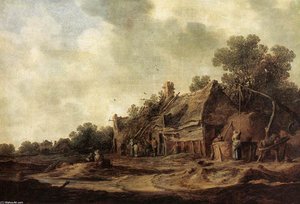
River scene

- 40.0 x 56.0 cm


 Zobrazit více
Giclée / Umělecký tisk
Giclée nebo plátěný tisk muzeální kvality s rychlou výrobou a širokou nabídkou povrchových úprav. ( Koupit ručně malovaný obraz Přepnout na digitální obraz)




P118B Kč10

P118H Kč10

P118W Kč10

P438Z Kč10

P508JH Kč12

P508YH Kč12

P805H Kč10

P805Z Kč10

P919BZ Kč10

P919G Kč10

P919XJ Kč10

P959ZH Kč10

P968JZ Kč12

W106C Kč8

W218G Kč10

W218JH Kč8

W218Y Kč10

W307PJ Kč10

W316G Kč10

W316PJ Kč8

W316Y Kč10

W398PJ Kč8

W4111J Kč10

W500HY Kč15

W500JH Kč15

W692G Kč12

W849H Kč8

W940BG Kč15

W953PJ Kč8




Vyberte si z našich přednastavených velikostí, které odpovídají původním proporcím díla.

Zadejte šířku a výšku, které potřebujete pro váš rám nebo stěnu. Tisk lze pouze oříznout, nikdy však nelze zvětšit obraz nad jeho původní rozměr, proto při výběru jiného formátu dochází ke ztrátě části obrazu. Před samotným tiskem vám zašleme digitální náhled k schválení. Obraz zobrazený na této stránce nenabízí skutečný výřez — ten uvidíte pouze v náhledu.
Celosvětové doručení () do 2 týdnů namísto standardních 4/5 týdnů. (1 listopad)

Zdarma celosvětová expresní doprava

Vysoce kvalitní lněné plátno

Kompletní pojištění přepravy

Záruka vrácení celního poplatku

Záruka věrného barevného souladu

100dení lhůta pro vrácení zboží (pouze při vadách výroby)

100% záruka vrácení peněz

Sleva při více objednávkách
 Skleněná varianta je dostupná pouze u rozměrů menších než 110 cm

River scene
Giclée / Umělecký tisk
Rozměry reprodukce
-


Celková cena za vybrané možnosti reprodukcí
Kč 1738
Jan van Goyen: A Pioneer of Atmospheric Landscape Painting
Jan Josephszoon van Goyen (1596 – 1656) stands as an enduring icon of Dutch Golden Age art, celebrated for his masterful depictions of the serene beauty of the Dutch countryside. More than just capturing scenery, Van Goyen achieved a profound emotional resonance through his distinctive style—a quiet contemplation of nature imbued with subtle tonal variations and an unwavering commitment to realism. His legacy continues to inspire artists and captivate audiences today.Early Life and Artistic Training
Born in Leiden on January 13, 1596, Van Goyen’s artistic journey began humbly, apprenticing under Esaias van de Velde in Haarlem. This formative experience instilled in him a foundational understanding of perspective and tonal painting—skills that would become hallmarks of his oeuvre. Unlike many contemporaries who embraced flamboyant color palettes, Van Goyen deliberately eschewed ostentation, prioritizing instead the quiet observation of natural light and shadow to convey mood and space effectively.A Distinctive Style: Simplicity and Atmospheric Perspective
Van Goyen’s artistic style is instantly recognizable for its remarkable simplicity. He rejected elaborate ornamentation, focusing solely on conveying the essence of his subjects—typically Dutch riverscapes—through a restrained palette dominated by grays, browns, and greens. Crucially, he pioneered the technique of atmospheric perspective, skillfully rendering distant landscapes with muted colors and softened contours to simulate the effects of air and haze. This approach wasn’t merely stylistic; it reflected Van Goyen's deep conviction that true beauty resided in capturing the subtle nuances of the natural world.Prolific Output and Notable Works: Reflecting Dutch Identity
Van Goyen was an extraordinarily prolific artist, producing approximately twelve hundred paintings—a staggering output considering the artistic standards of his time. His subjects ranged from expansive forest vistas to tranquil river scenes bathed in golden light, reflecting the cultural values of the Netherlands during the Golden Age. Among his most celebrated works is “A View on the Maas near Dordrecht,” a breathtaking panorama showcasing Van Goyen’s mastery of tonal painting and atmospheric perspective—a testament to his ability to evoke profound emotion through understated visual elements. This piece exemplifies the artist's dedication to portraying Dutch landscapes with unwavering accuracy and sensitivity, cementing his place as one of the foremost landscape painters of his era.Symbolism and Emotional Impact: Capturing Tranquility and Reflection
Beyond mere representation, Van Goyen’s paintings convey a deeper symbolic significance—a celebration of Dutch identity and a contemplation of the sublime beauty inherent in nature. The muted colors and hazy landscapes invite viewers to pause and consider the grandeur of the natural world alongside its quiet serenity. His works resonate with an enduring emotional impact, transporting audiences back to 17th-century Holland and reminding us of the power of art to inspire awe and introspection.Further Exploration: Resources for Art Enthusiasts
For those eager to delve deeper into Jan van Goyen’s artistic legacy, several valuable resources are available:- National Gallery of Art: River Landscape with a Distant Bridge
- Wikipedia Article:Jan van Goyen
Discover more about Jan van Goyen’s life and work at OriginalUniqueArt.
Otázky a odpovědi
K kterému uměleckému směru patří „River scene“ od Jan van Goyen?
Umělecký směr, ke kterému patří dílo „River scene“ od Jan van Goyen, je Dutch Golden Age Landscape. Tato klasifikace toto dílo umísťuje mezi související umělce a další umělecká díla.
Existují díla podobná jako "River scene"?
Podobná díla k "River scene" naleznete na stránce Podobná díla tohoto díla.
S jakým pocitem je spojeno dílo "River scene"?
„River scene“ od Jan van Goyen vyzařuje Calm emocionální náboj.
Biografie umělce
Jan van Goyen: A Life in Landscape
Jan Josephszoon van Goyen (1596 – 1656) stands as one of the most celebrated figures in Dutch Golden Age painting, a master whose serene landscapes continue to inspire awe and admiration centuries later. Born in Leiden on January 13, 1596, he embarked upon an artistic journey that would solidify his place amongst the titans of his era—a journey marked by meticulous observation, understated brilliance, and a profound connection to the Dutch countryside.Early Life and Training
Van Goyen’s formative years were spent in Leiden, where he began his artistic education at a remarkably young age – ten! Recognizing his innate talent, his father entrusted him to the tutelage of Isaac van Swanenburgh (c. 1537–1614), a respected artist who instilled in him the principles of realistic depiction and compositional balance. This initial training proved invaluable, shaping Van Goyen’s artistic sensibilities and establishing a foundation for his subsequent explorations of landscape art. He further honed his skills under Esaias van de Velde in Haarlem, absorbing influences from another prominent painter whose style championed vibrant color palettes and detailed observation—a stylistic contrast that would ultimately contribute to Van Goyen's distinctive approach.Artistic Style and Development
What immediately distinguishes Van Goyen’s oeuvre is its remarkable simplicity. Unlike many of his contemporaries who embraced elaborate ornamentation and dramatic chiaroscuro, he deliberately eschewed excessive embellishment, prioritizing tonal variations—primarily grays, browns, and greens—to convey the subtle moods of Dutch skies and waterscapes. This stylistic choice wasn't merely aesthetic; it reflected a deeper conviction that capturing the essence of nature required restraint and precision. His early works bear the unmistakable imprint of Van de Velde’s influence, yet he swiftly cultivated his own singular style, focusing on conveying atmosphere and capturing the spirit of the Dutch landscape with remarkable accuracy.Prolific Output and Notable Works
Throughout his prolific career—estimated to produce around 1,200 paintings and over 1,000 drawings—Van Goyen relentlessly pursued artistic excellence. Among his most iconic creations are *River Landscape with Windmill*, a quintessential embodiment of tonal landscapes that exemplifies his mastery of light and shadow; and *Fishermen by the Lakeshore*, which showcases his ability to depict tranquil waterscapes with breathtaking subtlety. He frequently depicted scenes of rivers, lakes, dunes, and expansive skies—each canvas imbued with a palpable sense of place and infused with an artist’s unwavering dedication to capturing the beauty of the Dutch countryside. His meticulous attention to detail ensured that every brushstroke conveyed not just visual information but also emotional resonance.Influences and Legacy
Though undeniably influenced by Esaias van de Velde, Van Goyen's artistic vision transcended mere imitation. He directly impacted artists such as Jan Steen, who served as one of his pupils—a testament to Van Goyen’s enduring influence on the artistic landscape of his time. His insistence on realism and atmospheric effects paved the way for subsequent generations of landscape painters, establishing him as a pivotal figure in shaping the trajectory of Dutch art history. ## Financial Struggles and Later Life Despite achieving considerable renown during his lifetime—a recognition reflected in commissions from wealthy patrons—Van Goyen faced persistent financial difficulties. He engaged in diverse business ventures, including speculative investments in tulips (during “Tulip Mania”), which tragically ended in ruin; and real estate endeavors that yielded inconsistent results. By the time of his death on April 27, 1656, in The Hague, he was burdened by debts amounting to approximately 18,000 guilders—a sobering reminder that artistic genius does not always guarantee financial prosperity. ## Historical Significance Jan van Goyen’s legacy extends far beyond the canvases bearing his signature. He is considered a cornerstone of Dutch Golden Age painting and an indispensable contributor to the development of landscape art—a genre that would dominate European artistic sensibilities for decades to come. His unwavering commitment to portraying the Dutch countryside with unparalleled realism and atmospheric depth ensured that he would be remembered as one of the most important artists of his era—a figure whose work continues to captivate audiences today, offering a timeless glimpse into the beauty and tranquility of seventeenth-century Holland.
Jan van Goyen
1596 - 1656 , Německo
Rychlé informace o umělci
- Artistic Movement Or Style: Dutch Golden Age painting
- Artists Or Movements Influenced By This Artist: Jan Steen
- Artists Who Influenced This Artist: Esaias van de Velde
- Date Of Birth: January 13, 1596
- Full Name: Jan Josephszoon van Goyen
- Nationality: Dutch
- Notable Artworks:
- River Landscape with Windmill
- Fishermen by the Lakeshore
- Place Of Birth: Leiden, Netherlands
Související články

Golden Age Reflections: Dutch Baroque Painting & Cultural Innovation
Explore the Dutch Golden Age of painting! Discover key artists like Vermeer & ter Borch, their innovative techniques, and the rich cultural context behind these Baroque masterpieces. Learn about collecting & appreciating this iconic art period.

Rembrandt van Rijn: Top 25 mistrovských děl pro váš interiér | OriginalUniqueArt.cz
Prozkoumejte 25 nejlepších děl Rembrandta van Rijna – od portrétů po biblické scény. Objevte příběhy, techniky a inspiraci nizozemského baroka. Reprodukce obrazů pro váš interiér na OriginalUniqueArt.cz.

Zlatý věk nizozemského malířství: 10 mistrovských děl pro váš domov | OriginalUniqueArt.com
Prozkoumejte 10 ikonických děl nizozemského zlatého věku – Rembrandt, Vermeer a další mistři. Objevte příběhy za obrazy, techniky a inspiraci pro váš interiér s reprodukcemi nejvyšší kvality na OriginalUniqueArt.com.

Jan van Goyen: Master of Dutch Landscape & Atmospheric Perspective
Discover Jan van Goyen, the master of Dutch landscape painting. Explore his subtle technique, atmospheric realism & lasting influence on art history. Learn about this 17th-century pioneer at OriginalUniqueArt.
Jan Steen: A Master of Dutch Genre Painting & the Golden Age
Explore the life & art of Jan Steen, a leading Dutch Golden Age painter renowned for his humorous genre scenes & insightful social commentary. Discover his techniques, legacy, and collecting tips.