Menu
BEZPLATNÉ UMĚLECKÉ PORADENSTVÍ
NáhledNáhled Náhled v ARNáhled v AR Koupit tisk Koupit tiskKoupit obrázek Koupit obrázek SdíletSdílet
Podrobnosti o dílePodrobnosti o díle Přidat do oblíbených Přidat do oblíbených StáhnoutStáhnout Podobné položkyPodobné položky Rentgenové snímkyRentgenové snímky SlideshowSlideshow

Violinist

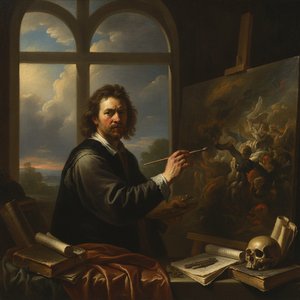
Výrazný obraz Jana Andrea Lievense zobrazující hudebníka hrajícího violinu v pozadí knihy a židle. Klasicistický dílo zlatého věku nizozemského malířství.

Jan Lievens (1607-1674) byl nizozemský malíř, známý spoluprací s Rembrandtem a dramatickými portréty v stylu Caravaggia. Objevte jeho díla v Mauritshuis a dalších muzejích.

Ručně malovaná olejová reprodukce

Ručně malovaná olejná barva na plátně ve vašem zvoleném rozměru i s rámem, vyrobená našimi umělci na zakázku. (Koupit tisk Koupit tiskKoupit obrázek Koupit obrázek)

P118B $10
P118H $10
P118W $10
P438Z $10
P508JH $12
P508YH $12
P805H $10
P805Z $10
P919BZ $10
P919G $10
P919XJ $10
P959ZH $10
P968JZ $12
W106C $8
W218G $10
W218JH $8
W218Y $10
W307PJ $10
W316G $10
W316PJ $8
W316Y $10
W398PJ $8
W4111J $10
W500HY $15
W500JH $15
W692G $12
W849H $8
W940BG $15
W953PJ $8

Standard
custom
CM
INCH

Vyberte si z našich přednastavených velikostí, které odpovídají původním proporcím díla.

šířka
výška

Můžete zadat vlastní rozměry pro konkrétní rám nebo prostor. Pokud se vámi vybraná velikost neshoduje s proporcemi původního obrazu, dílo buď ořízneme, nebo jej doplníme ručně malovanými prvky. Před zahájením výroby vám bude zaslán digitální náhled ke schválení.
Upozorňujeme, že náhled na obrazovce neodpovídá skutečnému ořezu ani rozšíření. Pouze digitální náhled přesně zobrazí finální kompozici.
Ačkoliv je možné zvolit vlastní velikost, pro zachování původních proporcí doporučujeme vybrat rozměr z předdefinovaného seznamu.

Příklady možných změn: Nahrazení obličeje vlastní fotografií; Přidání domácího mazlíčka (např. nahrazení kočky psem); Vložení skrytého vzkazu do pozadí; Změna krajiny nebo prvků v pozadí.
Po přijetí objednávky vám tým OriginalUniqueArt.com zašle e-mail s pokyny a poskytne náhledovou verzi.

Celosvětová doprava () za 3–4 týdny namísto standardních 5 týdnů. (24 srpen). Bez kompromisů v kvalitě.

why_choose_icon
Zdarma celosvětová expresní doprava
why_choose_icon
Vysoce kvalitní lněné plátno
why_choose_icon
Kompletní přepravní pojištění
why_choose_icon
Záruka vrácení celního poplatku
why_choose_icon
Záruka přesného barevného shodu
why_choose_icon
60denní lhůta pro vrácení zboží (pouze při vadách výroby)
why_choose_icon
100% garance vrácení peněz
why_choose_icon
Sleva při hromadné objednávce

Celková cena

$ 300

reproduction

Violinist

Technika reprodukce

Rozměry reprodukce

-

Celková cena za výběr

$ 300

Základní informace

  • Movement: Baroque
  • Artist: jan andrea lievens jan lievens
  • Artistic style: Caravaggisti influence
  • Notable elements or techniques: Dramatic lighting; Detailed portraiture
  • Location: Mauritshuis
  • Medium: Oil on panel
  • Influences: Rembrandt

Kvíz o umění

U každé otázky je pouze jedna správná odpověď.

Otázka 1:
What artistic style is predominantly associated with Jan Lievens’ ‘The Violin Player’?
Otázka 2:
Around what year was 'The Violin Player' created?
Otázka 3:
Who collaborated with Jan Lievens on this painting project?
Otázka 4:
What medium was primarily used in the creation of ‘The Violin Player’?
Otázka 5:
Based on the image description, what is the overall atmosphere conveyed by the painting?

Popis díla

Jan Andrea Lievens – Mistrovství v Portrétu a Barokní Elegance

Jan Andrea Lievens (1607–1674) byl významným nizozemským malířem období zlatého věku, který žil ve stejné době jako Rembrandt van Rijjn. Jeho dílo je často spojováno s rembrandtským stylem, protože oba umělci působili v podobných estetických vodách během této obdobná zlatého věku. Jeho tvorba vykazuje dramatické prvky a bohatou koloritu charakteristickou pro barokní výtvarné umění. Lievensův život byl poznamenán počátečním nedostatkem finančních prostředků, což ovlivnilo jeho vzdělání a první profesionální zkušenosti. Naučil se malovat pod vedením Joris Verschoten v Leidenu, kde získal základní znalosti perspektivy a anatomie – znalosti nezbytné pro tvorbu realistických portrétů. Jeho talent rychle vynikl a otevřel mu cestu k úspěchu a uznání. Jedním z nejvýznamnějších okamžiků jeho kariéry byla spolupráce s Rembrandtem van Rijnhem mezi lety 1626 až 1631. Tato spolupráce přinesla nové inspirace a rozšířila jeho estetické obzory. Výsledkem byly ikonické obrazové cykly, které dodnes fascinují odborníky i veřejnost. Jeho práce jsou považovány za vrchol nizozemského barokního výtvarného umění. Lievens byl aktivní také jako ilustrátor knih a grafikář, což dokazuje jeho všestrannost a kreativitu. Jeho díla jsou charakteristická vysokou úrovní detailů a pečlivostí provedení – znakem jeho perfekcionismu a odbornosti. Jeho obraz „The Violin Player“ je příkladem této estetiky, kde každý aspekt kompozice byl promyšlený a dokončený s maximální přesností. Tento obraz zachycuje okamžik klidné koncentrace hudebníka při hraní violoncelu. Pozadí obrazu vytváří atmosféru bohatého prostoru vybaveného knihami a stolním osvětlením, což dodává dílu komplexnost a intelektuální hodnotu. Jeho použití kontrastních světel a odstínů barvy působí dramaticky a vyjadřuje emocionální intenzitu hudebního projevu. Tento obraz je považován za jedno z nejlepších reprezentací nizozemského barokního výtvarného umění. Významné dílo Jana Andrea Lievensa „The Violin Player“ lze nalézt v Mauritshuisu v Haagu, kde je vystaven společně s dalšími významnými obrazami tohoto období. Jeho reprodukce jsou široce používány v dekorativních interiérech a inspirují milovníky umění po celém světě. Tento obraz zůstává důkazem mistrovství nizozemského barokního výtvarného umění a jeho schopnosti vyjadřovat komplexní emoční stav hudebníka při hraní violoncelu. Jeho dílo je skutečným pokladem evropské kultury.

Biografie umělce

Jan Andrea Lievens: A Dutch Master Caught in Rembrandt’s Shadow

Jan Andrea Lievens, born on October 24th, 1607, in Leiden, Netherlands, stands as a captivating figure within the vibrant tapestry of the Dutch Golden Age. His life and artistic journey are inextricably linked to that of his contemporary, Rembrandt van Rijn, creating a complex narrative of collaboration, rivalry, and ultimately, relative obscurity. Lievens’s work, characterized by dramatic compositions, masterful use of light and shadow, and a distinctive Caravaggisti influence, deserves renewed recognition as a significant contributor to the artistic landscape of 17th-century Europe.

Early Years and Artistic Training

Lievens's early life was steeped in artistry. His father, Lieven Hendriksze, was a skilled embroiderer – a profession that instilled an appreciation for detail and craftsmanship from a young age. At the tender age of ten, he entered the studio of Joris van Schooten, a respected Leiden artist who provided him with the foundational elements of drawing and painting. This apprenticeship laid the groundwork for his future development, introducing him to techniques and principles that would later inform his distinctive style. Shortly thereafter, Lievens was sent to Amsterdam to study under Pieter Lastman, a renowned history painter known for his dynamic compositions and dramatic use of light. Lastman’s influence is readily apparent in Lievens's early works, particularly in the way he rendered figures and staged scenes with theatrical flair. This period marked a crucial stage in Lievens’s artistic education, shaping his understanding of perspective, anatomy, and color theory.

A Collaborative Partnership with Rembrandt

Around 1626, at the age of nineteen, Jan Lievens entered into a remarkable partnership with Rembrandt van Rijn. This collaboration, spanning approximately six years, produced over two dozen paintings, drawings, and etchings—a period marked by intense creative energy and mutual influence. The pair worked together in Amsterdam, sharing a studio and developing their artistic styles in tandem. While the exact nature of their relationship remains debated among art historians, it’s clear that they pushed each other to explore new techniques and approaches. Rembrandt's experience as a seasoned master undoubtedly guided Lievens, while Lievens’s youthful exuberance and willingness to experiment likely invigorated Rembrandt’s work. However, this competitive collaboration also created difficulties in attributing works from this period, leading to years of misattribution and uncertainty about the authorship of many paintings.

The Influence of Caravaggisti Style

Lievens's artistic style is deeply rooted in the influence of the *Caravaggisti*, a group of Italian painters who had popularized the dramatic use of light and shadow, intense colors, and dynamic compositions during the late 16th century. This influence is particularly evident in his early works, such as *Head of an Old Man* (held at the New Orleans Museum of Art) and *Bearded Man with a Beret*, where he employs tenebrism—a technique characterized by stark contrasts between light and dark—to create a sense of drama and immediacy. Furthermore, Lievens’s penchant for portraying figures in dramatic poses and capturing fleeting moments of emotion aligns closely with the aesthetic principles of the Caravaggisti.

A Journey Beyond Amsterdam: London, Antwerp, and Berlin

Following his collaboration with Rembrandt, Lievens embarked on a peripatetic career that took him to various European centers, including London, Antwerp, The Hague, and Berlin. In London, he was invited to the court of King James I in 1631, where he created portraits for the royal family. This marked a significant turning point in his career, establishing him as a sought-after artist among Europe’s elite. In Antwerp, he continued to receive commissions from wealthy patrons and city officials, producing a diverse range of works—from religious paintings to genre scenes depicting everyday life. His time in Berlin saw him working for the Prussian court, further expanding his artistic horizons and solidifying his reputation as a versatile and accomplished painter.

Legacy and Rediscovery

Despite his considerable talent and prolific output, Jan Lievens’s legacy was largely overshadowed by that of Rembrandt during his lifetime. For centuries, his work was frequently misattributed to the more famous master, contributing to its relative obscurity. However, in recent decades, a renewed interest in Lievens's art has led to a reassessment of his contributions to the Dutch Golden Age. Exhibitions such as “Jan Lievens: A Dutch Master Rediscovered” at the Milwaukee Art Museum have played a crucial role in bringing his work to wider audiences and correcting historical misinterpretations. Today, Jan Andrea Lievens is increasingly recognized as a significant artist in his own right—a dynamic and innovative painter who deserves a prominent place among the leading figures of the Dutch Golden Age.
Jan Andrea Lievens

Jan Andrea Lievens

1607 - 1674 , Nizozemsko

Rychlé fakta

  • Artistic Movement Or Style: Zlatá éra Nizozemska
  • Artists Or Movements Influenced By This Artist: ['Rembrandt']
  • Artists Who Influenced This Artist:
    • Pieter Lastman
    • Peter Paul Rubens
  • Date Of Birth: 24. října 1607
  • Date Of Death: 4. června 1674
  • Full Name: Jan Andrea Lievens Jan Lievens
  • Nationality: Nizozemec
  • Notable Artworks:
    • Klínec starce
    • Portrét Constantin Huygens
    • Chlap v kapuci
  • Place Of Birth: Leiden, Nizozemsko
Prozkoumejte umělecká díla uspořádaná podle témat, stylů a charakteristik.