
 Náhled
 Sdílet
 Sdílet
 Podrobnosti o díle

 Stáhnout
 Podobné položky
 Rentgenové snímky
 Slideshow
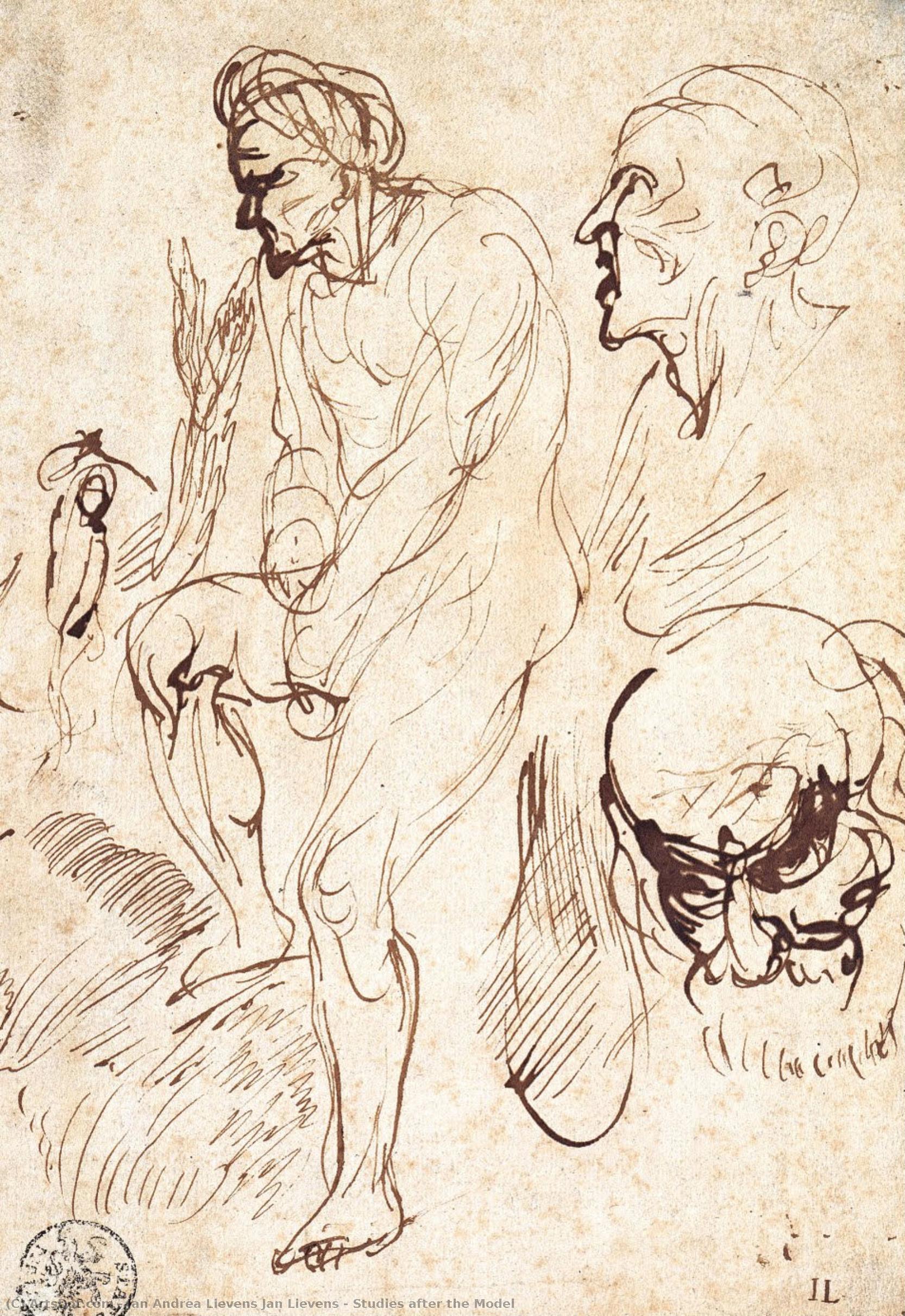
Studies after the Model
 Acrylic On Canvas
- WallArt
- Baroque
 1660
1660 176.0 x 254.0 cm
 Kunstpalast
 Zobrazit více
Ručně malovaná olejová reprodukce
Ručně malovaná olejná barva na plátně ve vašem zvoleném rozměru i s rámem, vyrobená našimi umělci na zakázku. ( Koupit tisk Koupit obrázek)




P118B $10

P118H $10

P118W $10

P438Z $10

P508JH $12

P508YH $12

P805H $10

P805Z $10

P919BZ $10

P919G $10

P919XJ $10

P959ZH $10

P968JZ $12

W106C $8

W218G $10

W218JH $8

W218Y $10

W307PJ $10

W316G $10

W316PJ $8

W316Y $10

W398PJ $8

W4111J $10

W500HY $15

W500JH $15

W692G $12

W849H $8

W940BG $15

W953PJ $8




Vyberte si z našich přednastavených velikostí, které odpovídají původním proporcím díla.

Můžete zadat vlastní rozměry pro konkrétní rám nebo prostor. Pokud se vámi vybraná velikost neshoduje s proporcemi původního obrazu, dílo buď ořízneme, nebo jej doplníme ručně malovanými prvky. Před zahájením výroby vám bude zaslán digitální náhled ke schválení.
Upozorňujeme, že náhled na obrazovce neodpovídá skutečnému ořezu ani rozšíření. Pouze digitální náhled přesně zobrazí finální kompozici.
Ačkoliv je možné zvolit vlastní velikost, pro zachování původních proporcí doporučujeme vybrat rozměr z předdefinovaného seznamu.
Po přijetí objednávky vám tým OriginalUniqueArt.com zašle e-mail s pokyny a poskytne náhledovou verzi.
Celosvětová doprava () za 3–4 týdny namísto standardních 5 týdnů. (21 srpen). Bez kompromisů v kvalitě.

Zdarma celosvětová expresní doprava

Vysoce kvalitní lněné plátno

Kompletní přepravní pojištění

Záruka vrácení celního poplatku

Záruka přesného barevného shodu

60denní lhůta pro vrácení zboží (pouze při vadách výroby)

100% garance vrácení peněz

Sleva při hromadné objednávce
 Skleněná varianta je dostupná pouze u rozměrů menších než 110 cm

Studies after the Model
Technika reprodukce
Rozměry reprodukce
-


Celková cena za výběr
$ 375
Popis díla
A Glimpse into a Master’s Studio: The Poignant Studies of Jan Andrea Lievens
Jan Andrea Lievens' “Studies after the Model,” painted in 1660, isn’t merely a preparatory sketch; it’s a profound meditation on observation, character, and the very act of artistic creation. This remarkable pencil drawing, now housed within the Kunstpalast museum in Düsseldorf, offers an intimate window into the working methods of one of Rembrandt's closest collaborators – a man often overshadowed by his more famous partner but possessing a uniquely sensitive and compelling style. The piece immediately draws the viewer in with its quiet intensity; four heads and shoulders, rendered with remarkable detail and a palpable sense of humanity, are arranged within a deliberately understated composition on aged paper. It’s not a grand portrait intended for display, but rather a series of studies, explorations of form and expression that reveal Lievens' meticulous approach to capturing the essence of his subjects.
The figures themselves – three men and one woman – are presented in varying states of repose and contemplation. Their gazes are direct, almost challenging, inviting the viewer into a silent dialogue. Notice the subtle shifts in expression: the furrowed brow of the central male figure, hinting at inner turmoil; the thoughtful tilt of another’s head, suggesting deep reflection; and the enigmatic smile of the woman, a fleeting moment of grace amidst the seriousness of the group. Lievens masterfully utilizes hatching and cross-hatching to build volume and texture, creating a remarkably tactile surface despite the monochromatic palette. The dark browns and blacks aren't merely shades; they’re carefully modulated tones that convey both solidity and vulnerability.
The Caravaggisti Influence: Echoes of Utrecht
Lievens’s style is deeply rooted in the artistic currents of the early 17th century, particularly the influence of the “Utrecht Caravaggisti.” These artists, working primarily in the Low Countries, brought a dramatic intensity and heightened realism to portraiture, drawing inspiration from the theatrical lighting and dynamic compositions of Italian master Caravaggio. This influence is readily apparent in "Studies after the Model," most notably in the use of chiaroscuro – the stark contrast between light and shadow – which sculpts the figures’ forms and imbues them with a sense of drama. The composition itself, with its carefully arranged figures and emphasis on gesture, echoes the dramatic narratives favored by these Caravaggisti painters.
Furthermore, Lievens' meticulous attention to detail, evident in the rendering of individual strands of hair and wrinkles around the eyes, reflects a shared commitment to anatomical accuracy. However, unlike some of his contemporaries who slavishly imitated Caravaggio, Lievens infused this realism with a distinctly personal style – a sensitivity to character and emotion that elevates the studies beyond mere technical exercises. The drawing’s inherent melancholy, a subtle undercurrent beneath the surface, speaks to a deeper understanding of human psychology.
A Window into Rembrandt's Studio
The significance of “Studies after the Model” extends beyond its artistic merits; it offers a fascinating glimpse into the collaborative relationship between Lievens and Rembrandt. The two artists worked closely together for several years, sharing ideas and techniques, and influencing each other’s work. It is believed that Rembrandt himself may have used Lievens' studies as a basis for some of his own portraits, demonstrating a mutual respect and appreciation for one another’s talents. The drawing serves as a tangible reminder of this dynamic partnership – a testament to the shared artistic vision that flourished within Rembrandt’s studio during the Dutch Golden Age.
Today, “Studies after the Model” stands as a poignant example of Lievens' artistry and a valuable historical document. Its quiet intensity and profound insights continue to captivate viewers, inviting them to contemplate the complexities of human nature and the enduring power of artistic observation. Reproductions offer an accessible way to experience this remarkable work firsthand, bringing its evocative atmosphere into any space.
Biografie umělce
Jan Andrea Lievens: A Dutch Master Caught in Rembrandt’s Shadow
Jan Andrea Lievens, born on October 24th, 1607, in Leiden, Netherlands, stands as a captivating figure within the vibrant tapestry of the Dutch Golden Age. His life and artistic journey are inextricably linked to that of his contemporary, Rembrandt van Rijn, creating a complex narrative of collaboration, rivalry, and ultimately, relative obscurity. Lievens’s work, characterized by dramatic compositions, masterful use of light and shadow, and a distinctive Caravaggisti influence, deserves renewed recognition as a significant contributor to the artistic landscape of 17th-century Europe.Early Years and Artistic Training
Lievens's early life was steeped in artistry. His father, Lieven Hendriksze, was a skilled embroiderer – a profession that instilled an appreciation for detail and craftsmanship from a young age. At the tender age of ten, he entered the studio of Joris van Schooten, a respected Leiden artist who provided him with the foundational elements of drawing and painting. This apprenticeship laid the groundwork for his future development, introducing him to techniques and principles that would later inform his distinctive style. Shortly thereafter, Lievens was sent to Amsterdam to study under Pieter Lastman, a renowned history painter known for his dynamic compositions and dramatic use of light. Lastman’s influence is readily apparent in Lievens's early works, particularly in the way he rendered figures and staged scenes with theatrical flair. This period marked a crucial stage in Lievens’s artistic education, shaping his understanding of perspective, anatomy, and color theory.A Collaborative Partnership with Rembrandt
Around 1626, at the age of nineteen, Jan Lievens entered into a remarkable partnership with Rembrandt van Rijn. This collaboration, spanning approximately six years, produced over two dozen paintings, drawings, and etchings—a period marked by intense creative energy and mutual influence. The pair worked together in Amsterdam, sharing a studio and developing their artistic styles in tandem. While the exact nature of their relationship remains debated among art historians, it’s clear that they pushed each other to explore new techniques and approaches. Rembrandt's experience as a seasoned master undoubtedly guided Lievens, while Lievens’s youthful exuberance and willingness to experiment likely invigorated Rembrandt’s work. However, this competitive collaboration also created difficulties in attributing works from this period, leading to years of misattribution and uncertainty about the authorship of many paintings.The Influence of Caravaggisti Style
Lievens's artistic style is deeply rooted in the influence of the *Caravaggisti*, a group of Italian painters who had popularized the dramatic use of light and shadow, intense colors, and dynamic compositions during the late 16th century. This influence is particularly evident in his early works, such as *Head of an Old Man* (held at the New Orleans Museum of Art) and *Bearded Man with a Beret*, where he employs tenebrism—a technique characterized by stark contrasts between light and dark—to create a sense of drama and immediacy. Furthermore, Lievens’s penchant for portraying figures in dramatic poses and capturing fleeting moments of emotion aligns closely with the aesthetic principles of the Caravaggisti.A Journey Beyond Amsterdam: London, Antwerp, and Berlin
Following his collaboration with Rembrandt, Lievens embarked on a peripatetic career that took him to various European centers, including London, Antwerp, The Hague, and Berlin. In London, he was invited to the court of King James I in 1631, where he created portraits for the royal family. This marked a significant turning point in his career, establishing him as a sought-after artist among Europe’s elite. In Antwerp, he continued to receive commissions from wealthy patrons and city officials, producing a diverse range of works—from religious paintings to genre scenes depicting everyday life. His time in Berlin saw him working for the Prussian court, further expanding his artistic horizons and solidifying his reputation as a versatile and accomplished painter.Legacy and Rediscovery
Despite his considerable talent and prolific output, Jan Lievens’s legacy was largely overshadowed by that of Rembrandt during his lifetime. For centuries, his work was frequently misattributed to the more famous master, contributing to its relative obscurity. However, in recent decades, a renewed interest in Lievens's art has led to a reassessment of his contributions to the Dutch Golden Age. Exhibitions such as “Jan Lievens: A Dutch Master Rediscovered” at the Milwaukee Art Museum have played a crucial role in bringing his work to wider audiences and correcting historical misinterpretations. Today, Jan Andrea Lievens is increasingly recognized as a significant artist in his own right—a dynamic and innovative painter who deserves a prominent place among the leading figures of the Dutch Golden Age.
Jan Andrea Lievens
1607 - 1674 , Nizozemsko
Rychlé fakta
- Artistic Movement Or Style: Zlatá éra Nizozemska
- Artists Or Movements Influenced By This Artist: ['Rembrandt']
- Artists Who Influenced This Artist:
- Pieter Lastman
- Peter Paul Rubens
- Date Of Birth: 24. října 1607
- Date Of Death: 4. června 1674
- Full Name: Jan Andrea Lievens Jan Lievens
- Nationality: Nizozemec
- Notable Artworks:
- Klínec starce
- Portrét Constantin Huygens
- Chlap v kapuci
- Place Of Birth: Leiden, Nizozemsko
Související články

The Nuances of Graphite: Exploring Emotional Depth & Technical Mastery in Pencil Drawing
Explore the captivating world of graphite drawing! Discover its rich history, master essential techniques like chiaroscuro, and learn how artists evoke emotion through this timeless medium. Expert insights for art enthusiasts.
The Power of Graphite: Mastering Depth, Texture, and Detail in the Art of Pencil Drawing
Explore the profound artistry of graphite drawing. Discover professional techniques for mastering depth, texture, and detail through a lens of art history, from classical sketches to modern masterpieces. Elevate your understanding of the pencil medium with our expert guide.

Jan Lievens & Rembrandt: A Comparative Study of Baroque Innovation
Explore the fascinating artistic dialogue between Jan Lievens and Rembrandt van Rijn. Discover Lievens’s unique Baroque style, continental influences, and evolving legacy – a must-read for discerning art collectors.

Golden Light & Dutch Skies: The Timeless Magic of Dutch Golden Age Landscapes
Discover the breathtaking beauty of Dutch Golden Age landscapes. Explore the mastery of light, chiaroscuro, and 17th-century realism through an expert art history lens, celebrating the enduring legacy of the Dutch Masters for discerning collectors and art lovers.

Mastering the Line: A Comprehensive Expert Guide to Technical Precision and Expressive Depth in Drawing
Elevate your artistic practice with this expert guide to mastering the line. Discover advanced techniques in graphite, charcoal, and contour drawing designed for art students seeking technical precision and expressive depth in their fine art studies.



