
 Náhled v interiéru
 Sdílet
 Sdílet
 Podrobnosti o díle
 Průvodce

 Stáhnout
 Podobné položky
 Rentgenové snímky
 Slideshow
 Otázky a odpovědi
 Statistiky
Still Life with Fruit


 Zobrazit více
Giclée / Umělecký tisk
Giclée nebo plátěný tisk muzeální kvality s rychlou výrobou a širokou nabídkou povrchových úprav. ( Koupit ručně malovaný obraz Přepnout na digitální obraz)




P118B Kč10

P118H Kč10

P118W Kč10

P438Z Kč10

P508JH Kč12

P508YH Kč12

P805H Kč10

P805Z Kč10

P919BZ Kč10

P919G Kč10

P919XJ Kč10

P959ZH Kč10

P968JZ Kč12

W106C Kč8

W218G Kč10

W218JH Kč8

W218Y Kč10

W307PJ Kč10

W316G Kč10

W316PJ Kč8

W316Y Kč10

W398PJ Kč8

W4111J Kč10

W500HY Kč15

W500JH Kč15

W692G Kč12

W849H Kč8

W940BG Kč15

W953PJ Kč8




Vyberte si z našich přednastavených velikostí, které odpovídají původním proporcím díla.

Zadejte šířku a výšku, které potřebujete pro váš rám nebo stěnu. Tisk lze pouze oříznout, nikdy však nelze zvětšit obraz nad jeho původní rozměr, proto při výběru jiného formátu dochází ke ztrátě části obrazu. Před samotným tiskem vám zašleme digitální náhled k schválení. Obraz zobrazený na této stránce nenabízí skutečný výřez — ten uvidíte pouze v náhledu.
Celosvětové doručení () do 2 týdnů namísto standardních 4/5 týdnů. (3 listopad)

Zdarma celosvětová expresní doprava

Vysoce kvalitní lněné plátno

Kompletní pojištění přepravy

Záruka vrácení celního poplatku

Záruka věrného barevného souladu

100dení lhůta pro vrácení zboží (pouze při vadách výroby)

100% záruka vrácení peněz

Sleva při více objednávkách
 Skleněná varianta je dostupná pouze u rozměrů menších než 110 cm

Still Life with Fruit
Giclée / Umělecký tisk
Rozměry reprodukce
-


Celková cena za vybrané možnosti reprodukcí
Kč 1766
A Symphony of Color and Form: James Peale’s Still Life with Fruit
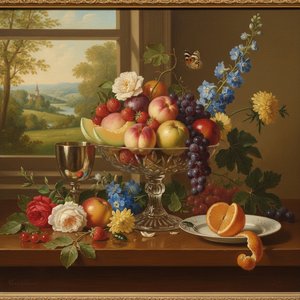
James Peale's Still Life with Fruit, painted circa 1821, is more than just a depiction of perishable bounty; it’s a meticulously crafted window into the burgeoning aesthetic sensibilities of early America. This remarkable work, now housed within the collections of museums and art institutions worldwide, reveals a masterful blend of Neoclassical restraint and Baroque exuberance – a testament to Peale's artistic versatility and his deep understanding of both European traditions and the evolving American visual landscape.
The painting immediately captivates with its rich palette. Deep crimson peaches glow alongside the vibrant yellows of ripe pears, while the verdant greens of grapes and leafy foliage provide a grounding counterpoint. Peale’s technique is characterized by an almost obsessive attention to detail; each fruit is rendered with astonishing realism – the subtle variations in skin texture, the delicate veins tracing across leaves, even the slight imperfections that speak to their natural origins. This commitment to accuracy wasn't merely technical; it reflected a broader fascination with the natural world prevalent during this period, fueled by advancements in scientific observation and botanical illustration.
The Miniature Master’s Grand Vision
While often associated with his exquisite miniature portraits – a genre where Peale truly excelled – Still Life with Fruit demonstrates his ambition to tackle larger-scale works. This shift reflects a growing interest in still life painting within the American art world, influenced by European trends and a desire to elevate the status of decorative arts. Peale’s background as a cabinetmaker undoubtedly informed his approach; he clearly valued craftsmanship and sought to imbue his paintings with a sense of tactile richness. The arrangement of the fruit itself is carefully considered – a deliberate composition designed to draw the eye across the canvas, creating a dynamic visual rhythm.
Interestingly, Peale’s career was punctuated by military service during the American Revolution, an experience that instilled in him a disciplined approach to observation and execution. This dedication translates into the painting's remarkable clarity and precision. The lighting is particularly noteworthy – a dramatic chiaroscuro effect that casts deep shadows and highlights the luminous surfaces of the fruit, adding depth and drama to the scene.
Symbolism and the American Spirit
Beyond its technical merits, Still Life with Fruit carries symbolic weight. Fruit, in this context, represents abundance, prosperity, and the rewards of labor – themes deeply resonant within the developing American identity. The variety of fruits—peaches, pears, grapes—suggests a connection to the land and a celebration of its bounty. It’s a visual affirmation of the nation's potential for growth and success.
Furthermore, the painting can be viewed as an embodiment of Neoclassical ideals – order, balance, and harmony. The carefully arranged composition, the restrained color palette, and the meticulous rendering of detail all contribute to this sense of formal elegance. However, Peale subtly infuses this formality with a touch of Baroque exuberance—the dramatic lighting, the rich colors, and the sheer abundance of fruit create an atmosphere of opulent delight.
A Timeless Appeal
Still Life with Fruit remains a captivating work of art, offering a glimpse into the artistic and cultural landscape of early America. Its meticulous detail, evocative symbolism, and masterful technique continue to resonate with viewers today. Whether admired for its historical significance or simply appreciated for its aesthetic beauty, this painting stands as a testament to James Peale’s artistry and his enduring legacy.
Otázky a odpovědi
Jakým způsobem se styl díla "Still Life with Fruit" vztahuje k době svého tvůrce?
V díle „Still Life with Fruit“ od James Peale se setkává směr Academic Realism s érou – Raná modernita.
Pod jakými dalšími jmény je James Peale známý/á?
James Peale se vystupuje även pod alternativními jmény Charles Willson Peale, Raphaelle Peale, Rembrandt Peale.
Jakou barevnou harmonii představuje dílo „Still Life with Fruit“ od James Peale?
Barevná harmonie díla "Still Life with Fruit" je hodnocena jako Strong Color Unity.
Biografie umělce
Život vytesaný do miniatury a ticha
James Peale, narozen v roce 1749 v rostoucím koloniálním prostředí Chestertownu v Marylandu, zaujímá fascinující, byť často skromné místo v panteonu raného amerického umění. Přestože byl ve stínu slávy svého staršího bratra Charlese Willsona Peala – klíčové postavy při budování autenticky americké umělecké identity – James si vybudoval vynikající kariéru poznačenou jemnými miniaturami, zářivými stálemi a tichým osvědčením zachytit podstatu své éry. Jeho životní příběh je pevně spleten s rodinným dědictvím, vojenskou službou a neustálou snahou o umělecké zdokonalení. Raná ztráta otce pohnala rodinu do Annapolisu, kde se mladý James nejprve učil praktickým řemeslům – sedlářství a truhlářství – což byly zkušenosti, které v něm možná vštíply cit pro precizní detail a řemeslnou zručnost, vlastnosti, které by později definovaly jeho umělecký přístup. Právě po návratu Charlese z Londýna, kde studoval u Benjamina Westa, James našel své skutečné povolání, stal se bratovým asistentem a vykročil na cestu formálního uměleckého vzdělávání.Od bojiště k tahům štětcem
Rostoucí revoluční vášnivost dramaticky změnila směr Pealeova života. V roce 1776 vyměnil štětec za muskét a přijal službu jako praporník v regimentu Williama Smallwooda v rámci Kontinentální armády. Nebyl to pouze vlastenecký gestem; byla to éra intenzivních zážitků, které by subtilně ovlivnily jeho pozdější dílo. Rychle postoupil ve svých hodnostech až k kapitánovi a účastnil se klíčových bitev – Long Island, White Plains, Trenton, Brandywine, Germantown, Princeton a Monmouth – přičemž na vlastní oči byl svědkem strádání i hrdinství americké revoluce. Tato vojenská služba mu vštípla nejen odvahu, ale také bystrou schopnost pozorování a schopnost zaznamenat detail pod tlakem, což byly vlastnosti, které se mu později velmi hodily při tvorbě portrétů a stálev. Po rezignaci na svou hodnost v roce 1779 se vrátil do Filadelfie a znovu se připojil k Charlesově ateliéru, nyní však s rozšířenou perspektivou utvářenou realitou války a budování národa. V roce 1788 následovala významná spolupráce s bratrem při navrhování vozů pro grandiózní průvod oslavující právě ratifikovanou Ústavu Spojených států – což je důkaz jejich společného závazku k ideálům nové republiky.Rodina umělců a trvalý vliv
Umělecké dědictvo rodiny Pealeových sahá daleko za samotného Jamese. V roce 1782 se oženil s Mary Claypoole, založil vlastní domácnost a vytvořil prostředí, které podporovalo kreativitu. Úžasné je, že tři z jejich šesti dětí – Anna Claypoole Pealeová, Margaretta Angelica Pealeová a Sarah Miriam Pealeová – se rovněž staly úspěšnými malířkami, přičemž každá se specializovala na jiné žánry, ale všechny zdědily po otci oddanost umělecké vynikavosti. I Maria Pealeová se věnovala malbě, byť s méně širokým uznáním než její sestry. Tato rodinná konstelace umělců podtrhuje význam mentorství a předávání dovedností v rámci raných amerických uměleckých kruhů. Práce Jamese Pealea, ačkoliv je často zastíněna bratrem Charlesem a jeho talentovanými dcerami, zůstává významným příspěvkem k rozvoji americké umělecké identity. Zachytil klíčový okamžik v historii – zrod národa – prostřednictvím portrétů, které dokumentovaly jeho občany, a stálev, které oslavovaly bohatství jeho země. Jeho odkaz spočívá nejen v kráse a technické zručnosti jeho obrazů, ale také v trvalém vlivu, který měl na generace umělců uvnitř své rodiny i mimo ni. V roce 1831 zemřel ve Filadelfii a zanechal po sobě dílo, které v očích dnešních diváků stále rezonuje.
James Peale
1749 - 1831 , Spojené státy americké
Rychlé informace o umělci
- Artistic Movement Or Style: Neoklasicismus
- Artists Or Movements Influenced By This Artist: ['Charles Willson Peale']
- Artists Who Influenced This Artist: ['Benjamin West']
- Date Of Birth: 1749
- Full Name: James Peale
- Nationality: Američan
- Notable Artworks:
- Portrét Davida Foremana
- Výstava ovoce
- Place Of Birth: Chestertown, Maryland
Související články

Sir Alfred James Munnings: Top 25 Děl Mistra Koní – Umění a Dekorace pro Vaši Sbírku
Prozkoumejte 25 ikonických obrazů Alfreda Jamese Munnings, mistra koní a anglického impresionismu. Obdivujte realistické krajinomalby, jezdecké scény a válečné obrazy. Reprodukce a luxusní dekorace na OriginalUniqueArt.com! Prohlédněte si celou sbírku online.

James Abbott McNeill Whistler: Top 25 mistrovských děl pro váš interiér | OriginalUniqueArt.com
Prozkoumejte 25 ikonických děl Jamese Abbotta McNeilla Whistlera! Obrazy Nocturnes, portréty a estetismus. Inspirace pro interiér s uměleckými reprodukcemi nejvyšší kvality na OriginalUniqueArt.com. Objevte celou kolekci online.
Severin Roesen: Evoking National Identity Through American Still Life Painting
Explore the captivating world of Severin Roesen, a major American still life painter influenced by Dutch masters. Discover his lush compositions and the symbolism within his art – a window into 19th-century America.

Charles Willson Peale: Portraiture, Enlightenment Ideals & Shaping American Identity
Explore the life & art of Charles Willson Peale – Revolutionary portraitist, scientist, and founder of America’s first museum. Discover his iconic paintings of Washington & the Enlightenment ideals that shaped a nation.
Titian Ramsay Peale II: A Legacy of Botanical Precision & Artistic Innovation
Explore the life & art of Titian Ramsay Peale II, a master of botanical precision and wildlife painting. Discover his legacy bridging art & natural history at OriginalUniqueArt.
