

 Náhled
 Sdílet
 Sdílet
 Podrobnosti o díle

 Stáhnout
 Podobné položky
 Rentgenové snímky
 Slideshow
The Young Keeper
 1874
1874 85.0 x 63.0 cm
 Zobrazit více
Ručně malovaná olejová reprodukce
Ručně malovaná olejná barva na plátně ve vašem zvoleném rozměru i s rámem, vyrobená našimi umělci na zakázku. ( Koupit tisk Koupit obrázek)




































Vyberte si z našich přednastavených velikostí, které odpovídají původním proporcím díla.

Můžete zadat vlastní rozměry pro konkrétní rám nebo prostor. Pokud se vámi vybraná velikost neshoduje s proporcemi původního obrazu, dílo buď ořízneme, nebo jej doplníme ručně malovanými prvky. Před zahájením výroby vám bude zaslán digitální náhled ke schválení.
Upozorňujeme, že náhled na obrazovce neodpovídá skutečnému ořezu ani rozšíření. Pouze digitální náhled přesně zobrazí finální kompozici.
Ačkoliv je možné zvolit vlastní velikost, pro zachování původních proporcí doporučujeme vybrat rozměr z předdefinovaného seznamu.
Po přijetí objednávky vám tým OriginalUniqueArt.com zašle e-mail s pokyny a poskytne náhledovou verzi.
Celosvětová doprava () za 3–4 týdny namísto standardních 5 týdnů. (25 srpen). Bez kompromisů v kvalitě.

Zdarma celosvětová expresní doprava

Vysoce kvalitní lněné plátno

Kompletní přepravní pojištění

Záruka vrácení celního poplatku

Záruka přesného barevného shodu

60denní lhůta pro vrácení zboží (pouze při vadách výroby)

100% garance vrácení peněz

Sleva při hromadné objednávce
 Skleněná varianta je dostupná pouze u rozměrů menších než 110 cm

The Young Keeper
Technika reprodukce
Rozměry reprodukce
-


Celková cena za výběr
$ 300
Biografie umělce
James Hardy II (1832–1889): A Pioneer of Victorian Hunting Painting
James Hardy II, born in Cranleigh, Surrey, England, in 1877, emerged as a singular figure within the British art landscape—specifically recognized for his masterful depictions of hunting scenes and rural life during the Victorian era. Raised in a family deeply rooted in mathematics and education, Hardy’s formative years instilled an unwavering fascination with numbers and intellectual exploration, shaping him into the artist he would become. His early aptitude for mathematical reasoning was evident from childhood, where he engaged in spirited debates about philosophical concepts—most notably Santa Claus—demonstrating a characteristic blend of curiosity and independent thought. Hardy's artistic journey began at Winchester College, followed by studies at Trinity College Cambridge, where he honed his skills under the guidance of influential mathematicians like Robert Rumsey Webb and Augustus Love. It was Love’s recommendation to delve into Camille Jordan’s Cours d’analyse that proved pivotal, introducing Hardy to a more rigorous mathematical tradition originating in continental Europe—a foundation that would profoundly impact his artistic sensibilities. He joined the Cambridge Apostles, an elite intellectual society, fostering connections with fellow thinkers who shared his passion for knowledge and debate. A transformative encounter occurred when Hardy invited Srinivasa Ramanujan, a brilliant Indian mathematician he had barely known, to Cambridge. Recognizing Ramanujan’s extraordinary talent—a skill far surpassing conventional understanding—Hardy established a lifelong collaboration that cemented his legacy as a champion of unconventional brilliance. Their correspondence revealed Hardy's profound admiration for Ramanujan, describing him as “the one romantic incident in my life,” highlighting the significance of this relationship within Hardy’s personal narrative. This partnership wasn’t merely professional; it represented a shared belief in the power of intellect and a willingness to challenge established norms—a spirit that permeated Hardy’s artistic endeavors. Hardy’s artistic style evolved throughout his career, reflecting influences from both British and continental traditions. He achieved considerable acclaim for his meticulous ship portraits and chronicles of the America's Cup races—works that captured the grandeur and excitement of maritime exploration during Victorian times. His paintings are characterized by a distinctive blend of realism and expressive brushwork, conveying not only accurate depictions of landscapes and animals but also capturing the emotional essence of the subjects portrayed. Hardy’s contribution to mathematics extended beyond his collaboration with Ramanujan; he championed the abolition of the Tripos system at Cambridge, advocating for a more holistic approach to academic education—a stance that underscored his commitment to intellectual progress. He believed passionately in fostering creativity alongside rigorous scholarship – an ethos that would inform his artistic vision. His final years were spent at Oxford University, where he held the Savilian Chair of Geometry and served as Fellow of New College. Hardy’s legacy continues to inspire mathematicians and artists alike, securing his place as one of Britain's most distinguished figures in both disciplines—a testament to his unwavering dedication to intellectual pursuits and artistic excellence. He passed away peacefully in 1947, leaving behind a profound impact on the history of art and mathematics.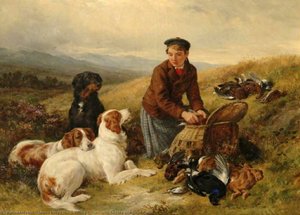
James Hardy Ii
Anglie
Rychlé fakta
- Artistic Movement Or Style: Mathematical Analysis
- Artists Or Movements Influenced By This Artist: ['Ramanujan']
- Artists Who Influenced This Artist: ['Robert Alfred Herman']
- Date Of Birth: 7 February 1877
- Full Name: Godfrey Harold Hardy
- Nationality: English
- Notable Artworks: ["Cours d'analyse"]
- Place Of Birth: Cranleigh, Surrey, England

