Zobrazit v interiéru
 Odeslat
 Sdílet
 Podrobnosti
 Průvodce

 Stáhnout obrázek
 Podobné kousky
 Rentgenové snímky
 Slideshow
 Statistiky
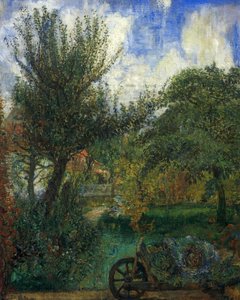
Le marche a Ostende


 Přečíst si více
Giclée / Umělecký tisk
Giclée nebo plátěný tisk muzeální kvality s rychlou výrobou a širokou nabídkou povrchových úprav. ( Objednat ručně malovanou reprodukci Přepnout na digitální verzi obrazu)




P118B Kč10

P118H Kč10

P118W Kč10

P438Z Kč10

P508JH Kč12

P508YH Kč12

P805H Kč10

P805Z Kč10

P919BZ Kč10

P919G Kč10

P919XJ Kč10

P959ZH Kč10

P968JZ Kč12

W106C Kč8

W218G Kč10

W218JH Kč8

W218Y Kč10

W307PJ Kč10

W316G Kč10

W316PJ Kč8

W316Y Kč10

W398PJ Kč8

W4111J Kč10

W500HY Kč15

W500JH Kč15

W692G Kč12

W849H Kč8

W940BG Kč15

W953PJ Kč8




Vyberte si z našich přednastavených velikostí, které odpovídají původním proporcím díla.

Můžete zadat vlastní rozměry tak, aby výtvor odpovídal konkrétnímu rámu nebo prostoru. Pokud zvolená velikost nebude odpovídat poměru stran původního obrazu, dílo buď ořížeme, nebo obraz rozšíříme pomocí zrcadlového efektu či jednobarevného okraje. Před zahájením výroby vám bude zaslán digitální náhled k schválení.
Mějte prosím na paměti, že náhled na obrazovce neodráží skutečné oříznutí nebo rozšíření. Pouze digitální náhled přesně zobrazí finální kompozici.
Ačkoliv jsou k dispozici i vlastní rozměry, pro zachování původních proporcí doporučujeme vybrat si rozměr z předdefinovaného seznamu.
Celosvětové doručení () do 2 týdnů namísto standardních 4/5 týdnů. (8 říjen)

Zdarma celosvětová expresní doprava

Vysoce kvalitní lněné plátno

Úplné pojištění přepravy

Záruka vrácení celního poplatku

Záruka věrného barevného shodu

100dení lhůta pro vrácení zboží (pouze při vadách výroby)

100% garance vrácení peněz

Sleva při více objednávkách
 Skleněná varianta je dostupná pouze u rozměrů menších než 110 cm

Le marche a Ostende
Giclée / Umělecký tisk
Velikost reprodukce
-


Celková cena
Kč 1667
A World Masked: James Ensor’s “Le Marche a Ostende”
James Ensor's "Le Marche a Ostende" – "The Market at Ostend" – isn’t merely a depiction of a Belgian seaside town; it’s a meticulously constructed psychological landscape, a vibrant tableau brimming with unsettling detail and profound social commentary. Painted in 1883, this oil on canvas offers a glimpse into the heart of Ostend, Ensor's birthplace and lifelong home, but filtered through an intensely personal and often darkly humorous lens. The scene unfolds along a bustling street, populated by figures caught in moments of quiet contemplation, hurried movement, and veiled observation – all rendered with a distinctive palette and a masterful command of form that firmly establishes Ensor as a pioneer of Expressionism. The painting’s power lies not just in its visual richness but in the palpable sense of unease it evokes, hinting at hidden anxieties and the complexities of human interaction beneath the surface of everyday life.The Artist's Context: Ostend and the Carnival Spirit
Ensor’s artistic development was inextricably linked to his upbringing in Ostend, a town renowned for its annual carnival – a riot of masks, costumes, and theatrical spectacle. His parents operated a souvenir shop overflowing with these very objects, providing him with an unparalleled visual vocabulary and a lifelong fascination with disguise and the performative aspects of identity. This constant exposure to the paraphernalia of carnival profoundly shaped his artistic vision, informing his choice of subject matter – particularly masks – and influencing his distinctive style. The painting itself can be seen as a distillation of this carnival atmosphere, capturing not just the physical setting but also its underlying spirit of illusion and hidden meanings. The figures in "Le Marche a Ostende" are themselves wearing metaphorical masks, concealing their true emotions and intentions behind carefully constructed facades.A Symphony of Color and Form: Ensor’s Technique
Ensor's technique is immediately recognizable – bold, expressive brushstrokes layered upon one another to create a textured surface that seems to vibrate with energy. He employs a deliberately flattened perspective, pushing figures forward into the foreground while simultaneously creating a sense of depth through carefully considered color relationships and subtle variations in tone. The palette is rich and saturated, dominated by deep blues, greens, and reds, punctuated by flashes of brighter hues – yellows, oranges, and pinks – that draw the eye to key elements within the composition. Notice how he uses impasto—thickly applied paint—to emphasize certain areas, particularly the faces of the figures, lending them a heightened sense of presence and emotional intensity. The use of contrasting colors and textures creates a dynamic visual experience, mirroring the chaotic energy of the bustling market scene.Symbolism and Social Commentary: Unmasking Ostend
Beyond its immediate visual appeal, "Le Marche a Ostende" is laden with symbolic meaning. The two principal figures – one gazing down at an unseen object, the other walking away – represent a fundamental disconnect between individuals, a sense of isolation within a crowd. The bench occupied by the seated couple suggests a fleeting moment of connection amidst the anonymity of the market. The presence of skeletons subtly hints at mortality and the ephemeral nature of human existence. More broadly, the painting can be interpreted as a critique of Ostend’s burgeoning bourgeois society – a society obsessed with appearances and preoccupied with superficial displays of wealth and status. Ensor's use of masks, both literal and figurative, serves to expose the hidden anxieties and contradictions that lie beneath the veneer of respectability. The painting is not simply a record of a street scene; it’s an invitation to delve deeper into the complexities of human nature and the social dynamics of a rapidly changing world.Bringing “Le Marche a Ostende” Home: A OriginalUniqueArt Reproduction
OriginalUniqueArt offers meticulously crafted, hand-painted reproductions of James Ensor's "Le Marche a Ostende," allowing you to experience this iconic artwork in stunning detail and vibrant color. Our skilled artists replicate Ensor’s distinctive brushwork and nuanced palette with the utmost precision, ensuring that your reproduction captures the painting’s original emotional impact. We offer various framing options to complement your personal style and décor, from classic wooden frames to contemporary metal designs. Invest in a OriginalUniqueArt reproduction of "Le Marche a Ostende" – not just an image, but a tangible connection to one of the most important figures in modern art. Explore our selection today and bring Ensor’s unsettling yet captivating vision into your home.Otázky a odpovědi
Jakou luminanci má dílo „Le marche a Ostende“ od James Ensor?
Barvy díla „Le marche a Ostende“ vykazují jas o hodnotě Dark.
Jaká technika byla použita pro dílo „Le marche a Ostende“ od James Ensor?
James Ensor použil/a techniku Acrylic On Canvas pro dílo „Le marche a Ostende“. Tato technika definuje materiální podstatu originálního díla.
Kde najdu průvodce k dílu "Le marche a Ostende"?
Průvodce k dílu "Le marche a Ostende" je stránka Průvodce pro dané umělecké dílo – tiskatelný informační list, který zobrazuje dílo spolu s jeho popiskem, údaji o autorství a identifikační tabulkou (umělec, data, technika, původní rozměry, sbírka).
Kde koupit ručně malované kopie díla „Le marche a Ostende“ od James Ensor?
Ručně malované kopie díla „Le marche a Ostende“ od James Ensor jsou k zakoupení na tento web: ručně malovaná olejová reprodukce na lněném plátně, objednává se přes tato stránka.
Kdo vytvořil "Le marche a Ostende"?
Dílo "Le marche a Ostende" se připisuje autorovi James Ensor.
Jakou techniku a styl charakterizuje „Le marche a Ostende“ od James Ensor?
„Le marche a Ostende“ je vytvořeno v technice Acrylic On Canvas v rámci směru Expressionism.
Jak mohu získat print díla „Le marche a Ostende“ od James Ensor?
Potisk díla „Le marche a Ostende“ od James Ensor si můžete objednat přímo na tato stránka: umělecká tiskovina na bavlněném plátně nebo archivním plátnovém papíře.
Biografie umělce
A Life Immersed in Masks and Shadows: The World of James Ensor
James Sidney Edouard Ensor, baron Ensor, se narodil v Ostendu v Belgii roku 1860. Jeho otec byl Angličan a matka Belgičanka – tato dvojí identita možná předznamenala jeho celoživotní fascinaci maskami a převleky, tématy, která se stala dominantními v jeho znepokojivé, ale zároveň působivě poutavé tvorbě. Byl vychován v rušném přímořském letovisku, kde ho silně ovlivnila atmosféra karnevalů a neobvyklých zajímavostí. Jeho rodiče provozovali suvenýrní obchod plný mušlí, karnevalových masek a podivných předmětů – vlastně pokladnici divů, která zapálila jeho fantazii a poskytla bohatou vizuální slovní zásobu pro jeho budoucí umělecké dílo. Ačkoli byl na začátku váhavý, zda přijmout tradiční akademické studium, nakonec se Ensor zapsal do Královské akademie krásných umění v Bruselu, ale rigidní struktura mu zneklidňovala jeho rozvíjející se umělecké vizi. Brzy si uvědomil, že potřebuje vybojovat si vlastní cestu, cestu, která ho povede daleko za konvence.From Somber Realism to Grotesque Visions
Ensorova raná díla odrážela tradičnější přístup, zobrazující každodenní životy v ponurých tónech. Díla jako *Ruská hudba* (1881) a *Pijáci* (1883) ukazují talentující se umělce, který se potýká s realitou, ale i v těchto raných dílech jsou patrné náznaky znepokojivého obrazu, který má přijít. Klíčový posun nastal, když se Ensorova paleta rozjasnila a jeho témata stala bizarnějšími. Začal obývat své plátna karnevaly, kostlivce, loutky a alegorické postavy – svět ponořený do fantazie a často se dotýkající grotesknosti. Nebyla to jen stylistická změna; byla to záměrné prozkoumávání temnějších aspektů lidské existence, odmítnutí společenských norem a přijetí iracionálního. Jeho styl okamžitě upoutal pozornost díky výrazným štětobarikám, živým barvám a divadelnímu dojmu – vizuálnímu jazyku, který byl jedinečný.Key Works and Recurring Themes
Během své kariéry Ensor vytvořil sérii děl, která dodnes zaujímá a fascinuje publikum. *Zkreslené masky* (1883) představují raný důkaz jeho fascinace převleky a její schopností odhalit skryté emoce. Možná jeho nejkontroverznější dílo, *Vstup Krista do Bruselu* (1888-1889), zůstává mocnou satirou náboženské hypocrisy a společenské indiference – obraz, který byl na počátku odmítnut kritikem umění Octavem Maus, ale dnes je oslavován jako mistrovské dílo. Zmatečný obraz Krista vstupujícího do města plného groteskních maskovaných postav je silným komentářem k duchovní ideálům a lidskému chování. *Kostlivci bojující o upíšeho muže* (1891) nabízí zřetelné úvahy o smrti, rozkladu a absurdnosti života, zatímco *Tribulace svatého Antonía* (1887) prozkoumává složité alegorické témata pokušení, hříchu a duchovní boje. Opakovaně se objevují v jeho díle témata smrti, společenské kritiky, náboženské satiry a nekonečná síla fantazie – témata, která rezonují s univerzální relevancí.A Pioneer of Modernism: Influences and Legacy
Přestože Ensor odolával snadné kategorizaci, jeho umělecká linie je složitá a fascinující. Přiznával vlivy od mistrů jako Pieter Bruegel the Elder, jehož přeplněné scény a morální příběhy rezonovaly s jeho vlastní vizí, stejně jako Francisco Goya, jehož temný humor a bezohledné zobrazení lidské existence zanechaly trvalý dojem. Vliv Jamese Abbota McNeilla Whistlera na důraz na estetiku také hrál roli při formování Ensorových uměleckých smyslů. Nicméně Ensor nebyl jen imitátor; syntetizoval tyto vlivy do něčeho zcela nového a originálního. Je nyní široce uznáván jako klíčová postava přechodu ze symbolismu 19. století na expresionismus a surrealismus – pravý průkopník moderního umění. Jeho odvážné prozkoumávání podvědomí, přijetí groteskních obrazů a odmítání akademických konvencí otevířily cestu budoucím generacím umělců, kteří se odvážili zpochybnit umělecké normy. I přes počáteční odpor nakonec získal Ensor uznání ve svých pozdějších letech, byl jmenován barounem králem Albertem I. v roce 1929 a oceněn Légie čestí v roce 1933. Zemřel v Ostendu po krátké nemoci v roce 1949, zanechávaje za sebou dílo, které dodnes okouzluje, znepokojuje a inspiruje. *Jeho dědictví přetrvává jako důkaz síly umění konfrontovat nepříjemné pravdy a prozkoumávat hloubky lidské existence.*
James Ensor
1860 - 1949 , Belgie
Rychlé informace
- Artistic Movement Or Style: Expressionismus, Surrealismus
- Artists Or Movements Influenced By This Artist:
- Bruegel starší
- Goya
- Whistler
- Artists Who Influenced This Artist:
- Bruegel starší
- Goya
- Whistler
- Date Of Birth: 13. dubna 1860
- Date Of Death: 19. listopadu 1949
- Full Name: James Sidney Edouard Ensor
- Nationality: Belgian
- Notable Artworks:
- Masky Zkandalizované
- Kostky...
- Vstup Krista do Bruselu
- Place Of Birth: Ostend, Belgie
Související články
From Walls to Galleries: The Bold Evolution of Street Art and Its Rise into High-End Collectibles
Explore the captivating journey of street art from urban walls to prestigious galleries. Discover how contemporary graffiti has evolved into a high-end collectible movement, redefining modern interior design and global art culture.

Sir Alfred James Munnings: Top 25 Děl Mistra Koní – Umění a Dekorace pro Vaši Sbírku
Prozkoumejte 25 ikonických obrazů Alfreda Jamese Munnings, mistra koní a anglického impresionismu. Obdivujte realistické krajinomalby, jezdecké scény a válečné obrazy. Reprodukce a luxusní dekorace na OriginalUniqueArt.com! Prohlédněte si celou sbírku online.
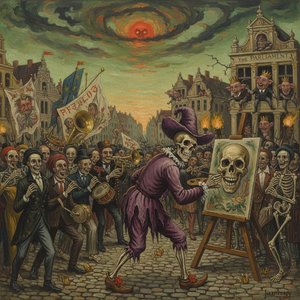
James Ensor's Grotesque Visions: Social Commentary & Artistic Innovation
Explore the unsettling yet captivating world of James Ensor, a pioneer of Expressionism. Discover his satirical masterpieces, symbolic imagery & lasting influence on modern art. High-quality reproductions available at OriginalUniqueArt.
Unveiling the Mystery: A Journey Through the World's Most Iconic Mask Artworks
Embark on a profound journey through the world's most iconic mask artworks. Explore the spiritual depth, intricate craftsmanship, and rich cultural heritage of global traditions, from Chhau to Gomira, in this expert-led exploration of ancestral artistry and symbolic beauty.

James Abbott McNeill Whistler: Top 25 mistrovských děl pro váš interiér | OriginalUniqueArt.com
Prozkoumejte 25 ikonických děl Jamese Abbotta McNeilla Whistlera! Obrazy Nocturnes, portréty a estetismus. Inspirace pro interiér s uměleckými reprodukcemi nejvyšší kvality na OriginalUniqueArt.com. Objevte celou kolekci online.