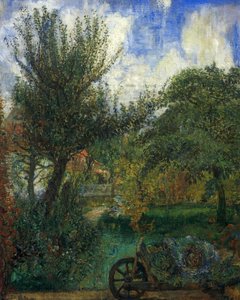
Náhled v interiéru
 Sdílet
 Sdílet
 Podrobnosti o díle
 Průvodce

 Stáhnout
 Podobné položky
 Rentgenové snímky
 Slideshow
 Otázky a odpovědi
 Statistiky
L' Autodafe ou Philippe II aux Enfers


 Zobrazit více
Giclée / Umělecký tisk
Giclée nebo plátěný tisk muzeální kvality s rychlou výrobou a širokou nabídkou povrchových úprav. ( Koupit ručně malovaný obraz Přepnout na digitální obraz)




P118B Kč10

P118H Kč10

P118W Kč10

P438Z Kč10

P508JH Kč12

P508YH Kč12

P805H Kč10

P805Z Kč10

P919BZ Kč10

P919G Kč10

P919XJ Kč10

P959ZH Kč10

P968JZ Kč12

W106C Kč8

W218G Kč10

W218JH Kč8

W218Y Kč10

W307PJ Kč10

W316G Kč10

W316PJ Kč8

W316Y Kč10

W398PJ Kč8

W4111J Kč10

W500HY Kč15

W500JH Kč15

W692G Kč12

W849H Kč8

W940BG Kč15

W953PJ Kč8




Vyberte si z našich přednastavených velikostí, které odpovídají původním proporcím díla.

Zadejte šířku a výšku, které potřebujete pro váš rám nebo stěnu. Tisk lze pouze oříznout, nikdy však nelze zvětšit obraz nad jeho původní rozměr, proto při výběru jiného formátu dochází ke ztrátě části obrazu. Před samotným tiskem vám zašleme digitální náhled k schválení. Obraz zobrazený na této stránce nenabízí skutečný výřez — ten uvidíte pouze v náhledu.
Celosvětové doručení () do 2 týdnů namísto standardních 4/5 týdnů. (4 listopad)

Zdarma celosvětová expresní doprava

Vysoce kvalitní lněné plátno

Kompletní pojištění přepravy

Záruka vrácení celního poplatku

Záruka věrného barevného souladu

100dení lhůta pro vrácení zboží (pouze při vadách výroby)

100% záruka vrácení peněz

Sleva při více objednávkách
 Skleněná varianta je dostupná pouze u rozměrů menších než 110 cm

L' Autodafe ou Philippe II aux Enfers
Giclée / Umělecký tisk
Rozměry reprodukce
-


Celková cena za vybrané možnosti reprodukcí
Kč 1766
A Descent into Darkness: Unpacking James Ensor’s ‘L’Autodafé’
James Ensor’s “L’Autodafé ou Philippe II aux Enfers” (The Auto-da-fé or Philip II in Hell), painted in 1891, is not merely a depiction of a historical event; it's a profoundly unsettling psychological landscape. This large oil on canvas plunges the viewer into a realm of feverish anxiety and moral judgment, reflecting Ensor’s deeply ingrained fascination with masks, death, and the grotesque – themes that would become hallmarks of his distinctive artistic vision. The painting immediately assaults the senses with its vibrant, almost hallucinatory palette: fiery reds and oranges dominate the infernal backdrop, contrasting sharply with the somber greys and blacks of the condemned heretics. It’s a scene steeped in the anxieties of 19th-century Europe grappling with religious fervor, political instability, and burgeoning social unrest – anxieties that Ensor masterfully translates into a visual experience far beyond simple historical representation.
At the center of this chaotic tableau stands Philip II of Spain, recognizable by his crown but rendered as an almost spectral figure, seemingly detached from the proceedings. His gaze is directed towards something unseen, lost in the swirling vortex of hellish imagery. The positioning of the King – a symbol of authority and divine right – within this scene of torment speaks volumes about Ensor’s critique of power and its potential for corruption. The surrounding figures, clad in drab linen tunics adorned with demonic symbols and cardboard pointed hats (a deliberate reference to the heretics of the Spanish Inquisition), are not simply victims; they embody a collective despair, their faces contorted in expressions of anguish and resignation. The two horses, positioned strategically on either side, further amplify the sense of disorientation and impending doom – a visual echo of the biblical imagery often associated with judgment and punishment.
The Language of Masks and Symbolism
Ensor’s masterful use of masks is central to understanding the painting's complex symbolism. These aren’t merely decorative elements; they represent the concealment of identity, the performance of roles, and the inherent duality within human nature. The heretics’ pointed hats, reminiscent of carnival masks, suggest a deliberate attempt to disguise their true selves – perhaps reflecting the hypocrisy and moral failings that Ensor perceived in society at large. The overall atmosphere is heavily influenced by Symbolism, with every element carefully chosen to evoke emotional resonance rather than literal representation. The skeletal figures, the flames, the swirling smoke—all contribute to a sense of unease and impending annihilation.
Furthermore, the painting draws upon elements of Expressionism, anticipating movements that would emerge decades later. Ensor deliberately distorts perspective and employs jarring color combinations to heighten the emotional impact. The scene is not presented as a calm, reasoned judgment; instead, it’s a visceral experience designed to provoke discomfort and challenge the viewer's assumptions about morality and justice. The inclusion of the two horses, often associated with chaos and destruction, reinforces this sense of instability and impending doom.
Technique and Historical Context
Ensor executed “L’Autodafé” in oil on canvas, utilizing a technique characterized by bold brushstrokes and a vibrant, almost frenetic application of paint. He employed a layering effect, building up the image with multiple layers of color to create depth and texture. The etching version, created in 1893 (as documented in the MSK Gent archive), reveals Ensor’s meticulous attention to detail and his ability to translate complex ideas into a graphic medium. The etching, particularly, highlights the artist's deliberate use of stark contrasts and unsettling imagery – a testament to his commitment to pushing artistic boundaries.
Painted during a period of intense political and religious upheaval in Europe, “L’Autodafé” reflects Ensor’s skepticism towards authority and his critique of societal hypocrisy. The Spanish Inquisition, with its brutal methods of persecution and suppression of dissent, served as a potent symbol of injustice and oppression. Ensor's painting can be interpreted as an allegory for the dangers of unchecked power and the consequences of moral compromise. It remains a powerful and unsettling work, offering a glimpse into the mind of one of Belgium’s most innovative and challenging artists.
Otázky a odpovědi
Jaké využití a prostor se doporučuje pro „L' Autodafe ou Philippe II aux Enfers“ od James Ensor?
Dílo „L' Autodafe ou Philippe II aux Enfers“ je doporučeno pro Statement a ideálním prostorem pro jeho umístění je Living Room.
V jaké velikosti se doporučuje vytisknout "L' Autodafe ou Philippe II aux Enfers"?
Doporučená velikost tisku pro dílo „L' Autodafe ou Philippe II aux Enfers“ od James Ensor je Large.
V jakém formátu je dílo „L' Autodafe ou Philippe II aux Enfers"?
Formát díla „L' Autodafe ou Philippe II aux Enfers“ je Landscape. Tato informace vám pomůže při plánování umístění reprodukce.
Biografie umělce
A Life Immersed in Masks and Shadows: The World of James Ensor
James Sidney Edouard Ensor, baron Ensor, se narodil v Ostendu v Belgii roku 1860. Jeho otec byl Angličan a matka Belgičanka – tato dvojí identita možná předznamenala jeho celoživotní fascinaci maskami a převleky, tématy, která se stala dominantními v jeho znepokojivé, ale zároveň působivě poutavé tvorbě. Byl vychován v rušném přímořském letovisku, kde ho silně ovlivnila atmosféra karnevalů a neobvyklých zajímavostí. Jeho rodiče provozovali suvenýrní obchod plný mušlí, karnevalových masek a podivných předmětů – vlastně pokladnici divů, která zapálila jeho fantazii a poskytla bohatou vizuální slovní zásobu pro jeho budoucí umělecké dílo. Ačkoli byl na začátku váhavý, zda přijmout tradiční akademické studium, nakonec se Ensor zapsal do Královské akademie krásných umění v Bruselu, ale rigidní struktura mu zneklidňovala jeho rozvíjející se umělecké vizi. Brzy si uvědomil, že potřebuje vybojovat si vlastní cestu, cestu, která ho povede daleko za konvence.From Somber Realism to Grotesque Visions
Ensorova raná díla odrážela tradičnější přístup, zobrazující každodenní životy v ponurých tónech. Díla jako *Ruská hudba* (1881) a *Pijáci* (1883) ukazují talentující se umělce, který se potýká s realitou, ale i v těchto raných dílech jsou patrné náznaky znepokojivého obrazu, který má přijít. Klíčový posun nastal, když se Ensorova paleta rozjasnila a jeho témata stala bizarnějšími. Začal obývat své plátna karnevaly, kostlivce, loutky a alegorické postavy – svět ponořený do fantazie a často se dotýkající grotesknosti. Nebyla to jen stylistická změna; byla to záměrné prozkoumávání temnějších aspektů lidské existence, odmítnutí společenských norem a přijetí iracionálního. Jeho styl okamžitě upoutal pozornost díky výrazným štětobarikám, živým barvám a divadelnímu dojmu – vizuálnímu jazyku, který byl jedinečný.Key Works and Recurring Themes
Během své kariéry Ensor vytvořil sérii děl, která dodnes zaujímá a fascinuje publikum. *Zkreslené masky* (1883) představují raný důkaz jeho fascinace převleky a její schopností odhalit skryté emoce. Možná jeho nejkontroverznější dílo, *Vstup Krista do Bruselu* (1888-1889), zůstává mocnou satirou náboženské hypocrisy a společenské indiference – obraz, který byl na počátku odmítnut kritikem umění Octavem Maus, ale dnes je oslavován jako mistrovské dílo. Zmatečný obraz Krista vstupujícího do města plného groteskních maskovaných postav je silným komentářem k duchovní ideálům a lidskému chování. *Kostlivci bojující o upíšeho muže* (1891) nabízí zřetelné úvahy o smrti, rozkladu a absurdnosti života, zatímco *Tribulace svatého Antonía* (1887) prozkoumává složité alegorické témata pokušení, hříchu a duchovní boje. Opakovaně se objevují v jeho díle témata smrti, společenské kritiky, náboženské satiry a nekonečná síla fantazie – témata, která rezonují s univerzální relevancí.A Pioneer of Modernism: Influences and Legacy
Přestože Ensor odolával snadné kategorizaci, jeho umělecká linie je složitá a fascinující. Přiznával vlivy od mistrů jako Pieter Bruegel the Elder, jehož přeplněné scény a morální příběhy rezonovaly s jeho vlastní vizí, stejně jako Francisco Goya, jehož temný humor a bezohledné zobrazení lidské existence zanechaly trvalý dojem. Vliv Jamese Abbota McNeilla Whistlera na důraz na estetiku také hrál roli při formování Ensorových uměleckých smyslů. Nicméně Ensor nebyl jen imitátor; syntetizoval tyto vlivy do něčeho zcela nového a originálního. Je nyní široce uznáván jako klíčová postava přechodu ze symbolismu 19. století na expresionismus a surrealismus – pravý průkopník moderního umění. Jeho odvážné prozkoumávání podvědomí, přijetí groteskních obrazů a odmítání akademických konvencí otevířily cestu budoucím generacím umělců, kteří se odvážili zpochybnit umělecké normy. I přes počáteční odpor nakonec získal Ensor uznání ve svých pozdějších letech, byl jmenován barounem králem Albertem I. v roce 1929 a oceněn Légie čestí v roce 1933. Zemřel v Ostendu po krátké nemoci v roce 1949, zanechávaje za sebou dílo, které dodnes okouzluje, znepokojuje a inspiruje. *Jeho dědictví přetrvává jako důkaz síly umění konfrontovat nepříjemné pravdy a prozkoumávat hloubky lidské existence.*
James Ensor
1860 - 1949 , Belgie
Rychlé informace o umělci
- Artistic Movement Or Style: Expressionismus, Surrealismus
- Artists Or Movements Influenced By This Artist:
- Bruegel starší
- Goya
- Whistler
- Artists Who Influenced This Artist:
- Bruegel starší
- Goya
- Whistler
- Date Of Birth: 13. dubna 1860
- Date Of Death: 19. listopadu 1949
- Full Name: James Sidney Edouard Ensor
- Nationality: Belgian
- Notable Artworks:
- Masky Zkandalizované
- Kostky...
- Vstup Krista do Bruselu
- Place Of Birth: Ostend, Belgie
Související články

Leonardo da Vinci: Top 25 mistrovských děl pro váš domov | OriginalUniqueArt.cz
Prozkoumejte 25 ikonických děl Leonarda da Vinciho – od slavné Mona Lisy po Poslední večeři. Objevte renesanční umění, techniky a inspirativní příběhy za mistrovskými díly. Kvalitní reprodukce obrazů pro váš interiér na OriginalUniqueArt.cz

Sir Alfred James Munnings: Top 25 Děl Mistra Koní – Umění a Dekorace pro Vaši Sbírku
Prozkoumejte 25 ikonických obrazů Alfreda Jamese Munnings, mistra koní a anglického impresionismu. Obdivujte realistické krajinomalby, jezdecké scény a válečné obrazy. Reprodukce a luxusní dekorace na OriginalUniqueArt.com! Prohlédněte si celou sbírku online.
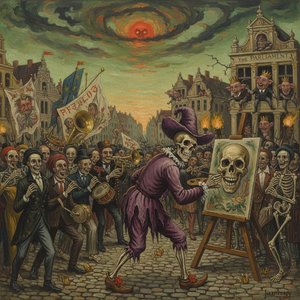
James Ensor's Grotesque Visions: Social Commentary & Artistic Innovation
Explore the unsettling yet captivating world of James Ensor, a pioneer of Expressionism. Discover his satirical masterpieces, symbolic imagery & lasting influence on modern art. High-quality reproductions available at OriginalUniqueArt.

James Abbott McNeill Whistler: Top 25 mistrovských děl pro váš interiér | OriginalUniqueArt.com
Prozkoumejte 25 ikonických děl Jamese Abbotta McNeilla Whistlera! Obrazy Nocturnes, portréty a estetismus. Inspirace pro interiér s uměleckými reprodukcemi nejvyšší kvality na OriginalUniqueArt.com. Objevte celou kolekci online.
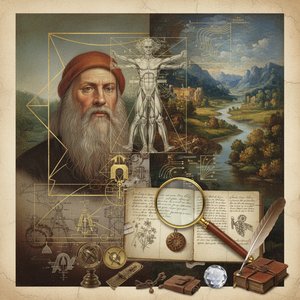
Leonardo da Vinci: A Renaissance Master’s Synthesis of Art, Science & Human Observation – Reinterpreted for the Collector
Explore Leonardo da Vinci’s timeless masterpieces with OriginalUniqueArt. Discover insights into his art, science, and legacy – trusted expertise for discerning collectors seeking authentic reproductions & investment opportunities.