
 Náhled v interiéru
 Sdílet
 Sdílet
 Podrobnosti o díle
 Průvodce

 Stáhnout
 Podobné položky
 Rentgenové snímky
 Slideshow
 Otázky a odpovědi
 Statistiky
Comité Américain pour les Régions Dévastées de la France


 Zobrazit více
Giclée / Umělecký tisk
Giclée nebo plátěný tisk muzeální kvality s rychlou výrobou a širokou nabídkou povrchových úprav. ( Koupit ručně malovaný obraz Přepnout na digitální obraz)




P118B Kč10

P118H Kč10

P118W Kč10

P438Z Kč10

P508JH Kč12

P508YH Kč12

P805H Kč10

P805Z Kč10

P919BZ Kč10

P919G Kč10

P919XJ Kč10

P959ZH Kč10

P968JZ Kč12

W106C Kč8

W218G Kč10

W218JH Kč8

W218Y Kč10

W307PJ Kč10

W316G Kč10

W316PJ Kč8

W316Y Kč10

W398PJ Kč8

W4111J Kč10

W500HY Kč15

W500JH Kč15

W692G Kč12

W849H Kč8

W940BG Kč15

W953PJ Kč8




Vyberte si z našich přednastavených velikostí, které odpovídají původním proporcím díla.

Zadejte šířku a výšku, které potřebujete pro váš rám nebo stěnu. Tisk lze pouze oříznout, nikdy však nelze zvětšit obraz nad jeho původní rozměr, proto při výběru jiného formátu dochází ke ztrátě části obrazu. Před samotným tiskem vám zašleme digitální náhled k schválení. Obraz zobrazený na této stránce nenabízí skutečný výřez — ten uvidíte pouze v náhledu.
Celosvětové doručení () do 2 týdnů namísto standardních 4/5 týdnů. (6 listopad)

Zdarma celosvětová expresní doprava

Vysoce kvalitní lněné plátno

Kompletní pojištění přepravy

Záruka vrácení celního poplatku

Záruka věrného barevného souladu

100dení lhůta pro vrácení zboží (pouze při vadách výroby)

100% záruka vrácení peněz

Sleva při více objednávkách
 Skleněná varianta je dostupná pouze u rozměrů menších než 110 cm

Comité Américain pour les Régions Dévastées de la France
Giclée / Umělecký tisk
Rozměry reprodukce
-


Celková cena za vybrané možnosti reprodukcí
Kč 1767
A Testament to Resilience: The Committee Américain pour les Régions Dévastées de la France
James Earle Fraser’s “Comité Américain pour les Régions Dévastées de la France” is more than a bronze medallion; it's a poignant artifact of a specific historical moment and a testament to the enduring spirit of human compassion. Created in 1919, amidst the immediate aftermath of World War I, this striking piece captures a pivotal chapter in transatlantic relations – the American response to the devastation inflicted upon France by years of brutal conflict. The medallion’s central figure, a stylized bird poised with outstretched wings, immediately evokes the imagery of a phoenix rising from the ashes, symbolizing rebirth and hope amidst profound loss. This isn't merely a depiction of a bird; Fraser masterfully imbues it with an air of dignified strength, suggesting resilience and the promise of recovery.
The intricate embossed details—the carefully rendered feathers, the subtle curve of the beak, the powerful stance—speak volumes about Fraser’s technical skill. The bronze itself, chosen for its durability and ability to capture fine detail, lends a weighty gravitas to the image. Beyond the purely aesthetic qualities, the medallion's design is deeply symbolic. The bird, often associated with divinity and renewal, represents the American commitment to aiding France in rebuilding its shattered nation. Surrounding the central figure are lines of French text – “COMITE AMERICAIN POUR LES REGIONS DEVASTEE DE LA FRANCE” – a clear declaration of purpose and affiliation, grounding the artwork within its specific historical context. The inclusion of the date "1919" serves as a vital marker, anchoring the piece to this crucial period of reconstruction and international aid.
The Legacy of Fraser: A Sculptor Shaped by the American West
James Earle Fraser’s artistic journey is inextricably linked to the spirit of the American West. Born in Winona, Minnesota, in 1876, his childhood was profoundly shaped by his family's connection to the frontier – his father an engineer involved in the westward expansion and his mother tracing her lineage back to the Pilgrims. This unique heritage instilled within him a deep appreciation for both the rugged beauty of the American landscape and the complex history of its people. Fraser’s early exposure to Native American culture, fostered through friendships with local children, profoundly influenced his artistic vision, informing his later works with a nuanced understanding of indigenous traditions.
Fraser's apprenticeship under Augustus Saint-Gaudens proved formative, solidifying his commitment to realism and shaping his distinctive style. However, it was Fraser’s own experiences – particularly his involvement in the American Committee for Devastated France – that truly cemented his place as a significant artist of the 20th century. This commission wasn't simply about creating a commemorative medal; it demanded an understanding of human suffering and a commitment to humanitarian action. His ability to translate these complex emotions into a single, powerful image is a testament to his artistic talent and his empathy for others.
A Window into Post-War France: The Committee's Mission
The “Comité Américain pour les Régions Dévastées de la France” itself represents a remarkable chapter in transatlantic history. Established in 1919, the committee was formed by Anne Morgan and her friend Anne Murray Dike to provide aid and support to the French regions ravaged by World War I. The devastation was immense – entire towns were reduced to rubble, infrastructure lay in ruins, and countless lives had been lost. The American Committee’s efforts focused on providing essential supplies, rebuilding homes, and offering psychological support to the displaced population.
Fraser's medallion serves as a visual representation of this vital mission. It’s not just a symbol of American generosity; it’s a reminder of the immense challenges faced by France in its recovery process. The choice of a bird, a universal emblem of hope and renewal, underscores the committee’s belief that even from the depths of despair, a brighter future could be built. The medallion's creation coincided with a period of intense international cooperation as nations sought to rebuild Europe after the horrors of war – a testament to the enduring power of human connection and shared responsibility.
Collecting a Piece of History: Reproductions & Beyond
Today, reproductions of “Comité Américain pour les Régions Dévastées de la France” offer art enthusiasts and collectors a tangible link to this significant historical moment. OriginalUniqueArt.com provides high-quality reproductions that faithfully capture the intricate details and powerful symbolism of Fraser’s original work. Whether displayed in a private collection or incorporated into an interior design scheme, this medallion serves as a poignant reminder of resilience, compassion, and the enduring spirit of international cooperation. Its historical significance, combined with Fraser's masterful artistry, makes it a truly exceptional piece for any discerning collector.
Otázky a odpovědi
Jakou převládající barvu v sobě nese dílo „Comité Américain pour les Régions Dévastées de la France“ od James Earle Fraser?
Dílo „Comité Américain pour les Régions Dévastées de la France“ od James Earle Fraser je protknuto Golden Yellow Range odstínem.
Jsou barvy díla „Comité Américain pour les Régions Dévastées de la France“ od James Earle Fraser syté, nebo tlumené?
Dílo „Comité Américain pour les Régions Dévastées de la France“ od James Earle Fraser je zachyceno s Balanced Soft saturací.
Kolik let bylo James Earle Fraser, když v roce 1919 vytvořil(a) dílo „Comité Américain pour les Régions Dévastées de la France“?
James Earle Fraser bylo 43 let, když v roce 1919 vytvořilo dílo „Comité Américain pour les Régions Dévastées de la France“. Věk je vypočítán z roku narození umělce, 1876.
Biografie umělce
Život Vytesaný z Duchu Amerického Západu
James Earle Fraser, narozený v Winoně v Minnesotě v roce 1876, byl umělec, jehož život a dílo se neodmyslitelně propojilo s duchem amerického západu. Jeho příběh není jen o uměleckém talentu, ale o vyprávění tkaném z nití pohraničních zkušeností, rodinného dědictví a hluboké úcty k domorodé kultuře. Fraserův otec, Thomas Alexander Fraser, byl železniční inženýr, který hrál dojemnou roli při objevování pozůstatků po bitvě u Little Bighorn – události, která dlouho ovlivňovala představivost mladého Jamese. Tato raná expozice realitám západní expanze, v kombinaci s matčinou rodovou linií sahající až k Plymouth Pilgrimům, do něj vštěpila složité porozumění vyvíjející se americké identitě. Rodinný přesun do Mitchelle ve státě Jižní Dakota, když Fraserovi bylo pouhé čtyři roky, tuto vazbu upevnil; vyrůstal ponořen v pohraničním životě, navazoval přátelství s domorodými dětmi a učil se jejich způsobům – zkušenosti, které by hluboce formovaly jeho uměleckou vizi. Již jako dítě se projevila vrozená talent – začal sošit postavy z vápencových desek nalezených poblíž svého domova, předpovídajíc monumentální díla, která by později definovala jeho kariéru.Od Paříže k Saint-Gaudensovi: Tvorba Umělecké Identity
Fraserova formální umělecká cesta začala v roce 1890 na Art Institute of Chicago, ale jeho následné studium v Paříži – na prestižní École des Beaux Arts a Académie Julian – skutečně zdokonalilo jeho dovednosti. Během tohoto období absorboval vlivy impresionistického hnutí, učil se zachycovat pomíjivé okamžiky a subtilní nuance světla a stínu. Klíčovým bodem se však ukázalo mentorství pod Augustus Saint-Gaudensem, dominantní postavou americké sochařské tvorby. Sloužit jako Saint-Gaudensov asistent bylo neocenitelné, poskytlo Fraserovi nejen technickou expertízu, ale také pochopení monumentálního designu a síly symbolického vyjádření. Toto učení do něj vštěpilo oddanost realismu spojenou s citlivostí k formě, což se stalo charakteristickými znaky jeho stylu. Vrátil se do Ameriky obohacen evropským vzděláním, ale hluboce oddaný zobrazování jedinečných amerických témat – zejména těch zakořeněných v historii a krajině západu. Fraser také začal vyučovat na Art Students League v New Yorku již v roce 1906, kde se nakonec stal ředitelem, štědře sdílel své znalosti a vášeň pro sochařství s novou generací umělců. Jeho kolaborativní duch se promítl i do jeho osobního života; manželství s kolegyní soškářkou Laurou Gardin Fraser vedlo k několika společným projektům, včetně medaile Oregon Trail Memorial half dollar.Ikonické Formy: ‘End of the Trail’ a Buffalo Nickel
Fraserovo umělecké dědictví je ukotveno dvěma zvláště ikonickými díly: *End of the Trail* (Konec stezky) a Buffalo nickel (Buffalo nickl). *End of the Trail*, původně koncipovaná v roce 1894, ale získala na významu na Panama-Pacific International Exposition v San Franciscu v roce 1915, zůstává hluboce dojemným zobrazením unaveného domorodce na koni – mocným symbolem úpadku jejich kultury a způsobu života. Emocionální tíha sochy nespočívá jen v jejím tématu, ale také ve Fraserově mistrovském provedení vyčerpání a rezignace. Je to dojemný komentář k důsledkům západní expanze a vysídlení domorodých obyvatel. Současně jeho návrh pro Buffalo nickel, zavedený v roce 1913, upevnil jeho místo v americké populární kultuře. Funkce stoického portrétu domorodého člověka a majestátního amerického bizonu činí minci jednou z nejoblíbenějších a nejrozpoznatelnějších mincí v historii USA. Buffalo nickel nebyl jen měnou; byl to miniaturní umělecké dílo, které zachycovalo podstatu amerického západu pro miliony lidí.Trvající Význam: Hlas Amerického Západu
Fraserovo dědictví sahá daleko za jeho jednotlivá díla. Zachytil ducha – jak triumfální, tak tragický – amerického západu a nabídl nuancované zobrazení jeho historie a lidí. Jeho práce sloužila jako protiklad k idealizovaným zobrazením pohraničního života, uznávajíc složitosti a důsledky západní expanze. Buffalo nickel zůstává oslavovaným příkladem uměleckého úspěchu v návrhu mincí, ovlivňuje následné numismatické práce a demonstruje sílu umění formovat národní identitu. Fraserovy sochy i nadále inspirují umělce a historiky dnes a slouží jako mocná připomínka americké minulosti a jejího pokračujícího kulturního dialogu. Během své kariéry obdržel četné uznání, včetně Saltusovy medaile od American Numismatic Society a zlaté medaile od National Institute of Arts and Letters, což upevnilo jeho postavení mezi nejdůležitějšími sochaři své generace. Jeho práce je nedílnou součástí mnoha ikonických struktur ve Washingtonu D.C., čímž zajišťuje, že jeho umělecká vize bude i nadále rezonovat po generace. Byl to sochař, který nevytvářel jen umění; vytesal trvalou paměť éry.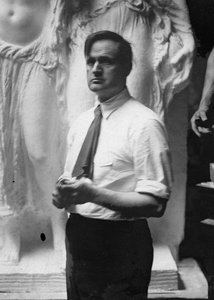
James Earle Fraser
1876 - 1953 , Spojené státy americké
Rychlé informace o umělci
- Celé Jméno: James Earle Fraser
- Datum Narození: 4. listopadu 1876
- Místo Narození: Winona, USA
- Národnost: Američan
- Ovlivnění Umělci: ['Augustus Saint-Gaudens']
- Umělecký Styl: Realismus, Impresionismus
- Vliv Na Umělce: ['Numismatické umění']
- Významná Díla:
- End of the Trail
- Buffalo nickel
Související články

James Otto Lewis: Navigating American Modernism Through Regional Identity & Stylistic Innovation
Explore the captivating portraits of James Otto Lewis, a pivotal figure bridging 19th-century realism & American Modernism. Discover his groundbreaking work documenting Native American culture and regional identity.

Grant Wood & American Regionalism: Identity, Myth & the Rural Landscape
Explore the world of Grant Wood & American Regionalism with OriginalUniqueArt. Discover the symbolism behind 'American Gothic', recurring themes, and the movement's lasting impact on art history. High-quality reproductions available.

James Abbott McNeill Whistler: Top 25 mistrovských děl pro váš interiér | OriginalUniqueArt.com
Prozkoumejte 25 ikonických děl Jamese Abbotta McNeilla Whistlera! Obrazy Nocturnes, portréty a estetismus. Inspirace pro interiér s uměleckými reprodukcemi nejvyšší kvality na OriginalUniqueArt.com. Objevte celou kolekci online.

James Bard: Navigating Light & Landscape in American Impressionism
Explore the captivating world of James Bard (1815-1897), a meticulous chronicler of 19th-century American maritime life. Discover his detailed steamboat paintings and lasting legacy within the American Impressionism movement.

Sir Alfred James Munnings: Top 25 Děl Mistra Koní – Umění a Dekorace pro Vaši Sbírku
Prozkoumejte 25 ikonických obrazů Alfreda Jamese Munnings, mistra koní a anglického impresionismu. Obdivujte realistické krajinomalby, jezdecké scény a válečné obrazy. Reprodukce a luxusní dekorace na OriginalUniqueArt.com! Prohlédněte si celou sbírku online.