
 Náhled v interiéru
 Sdílet
 Sdílet
 Podrobnosti o díle
 Průvodce

 Stáhnout
 Podobné položky
 Rentgenové snímky
 Slideshow
 Q&A
Q&A Statistiky
Hlavu dívky


 Zobrazit více
Giclée / Umělecký tisk
Giclée nebo plátěný tisk muzeální kvality s rychlou výrobou a širokou nabídkou povrchových úprav. ( Koupit ručně malovaný obraz Přepnout na digitální obraz)




P118B Kč10

P118H Kč10

P118W Kč10

P438Z Kč10

P508JH Kč12

P508YH Kč12

P805H Kč10

P805Z Kč10

P919BZ Kč10

P919G Kč10

P919XJ Kč10

P959ZH Kč10

P968JZ Kč12

W106C Kč8

W218G Kč10

W218JH Kč8

W218Y Kč10

W307PJ Kč10

W316G Kč10

W316PJ Kč8

W316Y Kč10

W398PJ Kč8

W4111J Kč10

W500HY Kč15

W500JH Kč15

W692G Kč12

W849H Kč8

W940BG Kč15

W953PJ Kč8




Vyberte si z našich přednastavených velikostí, které odpovídají původním proporcím díla.

Zadejte šířku a výšku, které potřebujete pro váš rám nebo stěnu. Tisk lze pouze oříznout, nikdy však nelze zvětšit obraz nad jeho původní rozměr, proto při výběru jiného formátu dochází ke ztrátě části obrazu. Před samotným tiskem vám zašleme digitální náhled k schválení. Obraz zobrazený na této stránce nenabízí skutečný výřez — ten uvidíte pouze v náhledu.
Celosvětové doručení () do 2 týdnů namísto standardních 4/5 týdnů. (2 listopad)

Zdarma celosvětová expresní doprava

Vysoce kvalitní lněné plátno

Kompletní pojištění přepravy

Záruka vrácení celního poplatku

Záruka věrného barevného souladu

100dení lhůta pro vrácení zboží (pouze při vadách výroby)

100% záruka vrácení peněz

Sleva při více objednávkách
 Skleněná varianta je dostupná pouze u rozměrů menších než 110 cm

Hlavu dívky
Giclée / Umělecký tisk
Rozměry reprodukce
-


Celková cena za vybrané možnosti reprodukcí
Kč 1737
Jacques François Joseph Saly: A Portrait of Innocence in Marble
Jacques François Joseph Saly (1717-1776) představuje klíčovou osobnost francouzského sochařství XVIII století, jehož dědictví však přesahuje hranice Paříže. Jeho činnost byla neodmyslitelně spojena s ambiciózním kulturním projektem rozvíjejícím se v Dánsku pod vládou Kristiána VII., kdy byl ustanoven ředitel Královské dánské akademie – čin, který neznamenal jen profesní povýšení, ale ztělesňoval ideály osvícenství, směřující k reformám a elevaci umělecké dokonalosti. Jeho životní cesta začala ve Valenciennes, kde získal základní vzdělání a estetické cítění pod vedením Nicolas Fouquet, který Louis XIV si vybral jako finančního správce – zkušenost, která ho naučila grandióznosti a stylistickým inovacím, které následně charakterizovaly jeho tvorbu. Saly byl mimo jiné významným představitelem Neoklasicismu, uměleckého směru, který kladl důraz na řád, symetrii a idealizované formy. Jeho díla jsou známá svou přesností, pečlivostí zpracování a věrností klasickým estetickým principům – hodnotám, které byly v době jeho působení dominantní. Tento styl vyjadřoval touhu po dokonalosti, čistotě a harmonii, což lze pozorovat zejména ve výobrazení mladé dívky, kterou Saly vytvořil jako jednu z nejvýznamnějších osobností své doby. Jeho dílo není jen estetickou nádobou; je také svědectvím intelektuálního zájmu o filozofii krásy a dobrotě – hodnotám, které zůstávají aktuální i dnes.- Hlavní charakteristika díla: Neoklasický styl, vyjadřující ideály osvícenství.
- Technika zpracování: Precizní řezání marmuru pomocí odborných nástrojů – důkaz mistrovské práce Salyho.
- Použité materiály: Marmor – materiál vybraný pro svou odolnost a schopnost udržovat tvar i po staletí.
- Význam díla: Salyho práce představují vrchol Neoklasicismu a ovlivňují vývoj evropského umění XVIII století.
- Symbolické hodnoty: Dívka symbolizuje nevinnost, čistotu a krásu – ideály oslavované v klasických dílech umělců.
Otázky a odpovědi
Je „Hlavu dívky“ od Jacques François Joseph Saly známým uměleckým dílem?
Úroveň popularity zaznamenaná pro „Hlavu dívky“ od Jacques François Joseph Saly je Uznávaní.
Do které éry tvorby Jacques François Joseph Saly spadá dílo "Hlavu dívky"?
V rámci kariéry umělce Jacques François Joseph Saly spadá dílo „Hlavu dívky“ do období Mature Period. Tato fáze umožňuje jeho srovnání s dalšími díly tohoto umělce.
Jaká velikost a orientace se doporučují pro tisk díla „Hlavu dívky“ od Jacques François Joseph Saly?
Pro tisknutí díla „Hlavu dívky“ od Jacques François Joseph Saly se doporučuje velikost Velká v orientaci Portrétní orientace.
Biografie umělce
A Sculptor of Enlightenment: The Life and Legacy of Jacques Saly
The history of eighteenth-century sculpture is often told through the lens of grand royal commissions and the pursuit of classical perfection, a narrative in which Jacques François Joseph Saly stands as a luminous figure. Born in 1717 in Valenciennes, France, Saly’s journey from a provincial apprentice to a central pillar of European neoclassicism is a testament to the era's burgeoning artistic mobility. His early training began at the tender age of nine under the local master Antoine Gilles, but his profound talent soon beckoned him toward the heart of the French art world. By 1732, he had arrived in Paris, immersing himself in the prestigious studio of Guillaume Coustou and attending the Académie royale de peinture et de sculpture. It was within these hallowed halls that Saly began to refine a style characterized by anatomical precision and a graceful command over form, earning him several medals that signaled the arrival of a master in the making.
Saly’s artistic identity was forged in the crucible of French grandeur, yet his most enduring impact would be felt far beyond the borders of his homeland. While his early years were steeped in the opulent traditions of the French court, his career took a transformative turn when he moved into the international sphere, working across France, Italy, and Malta. However, it was in Denmark that Saly truly found his monumental stage. His appointment as the Director of the Royal Danish Academy of Art from 1754 to 1771 was more than a professional milestone; it was a cultural mission. Under the patronage of the Danish crown, specifically during the era of Christian VII, Saly became an architect of national identity, blending the sophisticated aesthetics of French Neoclassianism with the ambitious architectural projects of the Danish Enlightenment.
Mastery in Marble and Bronze
The breadth of Saly’s oeuvre reflects a remarkable ability to navigate between the delicate intimacy of portraiture and the overwhelming scale of public monuments. His works often capture a sense of timelessness, where the cold rigidity of stone is breathed into life through meticulous detail. In pieces such as Hebe, one can observe his profound connection to classical mythology, utilizing the elegance of the Greek goddess to showcase a mastery of drapery and soft, flowing lines that suggest movement even in stillness. Similarly, his Head of a Girl demonstrates an exquisite sensitivity to the human form, capturing a fleeting moment of youthful grace with a tenderness that resonates across centuries.
Beyond the delicate, Saly possessed a rare talent for the monumental and the anatomical. His most celebrated achievement remains the Equestrian Statue of Frederick V of Denmark, located at Amalienborg. This colossal work serves as a pinnacle of his career, representing a triumph of technical skill and symbolic power. The statue, which depicts the monarch on horseback, required an extraordinary understanding of equine anatomy—a subject Saly studied with obsessive devotion. Through this work, he achieved a seamless integration of royal propaganda and artistic excellence, creating a landmark that continues to define the architectural landscape of Copenhagen.
The hallmarks of his technical development include:
- Anatomical Accuracy: A rigorous dedication to the study of musculature, particularly evident in his equine models and mythological figures.
- Neoclassical Harmony: The ability to balance the grandeur of classical themes with a clarity of composition that avoids unnecessary ornamentation.
- Material Versatility: An expert command over both the softness required for marble portraiture and the strength necessary for large-scale bronze casting.
A Lasting Impression on European Art
The historical significance of Jacques Saly lies in his role as a cultural bridge. He did not merely transplant French style to Northern Europe; rather, he helped cultivate a unique artistic synthesis that elevated the Danish Academy to international prominence. By collaborating with figures such as Nicolas Henri Jardin, Saly contributed to an era of architectural and sculptural innovation that sought to rival the great capitals of Europe. His life’s work represents the very essence of the Enlightenment—a period defined by the pursuit of order, the celebration of reason, and the elevation of human achievement through the beauty of the arts.
Though he passed away in 1776 in his native Valenciennes, Saly’s influence endured through the institutions he led and the monuments he left behind. He remains a vital figure for any student of the Neoclassical movement, embodying the transition from the ornate flourishes of the Rococo to the disciplined, noble simplicity that would define the modern era of sculpture. His legacy is etched not just in the marble of Copenhagen, but in the very spirit of European artistic excellence.

Jacques François Joseph Saly
1717 - 1776 , France
Rychlé informace o umělci
- Full Name: Jacques François Joseph Saly
- Nationality: French
- Date Of Birth: 1717
- Date Of Death: 1776
- Place Of Birth: Valenciennes, France
- Notable Artworks:
- Equestrian Statue of Frederick V
- Head of a Girl
- Hebe
- Artistic Movement Or Style: Neoclassical
- Artists Who Influenced This Artist:
- Jean-Baptiste Girardon
- Nicolas Beauvais
- Artists Or Movements Influenced By This Artist: ['French Academy']
Související články

The Rococo Aesthetic: Opulence, Rebellion & the Pursuit of Pleasure in 18th-Century Art
Explore the opulent world of Rococo art! Discover its origins, key artists like Watteau & Boucher, and lasting influence on design. Expert insights for collectors & enthusiasts.
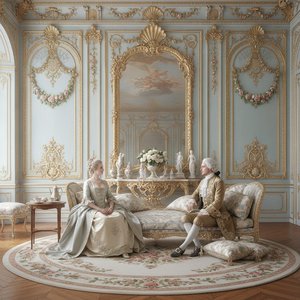
Rococo Art Guide: Elegance, Ornamentation, and the Era of Luxury
Explore the elegance of Rococo art. From Watteau to Fragonard, discover the history, aesthetics, and masters of 18th-century luxury in this expert guide for art lovers and collectors.

Top 10 mistrovských děl rokokového umění | OriginalUniqueArt.cz
Prozkoumejte 10 ikonických děl rokokového umění – Fragonard, Boucher a další. Objevte příběhy mistrů, techniky a pastelové barvy tohoto elegantního stylu. Reprodukce obrazů nejvyšší kvality na OriginalUniqueArt.cz!

The Elegance of Rococo: A Journey Through Pastel Dreams and Ornate Splendor
Embark on an elegant journey through the Rococo era. Discover the delicate beauty of pastel masterpieces, the intricate artistry of 18th-century French masters, and how this era of ornate splendor continues to inspire timeless luxury in fine art collecting.
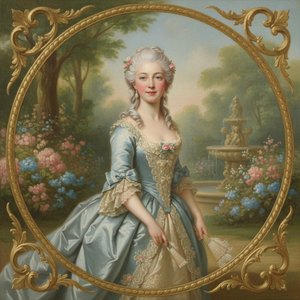
The Elegance of Rococo Portraiture: A Journey Through Grace, Soft Light, and Pastel Dreams
Discover the exquisite world of Rococo portraiture. Explore the delicate beauty of 18th-century French art, from pastel light to graceful asymmetry, and learn how to bring this era of elegance into your home through masterfully hand-painted oil reproductions.
