
 Náhled v interiéru
 Sdílet
 Sdílet
 Podrobnosti o díle
 Průvodce

 Stáhnout
 Podobné položky
 Rentgenové snímky
 Slideshow
 Otázky a odpovědi
 Statistiky
Alessandro de' Medici


 Zobrazit více
Giclée / Umělecký tisk
Giclée nebo plátěný tisk muzeální kvality s rychlou výrobou a širokou nabídkou povrchových úprav. ( Koupit ručně malovaný obraz Přepnout na digitální obraz)




P118B Kč10

P118H Kč10

P118W Kč10

P438Z Kč10

P508JH Kč12

P508YH Kč12

P805H Kč10

P805Z Kč10

P919BZ Kč10

P919G Kč10

P919XJ Kč10

P959ZH Kč10

P968JZ Kč12

W106C Kč8

W218G Kč10

W218JH Kč8

W218Y Kč10

W307PJ Kč10

W316G Kč10

W316PJ Kč8

W316Y Kč10

W398PJ Kč8

W4111J Kč10

W500HY Kč15

W500JH Kč15

W692G Kč12

W849H Kč8

W940BG Kč15

W953PJ Kč8




Vyberte si z našich přednastavených velikostí, které odpovídají původním proporcím díla.

Zadejte šířku a výšku, které potřebujete pro váš rám nebo stěnu. Tisk lze pouze oříznout, nikdy však nelze zvětšit obraz nad jeho původní rozměr, proto při výběru jiného formátu dochází ke ztrátě části obrazu. Před samotným tiskem vám zašleme digitální náhled k schválení. Obraz zobrazený na této stránce nenabízí skutečný výřez — ten uvidíte pouze v náhledu.
Celosvětové doručení () do 2 týdnů namísto standardních 4/5 týdnů. (7 listopad)

Zdarma celosvětová expresní doprava

Vysoce kvalitní lněné plátno

Kompletní pojištění přepravy

Záruka vrácení celního poplatku

Záruka věrného barevného souladu

100dení lhůta pro vrácení zboží (pouze při vadách výroby)

100% záruka vrácení peněz

Sleva při více objednávkách
 Skleněná varianta je dostupná pouze u rozměrů menších než 110 cm

Alessandro de' Medici
Giclée / Umělecký tisk
Rozměry reprodukce
-


Celková cena za vybrané možnosti reprodukcí
Kč 1763
The Soul Beneath the Crown: A Study in Mannerist Melancholy
In the quiet, tension-filled corridors of 16th-century Florence, a new kind of portraiture began to emerge—one that sought not to flatter the sitter with outward glory, but to expose the profound psychological tremors beneath their skin. Jacopo Carucci, known more evocatively as Pontormo, achieved this feat masterfully in his 1535 masterpiece, Alessandro de' Medici. This is not merely a record of a ruler’s likeness; it is an intimate encounter with a soul caught in the crosswinds of political instability and personal introspection. As one gazes upon the face of the first Duke of Florence, there is an immediate sense of being drawn into a private moment of contemplation, where the weight of a turbulent reign is visible in the very shadows of the eyes.
The composition eschews the grand, sweeping landscapes and opulent backdrops typical of High Renaissance portraiture. Instead, Pontormo employs a deliberate simplicity, focusing the viewer’s entire attention on the upper torso and the hauntingly expressive face of Alessandro. By stripping away the distractions of worldly wealth, the artist forces an encounter with the subject's humanity. The minimal background serves to isolate the Duke, creating a vacuum of space that amplifies his sense of solitude. This stylistic choice is quintessential to the Mannerist movement, where the goal was to move beyond mere anatomical accuracy toward a more heightened, expressive, and often unsettling emotional truth.
Technique and the Language of Light
To behold this work is to witness the exquisite technical prowess of Pontormo’s brush. Utilizing oil on canvas, the artist layered pigments with a meticulous sensitivity that allows for breathtaking tonal gradations. The lighting is soft, almost diffused, as if filtered through the heavy atmosphere of a Tuscan twilight. This gentle illumination does not strike the subject with dramatic force; rather, it caresses the contours of the face, creating subtle transitions between light and shadow that lend a startling three-dimensional vitality to the skin. Such mastery of sfumato and tonal modulation allows the viewer to perceive the slight tension in the brow and the reflective depth within the gaze.
The color palette is a sophisticated arrangement of muted earth tones—deep browns, creamy highlights, and somber blacks, punctuated by subtle, bruised reds. These colors do not shout; they whisper of gravity and importance. The textures, though appearing smooth to the eye, possess an underlying complexity that suggests the heavy, fine fabrics of ducal attire. For the discerning collector or interior designer, this painting offers a profound sense of gravitas. It is a piece that does not demand attention through garishness but commands it through its quiet, undeniable presence, making it an ideal centerpiece for spaces designed for reflection, study, or sophisticated conversation.
A Legacy of Emotional Resonance
Beyond the technical brilliance lies the historical and symbolic heartbeat of the piece. Alessandro de' Medici lived a life defined by transition and uncertainty, and Pontormo captures this zeitgeist with uncanny precision. The elongated forms and slightly distorted perspectives characteristic of Mannerism serve as visual metaphors for a world where the stable proportions of the Renaissance were fracturing. There is an inherent ambiguity in the subject’s expression—is it pride, or is it sorrow? Is it the composure of a leader, or the mask of a man burdened by his station?
This ambiguity is precisely what gives the portrait its enduring power. It invites the viewer to participate in the interpretation, making every encounter with the artwork a new discovery. For those seeking to adorn their homes or galleries with works of significant intellectual and emotional depth, a high-quality reproduction of this Pontormo masterpiece offers more than just aesthetic beauty; it offers a window into the complexities of the human condition. It is an invitation to dwell in the presence of greatness, even in its most vulnerable and melancholic moments.
Otázky a odpovědi
Jakou celkovou náladu vyzařuje „Alessandro de' Medici“ od Jacopo Pontormo?
Celková nálada díla „Alessandro de' Medici“ od Jacopo Pontormo je Dramatic. Tato nálada vystihuje obecnou atmosféru tohoto díla.
Je k dispozici prezentace pro „Alessandro de' Medici“ od Jacopo Pontormo?
Diaporama díla „Alessandro de' Medici“ si můžete prohlédnout na stránce Slideshow.
Jaká jsou práva k reprodukci díla „Alessandro de' Medici“ v instituci Art Institute of Chicago?
Dílo „Alessandro de' Medici“ od Jacopo Pontormo se nachází ve sbírce Art Institute of Chicago a spadá do v rámci volného užití – autorská práva vypršela. Tento stav určuje, zda lze vytvářet reprodukce tohoto obrazu.
Biografie umělce
Jacopo Pontormo (1494 – 1557/7): Bridging Renaissance and Baroque Expression
Jacopo Pontormo, zrozen Jacopo Carucci v Pontorme u Empoli, Toscana, kolem roku 1494, představuje jedinečnou postavu v rámci florentského manýrismu – malíře, který se vymezil proti konvencím a vybojoval si vlastní cestu k umělecké inovaci. Na rozdíl od mnoha jeho současníků, kteří usilovali o idealizovanou krásu zakořeněnou v klasických ideálech, Pontormo přijmul emocionální intenzitu a psychologickou složitost, čímž se stal klíčovým mostem mezi klidným rozsahem pozdní renesance a dramatickým dynamismem barokního období. Jeho život byl poznamenán obrovským talentem i osobní tragédií, což formovalo jeho dílo v testament k umělecké vizi zjemněné hlubokou bolestí. Raná Vzdělávání a Vlivy: Raný výcvik Pontorma strávil pod vedením Domenica del Pollaiuolo a Michelangela Buonarroti – umělců, jejichž mistrovství anatomické realizmu a sochařské formy hluboce ovlivnily jeho stylistický rozvoj. I když uznával renesanční dědictví, Pontormo se rychle distancoval od jeho rigidní formalismu, přitahovaný k expresivnějšímu přístupu inspirovanému severoevropskými uměleckými tradicemi. Zvláště studoval grafiky Albrechta Dürera, absorboval techniky pro vyjádření emocí prostřednictvím stylizovaných obrazů a inovativních kompozic. Tato expozice severomannerském manýrismu se ukázala jako klíčová při formování jeho charakteristického vizuálního jazyka. Dürerovy grafiky mu poskytly model pro dramatické vyprávění příběhů a manipulaci s perspektivou, což se odráželo v jeho dílech.The Mannerist Style: A Departure from Tradition
Pontormoho umělecký průlom nastal kolem roku 1515 s realizací obrazu "Visitation" (Návštěva), monumentálního altáře pro Santissima Annunziata v Arezzu – díla, které okamžitě etablovalo hojně jakožto propagátora manýrismu. Charakterizovaný prodlouženými postavami, zploštělými perspektivami a vířícími šaty nabitými živoucími barvami, Pontormoho styl odmítal renesanční posedlost anatomickou přesností a harmonickými proporcemi. Místo toho kladl důraz na vyjádření psychických stavů – zoufalství, smutku, extáze – prostřednictvím zkreslených forem a nejasných prostorových vztahů. Tato záměrná odchylka od zavedených konvencí znamenala radikální přehodnocení umělecké reprezentace, předznamenávající dramatické inovace, které definovaly barokní období. Jeho díla se vyznačují dynamickou kompozicí a neobvyklým uspořádáním postav, což odráží jeho snahu o vyjádření silných emocí a psychologických stavů.Notable Works and Legacy
Pontormoho tvorba zahrnovala rozmanitou škálu témat – náboženské scény, portréty a mytologické kompozice – každá z nich nabitá jeho charakteristickým manýrismem. Mezi jeho nejvýznamnější obrazy patří "Joseph’s Coat Sold to the Egyptians" (Prodej Josephova pláště Egyptjanům), "The Deposition" (Snímání) a "Saint Francis Receiving Stigmata" (Sv. František přijímá stigmatu” – díla, která exemplifikují jeho mistrovské ovládání barvy, světla a textury k vyvolání hlubokého emocionálního dopadu. Jeho portréty, zejména ty zobrazující členy florentského Medicijského rodu, odhalují jeho bystrou psychologickou intuici a jemné zapojení do manýrismu. Pontormoho vliv se rozprostřel za hranice jeho uměleckých úspěchů; byl mentor mladších umělců – včetně Agnola Bronzina – kteří pokračovali ve svém inovativním zobrazení v následující generaci florentských malířů. Jeho dědictví nespočívá pouze v jeho jednotlivých mistrovských dílech, ale také v roli katalyzátoru pro uměleckou experimentaci a předznamenatele stylistických změn – testament k jeho trvalému přínosu evropskému umění.Further Exploration and Historical Context
Pontormoho dílo pokračuje v fascinování odborníků i znalců, což vede k probíhajícím debatám o povaze manýrismu a jeho vztahu k širším kulturním trendům. Muzea po celém světě vystavují reprodukce jeho obrazů – včetně těch uložených v Uffizi Gallery v Florencii – umožňující návštěvníkům osobně zažít transformační sílu jeho umělecké vize. Pro hlubší pochopení Pontormoho života a díla se poraďte s zdroji jako OriginalUniqueArt.com/jacopo carucci a Wikipedia: Jacopo.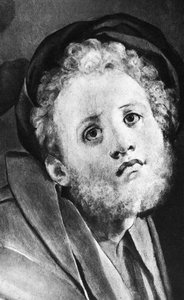
Jacopo Pontormo
1494 - 1557 , Itálie
Rychlé informace o umělci
- Artistic Movement Or Style: Manýrismus
- Artists Or Movements Influenced By This Artist:
- Michelangelo
- Rosso Fiorentino
- Artists Who Influenced This Artist:
- Leonardo da Vinci
- Andrea del Sarto
- Date Of Birth: 1494
- Date Of Death: 1557/7
- Full Name: Jacopo Pontormo
- Nationality: Italijský
- Notable Artworks:
- Vizitace
- Depozice
- Halberdier
- Place Of Birth: Pontorme, Itálie
Související články

O nás
Objevte náš příběh! Přinášíme umění světové úrovně do vašeho života prostřednictvím odborného výběru, zakázkové tvorby a bezplatných náhledů. Osvědčeno jednotlivcům i firmám od roku 2000.

Francisco Goya: 25 mistrovských děl španělského génia | OriginalUniqueArt.cz
Prozkoumejte 25 ikonických děl Francisca Goyi – od romantických portrétů po temné tiskoviny. Objevte příběhy, techniky a umělecký význam španělského mistra na OriginalUniqueArt.cz. Reprodukce obrazů pro váš interiér.

The Enduring Legacy of Fine Art Prints: Technique, History & Aesthetic Impact
Explore the rich history & techniques of fine art prints. Discover investment potential, assess authenticity, and learn how to preserve your collection with expert guidance. Trusted insights for discerning collectors.

Jacopo Pontormo: A Bridge Between Renaissance Tradition & Mannerist Emotion
Explore the captivating world of Jacopo Pontormo, a pivotal Italian Mannerist painter. Discover his unique style, influences & masterpieces – and find museum-quality reproductions at OriginalUniqueArt.

Giclée Prints: Archival Quality & Aesthetic Nuances for the Discerning Collector
Explore the world of giclée prints with OriginalUniqueArt. Learn about archival quality, aesthetic nuances & investment potential. Expert guidance for discerning art collectors seeking museum-quality reproductions and lasting value.


