

 Náhled
 Sdílet
 Sdílet
 Podrobnosti o díle

 Stáhnout
 Podobné položky
 Rentgenové snímky
 Slideshow
Flagellation
 Acrylic On Canvas
- WallArt
- Early Renaissance Italian
 1450
1450 426.0 x 286.0 cm
 Louvr
Louvr
 Zobrazit více
Giclée / Umělecký tisk
Giclée nebo plátěný tisk muzeální kvality s rychlou výrobou a flexibilními možnostmi povrchové úpravy. ( Koupit ručně malovaný obraz Koupit obrázek)




P118B $10

P118H $10

P118W $10

P438Z $10

P508JH $12

P508YH $12

P805H $10

P805Z $10

P919BZ $10

P919G $10

P919XJ $10

P959ZH $10

P968JZ $12

W106C $8

W218G $10

W218JH $8

W218Y $10

W307PJ $10

W316G $10

W316PJ $8

W316Y $10

W398PJ $8

W4111J $10

W500HY $15

W500JH $15

W692G $12

W849H $8

W940BG $15

W953PJ $8




Vyberte si z našich přednastavených velikostí, které odpovídají původním proporcím díla.

Můžete zadat vlastní rozměry tak, aby výtvor odpovídal konkrétnímu rámu nebo prostoru. Pokud zvolená velikost nebude odpovídat poměru stran původního obrazu, dílo buď ořížeme, nebo obraz rozšíříme pomocí zrcadlového efektu či jednobarevného okraje. Před zahájením výroby vám bude zaslán digitální náhled k schválení.
Mějte prosím na paměti, že náhled na obrazovce neodráží skutečné oříznutí nebo rozšíření. Pouze digitální náhled přesně zobrazí finální kompozici.
Ačkoliv jsou k dispozici i vlastní rozměry, pro zachování původních proporcí doporučujeme vybrat si rozměr z předdefinovaného seznamu.
Celosvětové doručení () do 2 týdnů namísto standardních 4/5 týdnů. (14 srpen)

Zdarma celosvětová expresní doprava

Vysoce kvalitní lněné plátno

Kompletní přepravní pojištění

Záruka vrácení celního poplatku

Záruka přesného barevného shodu

60denní lhůta pro vrácení zboží (pouze při vadách výroby)

100% garance vrácení peněz

Sleva při hromadné objednávce
 Skleněná varianta je dostupná pouze u rozměrů menších než 110 cm

Flagellation
Giclée / Umělecký tisk
Rozměry reprodukce
-


Celková cena za výběr
$ 80
Popis sběratelského kousku
A Study in Divine Order: Jacopo Bellini’s Flagellation
Jacopo Bellini's "Flagellation," painted circa 1450, isn’t merely a depiction of a biblical scene; it’s a profound meditation on human suffering, civic duty, and the nascent principles of Renaissance perspective. This remarkable drawing, now residing within the British Museum’s collection, offers a tantalizing glimpse into the mind of one of Venice's most influential artists – a man who was quietly revolutionizing how images were conceived and rendered in his time. Far removed from the grand, opulent frescoes that dominated Venetian art, Bellini’s preparatory sketch possesses an intimate quality, inviting us to witness the genesis of a masterpiece and contemplate the artist’s meticulous process.
The scene itself is both dramatic and restrained. A vast architectural complex dominates the composition – a towering structure of arches, balconies, and intricate detailing that speaks to the power and order of the Venetian Republic. Within this meticulously constructed space, figures are engaged in a brutal act: the scourging of Christ. The arrangement isn’t chaotic; rather, it adheres to a strict geometric logic, reflecting Bellini's deep understanding and application of linear perspective. The receding lines of the building create an illusion of depth, drawing the viewer into the scene while simultaneously emphasizing the figures’ vulnerability within this imposing framework. This careful orchestration of space is a hallmark of Renaissance art, signaling a shift away from the flattened perspectives of earlier periods.
Early Renaissance Innovation and Venetian Sensibility
Bellini's work stands as a crucial bridge between the Gothic traditions of his predecessors and the groundbreaking innovations of the High Renaissance. He inherited the rich color palettes and decorative tendencies of Venetian painting, but he also embraced the emerging principles of linear perspective championed by artists like Brunelleschi and Masaccio. Unlike many of his contemporaries who focused on grand narratives or religious iconography, Bellini’s preparatory sketches reveal a fascination with architectural studies – a testament to his belief that understanding form and structure was essential for creating compelling images. The drawing's focus isn’t on the emotional impact of Christ’s suffering, but rather on the precise rendering of the building itself, suggesting an underlying concern with civic order and the representation of power.
The monochrome palette – a carefully calibrated range of grays – contributes significantly to the artwork’s solemn mood. Bellini masterfully employs hatching and cross-hatching techniques to create subtle variations in tone and texture, lending a remarkable sense of volume and depth to the architectural elements. The delicate lines delineate every archway, column, and window frame with painstaking detail, demonstrating Bellini's exceptional draftsmanship. This meticulous approach reflects not only his artistic skill but also his deep respect for the subject matter – a reverence that is palpable in every stroke of the pen.
Symbolism and Historical Context
While the immediate narrative of "Flagellation" is rooted in the Passion of Christ, it’s important to consider the broader historical context within which Bellini was working. Venice during the mid-15th century was a thriving center of commerce, art, and political intrigue. The city's wealth and power were reflected in its magnificent architecture, and its citizens took great pride in their civic identity. Bellini’s drawing can be interpreted as an allegory for this civic ethos – a visual representation of the Republic’s strength, order, and commitment to justice. The act of scourging, though undeniably painful, is presented within a framework of architectural grandeur, suggesting that suffering is an inevitable part of the human experience but one that must be endured with dignity and fortitude.
Furthermore, the drawing's scale – measuring 426 x 286 cm – suggests its intended role as a preparatory study for a larger work, possibly a monumental fresco or tapestry. The level of detail evident in this sketch indicates Bellini’s meticulous planning and his commitment to achieving a truly immersive visual experience. It is a testament to the artist's vision that he could translate such complex ideas into a single drawing, demonstrating both technical mastery and artistic insight.
A Legacy of Precision and Vision
Jacopo Bellini’s “Flagellation” stands as a pivotal work in the development of Renaissance art. It exemplifies his innovative approach to perspective, his meticulous draftsmanship, and his deep understanding of Venetian culture. More than just a depiction of a biblical scene, it is a profound meditation on human suffering, civic duty, and the enduring power of artistic vision. Reproductions of this drawing offer a unique opportunity to appreciate Bellini’s genius and to connect with one of the most influential artists of the Renaissance.
Biografie umělce
Benátský průkopník renesanční perspektivy
Jacopo Bellini představuje klíčovou postavu v rozkvétajícím renesančním malířském stylu, který prosperoval ve Benátkách i v severní Itálii. Nebyl pouze malířem; byl jedním z jeho zakladatelských inovátorů, který formoval umělecké smysly svou precizní pozorovatelskostí přírody a mistrovským začleněním lineární perspektivy – techniky, která byla v benátské tradici dříve v podstatě nepřítomná. Ačkoliv dnes přežilo jen málo Belliniho původních pláten, aby mohla být obdivována v celé své slávě, jeho hluboký odkaz žije především v jeho nádherných skicářích, jako jsou ty uložené v British Museum a Louvre. Tyto kresby odhalují hlubokou fascinaci rozlehlými krajinnými výhledy a složitými architektonickými návrhy, což nabízí nepostradatelný pohled do uměleckého procesu, který předznamenal stylistické revoluce následujících století.
Jacopo se narodil v Benátkách kolem roku 1396 a jeho formativní roky byly hluboce zakořeněny v bohatých, dekorativních tradicích pozdní gotiky. Jeho rané vzdělání naznačuje, že byl žákem slavného Gentile da Fabriano, umělce, jehož dílna vytvořila některé z nejambicióznějších a nejozdobnějších fresk té doby. Tato prestižní vazba bezpochyby vštěpila Bellinimu dožitnou vážnost k intricate detailům, barevné harmonii a určité dekorativní komplexnosti. V jeho rané kariéře byl mezi lety 1411 a 1412 aktivní ve Folignu, kde spolupracoval na monumentálních freskách v Palazzo Trinci a pracoval po boku samotných mistrů, kteří definovali mezinárodní gotický styl.
Cesta srdcem renesance
Významný zlom nastal, když se Bellini kolem roku 1423 vydal do Florencie. Tato cesta jej umístila do epicentra intenzivního období uměleckého experimentování vedeného takovými velikány jako Brunelleschi, Donatello a Masaccio. Ve Florencii narazil na rodící se vědu lineární perspektivy, což byl objev, který by zásadně změnil jeho přístup ke prostoru a hloubce. Spojením lyrické, dekorativní elegance svých benátských kořenů se strukturální přísností a prostorovou jasností florentských inovátorů začal Bellini vytvářet unikátní vizuální jazyk. Tato syntéza mu umožnila překonat ploché, symbolické roviny středověku a směřovat k imerzivnímu zobrazení světa, které připomíná pohled skrze okno.
Jak jeho kariéra postupovala, Bellini se stal ústřední postavou při zakládání rodinné dynastie, která bude benátské umění dominovat po celé generace. Jeho vliv nebyl pouze osobní, ale i pedagogický, neboť své inovace předával svým synům, Gentilovi a Giovannimu. Skrze ně semena jeho experimentování se světlem, krajinou a perspektivou vykvetlaly do nádhery vrcholné renesance spojené s jménem Bellini. Jeho dílo sloužilo jako most mezi ornamentální tradicí minulosti a humanistickým realismem budoucnosti, což z něj činí nezastupitelný článek v evoluci italského umění.
Odkaz a historický význam
Historický význam Jacopa Bellini spočívá v jeho roli katalyzátoru změn. Přestože je velká část jeho tvorby zachycena v intimním médiu inkoustu a pera, tyto skici slouží jako modrý plán pro benátskou renesanci. Jeho schopnost představovat si komplexní, vícevrstvé krajiny a matematicky koherentní architekturu položila základy jeho nástupcům k průzkumu atmosférické krásy benátské laguny. Studovat Belliniho znamená být svědkem okamžiku, kdy oko umělce skutečně začalo ovládat iluzi hloubky a navždy změnilo způsob, jakým lidstvo vnímá malovaný svět.
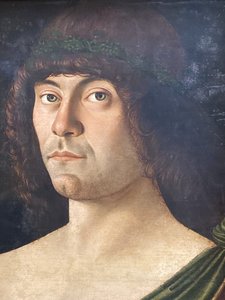
Jakop Bellini
1396 - 1470 , Itálie
Rychlé fakta
- Artistic Movement Or Style: Renesance
- Artists Or Movements Influenced By This Artist: ['Masaccio']
- Artists Who Influenced This Artist: ['Gentile da Fabriano']
- Date Of Birth: Benátky, Itálie (1396)
- Date Of Death: cca 1470
- Full Name: Jacopo Bellini
- Nationality: Italská
- Notable Artworks:
- Ukřižování v katedrále ve Veroně
- Madona s dítětem
- Place Of Birth: Benátky
Související články
The Enduring Legacy of Architecture in Art: A Historical Survey of Representation & Meaning
Explore the rich history of architecture in art, from Renaissance theory to 19th-century reconstructions. Discover key artists & movements shaping visual representation – a guide for discerning collectors.
The Enduring Legacy of Architecture in Art: A Historical Survey of Representation & Aesthetic Influence
Explore the rich history of architecture's influence on art! Discover Renaissance perspective techniques, symbolism, & iconic masterpieces. Enhance your understanding with our expert analysis.
Piero della Francesca: Renaissance Perspective, Divine Proportion & the Pursuit of Ideal Form
Explore the revolutionary art of Piero della Francesca – master of perspective, divine proportion & Renaissance humanism. Discover his iconic paintings & lasting influence on art history.

The Flourishing of Humanism: A Comprehensive Exploration of the Italian Renaissance Art Movement
Explore the Italian Renaissance! Discover humanist ideals, iconic masterpieces by Leonardo, Michelangelo & Raphael, and lasting artistic innovations. A comprehensive guide for art enthusiasts.
Top 10 Akrylových Obrazů na Plátně, které Změnily Svět Umění | OriginalUniqueArt.cz
Prozkoumejte 10 legendárních akrylových obrazů na plátně od Pollocka, Rothka a dalších. Objevte příběhy za uměleckými díly, které změnily svět moderního umění. Reprodukce obrazů nejvyšší kvality pro váš interiér – OriginalUniqueArt.cz



