

 Náhled
 Sdílet
 Sdílet
 Podrobnosti o díle

 Stáhnout
 Podobné položky
 Rentgenové snímky
 Slideshow
Mercury, Argus and Io
 Oil On Canvas
- WallArt
- Baroque
 1630
1630 204.0 x 193.0 cm
 Mořicův dům
 Zobrazit více
Ručně malovaná olejová reprodukce
Ručně malovaná olejná barva na plátně ve vašem zvoleném rozměru i s rámem, vyrobená našimi umělci na zakázku. ( Koupit tisk Koupit obrázek)




P118B $10

P118H $10

P118W $10

P438Z $10

P508JH $12

P508YH $12

P805H $10

P805Z $10

P919BZ $10

P919G $10

P919XJ $10

P959ZH $10

P968JZ $12

W106C $8

W218G $10

W218JH $8

W218Y $10

W307PJ $10

W316G $10

W316PJ $8

W316Y $10

W398PJ $8

W4111J $10

W500HY $15

W500JH $15

W692G $12

W849H $8

W940BG $15

W953PJ $8




Vyberte si z našich přednastavených velikostí, které odpovídají původním proporcím díla.

Můžete zadat vlastní rozměry pro konkrétní rám nebo prostor. Pokud se vámi vybraná velikost neshoduje s proporcemi původního obrazu, dílo buď ořízneme, nebo jej doplníme ručně malovanými prvky. Před zahájením výroby vám bude zaslán digitální náhled ke schválení.
Upozorňujeme, že náhled na obrazovce neodpovídá skutečnému ořezu ani rozšíření. Pouze digitální náhled přesně zobrazí finální kompozici.
Ačkoliv je možné zvolit vlastní velikost, pro zachování původních proporcí doporučujeme vybrat rozměr z předdefinovaného seznamu.
Po přijetí objednávky vám tým OriginalUniqueArt.com zašle e-mail s pokyny a poskytne náhledovou verzi.
Celosvětová doprava () za 3–4 týdny namísto standardních 5 týdnů. (19 srpen). Bez kompromisů v kvalitě.

Zdarma celosvětová expresní doprava

Vysoce kvalitní lněné plátno

Kompletní přepravní pojištění

Záruka vrácení celního poplatku

Záruka přesného barevného shodu

60denní lhůta pro vrácení zboží (pouze při vadách výroby)

100% garance vrácení peněz

Sleva při hromadné objednávce
 Skleněná varianta je dostupná pouze u rozměrů menších než 110 cm

Mercury, Argus and Io
Technika reprodukce
Rozměry reprodukce
-


Celková cena za výběr
$ 350
Popis díla
Mercury, Argus and Io by Jacob van Campen
Jacob van Campen’s “Mercury, Argus & Io” (1630) stands as a testament to the Baroque period's masterful blend of architectural precision and dramatic emotional expression. Painted in Haarlem during the Dutch Golden Age, this monumental oil on canvas depicts a mythological scene steeped in symbolism and rendered with meticulous detail—a captivating glimpse into the artistic sensibilities of its time.
Subject Matter & Narrative
The artwork portrays Mercury, Argus (the watchful shepherd), and Io (Jupiter’s adulterous wife), figures from Greek mythology. The narrative unfolds as Mercury attempts to persuade Argus to protect Io from Jupiter's relentless pursuit. This tale speaks to themes of deception, vigilance, and the consequences of defying divine authority—concepts prevalent in Baroque art’s preoccupation with moral allegory.
Style & Technique: Baroque Realism
Van Campen adheres to Baroque realism, prioritizing accurate anatomical representation alongside intense emotional impact. The painting utilizes dynamic composition—figures intertwine amidst livestock under a stormy sky—creating a palpable sense of movement and tension. Lines delineate muscular forms and animal contours, reinforcing the theatrical quality of the scene. Brushwork is exceptionally textured, particularly in capturing the woolly fleece of sheep and the rough hide of bulls, demonstrating Van Campen’s mastery of oil painting technique.
Color Palette & Lighting
The color palette is rich and dark—dominated by deep blues and browns—contributing to an atmosphere of drama and solemn contemplation. Dramatic chiaroscuro lighting highlights key figures and areas of interest, emphasizing the central nude man playing a flute and drawing attention to the expressive faces of the women involved. This masterful use of light and shadow enhances the painting’s emotional resonance and underscores its symbolic significance.
Symbolism & Artistic Influences
The flute symbolizes communication or magic—a subtle nod to Mercury's role as messenger god—while the presence of animals – notably dogs and livestock – adds layers of narrative complexity. Notably, Van Campen’s work reflects influences from Paulus Bor and the Utrecht Caravaggisti, demonstrating a commitment to innovative artistic approaches. The painting’s grandeur and meticulous detail align with the architectural ambitions of its patron, mirroring the stylistic ideals championed by architects like Pieter Steenwyck.
Historical Context & Legacy
"Mercury, Argus & Io" exemplifies the Baroque fascination with mythological narratives and moral instruction—a genre favored by aristocratic patrons eager to convey virtue and piety. Its enduring appeal lies in its ability to evoke profound emotion and capture the grandeur of artistic achievement. Today, reproductions of this masterpiece continue to inspire admiration for Van Campen’s skill and contribute to a deeper understanding of Baroque art's cultural significance.
Biografie umělce
Jacob van Campen: Life and Legacy
Early Life and Background
Jacob van Campen was born in Haarlem, Netherlands, in 1596. He came from a relatively prosperous background, inheriting the estate of Randenbroek near Amersfoort from his mother. He significantly expanded and embellished this estate, later commissioning Caesar van Everdingen to decorate it. Van Campen never married but had one son, Alexander van Campen.
Artistic Development and Influences
Van Campen was a selective artist, carefully choosing his projects. His artistic development saw him move towards a distinctive style blending architectural precision with Baroque dynamism. He was notably influenced by Paulus Bor, one of the founders of the Bentvueghels – a group of Dutch painters known for their unconventional and often satirical work. This influence is visible in some similarities between Van Campen’s paintings and wall decorations, such as those at Paleis Huis ten Bosch.
Architectural Achievements
Van Campen's primary legacy lies in his architectural contributions. He designed numerous churches, including those at Renswoude and Hooge Zwaluwe, and the Nieuwe Kerk in Haarlem. The Nieuwe Kerk’s design was so significant that Pieter Saenredam created three paintings and eight engravings documenting it. Beyond churches, he also designed gates and towers for prominent Amsterdam landmarks like the Westerkerk and Nieuwe Kerk.
- Mauritshuis: Perhaps his most famous work, this palace in The Hague now houses a renowned collection of Dutch Golden Age paintings.
- Amsterdam's Royal Palace: Van Campen played a key role in the design of this iconic building, originally conceived as Amsterdam’s Town Hall.
Painting and Decorative Work
While primarily known as an architect, Van Campen was also a skilled painter. He created notable still life paintings, often featuring intricate arrangements of objects symbolizing mortality and the passage of time. His wall decorations, particularly at Paleis Huis ten Bosch, demonstrate his ability to integrate painting with architectural space.
- Still Life Themes: Van Campen’s still lifes frequently included books, musical instruments, scientific instruments (like celestial globes), and symbolic objects like skulls and owls.
Historical Significance
Jacob van Campen was a pivotal figure in introducing Classicism to Dutch Baroque design. He bridged the gap between earlier Renaissance influences and the evolving artistic sensibilities of the 17th century. His architectural designs helped shape the urban landscape of the Netherlands, and his work continues to be admired for its elegance, precision, and innovative use of space. He died in 1657 and was buried at Randenbroek, the estate he so carefully cultivated.

Jacob van Campen
1596 - 1657 , Netherlands
Rychlé fakta
- Birth Date: 1596
- Birth Place: Haarlem, Netherlands
- Death Date: 1657
- Influenced: Pieter Saenredam
- Influenced By: Paulus Bor
- Movement: Dutch Golden Age, Dutch Classicism, Baroque
- Name: Jacob van Campen
- Nationality: Dutch
- Notable Works: Mauritshuis, Amsterdam's Royal Palace, Nieuwe Kerk (Haarlem)
Související články
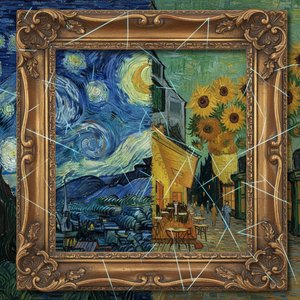
Vincent van Gogh: Top 25 mistrovských děl pro váš domov | OriginalUniqueArt.cz
Prozkoumejte 25 nejlepších děl Vincenta van Gogha! Obrazy Slunečnic, Hvězdné noci a další mistrovská díla impresionismu. Reprodukce obrazů pro váš domov s OriginalUniqueArt.cz – inspirace a umění na dosah.

Rembrandt van Rijn: Top 25 mistrovských děl pro váš interiér | OriginalUniqueArt.cz
Prozkoumejte 25 nejlepších děl Rembrandta van Rijna – od portrétů po biblické scény. Objevte příběhy, techniky a inspiraci nizozemského baroka. Reprodukce obrazů pro váš interiér na OriginalUniqueArt.cz.

Sir Anthony van Dyck: Courtly Portraiture & the Shaping of Baroque Identity
Explore the life & legacy of Sir Anthony van Dyck, the leading court painter of his era. Discover his innovative portraiture, Baroque masterpieces, and investment potential for discerning collectors. Learn more at OriginalUniqueArt.

Top 10 mistrovských děl holandského baroka – obrazy a umělci | OriginalUniqueArt.cz
Objevte 10 ikonických děl holandského baroka! Prozkoumejte příběhy Rembrandta, Vermeera a dalších mistrů. Repliky obrazů nejvyšší kvality pro váš interiér na OriginalUniqueArt.cz – inspirace a umělecké reprodukce online.

Barokní mistrovská díla: 10 obrazů, které definovaly umělecký styl | OriginalUniqueArt.cz
Objevte 10 ikonických děl barokního umění – od Caravaggia po Rembrandta. Ponořte se do příběhů mistrů, technik a emocí tohoto velkolepého období. Reprodukce obrazů nejvyšší kvality na OriginalUniqueArt.com! Prozkoumejte celou kolekci online.

