
 Zobrazit v interiéru
 Odeslat
 Sdílet
 Podrobnosti
 Průvodce

 Stáhnout obrázek
 Podobné kousky
 Rentgenové snímky
 Slideshow
 Statistiky
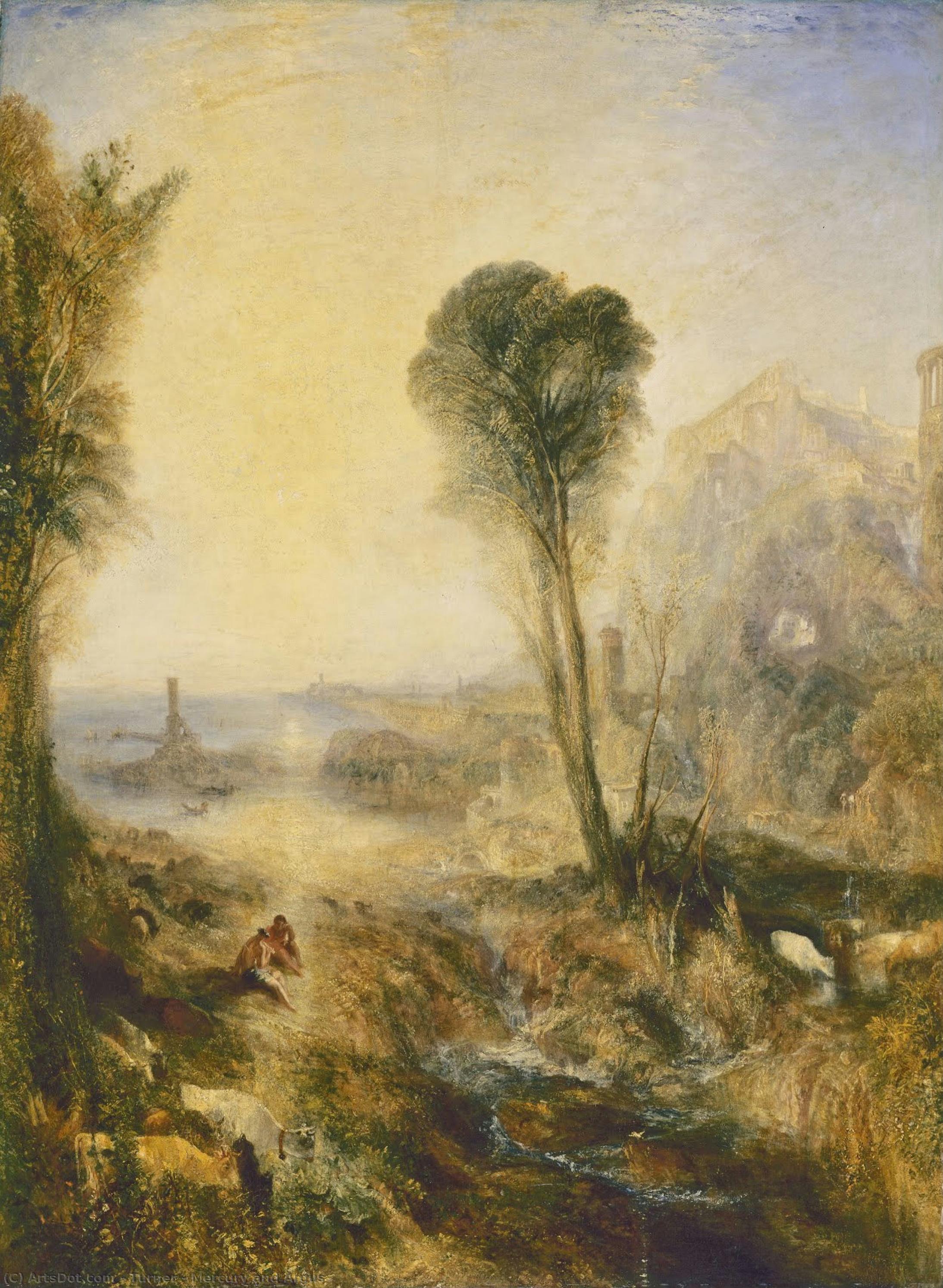
Mercury and Argus
 Oil On Canvas
- WallArt
- Romanticism
 1840
1840- 19th Century
 151.0 x 111.0 cm
 Národní galerie Kanady
 Přečíst si více
Giclée / Umělecký tisk
Giclée nebo plátěný tisk muzeální kvality s rychlou výrobou a širokou nabídkou povrchových úprav. ( Objednat ručně malovanou reprodukci Přepnout na digitální verzi obrazu)




P118B Kč10

P118H Kč10

P118W Kč10

P438Z Kč10

P508JH Kč12

P508YH Kč12

P805H Kč10

P805Z Kč10

P919BZ Kč10

P919G Kč10

P919XJ Kč10

P959ZH Kč10

P968JZ Kč12

W106C Kč8

W218G Kč10

W218JH Kč8

W218Y Kč10

W307PJ Kč10

W316G Kč10

W316PJ Kč8

W316Y Kč10

W398PJ Kč8

W4111J Kč10

W500HY Kč15

W500JH Kč15

W692G Kč12

W849H Kč8

W940BG Kč15

W953PJ Kč8




Vyberte si z našich přednastavených velikostí, které odpovídají původním proporcím díla.

Zadejte šířku a výšku, které potřebujete pro váš rám nebo stěnu. Tisk lze pouze oříznout, nikdy však nelze zvětšit obraz nad jeho původní rozměr, proto při výběru jiného formátu dochází ke ztrátě části obrazu. Před samotným tiskem vám zašleme digitální náhled k schválení. Obraz zobrazený na této stránce nenabízí skutečný výřez — ten uvidíte pouze v náhledu.
Celosvětové doručení () do 2 týdnů namísto standardních 4/5 týdnů. (25 říjen)

Zdarma celosvětová expresní doprava

Vysoce kvalitní lněné plátno

Úplné pojištění přepravy

Záruka vrácení celního poplatku

Záruka věrného barevného shodu

100dení lhůta pro vrácení zboží (pouze při vadách výroby)

100% garance vrácení peněz

Sleva při více objednávkách
 Skleněná varianta je dostupná pouze u rozměrů menších než 110 cm

Mercury and Argus
Giclée / Umělecký tisk
Velikost reprodukce
-


Celková cena
Kč 1709
Mercury and Argus: A Vision of Mythic Vigilance
J.M.W. Turner’s *Mercury and Argus*, completed in 1836, stands as a cornerstone of Romantic landscape painting—a testament to the artist's unparalleled ability to capture atmospheric grandeur and imbue his canvases with profound emotion. Exhibited simultaneously at the Royal Academy and the British Institution, this monumental work immediately cemented Turner’s reputation as a pioneer of modern abstraction and solidified his place among Britain’s artistic titans. More than merely depicting a scene from classical mythology—the tale of Hermes slaying Argus Panoptes, the watchful giant tasked with guarding Io—Turner transforms the narrative into an immersive experience that speaks to themes of vigilance, divine retribution, and the sublime beauty of nature itself.- Subject Matter: The painting portrays a dramatic seascape dominated by turbulent waves crashing against rocky shores. At its center stands Argus Panoptes, depicted as a towering figure with numerous eyes—a direct reference to Homer’s Iliad and Virgil’s Aeneid—representing unwavering observation and divine judgment. Io, transformed into a heifer by Zeus, is subtly integrated into the composition, symbolizing vulnerability and divine intervention.
- Style: Turner's Romantic style eschews precise realism in favor of expressive color and luminous brushwork. He prioritizes conveying feeling over factual representation, immersing the viewer in an atmosphere of awe and terror. The painting’s dynamism—captured through swirling currents and dramatic lighting—reflects Turner’s fascination with capturing the raw power of natural forces.
- Technique: Turner employed a revolutionary technique known as “wet-on-wet,” layering thin washes of oil paint upon wet canvas to achieve unparalleled tonal richness and atmospheric depth. This method allowed him to create shimmering surfaces that seemed to pulsate with light, mirroring the turbulent sea conditions depicted in the painting. Visible brushstrokes contribute to the overall impressionistic quality, emphasizing texture and conveying a sense of immediacy.
- Historical Context: Turner’s artistic vision coincided with a burgeoning interest in scientific observation and geological exploration—a period marked by debates about the nature of reality and the role of imagination in understanding the universe. Ruskin championed Turner's work as embodying "truth" of tone and space, recognizing its significance as a precursor to Impressionism.
- Symbolic Significance: The painting’s symbolism extends beyond the mythological narrative itself. Argus Panoptes embodies vigilance and divine retribution—a reminder that even the most beautiful landscapes are subject to forces beyond human comprehension. The turbulent sea represents chaos and instability, contrasted by the serene glow of the distant sky—suggesting a reconciliation between earthly suffering and transcendent beauty.
Otázky a odpovědi
Jakou barvu v kompozici díla „Mercury and Argus“ od J.M.W. Turner dominuje?
Dominantní barvou díla „Mercury and Argus“ od J.M.W. Turner je Rosy Brown (#ac9b74).
Jaké jsou skutečné rozměry díla „Mercury and Argus“ od J.M.W. Turner?
Zaznamenané rozměry díla „Mercury and Argus“ od J.M.W. Turner jsou 151 x 111 cm. Reprodukce lze objednat v jiných velikostech při zachování stejných proporcí.
Jak si mohu prohlédnout „Mercury and Argus“ od J.M.W. Turner ve formě skluzobránku?
Dílo „Mercury and Argus“ od J.M.W. Turner si můžete prohlédnout jako diaporama na stránce Diaporama daného díla.
Biografie umělce
A Life Painted in Light: The World of J.M.W. Turner
Joseph Mallord William Turner, known to the world as J.M.W. Turner, was more than just a painter; he was a visionary who redefined landscape art and paved the way for modern abstraction. Born in Maiden Lane, Covent Garden, London, in 1775, his beginnings were humble – the son of a barber and wig maker. Yet, even as a child, a remarkable talent blossomed within him. By age fourteen, he was enrolled at the Royal Academy, exhibiting his first work just a year later. This early promise wasn’t merely technical skill; it hinted at an innate understanding of light, color, and atmosphere that would become the hallmarks of his extraordinary career. He supplemented his artistic education with practical experience as an architectural draftsman, honing his perspective and compositional abilities – skills that would prove invaluable in rendering both detailed topographical views and vast, emotive landscapes. Turner’s early life was marked by a dedication to his craft, fueled by a natural aptitude and a relentless pursuit of artistic excellence.The Romantic Tempest: Style and Influences
Turner emerged during the height of the Romantic era, but he wasn't simply a follower of its conventions. He absorbed influences from various sources – the Dutch masters like Claude Lorrain and Aelbert Cuyp for their luminous landscapes, and artists such as Richard Wilson for his poetic approach to nature. However, Turner didn’t merely imitate; he synthesized these influences into something entirely new. His work is characterized by an expressive use of color, often employing bold contrasts and vibrant hues to convey emotion and atmosphere. He was fascinated by the power and drama of nature – turbulent seascapes, fiery sunsets, and swirling storms became recurring motifs in his paintings. He wasn’t interested in simply depicting what he saw; he sought to capture the *feeling* of a place, the sublime awe inspired by the natural world. This pursuit led him to experiment with increasingly loose brushwork, dissolving forms into washes of color and light – techniques that would anticipate the Impressionist movement decades later. From 1840, his work gained significant recognition thanks to the championing of John Ruskin, who elevated landscape painting to a new level of critical acclaim.A Prolific Legacy: The Scope of Turner’s Output
The sheer volume of Turner's artistic output is astonishing. He created over 550 oil paintings, nearly 2,000 watercolors, and an astounding 30,000 works on paper. This prolificacy wasn’t simply a matter of quantity; it reflected his tireless exploration of different subjects, techniques, and styles. His paintings range from detailed topographical views of British landscapes to dramatic historical scenes and evocative maritime paintings. He was equally adept at capturing the tranquility of a pastoral scene and the terrifying power of a raging storm. Works like “Fort Vimieux” exemplify his mastery of depicting atmospheric effects – the swirling clouds, the crashing waves, and the intense light all contribute to a sense of drama and sublime beauty. Similarly, "Scene in the Campagna" showcases his ability to capture the warmth and serenity of the Italian countryside with delicate brushwork and luminous colors. Beyond painting, Turner was also a skilled printmaker, further disseminating his artistic vision through engravings and lithographs.Eccentricity and Remembrance: The Man Behind the Masterpieces
Turner’s personal life was as complex and enigmatic as his art. He remained intensely private and reclusive, often shunning social gatherings and preferring the solitude of his studio or the open road. He fathered two daughters, Evelina and Georgiana, with Sarah Danby, the wife of a fellow artist, but maintained a distant relationship with them. His later years were marked by increasing eccentricity and declining health. After his father’s death in 1829, he became increasingly morose and withdrawn, living in squalor and neglecting his appearance. He adopted the pseudonym “Mr. Booth” to avoid recognition and even rowed his boat into the Thames during a census to remain untraceable. Despite his eccentricities, or perhaps because of them, Turner remains one of Britain’s most beloved artists. His final years were spent in Chelsea where he passed away on December 19, 1851, at the age of 76. In a fitting tribute to his enduring legacy, he is buried in St Paul's Cathedral, alongside other British luminaries – a testament to his profound impact on art and culture. His work continues to inspire artists and captivate audiences worldwide, ensuring that the light of J.M.W. Turner will continue to shine for generations to come.Major Achievements
Turner’s career was marked by numerous significant achievements that solidified his place as a pivotal figure in British art. He pioneered new approaches to landscape painting, moving beyond mere representation to capture the essence and atmosphere of nature. His innovative use of color, light, and brushwork revolutionized the genre, influencing generations of artists. Key works like "The Fighting Temeraire," "Rain, Steam and Speed – The Great Western Railway," and “Charing Cross Bridge” are considered masterpieces of Romanticism and exemplify his ability to convey both dramatic spectacle and subtle emotion. His exploration of diverse subjects—from seascapes and cityscapes to historical events and mythological scenes—demonstrated a remarkable versatility and intellectual curiosity. Turner’s impact extended beyond painting, as he also made significant contributions to watercolor techniques and printmaking.Historical Significance
J.M.W. Turner's legacy extends far beyond his artistic achievements. He is widely regarded as one of the last great Romantic painters, bridging the gap between the emotional intensity of the early Romantics and the emerging aesthetic concerns of the 19th century. His work anticipated many of the innovations of Impressionism, particularly in his emphasis on capturing fleeting moments of light and color. Turner’s paintings have had a profound influence on subsequent generations of artists, including Monet, Renoir, and Van Gogh. He is also remembered for his unconventional life and eccentric personality, which added to his mystique and contributed to his enduring appeal. His story serves as a reminder that artistic genius often comes with a degree of eccentricity and that the pursuit of beauty and truth can lead to both extraordinary achievements and personal struggles.
J.M.W. Turner
1775 - 1851 , Spojené království
Rychlé informace
- Artistic Movement Or Style: Romantismus
- Artists Or Movements Influenced By This Artist: ['Impressionismus']
- Artists Who Influenced This Artist:
- Cozen
- Wilson
- Date Of Birth: 23. dubna 1775
- Date Of Death: 19. prosince 1851
- Full Name: Joseph Mallord William Turner
- Nationality: Britský
- Notable Artworks:
- Fort Vimieux
- Scéna v Campagni
- Place Of Birth: Londýn, Velká Británie
Související články

The Sublime and the Picturesque: Exploring Emotion & Nature in Romantic Landscape Painting
Explore the emotional power of Romantic landscape painting! Discover the sublime & picturesque traditions, key artists like Friedrich & Cole, and find your perfect artwork at OriginalUniqueArt.

John Constable: 25 mistrovských děl krajinářské poezie | OriginalUniqueArt.com
Prozkoumejte 25 ikonických děl Johna Constabla, mistra anglického krajinářství a romantismu. Obdivujte jeho olejomalby, plátna s venkovskou atmosférou a inspirujte se pro dekoraci interiéru. Reprodukce obrazů nejvyšší kvality na OriginalUniqueArt.com

Romantická krajina v malbě: 10 mistrovských děl, které definovaly umělecký proud | OriginalUniqueArt
Prozkoumejte 10 ikonických děl romantické krajinářské malby! Objevte příběhy Caspara Davida Friedricha, Turnera a dalších mistrů. Reprodukce obrazů nejvyšší kvality pro váš interiér na OriginalUniqueArt.com.
J.M.W. Turner: Light, Atmosphere & the Romantic Sublime
Explore the life & art of J.M.W. Turner, a master of Romantic landscape painting. Discover his innovative techniques, key works, and lasting influence on Impressionism. Find high-quality reproductions at OriginalUniqueArt.

Evocations of Place: A Historical Journey Through Landscape Art
Explore the rich history of landscape art with OriginalUniqueArt. Discover renowned artists, movements like Impressionism & Romanticism, and expert guidance for collecting timeless pieces. Find your perfect serene escape today!