

 Náhled
 Sdílet
 Sdílet
 Podrobnosti o díle

 Stáhnout
 Podobné položky
 Rentgenové snímky
 Slideshow
 Statistiky
Five hundred arhats
 Acrylic On Canvas
- WallArt
- Contemporary Realism
 1789
1789 50.0 x 71.0 cm
 Národní galerie Victoria
 Zobrazit více
Ručně malovaná olejová reprodukce
Ručně malovaná olejná barva na plátně ve vašem zvoleném rozměru i s rámem, vyrobená našimi umělci na zakázku. ( Přepnout na tisk Přepnout na digitální obraz)




P118B $10

P118H $10

P118W $10

P438Z $10

P508JH $12

P508YH $12

P805H $10

P805Z $10

P919BZ $10

P919G $10

P919XJ $10

P959ZH $10

P968JZ $12

W106C $8

W218G $10

W218JH $8

W218Y $10

W307PJ $10

W316G $10

W316PJ $8

W316Y $10

W398PJ $8

W4111J $10

W500HY $15

W500JH $15

W692G $12

W849H $8

W940BG $15

W953PJ $8




Vyberte si z našich přednastavených velikostí, které odpovídají původním proporcím díla.

Můžete zadat vlastní rozměry pro konkrétní rám nebo prostor. Pokud se vámi vybraná velikost neshoduje s proporcemi původního obrazu, dílo buď ořízneme, nebo jej doplníme ručně malovanými prvky. Před zahájením výroby vám bude zaslán digitální náhled ke schválení.
Upozorňujeme, že náhled na obrazovce neodpovídá skutečnému ořezu ani rozšíření. Pouze digitální náhled přesně zobrazí finální kompozici.
Ačkoliv je možné zvolit vlastní velikost, pro zachování původních proporcí doporučujeme vybrat rozměr z předdefinovaného seznamu.
Po přijetí objednávky vám tým OriginalUniqueArt.com zašle e-mail s pokyny a poskytne náhledovou verzi.
Celosvětová doprava () za 3–4 týdny namísto standardních 5 týdnů. (13 září). Bez kompromisů v kvalitě.

Zdarma celosvětová expresní doprava

Vysoce kvalitní lněné plátno

Kompletní přepravní pojištění

Záruka vrácení celního poplatku

Záruka přesného barevného shodu

100dená lhůta pro vrácení zboží (pouze při vadách)

100% garance vrácení peněz

Sleva při hromadné objednávce
 Skleněná varianta je dostupná pouze u rozměrů menších než 110 cm

Five hundred arhats
Technika reprodukce
Rozměry reprodukce
-


Celková cena za výběr
$ 300
Five Hundred Arhats by Itō Jakuchū: A Vision of Zen Serenity
The painting “Five Hundred Arhats” by Itō Jakuchū, created in 1789, stands as a monumental achievement in Edo-period Japanese art—a testament to the artist’s profound engagement with Buddhist philosophy and his masterful command of ink wash technique. Held at the Kyoto National Museum alongside a similar work residing within Sekiho-ji Temple, this scroll depicts not merely a landscape but an immersive experience designed to evoke contemplation and spiritual enlightenment. Jakuchū's vision transcends mere representation; he strives to capture the essence of Zen Buddhism itself through a meticulously crafted visual narrative.A Merchant’s Transcendence: Jakuchū’s Unique Artistic Voice
Born into a prosperous Kyoto merchant family, Ito Jakuchū defied convention by prioritizing artistic pursuits over familial obligations—a decision that profoundly shaped his worldview and subsequently informed his art. Unlike many of his contemporaries who adhered to established stylistic lineages, Jakuchū embarked on an independent journey, experimenting with techniques and perspectives that challenged prevailing artistic norms. His father’s mercantile success provided him with the financial freedom to dedicate himself wholly to his craft, fostering a distinctive sensibility rooted in both observation of the natural world and contemplation of Buddhist ideals. This blend of practicality and spiritual yearning is palpable throughout his oeuvre, notably exemplified by “Five Hundred Arhats.”The Landscape as Meditation: Sekiho-ji’s Influence
The painting's setting—the Sekiho-ji Temple garden—is more than just a backdrop; it serves as an integral component of Jakuchū’s artistic intention. Constructed in the late 18th century, Sekiho-ji was conceived as a space for meditation and spiritual reflection—a deliberate echo of Zen Buddhist principles. The artist meticulously recreated this landscape on silk using ink wash technique, prioritizing atmospheric perspective and subtle tonal variations to convey a sense of tranquility and timelessness. As viewers approach the garden depicted in “Five Hundred Arhats,” they encounter figures representing deities and guardians—monkeys, elephants, and Niō gatekeepers—each imbued with symbolic significance reflecting Buddhist cosmology.Technique and Symbolism: Mastering Ink Wash
Jakuchū’s mastery of ink wash technique—sumi-e—is evident in every brushstroke. He employed a layered approach, applying thin washes of ink to build up tonal gradations that capture the misty quality of West Lake Hangzhou—a location revered for its serene beauty and spiritual resonance. The placement of the arhats themselves is carefully considered; they are positioned along pathways and bridges, inviting contemplation and guiding the viewer’s gaze across the landscape. Each figure embodies enlightenment—representing a profound understanding of existence achieved through meditation—and symbolizes the aspiration for liberation from suffering.A Legacy of Imagination: Beyond Representation
“Five Hundred Arhats” distinguishes itself from other depictions of Zen gardens by prioritizing imaginative interpretation over literal accuracy. Jakuchū’s aim wasn't to reproduce the garden faithfully but rather to distill its essence into a visual metaphor—a realm where beauty and contemplation converge. The inscription “ASOBI”—meaning ‘play,’ ‘enjoyable experience’—atop the gateway underscores this playful spirit, suggesting that the viewer is invited to immerse themselves in a world of idealized serenity. Ito Jakuchū's contribution to Japanese art remains unparalleled: he transformed ink wash technique into an instrument for conveying spiritual depth and philosophical contemplation—a legacy that continues to inspire artists and collectors alike.Biografie umělce
Vize kyotského obchodníka: Svět Itō Jakuchů
Narodila se v roce 1716 uprostřed rušné čtvrti tržnice Nishiki v Kyotu a Itō Jakuchū se vyvinul jako jeden z nejoriginálnějších a nejpoutavějších japonských umělců. Na rozdíl od mnoha svých současníků, kteří následovali zavedené umělecké linie, byl Jakuchův životní směr jedinečně formován prosperující obchodní historií jeho rodiny a hlubokým osobním poutem k filosofii zen buddhismu. Jeho otec, Itō Genzaemon, byl úspěšný obchodník se zbožím, což mladému Jakuchů poskytlo pohodlné výchovné prostředí, které mu umožnilo již od raného věku věnovat se svému rostoucímu talentu pro malířství. Toto komerční prostředí však v něm také vštíplo povědomí o společenských změnách a rostoucím vlivu kyotské obchodní třídy – perspektivu, která by jeho uměleckou vizi nenápadně ovlivnila. Přestože se od něj očekávalo, že nakonec převezme rodinné podnikání, Jakuchova vášeň ležela jinde, směřovala k zachycení podstaty života pomocí štětce a inkoustu. Po smrti otce, kdy mu bylo 23 let, Jakuchu krátce vedl obchod, než jej svěřil svému bratrovi a konečně se plně zasvětil uměleckému hledání.Odtržení se od tradice: Styl a námět
Umělecký styl Itō Jakuchů představuje fascinující směs pečlivého realismu a hravého experimentování. Ačkoliv byl hluboce zakořeněn v tradičních japonských quitech – zejména ve vtácích, květinách a krajinách – vdechl svému dílu inovativního ducha, který jej odlišoval od mnoha jeho současníků. Získal si význam alongside Maruyamy Ōkyō díky svým realistickým ztvárněním, přesto se Jakuchu vymkl pouhému napodobování přírody. Jeho malby jsou charakteristické živými barvami, dynamickými kompozicemi a ochotou zpochybnit konvenční perspektivy. Kuřata se zejména stala v jeho díle opakujícím se motivem, povýšeným z prostých hospodářských zvířat na předměty hodné hlubokého uměleckého zkoumání. Nemaloval pouze to, *co* viděl, ale spíše prozkumával vrozenou vitalitu a charakter každého tvora. Kromě ptactva jeho dílo často odráží témata zen buddhismu – kontemplativní klid, uznání pomíjivosti a úctu k přírodnímu světu. Jeho slavná Fazole, například, není pouhou botanickou studií, ale meditací o růstu, rozkladu a vzájemné propojenosti všech věcí. Jeho mistrovské polychromické ztvárnění – *doshoku sai-e* – jsou obzvláště oslavovány pro neuvěřitelnou pozornost k detailu a živou paletu, která byla v japonském malířství té doby vzácná.Vliv zen a umělecký rozvoj
Vliv zen buddhismu na Jakuchovo umění je nezpochybnitelný. Stal se laikem (*koji*) v kyotské chrámu Shōkoku-ji, kde se ponořil do principů zen, které zdůrazňovaly přímou zkušenost, intuici a hledání osvícení prostřednictím kontemplace. Toto duchovní zakotvení hluboce formovalo jeho umělecký přístup, podporující pocit odpojení od světských zájmů a neochvějnou soustředěnost na zachycení podstaty svých témat. Říká se dokonce, že získal speciální povolení studovat klasické čínské malby v sbírkách chrámu, čímž vstřebával staletí umělecké tradice a zároveň si budoval svou vlastní jedinečnou cestu. Ačkoliv Jakuchu zpočátku studoval u Ōoka Shunboku, umělce školy Kano specializujícího se na malbu ptáků a květin, rychle překonal konvenční trénink a vyvinul idiosynkratický styl, který se nedal snadno kategorizovat. Jeho ochota porušovat zavedené normy jej sjednotila s „Lineážou excentriků“ – hnutím zdůrazněným v nepřekonatelném díle Nobua Tsujiho *Kisō no Keifu* (Lineáž Excentriků). Tato práce prosazovala umělce, kteří vyzývali umělecké konvence, čímž upevnila Jakuchův význam jako klíčové postavy v historii japonského umění.Odkaz a znovuobjevení
Navzdory svému talentu a oddanosti zůstal Itō Jakuchu za svého života relativně neznámý. Teprve v 20. století začalo jeho dílo získávat široké uznání, což je zásadně díky odborné práci Tsujiho, která revolučně změnila vnímání malířství období Edo. Tsujiho zastánství Jakuchů jako klíčové postavy v rámci „Lineáže exlemů“ vyvolalo obnovený zájem o jeho umění a ugruntovalo jeho postavení jednoho z nejdůležitějších a nejinovativnějších japonských malířů. Jeho vliv lze vidět i v rozvoji Ukiyo-e, populárního žánru dřevořezů, což dokazuje širší dopad na japonskou uměleckou kulturu. Jakuchova ochota experimentovat s perspektivou, barvou a tématem připravila cestu budoucím generacím umělců k narušování konvencí a zkoumání nových tvůrcích možností. Biografie napsaná zenovým mnichem Daiten Kenjo v roce 1766 nabízí cenný pohled do Jakuchovy umělecké filosofie, odhalující jeho záměrné vyhýbání se lidským postavám – volbu, která podtrhuje jeho soustředění na přírodní svět a jeho vrozenou krásu. Dnes je Itō Jakuchū oslavován nejen pro svou technickou zdatnost, ale také pro svou jedinečnou vizi, což je důkazem trvající síly umělce, který se odvážil vybudovat si vlastní cestu a zachytit ducha své doby s bezprecedentní originalitou.Významná díla
- Pět set arhatů: Monumentální dílo prokazující Jakuchův mimořádný talent a oddanost.
- Hanshan a Shide (Kanzan a Jittoku): Demonstruje jeho schopnost zachytit podstatu japonské kultury a folklóru.
- Krabi a pivoňky: Quintetální příklad jeho charakteristického stylu, spojující precizní detail s živou barvou.
- Fazole: Mistrovské dílo sumi-e ztělesňující zenovou filosofii a ukazující složité detaily.
- Dva čápi: Představuje jeho uměleckou vynikavost v zachycování ptáků s elegancí a přesností.
- Stará borovice: Úchvatné dílo demonstrující jeho mistrovskou práci štětcem (101 x 40 cm, hedvábí).

Itō Jakuchū
1716 - 1800 , Japonsko
Rychlé fakta
- Artistic Movement Or Style: Kano škola
- Artists Or Movements Influenced By This Artist: ['Lineage of Eccentrics']
- Artists Who Influenced This Artist: ['Ōoka Shunboku']
- Date Of Birth: 2. března 1716
- Date Of Death: 27. října 1800
- Full Name: Itō Jakuchū
- Nationality: Japonský
- Notable Artworks:
- Pět set arhatů
- Hanšan a Šidé
- Place Of Birth: Kyoto, Japonsko
Související články
Capturing Giverny: The Enchanting Impressionist Magic of Monet's Gardens
Embark on a visual journey through Claude Monet's Giverny. Discover the enchanting light, vibrant colors, and breathtaking landscapes of his legendary gardens through an expert exploration of Impressionist mastery and timeless beauty.
Zen on Canvas: The Timeless Artistry and Spiritual Depth of Japanese Landscape Painting
Explore the profound beauty of Japanese landscape painting. From Hokusai's iconic vistas to Zen-inspired compositions, discover the spiritual depth and historical mastery of Ukiyo-e art in this expert cultural retrospective.
Cultivating Paradise: A Historical & Artistic Exploration of Gardens in Painting
Explore the rich history of gardens in painting! Discover masterpieces from Renaissance to Impressionism & beyond. Learn about symbolism, artists like Monet & Klimt, and find your perfect artwork at OriginalUniqueArt.
Nature’s Masterpieces: The Timeless Elegance of Gardens and Parks in Fine Art
Embark on a visual journey through the serene beauty of gardens and parks in fine art. Discover how master artists capture nature's tranquility through impressionistic blooms and classical landscapes to bring timeless elegance into your home collection.
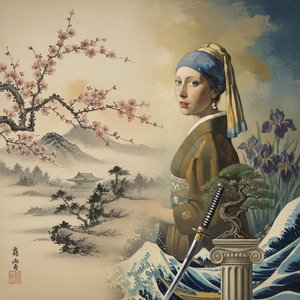
Zen & Elegance: How Japanese Artistry Transformed Global Masterpieces
Explore the profound influence of Japanese artistry on global masterpieces. From Ukiyo-e prints to Zen aesthetics, discover how Eastern elegance transformed Western art history in this deep cultural reflection for fine art enthusiasts and collectors.
