

 Náhled v interiéru
 Sdílet
 Sdílet
 Podrobnosti o díle
 Průvodce

 Stáhnout
 Podobné položky
 Rentgenové snímky
 Slideshow
 Statistiky
Bean Vine
 Japanese Traditional
 701
701 126.0cm x 48.0cm
 Zobrazit více
Ručně malovaná olejová reprodukce
Rukou malované olejné plátno v libovolném rozměru i s rámem, vyrobené našimi umělci na zakázku. ( Přepnout na tisk Přepnout na digitální obraz)




































Vyberte si z našich přednastavených velikostí, které odpovídají původním proporcím díla.

Zadejte šířku a výšku, které potřebujete pro váš rám nebo stěnu. Protože se jedná o ruční malbu, při výběru jiného formátu může umělec kolem obrazu domalovat o něco více, nebo jej mírně oříznout — rozhodnete si vy. Před zahájením malby vám zašleme digitální náhled ke schválení. Obraz zobrazený na této stránce neodpovídá skutečnému výsledku — pouze digitální náhled jej zobrazuje.
Po přijetí objednávky vám tým OriginalUniqueArt.com zašle e-mail s pokyny a poskytne náhledovou verzi.
Celosvětová doprava () za 3–4 týdny namísto standardních 5 týdnů. (26 říjen). Bez kompromisů v kvalitě.

Zdarma celosvětová expresní doprava

Vysoce kvalitní lněné plátno

Kompletní pojištění přepravy

Záruka vrácení celního poplatku

Záruka věrného barevného souladu

100dení lhůta pro vrácení zboží (pouze při vadách výroby)

100% záruka vrácení peněz

Sleva při více objednávkách
 Skleněná varianta je dostupná pouze u rozměrů menších než 110 cm

Bean Vine
Technika reprodukce
Rozměry reprodukce
-


Celková cena za vybrané možnosti reprodukcí
Kč 6415
Otázky a odpovědi
Kde mohu najít statistiky k dílu „Bean Vine“ od Itō Jakuchū?
Pro dílo „Bean Vine“ je k dispozici stránka Statistiky. Zobrazuje měsíční počet návštěv tohoto díla i dalších děl daného umělce s rozpadem podle zemí a jazyků.
V jaké orientaci je dílo „Bean Vine“ od Itō Jakuchū?
„Bean Vine“ od Itō Jakuchū je Portrait kompozice. Před výběrem velikosti tisku je vhodné si zkontrolovat její poměry stran.
Jakou luminanci má dílo „Bean Vine“ od Itō Jakuchū?
Luminance zaznamenaná pro dílo „Bean Vine“ od Itō Jakuchū je Bright Balance.
Biografie umělce
Vize kyotského obchodníka: Svět Itō Jakuchů
Narodila se v roce 1716 uprostřed rušné čtvrti tržnice Nishiki v Kyotu a Itō Jakuchū se vyvinul jako jeden z nejoriginálnějších a nejpoutavějších japonských umělců. Na rozdíl od mnoha svých současníků, kteří následovali zavedené umělecké linie, byl Jakuchův životní směr jedinečně formován prosperující obchodní historií jeho rodiny a hlubokým osobním poutem k filosofii zen buddhismu. Jeho otec, Itō Genzaemon, byl úspěšný obchodník se zbožím, což mladému Jakuchů poskytlo pohodlné výchovné prostředí, které mu umožnilo již od raného věku věnovat se svému rostoucímu talentu pro malířství. Toto komerční prostředí však v něm také vštíplo povědomí o společenských změnách a rostoucím vlivu kyotské obchodní třídy – perspektivu, která by jeho uměleckou vizi nenápadně ovlivnila. Přestože se od něj očekávalo, že nakonec převezme rodinné podnikání, Jakuchova vášeň ležela jinde, směřovala k zachycení podstaty života pomocí štětce a inkoustu. Po smrti otce, kdy mu bylo 23 let, Jakuchu krátce vedl obchod, než jej svěřil svému bratrovi a konečně se plně zasvětil uměleckému hledání.Odtržení se od tradice: Styl a námět
Umělecký styl Itō Jakuchů představuje fascinující směs pečlivého realismu a hravého experimentování. Ačkoliv byl hluboce zakořeněn v tradičních japonských quitech – zejména ve vtácích, květinách a krajinách – vdechl svému dílu inovativního ducha, který jej odlišoval od mnoha jeho současníků. Získal si význam alongside Maruyamy Ōkyō díky svým realistickým ztvárněním, přesto se Jakuchu vymkl pouhému napodobování přírody. Jeho malby jsou charakteristické živými barvami, dynamickými kompozicemi a ochotou zpochybnit konvenční perspektivy. Kuřata se zejména stala v jeho díle opakujícím se motivem, povýšeným z prostých hospodářských zvířat na předměty hodné hlubokého uměleckého zkoumání. Nemaloval pouze to, *co* viděl, ale spíše prozkumával vrozenou vitalitu a charakter každého tvora. Kromě ptactva jeho dílo často odráží témata zen buddhismu – kontemplativní klid, uznání pomíjivosti a úctu k přírodnímu světu. Jeho slavná Fazole, například, není pouhou botanickou studií, ale meditací o růstu, rozkladu a vzájemné propojenosti všech věcí. Jeho mistrovské polychromické ztvárnění – *doshoku sai-e* – jsou obzvláště oslavovány pro neuvěřitelnou pozornost k detailu a živou paletu, která byla v japonském malířství té doby vzácná.Vliv zen a umělecký rozvoj
Vliv zen buddhismu na Jakuchovo umění je nezpochybnitelný. Stal se laikem (*koji*) v kyotské chrámu Shōkoku-ji, kde se ponořil do principů zen, které zdůrazňovaly přímou zkušenost, intuici a hledání osvícení prostřednictím kontemplace. Toto duchovní zakotvení hluboce formovalo jeho umělecký přístup, podporující pocit odpojení od světských zájmů a neochvějnou soustředěnost na zachycení podstaty svých témat. Říká se dokonce, že získal speciální povolení studovat klasické čínské malby v sbírkách chrámu, čímž vstřebával staletí umělecké tradice a zároveň si budoval svou vlastní jedinečnou cestu. Ačkoliv Jakuchu zpočátku studoval u Ōoka Shunboku, umělce školy Kano specializujícího se na malbu ptáků a květin, rychle překonal konvenční trénink a vyvinul idiosynkratický styl, který se nedal snadno kategorizovat. Jeho ochota porušovat zavedené normy jej sjednotila s „Lineážou excentriků“ – hnutím zdůrazněným v nepřekonatelném díle Nobua Tsujiho *Kisō no Keifu* (Lineáž Excentriků). Tato práce prosazovala umělce, kteří vyzývali umělecké konvence, čímž upevnila Jakuchův význam jako klíčové postavy v historii japonského umění.Odkaz a znovuobjevení
Navzdory svému talentu a oddanosti zůstal Itō Jakuchu za svého života relativně neznámý. Teprve v 20. století začalo jeho dílo získávat široké uznání, což je zásadně díky odborné práci Tsujiho, která revolučně změnila vnímání malířství období Edo. Tsujiho zastánství Jakuchů jako klíčové postavy v rámci „Lineáže exlemů“ vyvolalo obnovený zájem o jeho umění a ugruntovalo jeho postavení jednoho z nejdůležitějších a nejinovativnějších japonských malířů. Jeho vliv lze vidět i v rozvoji Ukiyo-e, populárního žánru dřevořezů, což dokazuje širší dopad na japonskou uměleckou kulturu. Jakuchova ochota experimentovat s perspektivou, barvou a tématem připravila cestu budoucím generacím umělců k narušování konvencí a zkoumání nových tvůrcích možností. Biografie napsaná zenovým mnichem Daiten Kenjo v roce 1766 nabízí cenný pohled do Jakuchovy umělecké filosofie, odhalující jeho záměrné vyhýbání se lidským postavám – volbu, která podtrhuje jeho soustředění na přírodní svět a jeho vrozenou krásu. Dnes je Itō Jakuchū oslavován nejen pro svou technickou zdatnost, ale také pro svou jedinečnou vizi, což je důkazem trvající síly umělce, který se odvážil vybudovat si vlastní cestu a zachytit ducha své doby s bezprecedentní originalitou.Významná díla
- Pět set arhatů: Monumentální dílo prokazující Jakuchův mimořádný talent a oddanost.
- Hanshan a Shide (Kanzan a Jittoku): Demonstruje jeho schopnost zachytit podstatu japonské kultury a folklóru.
- Krabi a pivoňky: Quintetální příklad jeho charakteristického stylu, spojující precizní detail s živou barvou.
- Fazole: Mistrovské dílo sumi-e ztělesňující zenovou filosofii a ukazující složité detaily.
- Dva čápi: Představuje jeho uměleckou vynikavost v zachycování ptáků s elegancí a přesností.
- Stará borovice: Úchvatné dílo demonstrující jeho mistrovskou práci štětcem (101 x 40 cm, hedvábí).

Itō Jakuchū
1716 - 1800 , Japonsko
Rychlé informace o umělci
- Artistic Movement Or Style: Kano škola
- Artists Or Movements Influenced By This Artist: ['Lineage of Eccentrics']
- Artists Who Influenced This Artist: ['Ōoka Shunboku']
- Date Of Birth: 2. března 1716
- Date Of Death: 27. října 1800
- Full Name: Itō Jakuchū
- Nationality: Japonský
- Notable Artworks:
- Pět set arhatů
- Hanšan a Šidé
- Place Of Birth: Kyoto, Japonsko
Související články

Ephemeral Expressions: Exploring the Nuances of Ink on Paper Through History & Contemporary Art
Explore the captivating world of ink wash painting – from its ancient origins to contemporary masters. Discover techniques, symbolism & conservation insights with OriginalUniqueArt.com.

Katsushika Hokusai: 25 mistrovských děl japonského umění pro váš interiér | OriginalUniqueArt.com
Prozkoumejte 25 ikonických děl japonského mistra Katsushiky Hokusaiho! Objevte příběhy za Velkou vlnou, 36 pohledů na horu Fuji a další ukiyo-e tisků. Kvalitní reprodukce obrazů pro váš interiér na OriginalUniqueArt.com.
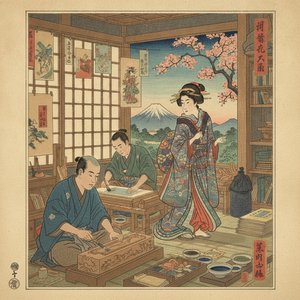
Floating World: The Captivating Art and Legacy of Japanese Ukiyo-e
Explore the profound beauty of Japanese Ukiyo-e. Discover the history, masters like Hokusai, and the enduring legacy of the 'Floating World' through an expert art-historical lens.
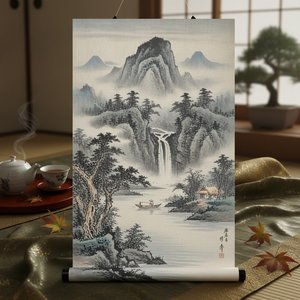
Serenity on Canvas: A Guide to the Timeless Beauty of Japanese Landscape Painting
Discover the serene beauty of Japanese landscape painting. From Hokusai's iconic woodblock prints to meditative sumi-e ink washes, explore a visual journey through the 'floating world' and learn how to bring this timeless Zen aesthetic into your modern home decor.
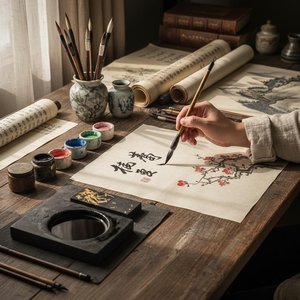
The Alchemy of Ink: Mastering the Timeless Beauty and Art History of Paper and Brush
Embark on a sophisticated exploration of ink wash painting and Sumi-e. Uncover the profound historical lineages, Zen philosophies, and technical mastery behind this timeless medium in our authoritative guide for fine art enthusiasts.
