
 Náhled
 Sdílet
 Sdílet
 Podrobnosti o díle

 Stáhnout
 Podobné položky
 Rentgenové snímky
 Slideshow
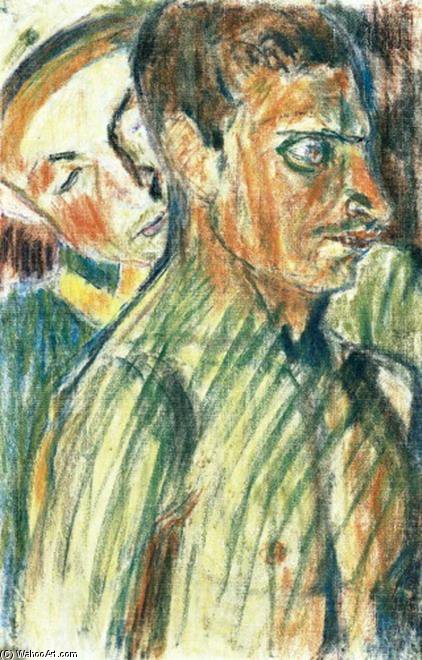
In A Surgery
 Zobrazit více
Koupě vysoce rozlišeného, vylepšeného digitálního obrazu, který je mnohem kvalitnější než online náhled.
Každý soubor je pečlivě připraven našimi odborníky pomocí pokročilých nástrojů a expertní manuální retuše. Zajišťujeme, aby každý obraz disponoval výjimečnou ostrostí, přesnou barevnou věrností a jemnými detaily.
Finální soubor vám bude do 72 hodin zaslán e-mailem, optimalizovaný pro okamžité použití v profesionálním, redakčním i tiskovém prostředí. Nabízíme stejnou kvalitu, které důvěřují špičková designová studia, nakladatelství i galerie.
Digitální obrazy
Stáhněte si soubor ve vysokém rozlišení pro osobní prohlížení, tisk a kreativní projekty. ( Přepnout na tisk Přepnout na ručně malovanou reprodukci)
Součást každé objednávky digitálního obrazu
Profesionální digitální doručení, zaručeno.
Když si vyberete OriginalUniqueArt.com, nezískáváte pouze obrázek – získáváte digitální umělecké dílo s profesionálně vylepšenými detaily, zpracované s precizností a podpořené zárukou za spokojenost. Zde je vše, co vaše objednávka automaticky obsahuje:

Rychlé doručení e-mailem
Váš digitální obraz ve vysokém rozlišení vám bude zaslán e-mailem do 72 hodin od objednávky – připraven k okamžitému použití.

Digitální soubor s využitím AI
Vaše umělecké dílo je profesionálně optimalizováno pomocí pokročilých nástrojů umělé inteligence a manuální úpravy, což zajišťuje maximální úroveň detailu, ostrosti a přesnosti barev.

Bezplatné doživotní znovuodeslání
Soubor jste omylem smazali nebo ztratili? Žádný problém – kdykoliv vám ho znovu zašleme zcela zdarma.

Bez poplatků za dovoz – navždy
Užijte si své umělecké dílo okamžitě bez celních poplatků, daní nebo nákladů na dopravu – digitální stažení je vždy bez daňových povinností.

Záruka přesnosti barev
Pomocí profesionálních nástrojů a správy barev zajišťujeme, aby váš digitální obraz odrážel původní barvy co nejvěrněji.

60denní záruka spokojenosti
Pokud nebudete s digitální fotografií spokojeni, provedeme její revizi nebo vám vrátíme 100% během 60 dnů – bez jakýchkoliv dotazů.

100% záruka vrácení peněz
Nespokojeni? Získejte plnou částku zpět do 60 dní od přijetí vašeho digitálního souboru – bez jakýchkoliv dotazů.

Slevy při hromadných objednávkách
Koupěte si 3 obrazy, ušetřete 10% - Koupěte si 5, ušetřete 15% - Koupěte si 10+, ušetřete 20%. Ideální pro kreativní projekty, galerie a agentury.
Biografie umělce
The Soul of the Hungarian Landscape: The Life and Art of István Nagy
István Nagy (1873–1937) remains a profound voice in the tapestry of Hungarian art, a painter whose brush captured not merely the physical contours of the land, but the very psychological atmosphere of an era caught between tradition and modernity. Born into a landowning family in Csikmindszenc, within the rugged beauty of Harghita County, Nagy’s destiny was shaped by the landscapes that surrounded him. Though his lineage suggested a life of agricultural stewardship, he found his true calling through the charcoal sticks and pigments of a burgeoning artist. His early years in Kolozsvár, where he studied at the teacher training college, provided the foundational discipline that would later allow him to translate the fleeting light of Transylvania into enduring oil paintings. The trajectory of Nagy’s career was marked by an ambitious pursuit of excellence across Europe’s most prestigious art centers. Encouraged by the mentor Gusztáv Kelety, he traveled to Budapest to study under the academic master Bertalan Székely. This classical foundation was soon enriched by the atmospheric influences of Munich, where he studied with Franz von Lenbach, and later by the luminous, experimental spirit of Paris at the Académie Julian. It was in these cosmopolitan crucibles that Nagy began to synthesize a personal language—one that respected the structural integrity of academic tradition while embracing the emotive, broken brushwork of Impressionism and the haunting depths of Symbolism.Shadows of War and the Weight of Experience
The onset of World War I served as a transformative, albeit harrowing, catalyst for Nagy’s creative evolution. Serving on the Transylvanian and Galician fronts, he was thrust into the grim realities of combat, an experience that stripped away much of the pastoral serenity found in his earlier works. The landscapes of his youth were replaced by a starker, more visceral documentation of human suffering. During this period, Nagy produced a series of poignant portraits that are widely regarded as some of his most emotionally resonant achievements. These works do not merely depict faces; they capture the hollowed eyes and psychological exhaustion of soldiers, imbuing his canvases with a palpable sense of disillusionment and sorrow that echoed the collective trauma of a continent. Following the devastation of the war, Nagy’s focus shifted back toward the earth, yet he returned to it with a changed perspective. In 1919, his return to Budapest led to a period of profound exploration alongside József Koszta. Together, they traversed the Great Hungarian Plain, meticulously recording the vast, sweeping vistas of the Hungarian heartland. This era of his work demonstrated a remarkable ability to blend the serene beauty of nature with an underlying tension, often utilizing thick impasto and a more structured, almost Expressionist approach to form. His later works, such as the evocative Fences, utilize geometric shadows and cool, somber palettes to evoke a sense of profound solitude and the quiet dignity of the landscape.A Legacy Written in Light and Earth
The significance of István Nagy lies in his ability to bridge the gap between the academic past and the modernist future. He was an artist who could find the sublime in a simple Romanian village or the tragic in a soldier's gaze. His recognition grew steadily, bolstered by the praise of literary giants like Dezső Kosztolányi and the support of patrons who recognized his unique ability to capture the "spirit of place." Even as his health declined in his final years in Baja, the impact of his vision remained undiminished. Today, the works of István Nagy serve as vital historical and aesthetic documents. His oeuvre offers a window into:- The Transylvanian Essence: A vibrant, impressionistic record of Romanian landscapes and village life.
- The Human Cost of Conflict: Hauntingly beautiful portraits that document the psychological landscape of World War I.
- Modernist Transition: The evolution from classical academicism to the expressive, textured techniques of early 20th-century European art.

István Nagy
1873 - 1937 , Romania
Stručné informace
- Artistic Movement Or Style: Landscape Painting & Figure Painting
- Artists Or Movements Influenced By This Artist:
- Symbolism
- Fauvism
- Artists Who Influenced This Artist:
- Bertalan Székely
- Franz von Lenbach
- Date Of Birth: 1873
- Date Of Death: 1937
- Full Name: István Nagy
- Nationality: Hungarian
- Notable Artworks:
- Girl with yellow scarf
- Snowy Rooftops
- Wounded Soldier
- Place Of Birth: Csikmindszent, Romania

