

 Zobrazit v interiéru
 Odeslat
 Sdílet
 Podrobnosti
 Průvodce

 Stáhnout obrázek
 Podobné kousky
 Rentgenové snímky
 Slideshow
 Statistiky
Rubber Plant 3
 Acrylic On Canvas
- WallArt
- Group f/64
 1929
1929 50.0 x 40.0 cm
 Dulwich Picture Gallery
 Přečíst si více
Zakupte si digitální obraz ve vysokém rozlišení a vylepšeném provedení, který nabízí mnohem vyšší kvalitu než online náhled.
Každý soubor je pečlivě připraven našimi specialisty s využitím pokročilých nástrojů a odborné manuální retuše. Zajišťujeme, aby každý obraz disponoval výjimečnou ostrostí, přesnou barevnou věrností a jemnými detaily.
Finální soubor vám bude do 72 hodin zaslán e-mailem, optimalizovaný pro okamžité použití v profesionálním, redakčním i tiskovém prostředí. Nabízíme stejnou kvalitu, které důvěřují špičková designová studia, nakladatelství i galerie.
Digitální obrazy
Stáhněte si soubor ve vysokém rozlišení pro osobní prohlížení, tisk a kreativní projekty. ( Přepnout na tiskové verze Objednat ručně malovanou reprodukci)
Součást každé objednávky digitálního obrazu
Exponenciální digitální doručení, zaručené
Když si vyberete OriginalUniqueArt.com, nezískáváte pouze obrázek – získáváte digitální umělecké dílo s profesionálně vylepšenými detaily, zpracované s precizností a podpořené zárukou za spokojenost. Zde je vše, co vaše objednávka automaticky obsahuje:

Bleskové doručení e-mailem
Váš digitální obraz ve vysokém rozlišení vám bude zaslán e-mailem do 72 hodin od objednávky – připraven k okamžitému použití.

Digitální soubor s podporou AI
Vaše umělecké dílo je profesionálně optimalizováno pomocí pokročilých nástrojů umělé inteligence a manuální úpravy, což zajišťuje maximální úroveň detailu, ostrosti a přesnosti barev.

Doživotní bezplatné znovuodeslání
Soubor jste omylem smazali nebo ztratili? Žádný problém – kdykoliv vám ho znovu zašleme zcela zdarma.

Bez poplatků za dovoz – navždy
Užijte si své umělecké dílo okamžitě bez celních poplatků, daní nebo nákladů na dopravu – digitální stažení je vždy bez daňových povinností.

Záruka přesnosti barev
Díky profesionálním nástrojům a správě barev zajišťujeme, aby váš digitální obraz odrážel původní barvy co nejvěrněji.

100dená záruka spokojenosti
Pokud nebudete s digitálním obrázkem spokojeni, provedeme jeho revizi nebo vám vrátíme 100% platby do 100 dnů – bez jakýchkoliv dotazů.

100% záruka vrácení peněz
Nespokojeni? Získejte plnou náhradu peněz do 100 dnů od obdržení digitálního souboru – bez zbytečných dotazů.

Slevy při hromadných objednávkách
Při koupi 3 obrazů ušetříte 10% – Při koupi 5 obrazů ušetříte 15% – Při koupi 10+ obrazů ušetříte 20%. Ideální pro kreativní projekty, galerie a agentury.
Imogen Cunningham’s Botanical Reverie: “Rubber Plant 3”
The photograph "Rubber Plant 3," created by Imogen Cunningham in 1929, stands as a testament to the artist's unwavering dedication to capturing the quiet beauty of the natural world—a cornerstone of Group f/64’s ethos. More than just an image of a plant bud unfolding, it embodies Cunningham’s masterful manipulation of light and form, resulting in a piece that transcends mere documentation and delves into profound contemplation. This striking composition isn't merely aesthetically pleasing; it represents a deliberate choice to elevate the commonplace to the extraordinary through meticulous observation and artistic sensitivity.- Subject Matter: Cunningham’s focus is singularly botanical—specifically, the delicate blossom bud of a rubber plant. She eschewed grand landscapes or portraits for this intimate study, prioritizing the subtle intricacies of organic life.
- Style & Technique: Employing Group f/64's signature technique of using a medium format camera and employing a shallow depth of field, Cunningham achieved remarkable clarity and textural detail. The resulting image leans toward realism but is imbued with an artistic treatment through selective lighting—a dramatic chiaroscuro that emphasizes the plant’s sculptural qualities against a velvety dark background.
- Historical Context: Created during the burgeoning modernist movement, “Rubber Plant 3” aligns perfectly with Group f/64's rejection of traditional photographic conventions. This group championed simplicity and directness, rejecting elaborate retouching and prioritizing honest representation of the subject matter. Cunningham’s work reflects a broader artistic impulse to distill beauty into its purest form.
- Symbolism & Emotion: The photograph evokes feelings of serene stillness and quiet appreciation for nature's rhythms—a deliberate response to the anxieties of the era. The unfolding bud symbolizes potential, growth, and transformation—themes central to Cunningham’s broader artistic vision.
Compositional Mastery: Light and Shadow as Narrative Tools
Cunningham’s compositional choices are crucial to conveying the artwork's emotional resonance. Primarily vertical in orientation, the photograph draws the viewer upwards along the curve of the blossoming bloom, creating a sense of upward movement and aspiration. The shallow depth of field concentrates attention on the flower itself—a deliberate tactic that isolates it from its surroundings and amplifies its visual impact. Equally important is the masterful use of negative space; the dark background serves as an active element, enhancing the luminosity of the foreground and contributing to the overall feeling of elegance and restraint.Material & Craftsmanship: A Legacy of Photographic Precision
Printed on archival photographic paper using traditional darkroom techniques—a method favored by Cunningham and her contemporaries—the print demonstrates unwavering commitment to preserving the artwork's integrity over time. The glossy surface captures subtle textures within the plant’s leaves and petals, adding depth and visual interest. Furthermore, the photograph is mounted on a thin board mount, ensuring stability and protecting it from environmental degradation. This meticulous attention to detail underscores Cunningham’s belief in honoring the inherent beauty of her subject matter through skillful execution.A Timeless Reflection: “Rubber Plant 3” Today
“Rubber Plant 3” continues to captivate viewers with its understated grandeur and profound connection to the natural world. Its enduring appeal speaks to a universal desire for contemplation and appreciation—qualities that resonate powerfully in our contemporary context. As a masterful exemplar of Group f/64’s aesthetic principles, it serves as an inspiring reminder that beauty can be found in simplicity and that artistic vision transcends temporal boundaries.Otázky a odpovědi
Patří „Rubber Plant 3“ od Imogen Cunningham mezi vyhledávaná díla směru Group f/64?
Dílo "Rubber Plant 3" je v katalogu hodnoceno jako Iconic mezi díly z období Group f/64.
Jaká témata se objevují v díle „Rubber Plant 3“ od Imogen Cunningham?
Motivy díla „Rubber Plant 3“ jsou botanical study, floral detail, plant formality, black and white art, natural beauty, contrasting light, abstract shape.
Jakým způsobem se motiv díla „Rubber Plant 3“ vztahuje k obvyklým tématům umělce Imogen Cunningham?
Mezi opakující se témata umělce Imogen Cunningham patří botanical realism, group f/64 clarity, early 20th century, nature's beauty", precision & detail, sharp detail emphasis, american modernism; dílo „Rubber Plant 3“ se zaměřuje na botanical study, floral detail, plant formality, black and white art, natural beauty, contrasting light, abstract shape.
Biografie umělce
Raný život a umělecké probuzení
Imogen Cunningham, průkopnická síla americké fotografie, se narodila 12. dubna 1883 v Portlandu v Oregonu v početné desetičlenné rodině. Její rané roky, poznamenané přestěhováním do Seattlu v roce 1889, v ní vychovaly nezávislého ducha a bystrý pozorovatelský zrak. Ačkoliv formální výtvarné vzdělání nebylo v jejím dospívání prioritou, Cunningham si lekce vyhledávala samostatně, čímž již od útlého věku projevovala vrozenou uměleckou náklonnost. Zlomový okamžik nastal v roce 1901, kdy si ve čtrnácti letech pořídila svůj první fotoaparát – 4x5ichinovou výhledovou kameru zakoupenou poštou. Tento nákup odstartoval celoživotní vášeň a vedl k vytvoření tmavárny v rodinné dřevěné kolize, prostoru, kde začala zkoumat mladý umělecký žánr, který jí definoval celou kariéru. Její akademické působení na University of Washington, zakončené v roce 1907 titulem v chemii s tezí zaměřenou na fotografické procesy, odhaluje rané pochopení vědeckých základů zvoleného média. Tato kombinace umělecké citlivosti a technických znalostí se stala jejím podpisem. Hluboké setkání s fotografiemi Gertrude Käsebier bylo pro ni mimořádně významné a upevnilo Cunninghamino odhodlání věnovat se fotografii jako něčemu mnohem víc než jen koníčku.Od piktorialismu k modernistické vizi
První kroky Imogen Cunningham do světa profesionální fotografie zahrnovaly učňovství u Edwarda S. Curtise v Seattlu, kde si zdokonalovala své schopnosti v portrétní fotografii a osvojila si náročnou techniku platinového tisku při práci na jeho monumentálním projektu dokumentujícím kulturu původních obyvatel Ameriky. Následně si založila vlastní studio, v němž zpočátku přijala tehdejší převládající piktorialistickou estetiku – styl charakterizovaný měkkým ostrostí, aranžovanými kompozicí a snahou emulovat malířství. Její práce v tomto období získávala uznání kritiků, ale umělecká dráha Cunninghamové byla daleko od ustálené. Období studií v německém Drážďanech pod vedením profesora Roberta Luthera v roce 1909 dále zdokonalilo její technickou expertízu, zejména v oblasti fotografické chemie. Přesto právě následující desetiletí přinesla dramatický posun v jejím přístupu. Sňatek s Roi Partridgem v roce 1915 a výchova tří dětí se shodovaly s přestěhováním do San Francisca v roce 1920, což znamenalo zlom v jejím osobním i uměleckém životě. Zatímco pokračovala v portrétní tvorbě, Cunningham začala objevovat botanickou fotografii, fascinovaná drobnými detaily květin a rostlin. Tato fascinace se vyvinula v průzkum průmyslových krajin, kde dokumentovala továrny a městské scény s rostoucím důrazem na ostrý fokus a neupravené obrazy. Definující okamžik nastal v 30. letech jejím spojením se skupinou f/64 – po boku legend jako Ansel Adams a Edward Weston – kolektivem zasvěceným „čisté fotografii“, která upřednostňovala jasnost, přesnost a odmítala piktorialistickou manipulaci.Odkaz rozmanitých témat a technické mistrovství
Během své dlouhé a plodné kariéry Imogen Cunningham projevila neuvěřitelnou všestrannost a dokázala plynule přecházet mezi různými tématy při zachování věrnosti technické dokonalosti. Vrátila se k portrétní fotografii, když slavně fotografovala ruce umělců a hudebníků – zachycovala nejen podobu, ale skrze gesta a tvary odhalovala i charakter. Její práce pro časopis *Vanity Fair* jí umožnila zobrazovat celebrity bez jakékoli umělosti, v jejich přirozeném stavu. Nicméně právě její botanické studie snad nejvíce ugruntovaly její pověst mistrovské fotografky. Obrazy jako „Rubber Plant 3“ (1929) a „Money Plant“ (1956) jsou ikonickými příklady její schopnosti proměnit obyčejné předměty v mimořádná umělecká díla, které odhalují vrozenou krásu a komplexnost přírody prostřednictvím precizních detailů a dramatického světla. Styl Cunninghamové byl charakteristický mistrovským ovládáním světla a stínu, bystrým okem pro kompozici a neochvějným důrazem na ostrost a čistotu obrazu. Ona nezáznamenávala jen to, co viděla; ona to interpretovala, vdechovala svým fotografiím emocionální rezonanci a intelektuální hloubku.Historický význam a trvalý vliv
Přínos Imogen Cunninghamové pro americkou fotografii je nesmírný a dalekosáhlý. Jako skutečná inovátorka se dokázala pohybovat v proměnlivém prostředí tohoto média a přijmout jak umělecké ambice piktorialismu, tak modernistické principy čisté fotografie. Její práce zpochybňovala konvenční pojmy krásy a rozšířila hranice fotografické výraznosti. Zřízení Imogen Cunningham Trust v roce 1975 podtrhlo její snahu uchovat a propagovat svůj odkaz pro budoucí generace. Přestože zemřela v roce 1976, její vliv v dnešní fotografii stále rezonuje. Stojí jako důkaz síly umělecké vize, technických dovedností a neúprosných odhodláním – průkopnická postava, která pomohla utvářet vývoj fotografického umění a zanechala nezmazatelnou stopu v historii vizuální kultury. Její schopnost nacházet krásu v každodennosti a odhalovat mimořádno v tom obyčejném zůstává zdrojem inspirace pro umělce i diváky stejně. Práce Cunninghamové není pouze o tom, co fotografovala; je o tom, jak viděla svět.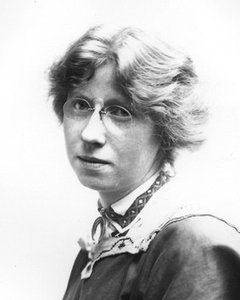
Imogen Cunningham
1883 - 1976
Rychlé informace
- Artistic Movement Or Style: Piktorialismus, Modernismus
- Artists Or Movements Influenced By This Artist: ['Skupina f/64']
- Artists Who Influenced This Artist: ['Gertrude Käsebier']
- Date Of Birth: 12. dubna 1883
- Date Of Death: 1976
- Full Name: Imogen Cunningham
- Nationality: Američanka
- Notable Artworks:
- Autoportrét
- Penízek (Money Plant)
- Ficus elastica 3
- Place Of Birth: Portland, USA