
 Náhled
 Sdílet
 Sdílet
 Podrobnosti o díle

 Stáhnout
 Podobné položky
 Rentgenové snímky
 Slideshow
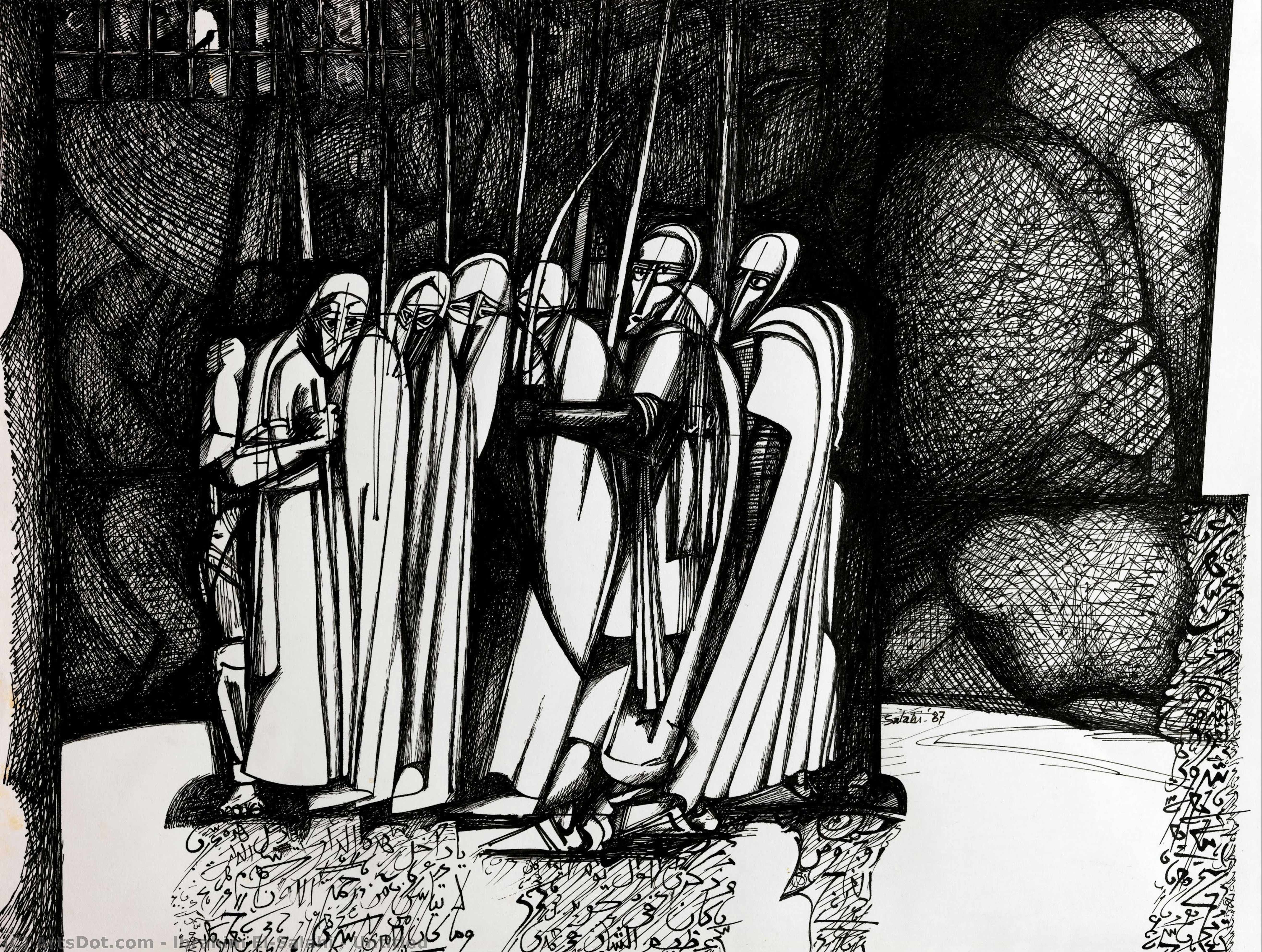
Untitled
 1987
1987 45.0 x 34.0 cm
 Mathaf: Arabské muzeum moderního umění
 Zobrazit více
Koupě vysoce rozlišeného, vylepšeného digitálního obrazu, který je mnohem kvalitnější než online náhled.
Každý soubor je pečlivě připraven našimi odborníky pomocí pokročilých nástrojů a expertní manuální retuše. Zajišťujeme, aby každý obraz disponoval výjimečnou ostrostí, přesnou barevnou věrností a jemnými detaily.
Finální soubor vám bude do 72 hodin zaslán e-mailem, optimalizovaný pro okamžité použití v profesionálním, redakčním i tiskovém prostředí. Nabízíme stejnou kvalitu, které důvěřují špičková designová studia, nakladatelství i galerie.
Digitální obrazy
Stáhněte si soubor ve vysokém rozlišení pro osobní prohlížení, tisk a kreativní projekty. ( Koupit tisk Koupit ručně malovaný obraz)
Součást každé objednávky digitálního obrazu
Profesionální digitální doručení, zaručeno.
Když si vyberete OriginalUniqueArt.com, nezískáváte pouze obrázek – získáváte digitální umělecké dílo s profesionálně vylepšenými detaily, zpracované s precizností a podpořené zárukou za spokojenost. Zde je vše, co vaše objednávka automaticky obsahuje:

Rychlé doručení e-mailem
Váš digitální obraz ve vysokém rozlišení vám bude zaslán e-mailem do 72 hodin od objednávky – připraven k okamžitému použití.

Digitální soubor s využitím AI
Vaše umělecké dílo je profesionálně optimalizováno pomocí pokročilých nástrojů umělé inteligence a manuální úpravy, což zajišťuje maximální úroveň detailu, ostrosti a přesnosti barev.

Bezplatné doživotní znovuodeslání
Soubor jste omylem smazali nebo ztratili? Žádný problém – kdykoliv vám ho znovu zašleme zcela zdarma.

Bez poplatků za dovoz – navždy
Užijte si své umělecké dílo okamžitě bez celních poplatků, daní nebo nákladů na dopravu – digitální stažení je vždy bez daňových povinností.

Záruka přesnosti barev
Pomocí profesionálních nástrojů a správy barev zajišťujeme, aby váš digitální obraz odrážel původní barvy co nejvěrněji.

60denní záruka spokojenosti
Pokud nebudete s digitální fotografií spokojeni, provedeme její revizi nebo vám vrátíme 100% během 60 dnů – bez jakýchkoliv dotazů.

100% záruka vrácení peněz
Nespokojeni? Získejte plnou částku zpět do 60 dní od přijetí vašeho digitálního souboru – bez jakýchkoliv dotazů.

Slevy při hromadných objednávkách
Koupěte si 3 obrazy, ušetřete 10% - Koupěte si 5, ušetřete 15% - Koupěte si 10+, ušetřete 20%. Ideální pro kreativní projekty, galerie a agentury.
Biografie umělce
The Visionary of the Khartoum School
Born in the historic city of Omdurman, Sudan, on September 5, 1930, Ibrahim El-Salahi stands as a monumental figure in the landscape of global modernism. His life and work represent a profound intersection of cultural heritage and avant-garde experimentation. As a central pillar of the Khartoum School, El-Salahi did not merely paint; he orchestrated a visual dialogue between the ancient rhythms of Islamic calligraphy and the radical abstractions of the twentieth century. His journey is one of deep intellectual synthesis, where the boundaries between the personal, the political, and the spiritual dissolve into a singular, flowing aesthetic.
El-Salahi’s early years were marked by an expansive curiosity that transcended borders. While his roots remained firmly planted in Sudanese soil, his artistic consciousness was shaped by a globalized perspective. During the 1950s, he began to absorb the transformative energies of various international movements, finding echoes of Pablo Picasso and Edgar Degas within his own developing language. This period of exploration was further enriched by his professional life as a public servant and diplomat. Traveling through diverse landscapes allowed him to witness the pulse of different cultures, an experience that would later manifest in his work as a sophisticated layering of motifs, textures, and symbols.
The Language of Hurufiyya and Abstraction
At the heart of El-Salahi’s contribution to art history is his mastery of the Hurufiyya movement. This revolutionary approach sought to reclaim the Arabic alphabet, not merely as a tool for literacy, but as a fundamental element of abstract composition. By deconstructing calligraphic forms, he moved beyond literal meaning to explore the raw, rhythmic power of the letterform itself. His canvases became battlegrounds of beautiful tension, where geometric precision met organic fluidity. This technique allowed him to participate in the broader African Modernism movement while maintaining a distinctively Pan-Arabic identity.
His stylistic evolution is characterized by a breathtaking use of bold colors and intricate, layered compositions. In his later works, one can observe a fascinating interplay of influences, where the structural lessons of Cubism meet a more meditative, almost spiritual abstraction. The artist possesses a unique ability to weave together disparate elements—traditional Sudanese motifs, cosmic symbols, and contemporary abstract shapes—into a cohesive visual tapestry. This synthesis creates a sense of "eternal time," where the past and the present exist simultaneously within the frame of a single painting.
Legacy and Global Recognition
The significance of Ibrahim El-Salahi’s oeuvre extends far beyond the borders of Sudan, reaching the most prestigious institutions in the world. His work has been celebrated in galleries and museums such as the Tate Modern and the Today Art Museum, cementing his status as one of the most important contemporary African artists of his generation. His ability to navigate the complexities of identity—balancing the local with the universal—has made him a vital voice in the discourse of post-colonial art.
Throughout his storied career, El-Salahi has achieved several milestones that define his enduring impact:
- Pioneering African Modernism: He played a decisive role in establishing a modern visual identity for Sudan and the wider continent.
- Mastery of Calligraphic Abstraction: His refinement of the Hurufiyya style provided a blueprint for integrating traditional script into contemporary fine art.
- Cultural Diplomacy through Art: Through his unique aesthetic, he bridged the gap between Islamic traditions and Western modernist movements.
- Global Artistic Influence: His works continue to inspire new generations of artists exploring the intersection of heritage and abstraction.
Today, the legacy of Ibrahim El-Salahi lives on through the profound emotional resonance of his paintings. Whether through the haunting beauty of "Deer in a Hat" or his more recent, complex abstractions, his work remains a testament to the power of art to transcend language, culture, and time.

ibrahim el-salahi
1930 - , Sudan
Stručné informace
- Artistic Movement Or Style: African Modernism, Hurufiyya movement
- Artists Who Influenced This Artist:
- Edgar Degas
- Pablo Picasso
- Date Of Birth: September 5, 1930
- Full Name: Ibrahim El-Salahi
- Nationality: Sudanese
- Notable Artworks: ['Deer in a hat']
- Place Of Birth: Omdurman, Sudan

