Romanticism · 1790
Painters (Hubert Robert, 1790)
Hubert Robert (1733–1808) vytvořil dílo Painters. Pochází z roku 1790. Patří k hnutí Romanticism. Je vyrobeno z Acrylic On Canvas. Nachází se v Státní Ermitáž v Sankt-Petěrburg, Rusko. Rozměry jsou 24 × 32 cm.
- 1790
- Acrylic On Canvas
- 24 × 32 cm
- Státní Ermitáž, Sankt-Petěrburg

 Náhled v interiéru

 Ručně malovaná olejná reprodukce
 Sdílet
 Sdílet
 Informační list


 Stáhnout
 Podobné položky
 Rentgenové snímky
 Slideshow
 Otázky a odpovědi

 Statistiky
Painters v kostce
- Název díla
- Painters
- Autor
- Hubert Robert (1733–1808)
- Rok narození umělce
- Paříž, Francie
- Datum vytvoření
- 1790
- Technika
- Acrylic On Canvas
- Rozměry
- 24 × 32 cm
- Kde jej vidět
- Státní Ermitáž, Sankt-Petěrburg, Rusko
- Pohyb
- Romanticism
- Motiv
- landscapes, ruins, figures, daytime, field, workers
Co przedstawuje dílo Painters?
Hubert Robert’s “Painters”: A Vision of Ruin and Remembrance
Hubert Robert's "Painters," painted in 1790, isn’t merely a depiction of laborers at work; it’s a carefully constructed meditation on labor, time, and the enduring power of memory. The scene unfolds within a rugged, almost theatrical landscape – a dramatic vista dominated by a towering rock formation, its weathered surface hinting at centuries of exposure to the elements. Two figures, rendered with a subtle realism that belies Robert's penchant for romanticized ruins, are engaged in the arduous task of carving stone. One, positioned atop the rock, directs the work with a commanding presence, while the other, lower down, meticulously shapes the material beneath him. The composition isn’t about capturing a specific moment; it’s about evoking a feeling – a sense of timelessness and the relentless passage of time, beautifully intertwined with the human effort to impose order upon nature.
Robert's style is distinctly rooted in the Neoclassical tradition, yet infused with the burgeoning Romantic sensibility that was beginning to challenge its rigid formality. He masterfully employs atmospheric perspective – the subtle blurring and darkening of distant elements – to create a profound sense of depth and space. The light, diffused and golden, washes over the scene, casting long shadows and highlighting the textures of the rock and the figures’ clothing. Notice how Robert utilizes loose brushstrokes, particularly in the depiction of the landscape, creating an impressionistic effect that anticipates later developments in art history. This deliberate softness contrasts with the sharper detail given to the men themselves, suggesting a focus on their individual struggles within the grand scheme of nature.
The Context of Labor and Ruin
To fully appreciate “Painters,” it’s crucial to understand Robert's artistic interests – particularly his fascination with ruins. Following the upheavals of the French Revolution, a renewed interest in antiquity and the past emerged, fueled by archaeological discoveries and a desire to reconnect with a perceived lost sense of order and stability. Robert, like many artists of his time, found inspiration in the decaying grandeur of Roman temples and medieval castles, transforming these remnants into evocative landscapes – ‘capriccios’ as he called them. These weren't simply artistic exercises; they were explorations of memory, loss, and the cyclical nature of history. The very act of painting ruins became a way to preserve a fading past, imbuing it with new life and meaning.
The figures depicted in “Painters” represent a specific segment of 18th-century French society – laborers engaged in essential but often overlooked work. Robert’s choice to portray them within such a dramatic landscape elevates their status, suggesting that even the most humble tasks are worthy of artistic attention. The scene subtly critiques the social hierarchies of the time, presenting these men not as mere workers, but as active participants in shaping the world around them. The rock formation itself can be interpreted as a symbol of enduring strength and resilience – a testament to the power of human labor against the forces of nature.
Symbolism and Emotional Resonance
Beyond its straightforward depiction of work, “Painters” is rich in symbolic meaning. The towering rock formation, with its weathered surface, represents the weight of history and the passage of time. The figures’ focused expressions convey a sense of dedication and perseverance, but also hint at the physical strain of their labor. Robert's use of color – predominantly earthy tones punctuated by flashes of gold – evokes feelings of warmth, nostalgia, and perhaps even melancholy. The overall effect is one of quiet contemplation, inviting the viewer to reflect on the relationship between humanity and nature, work and memory.
The inclusion of animals—a horse and a dog—adds another layer of complexity to the scene. Animals have long been associated with labor and service in art, symbolizing loyalty, strength, and connection to the natural world. Their presence reinforces the theme of human interaction with the environment, suggesting a harmonious coexistence – albeit one marked by hard work and enduring effort. “Painters” is not simply a landscape; it’s a carefully orchestrated tableau that speaks volumes about the values and anxieties of its time.
A Timeless Masterpiece: Reproduction Considerations
Reproductions of Hubert Robert's “Painters” offer a remarkable opportunity to bring this evocative artwork into your home or office. The meticulous detail captured by Robert’s brushstrokes, combined with his masterful use of light and shadow, translates beautifully to high-quality reproductions. When selecting a reproduction, pay close attention to the texture and color accuracy – features that are crucial for capturing the painting's atmospheric depth and emotional resonance. OriginalUniqueArt offers meticulously crafted hand-painted reproductions that faithfully recreate Robert’s original vision, ensuring that you experience the full impact of this timeless masterpiece.
Ve kterém muzeu se nachází Painters?
Státní Ermitáž
Sankt-Petěrburg, Rusko
Původy a historie Hermitáže Příběh Hermitáže začal v roce 1764. Jeho kořeny sahají až k významnému pořízení sbírky 225 obrazů od berlínského obchodníka Johanna Ernsta Gotzkowskyho. Právě Kateřina Veliká položila první kameny pod tuto sbírku a tím definitivně upevnila významné postavení muzea v ruském Petrogradě.


Vysokorozlišené fotografie díla Painters

Hubert Robert, Painters (1790), Státní Ermitáž. Veřejná doména
Odpovědi na otázky k dílu Painters
Kde mohu vidět originál díla „Painters“ od Hubert Robert?
Dílo „Painters“ od Hubert Robert je vystaveno v instituci Státní Ermitáž, Sankt-Petěrburg, Rusko. Uvedené muzeum se vztahuje k originálu, nikoliv k reprodukcím.
V jakém roce vzniklo dílo „Painters“ od Hubert Robert?
Dílo "Painters" pochází z roku 1790. Toto datum situuje dílo do období tvůrčí činnosti Hubert Robert i do jeho dobové kontextu.
Jakou techniku bylo použito pro dílo „Painters“ od Hubert Robert?
Hubert Robert pro dílo „Painters“ použil/a techniku Acrylic On Canvas. Tato technika definuje materiální podstatu originálního díla.
Jaké jsou rozměry originálu „Painters“?
Původní rozměry díla "Painters" jsou 24 x 32 cm. Původní rozměry slouží jako užitečný vodítko při výběru velikosti reprodukce.
Jaká témata se objevují v díle „Painters“ od Hubert Robert?
„Painters“ od Hubert Robert zobrazuje: landscapes, ruins, figures, daytime, field, workers, composition, xviii century.
Je dílo „Painters“ volné z autorských práv?
Dílo „Painters“ od Hubert Robert spadá do v rámci volného užití – autorská práva vypršela. Tento stav určuje pravidla pro reprodukci obrazu tohoto díla.
Kdo je autorem díla "Painters"?
Dílo "Painters" se připisuje autorovi Hubert Robert.
K kterému uměleckému směru patří „Painters“ od Hubert Robert?
„Painters“ je dílo z období Romanticism. Tento směr představuje uměleckou tradici, jejíž je dílo součástí.
Do které období tvorby Hubert Robert patří dílo „Painters“?
„Painters“ představuje období Mature Period umělce Hubert Robert.
O umělci, Hubert Robert
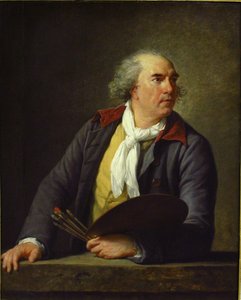
1733–1808, Francie
Hubert Robert
Raný život, rodina a umělecké vzdělání Hubert Robert se narodil v Paříži v roce 1733 a vstoupil do světa, kde bylo společenské postavení jeho rodiny úzce spjato se službou jiným. Jeho otec, Nicolas Robert, zastával místo v domácnosti významné osobnosti, což bylo spojení, které v budoucnu usnadnilo mladíkovi cestu skrze nejvyšší vrstvy francouzské společnosti. Tato raná stabilita poskytla základ pro formální vzdělání, které absolvoval v uspořádaném prostředí Collège de Navarre. Do roku 1751 dokončil své studia u jezuitů, čímž získal disciplinované intelektuální zázemí, než svou pozornost obrátil k výtvarnému umění.
Také od autora Hubert Robert
 The Pont du Gard1787
 The Finding of the Laocoön1773
 Le port de Ripetta
 PROJET D'AMENAGEMENT DE LA GRANDE GALERIE DU LOUVRE

Eseje k tématu Painters
 Top 10 impresionistických mistrovských děl, které změnily svět umění | OriginalUniqueArtProzkoumejte 10 ikonických děl impresionismu od Monet, Renoir a Van Gogha. Objevte příběhy za slavnými obrazy, techniky a inspiraci pro váš…
 Hubert Robert: Picturing Ruins, Preserving Memory – A Study of Romantic Antiquarianism & Artistic InnovationExplore the captivating world of Hubert Robert, master of Romantic landscape painting & 'capriccio' ruins. Discover his historical context,…
 Emotion vs. Observation: A Guide to Romanticism and RealismMaster the differences between Romanticism and Realism through expert analysis. Discover the art of emotion versus observation now.