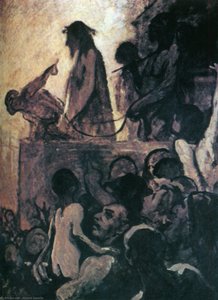
Náhled v interiéru
 Sdílet
 Sdílet
 Podrobnosti o díle
 Průvodce

 Stáhnout
 Podobné položky
 Rentgenové snímky
 Slideshow
 Statistiky
Charles Philipon
 Oil On Canvas
- WallArt
- Contemporary Realism
 1833
1833 16.0 x 13.0 cm
 Musée d'Orsay
 Zobrazit více
Ručně malovaná olejová reprodukce
Rukou malované olejné plátno v libovolném rozměru i s rámem, vyrobené našimi umělci na zakázku. ( Přepnout na tisk Přepnout na digitální obraz)




P118B Kč10

P118H Kč10

P118W Kč10

P438Z Kč10

P508JH Kč12

P508YH Kč12

P805H Kč10

P805Z Kč10

P919BZ Kč10

P919G Kč10

P919XJ Kč10

P959ZH Kč10

P968JZ Kč12

W106C Kč8

W218G Kč10

W218JH Kč8

W218Y Kč10

W307PJ Kč10

W316G Kč10

W316PJ Kč8

W316Y Kč10

W398PJ Kč8

W4111J Kč10

W500HY Kč15

W500JH Kč15

W692G Kč12

W849H Kč8

W940BG Kč15

W953PJ Kč8




Vyberte si z našich přednastavených velikostí, které odpovídají původním proporcím díla.

Zadejte šířku a výšku, které potřebujete pro váš rám nebo stěnu. Protože se jedná o ruční malbu, při výběru jiného formátu může umělec kolem obrazu domalovat o něco více, nebo jej mírně oříznout — rozhodnete si vy. Před zahájením malby vám zašleme digitální náhled ke schválení. Obraz zobrazený na této stránce neodpovídá skutečnému výsledku — pouze digitální náhled jej zobrazuje.
Po přijetí objednávky vám tým OriginalUniqueArt.com zašle e-mail s pokyny a poskytne náhledovou verzi.
Celosvětová doprava () za 3–4 týdny namísto standardních 5 týdnů. (28 říjen). Bez kompromisů v kvalitě.

Zdarma celosvětová expresní doprava

Vysoce kvalitní lněné plátno

Kompletní pojištění přepravy

Záruka vrácení celního poplatku

Záruka věrného barevného souladu

100dení lhůta pro vrácení zboží (pouze při vadách výroby)

100% záruka vrácení peněz

Sleva při více objednávkách
 Skleněná varianta je dostupná pouze u rozměrů menších než 110 cm

Charles Philipon
Technika reprodukce
Rozměry reprodukce
-


Celková cena za vybrané možnosti reprodukcí
Kč 6460
A Portrait of Parisian Satire: Honoré Daumier’s *Charles Philipon*
Honoré Daumier's 1833 painting, *Charles Philipon*, is more than just a portrait; it’s a meticulously crafted snapshot of mid-19th century Paris, imbued with the artist’s sharp social commentary and masterful technique. Measuring a modest 16 x 13 cm, this diminutive work commands attention through its remarkably detailed execution and the subtly unsettling expression captured on the subject's face. The painting resides within the Musée d'Orsay in Paris, a testament to Daumier’s enduring relevance as a key figure in French Realism.
The Subject: A Journalist of His Time
Charles Philipon himself was a significant figure – a journalist and director of the influential satirical magazines *Caricature* and *Charivari*. Daumier’s portrayal isn't simply a likeness; it’s an astute observation, likely intended to capture Philipon’s character and perhaps even subtly critique his role within the Parisian press. The inclusion of details like the collar – indicative of formal attire – adds another layer of historical context, grounding the portrait firmly in its time. Daumier's ability to blend realism with caricature is evident here; the exaggerated features invite a deeper consideration of Philipon’s personality and position.
Style and Technique: The Language of Texture
The painting’s aesthetic is defined by its muted color palette – predominantly earth tones – and a deliberately textured surface. This isn't accidental; Daumier employed a technique that builds up the paint in thick layers, creating a palpable sense of age and depth. The visible cracks and discoloration within the image aren't flaws but rather deliberate artistic choices, enhancing the impression of antiquity and adding to the painting’s overall dramatic effect. This approach aligns perfectly with the tenets of French Realism, prioritizing direct observation and honest representation over idealized beauty.
Symbolism and Emotional Impact
The subject's closed eyes and slightly open mouth evoke a sense of quiet contemplation or perhaps even veiled skepticism. This ambiguity is central to Daumier’s work – he rarely offers easy answers, instead prompting the viewer to engage with the complexities of human nature and social dynamics. The overall impression is one of restrained power, suggesting a man accustomed to navigating the currents of political discourse and public opinion. The artist's skill in conveying this subtle emotional state through purely visual means is remarkable.
A Reproduction for the Connoisseur
OriginalUniqueArt offers meticulously crafted oil painting reproductions of *Charles Philipon*, allowing art lovers to experience Daumier’s masterpiece firsthand. Each reproduction faithfully captures the original's nuanced details and textural qualities, ensuring that you can appreciate the full impact of this iconic work. These handmade reproductions are perfect for collectors seeking a unique piece of art history or for interior designers looking to add a touch of French Realism to their spaces.
Otázky a odpovědi
Je k dispozici vysokorozlišená verze ke stažení díla "Charles Philipon"?
Digitální kopii díla „Charles Philipon“ od Honoré Daumier si můžete objednat jako stažení digitálního obrazu ve vysokém rozlišení na jeho stránce Digitální snímek.
Jakou celkovou náladu vyzařuje „Charles Philipon“ od Honoré Daumier?
Dílo „Charles Philipon“ od Honoré Daumier je v náladě popsáno jako Nostalgic. Tato klasifikace může pomoci při zařazení díla do konkrétního prostředí.
Jaké barvy dominují dílu „Charles Philipon“ od Honoré Daumier?
Dílo „Charles Philipon“ od Honoré Daumier využívá paletu Neutrals, přičemž hlavní barvou je Rosy Brown (#afa27f).
Biografie umělce
A Life Etched in Satire: The World of Honoré Daumier
Honoré-Victorin Daumier, born in Marseille in 1808, was a figure inextricably linked to the turbulent currents of 19th-century France. His early life, shaped by his father’s aspirations as a poet and subsequent relocation to Paris in 1814, immersed him within a city already brimming with artistic fervor. Initially destined for a legal career, Daumier's inclination swiftly shifted towards the visual arts. He began his apprenticeship under Alexandre Lenoir, absorbing the classical techniques and dramatic chiaroscuro favored by Rubens, and further honed his skills at the Académie Suisse. This foundational training wasn’t merely about mastering technique; it was about cultivating a profound sensitivity to the social injustices and political absurdities that permeated Parisian society – an awareness he would translate into his art with searing accuracy.The Sharpened Pen: Caricature and Social Commentary
Daumier's career truly ignited in the wake of the 1830 Revolution, an event that fundamentally reshaped France’s political landscape and simultaneously provided a fertile ground for his burgeoning satirical talent. He quickly established himself as a master lithographer, initially contributing anonymously to various publications before gaining recognition through his work with *Le Charivari*, a fiercely independent comic journal founded by Charles Philipon. It was within the pages of *Le Charivari* that Daumier’s genius truly blossomed. His caricatures weren't simply humorous illustrations; they were biting critiques, exposing the hypocrisy and corruption of the bourgeoisie, the failings of the legal system, and the machinations of the political establishment. He fearlessly lampooned King Louis-Philippe, a figure he viewed as weak and indecisive, earning himself a six-month imprisonment in 1832 for a particularly provocative caricature depicting the monarch as a bloated, decadent figure. This experience, rather than silencing him, served to solidify his commitment to using art as a weapon against injustice – a conviction that fueled his prolific output for decades. His lithographs became visual manifestos, capturing the spirit of dissent and offering a starkly honest portrayal of the realities faced by ordinary people. The sheer volume of his work during this period is staggering—thousands of lithographs documenting Parisian life, political events, and social commentary.Beyond Caricature: Painting and Sculptural Visions
While Daumier is most widely celebrated for his lithography, to reduce him solely to caricature would be a profound oversight. He was also a dedicated painter and sculptor, though recognition for these works came later in his life. His paintings, often depicting scenes of everyday Parisian life – the crowded third-class carriages, the weary laundresses, the pompous lawyers – are imbued with a remarkable sense of realism and empathy. They aren’t idealized representations; rather, they offer unflinching glimpses into hardship, poverty, and the struggles of ordinary people. He masterfully employed loose brushwork and dramatic lighting to convey emotion and atmosphere, anticipating some of the techniques that would later be embraced by the Impressionists. His sculptural work, largely created in clay (many pieces remaining unbaked during his lifetime), reveals a similar commitment to capturing the human form with honesty and emotional depth. These sculptures, rediscovered after his death, demonstrate a remarkable talent for modeling and an ability to convey psychological complexity through subtle gestures – a testament to Daumier’s profound understanding of the human condition.A Lasting Legacy: Influence and Historical Significance
Honoré Daumier's impact on art history is undeniable. He bridged the gap between Romanticism and Realism, laying the groundwork for future generations of artists who sought to depict the world as it truly was – with all its flaws and imperfections. His unflinching social commentary profoundly influenced artists like Gustave Courbet and Édouard Manet, both of whom embraced a more direct engagement with social issues in their work. Furthermore, Daumier’s innovative use of lithography revolutionized printmaking, transforming it from a primarily decorative medium into a powerful tool for political and social critique. His legacy continues to resonate today, reminding us of the enduring power of art to challenge authority, expose injustice, and bear witness to the complexities of the human experience. The Musée d'Orsay in Paris houses a significant collection of his paintings and sculptures, offering visitors a valuable opportunity to immerse themselves in the world he so vividly portrayed. His lithographs are widely accessible through collections like those found on OriginalUniqueArt, ensuring that his satirical genius continues to provoke thought and inspire dialogue – a testament to an artist who dared to hold power accountable. Daumier wasn’t merely an artist; he was a chronicler of his time—a visual poet whose art served as both entertainment and a potent form of social protest.
Honoré Daumier
1808 - 1879 , Francie
Rychlé informace o umělci
- Artistic Movement Or Style: Realismus, Satira
- Artists Or Movements Influenced By This Artist: ['Impressionismus']
- Artists Who Influenced This Artist:
- Lenoir
- David
- Date Of Birth: 26. února 1808
- Date Of Death: 10. února 1879
- Full Name: Honoré-Victorin Daumier
- Nationality: Francouzský
- Notable Artworks:
- Rue Transnonain
- Les gens de justice
- Place Of Birth: Paříž, Francie
Související články
Realismus v umění: 10 mistrovských děl, které změnily pohled na svět | OriginalUniqueArt.cz
Objevte 10 ikonických děl realismu od mistrů jako Courbet a Manet. Prozkoumejte příběhy, techniky a emoce tohoto revolučního uměleckého směru. Reprodukce obrazů nejvyšší kvality na OriginalUniqueArt.cz – inspirace pro váš interiér!

Giclée Prints: Archival Quality & Aesthetic Nuances for the Discerning Collector
Explore the world of giclée prints with OriginalUniqueArt. Learn about archival quality, aesthetic nuances & investment potential. Expert guidance for discerning art collectors seeking museum-quality reproductions and lasting value.

Romantic Realism's Finest: 10 Masterpieces for Your Home | OriginalUniqueArt
Explore 10 defining masterpieces of Romantic Realism! Discover Courbet, Millet & Daumier's powerful paintings—capturing emotion and social realities. Find museum-quality reproductions for your home at OriginalUniqueArt.com.

The Enduring Legacy of Fine Art Prints: Technique, History & Aesthetic Impact
Explore the rich history & techniques of fine art prints. Discover investment potential, assess authenticity, and learn how to preserve your collection with expert guidance. Trusted insights for discerning collectors.
Honoré Daumier: Social Commentary & Artistic Innovation in 19th-Century France
Explore the life & work of Honoré Daumier, a master of 19th-century French realism and satire. Discover his powerful lithographs, paintings, and sculptures critiquing society – and his lasting influence on modern art.